
African Mango (Irvingia Gabonensis) Seeds Extract Powder 10:1, 20:1, 50:1 TLC
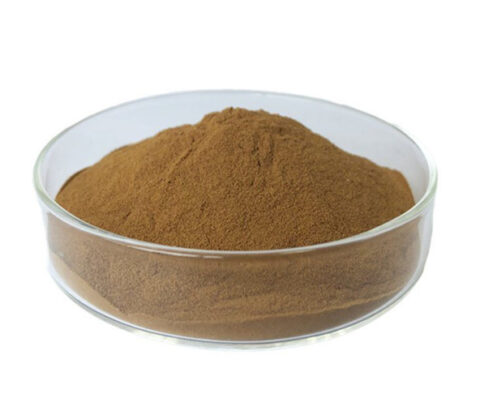
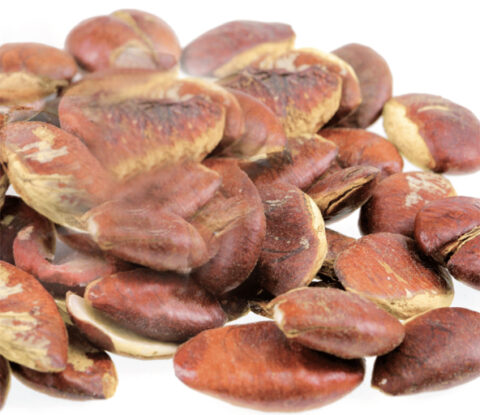


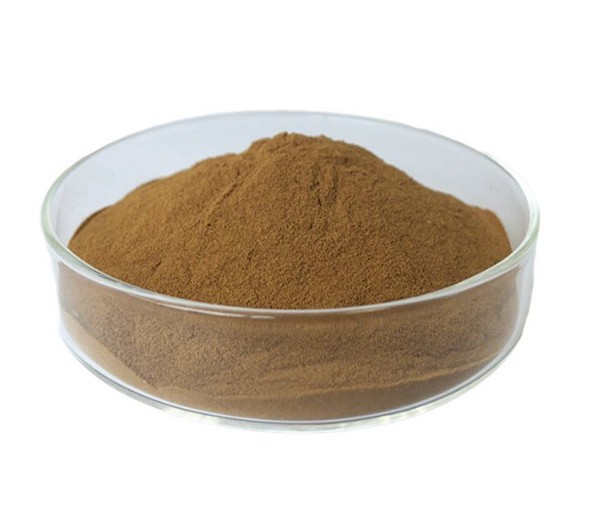
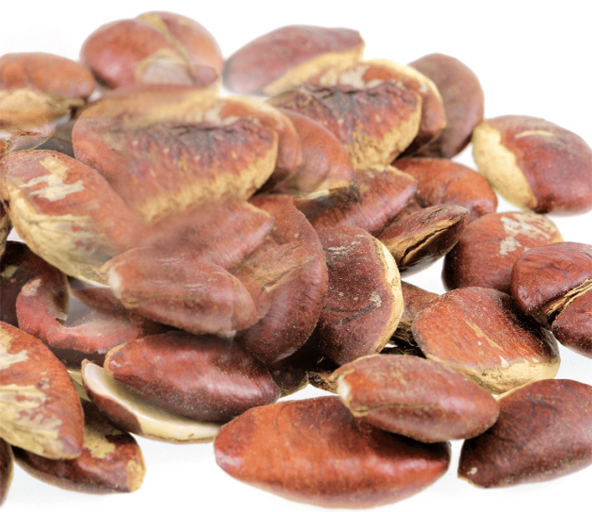
African mango seed extract is used in traditional medicine in Cameroon to suppress obesity, regulate blood sugar, lower cholesterol, and treat infectious diseases. Modern research has shown that its water-soluble fibers can inhibit fat absorption, reduce low-density lipoprotein cholesterol, and triglycerides.

African Mango (Irvingia Gabonensis) Seeds Extract Powder 10:1, 20:1, 50:1 TLC
【Botanical source】: Irvingia gabonensis
【Part used】: The kernel of African mango (scientific name: Irvingia gabonensis, also known as shrub mango)
【Specification】: 10:1 20:1 50:1TLC
【Appearance】: Brownish yellow fine powder
【Extraction solvents】: Water
【Particle size】: 95% pass 80 mesh size
【Main ingredients】: African mango seeds are rich in various nutrients, including:
Vitamins and minerals such as iron, calcium, magnesium, etc.
Soluble fiber: helps promote intestinal health.
Antioxidants such as flavonols, tannins, and ellagic acid can combat free radicals and delay aging.
Plant derived fatty acids, such as myristic acid and lauric acid, are also important components of coconut oil.

African Mango (Irvingia Gabonensis) Extract Extract Powder Production Flowchart
African Mango (Irvingia Gabonensis) seeds raw materials -Coarse powder(40 mesh) -Low temperature water extraction – 1st Reflux Extraction(10 times water,2 Hrs) – 2nd Reflux Extraction8 times water,1.5 Hrs) – 3rd Reflux Extraction(6 times water,1 Hrs) – Extraction Solution-combine&Filtrate-Concentrate-Extractum-spray drying – screening – packaging – detection of physical and chemical indicators – warehousing
Specification Sheet of Black Maca Extract Powder
| Product name: | African Mango Extract | ||
| Specification: | 10:1 TLC | ||
| Part used: | Seeds of Irvingia Gabonensis | ||
| Solvent used: | Water | ||
| Process: | Raw materials crushed, extracted, concentrated and spray-dried to powder | ||
| Non GMO according to regulation (EC) 1829/2003 and 1830/2003 or United States requirements. Non allergen according to Directive 2007/68 amending Annex IIIa to Directive 2000/13/EC and US Food allergen labelling and consumer protection act 2004. | |||
| Heavy Metals: | |||
| Lead: | NMT 3ppm | Cadmium: | NMT 1ppm |
| Arsenic: | NMT 2ppm | Mercury: | NMT 1ppm |
| Residual solvents: | Comply to USP | ||
| Pesticides residues: | Conform to Regulation USP<561> | ||
| Microbiology: | |||
| Total plate count: | 10000cfu/g Max | Yeasts and molds: | 1000cfu/g Max |
| E.coli: | Not detected in (g)10 | Salmonella spp.: | Not detected in (g)25 |
| Staphylococcus aureus: | Not detected in (g)10 | Clostridium spp.: | Not Present in 0.1 g of food |
| Organoleptic quality | Method | Specifications | |
| Aspect: | Visual : ( CQ-MO-148) | Powder | |
| Color: | Visual : ( CQ-MO-148) | Brownish yellow | |
| Flavor: | Sensory: (CQ-MO-148) | Characteristic | |
| Analytical quality | Method | Specifications | |
| Identification: | TLC | Conform | |
| Loss on drying: | USP <731> | < 10% | |
| Bulk density: | USP <616> Method I | 40 – 60 g/100mL | |
| Particle size: | Analytical sieving || USP <786> | 100% through 80meshes | |
| Packaging suitable for foodstuff. | |||
Extended Reading
Modern Pharmacological Effects of African Mango (Irvingia Gabonensis) Extract
1. Active Components
- Soluble fiber: Especially rich in viscous polysaccharides and gum.
- Flavonoids & phenolic compounds (e.g., catechins, epicatechins).
- Amino acids and fatty acids.
- Primary Pharmacological Actions & Mechanisms
- Anti-Obesity & Metabolic Effects
- Mechanism:
- High soluble fiber content delays gastric emptying, promotes satiety (via leptin modulation and CCK release).
- Inhibits adipogenesis through downregulation of PPAR-γ and glycerol-3-phosphate dehydrogenase.
- May improve insulin sensitivity via adiponectin elevation.
- Evidence: Multiple randomized controlled trials (RCTs) report significant reductions in body weight, waist circumference, and body fat percentage compared to placebo over 8–12 weeks.
- Lipid-Lowering & Cardio-Metabolic Benefits
- Mechanism:
- Reduces total cholesterol and LDL by binding bile acids and inhibiting cholesterol synthesis (HMG-CoA reductase modulation).
- Antioxidant properties protect against LDL oxidation.
- Evidence: Clinical studies consistently show improvements in lipid profiles, including triglycerides and HDL, in overweight/obese subjects.
- Antioxidant & Anti-inflammatory Activity
- Mechanism: Polyphenols scavenge free radicals and inhibit pro-inflammatory cytokines (TNF-α, IL-6).
- Evidence: Demonstrated in vitro and in animal models; contributes to systemic metabolic benefits.
- Blood Glucose Regulation
- Mechanism: Slows carbohydrate absorption and improves insulin signaling pathways.
- Evidence: Human trials note modest reductions in fasting blood glucose and HbA1c in diabetic or prediabetic populations.
- Clinical Applications
- Primary Use: Marketed as a weight management supplement, often combined with other ingredients (e.g., chromium, green tea).
- Adjuvant Therapy: Potential supportive role in metabolic syndrome, dyslipidemia, and type 2 diabetes management (under medical supervision).
- Safety & Side Effects
- Generally well-tolerated at recommended doses (typically 150–300 mg extract before meals).
- Common side effects: Mild gastrointestinal issues (gas, bloating, headaches).
- Drug interactions: Potential interaction with hypoglycemic or lipid-lowering drugs (additive effects); caution advised.
- Contraindications: Pregnancy, lactation, and severe gastrointestinal disorders.
- Research Limitations & Future Directions
- Variability: Seed extract composition varies by processing methods; standardization is lacking.
- Study design: Many trials are short-term with small sample sizes; long-term efficacy and safety data are limited.
- Mechanistic depth: Most human studies focus on outcomes rather than molecular pathways; more pharmacodynamic research is needed.
- Sustainability: Wild harvesting concerns necessitate agricultural development for consistent supply.
Conclusion
African mango seed extract demonstrates clinically relevant effects on weight management and lipid metabolism, primarily mediated by its high soluble fiber content and bioactive phytochemicals. While promising for metabolic health, it should be viewed as a complement to lifestyle interventions rather than a standalone solution. Further rigorous, long-term studies are required to establish standardized dosing, safety profiles, and broader therapeutic applications.