
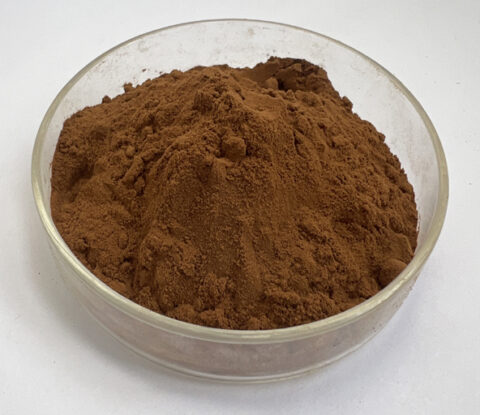
Coriolus Versicolor (Turkey Tail Mushroom) Extract Powder 10:1, 20:1, 50:1 TLC, Polysaccharides 30% UV
The core pharmacological effect of Yunzhi is its powerful immune regulation, and its active ingredient PSK/PSP can directly activate various immune cells. In clinical practice, it is used as an adjuvant drug for tumor treatment to improve patients' quality of life and reduce the side effects of radiotherapy and chemotherapy. In addition, it also has clear antiviral, antioxidant, anti-inflammatory effects, and can regulate intestinal microbiota.
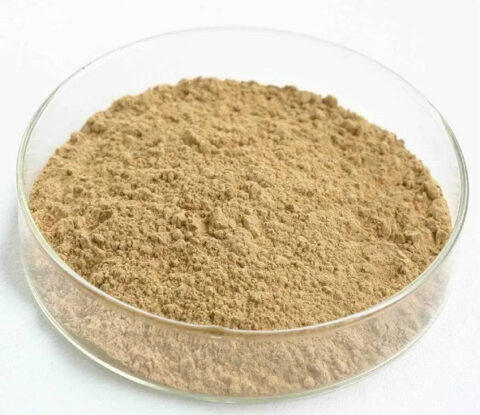
Tremella Fuciformis (Silver Ear Mushroom) Extract Powder 10:1, 20:1, 50:1 TLC, Polysaccharides 30% UV
The pharmacological effects of Tremella fuciformis stem from its unique Tremella fuciformis polysaccharide, which has excellent moisturizing and repairing abilities and can promote skin barrier health. It can effectively enhance the body's immunity, exert antioxidant and anti-inflammatory effects, and has the potential to protect the nervous system. In addition, Tremella fuciformis polysaccharides also help regulate blood sugar and lipid levels, improve gut microbiota, and are often used as an adjuvant to alleviate the side effects of radiotherapy and chemotherapy and for body repair.
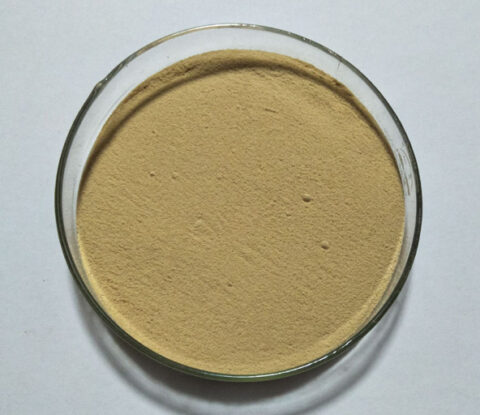
Enoki Mushroom (Flammulina Velutipes) Extract Powder 10:1, 20:1, 50:1 TLC, Polysaccharides 30% UV
The core efficacy of shiitake mushrooms comes from their polysaccharides (such as β - glucan) and glycoproteins. They can effectively activate and enhance immune cell function, with clear immune regulation and auxiliary anti-tumor potential. At the same time, it exhibits significant antioxidant and anti-inflammatory activities, and has a protective effect on the nervous system. It can also assist in regulating blood sugar and blood lipids, and improve intestinal health.
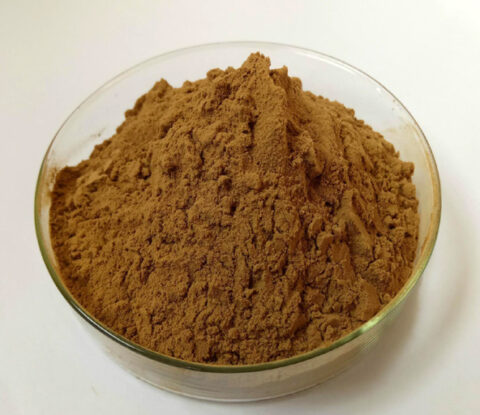
Coprinus Comatus (Shaggy Mane Mushroom) Extract Powder 10:1, 20:1, 50:1 TLC, Polysaccharides 30% UV
The main pharmacological effects of Agaricus bisporus include immune regulation (activation of macrophages and NK cells), anti-tumor (induction of cancer cell apoptosis), antioxidant (clearance of free radicals), and antibacterial. Its actThe core pharmacological action of Coprinus Comatus is to significantly lower blood sugar and regulate insulin sensitivity. Its polysaccharide components also have immunomodulatory and anti-tumor activities. Special attention should be paid to the toxic reaction (disulfiram like reaction) caused by the co administration of puerarin and alcohol. In addition, it also has antioxidant and antibacterial effects.ve ingredients polysaccharides and lectins can also assist in lowering blood sugar and blood lipids, and have certain anti-inflammatory and neuroprotective potential.
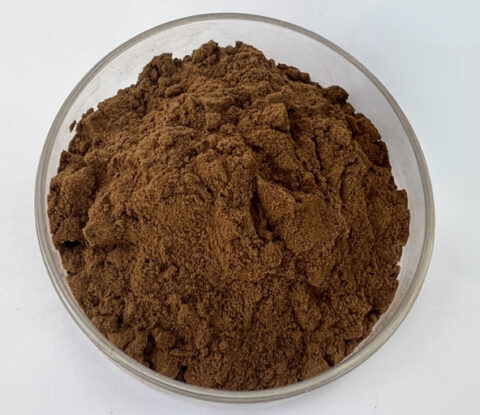
Agrocybe Aegerita (Black Poplar Mushroom) Extract Powder 10:1, 20:1, 50:1 TLC, Polysaccharides 30% UV
The main pharmacological effects of Agaricus bisporus include immune regulation (activation of macrophages and NK cells), anti-tumor (induction of cancer cell apoptosis), antioxidant (clearance of free radicals), and antibacterial. Its active ingredients polysaccharides and lectins can also assist in lowering blood sugar and blood lipids, and have certain anti-inflammatory and neuroprotective potential.
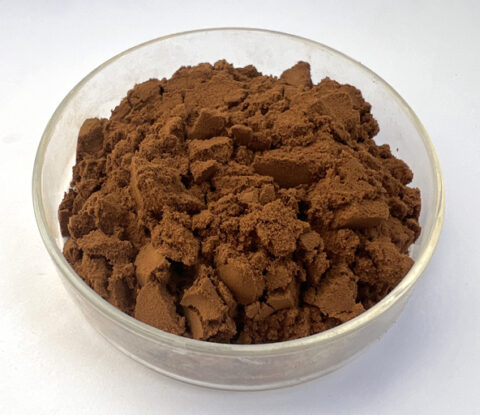
Button Mushroom(Agaricus Bisporus) Extract Powder 10:1, 20:1, 50:1 TLC, Polysaccharides 30% UV
The main pharmacological effects of Agaricus bisporus include immune regulation (activation of macrophages, etc.), anti-tumor (induction of cancer cell apoptosis), antioxidant (clearance of free radicals), and anti-inflammatory. Its active ingredients polysaccharides (such as β - glucan) work together with triterpenoids to exert these effects, and also have certain roles in metabolic regulation and antibacterial properties.
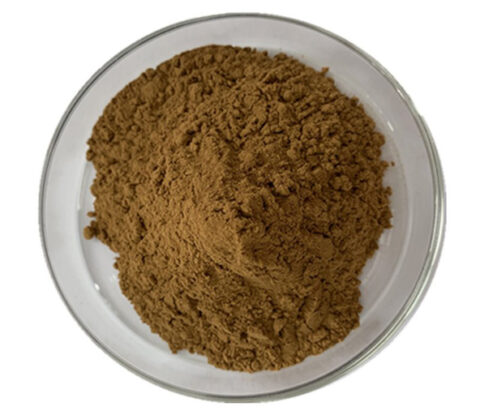
Abalone Mushroom (Pleurotus Abalones) Extract Powder 10:1, 20:1, 50:1 TLC, Polysaccharides 30% UV
The pharmacological effects of abalone mushrooms mainly stem from their polysaccharides (β - glucan) and other components, which have immunomodulatory, anti-tumor, antioxidant, anti-inflammatory, and lipid-lowering effects. Research has confirmed that it can enhance the body's immune function, inhibit cancer cell growth, eliminate free radicals, and improve metabolic health, demonstrating good medicinal and health potential.
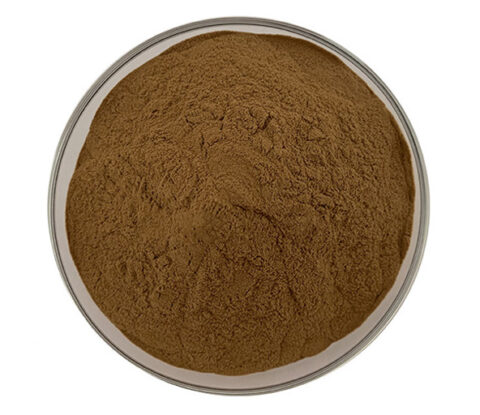
Polyporus Umbellatus (Umbellate Pore Fungus) Extract Powder 10:1, 20:1, 50:1 TLC, Polysaccharides 30% UV
The core pharmacological activity of Polyporus umbellatus is derived from its unique β-glucan. Studies have confirmed its highly effective and mild diuretic effect, achieved by regulating renal aquaporins without disrupting electrolyte balance. Additionally, it exhibits potent immunomodulatory and anti-tumor activities, capable of activating various immune cells, inhibiting cancer cell proliferation, and inducing apoptosis. Furthermore, it also possesses liver-protective and antioxidant properties.
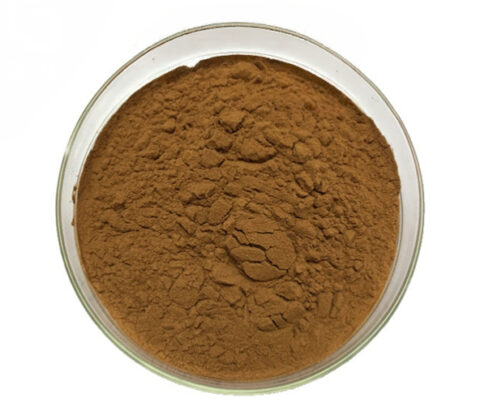
Irpex Lateus (White Tine Bacteria Mushroom) Extract Powder 10:1, 20:1, 50:1 TLC, Polysaccharides 30% UV
Modern pharmacological studies on Irpex lacteus have confirmed its core efficacy in anti-inflammatory and immune regulation. Its characteristic components, including lanostane-type triterpenoids and polysaccharides, can significantly inhibit inflammatory pathways such as NF-κB and reduce inflammatory factors such as TNF-α and IL-6. Additionally, it exhibits clear antioxidant and hepatoprotective effects, and demonstrates inhibitory effects on various cancer cell lines.