
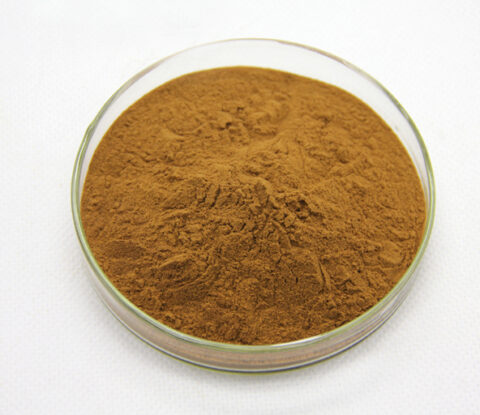
Moutan Bark (Mu Dan Pi) Extract Powder 10:1, 20:1, 50:1 TLC
The functions of tree peony bark in traditional Chinese medicine include clearing heat and cooling blood, promoting blood circulation and removing blood stasis. Used for warming the blood in the body, treating toxic spots, vomiting blood and bleeding, staying hot at night and cool early, without sweating or bone steaming, menstrual cramps, falls and pains, and treating abscesses and sores.
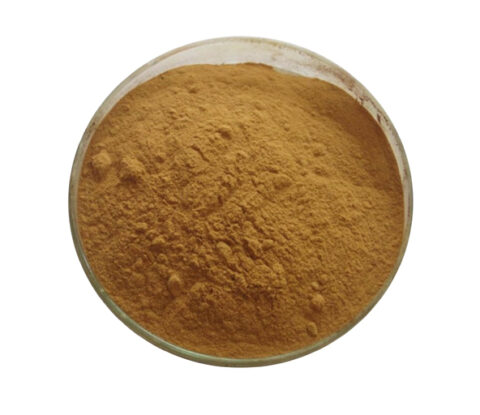
Bitter Orange(Zhi Ke, Zhi Qiao) Extract Powder 10:1, 20:1, 50:1 TLC
The functions of Fructus Aurantii in traditional Chinese medicine include regulating qi, promoting stagnation, and reducing bloating. Used for chest and rib qi stagnation, bloating and pain, inability to digest food, cessation of phlegm and fluid intake, and organ prolapse.
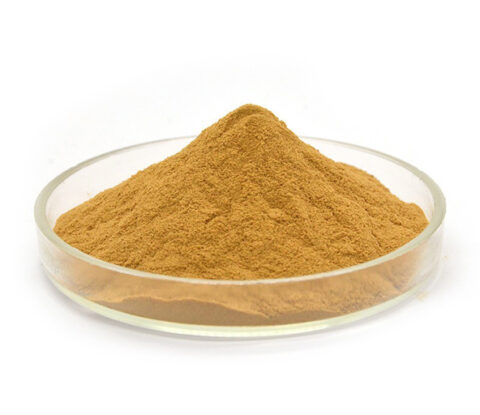
Immature Bitter Orange (Zhi Shi) Extract Powder 10:1, 20:1, 50:1 TLC
The functions of Immature Bitter Orange in traditional Chinese medicine include breaking down qi and eliminating accumulation, resolving phlegm and dispersing phlegm. Used for internal stagnation, swelling and pain, severe diarrhea, constipation, phlegm stagnation and qi obstruction, chest obstruction, chest nodules, and organ prolapse.
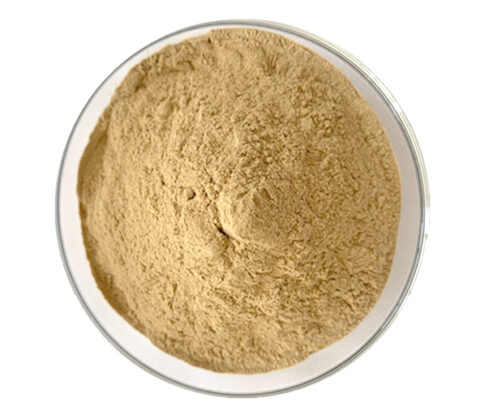
Cyperus Rotundus (Xiang Fu) Extract Powder 10:1, 20:1, 50:1 TLC
The functions of Rhizoma Cyperi in traditional Chinese medicine include soothing the liver and relieving depression, regulating qi and relieving pain, regulating menstruation and relieving pain. Used for liver depression and qi stagnation, chest and rib distension pain, hernia pain, breast distension pain, spleen and stomach qi stagnation, abdominal distension, fullness pain, menstrual disorders, menstrual cramps.
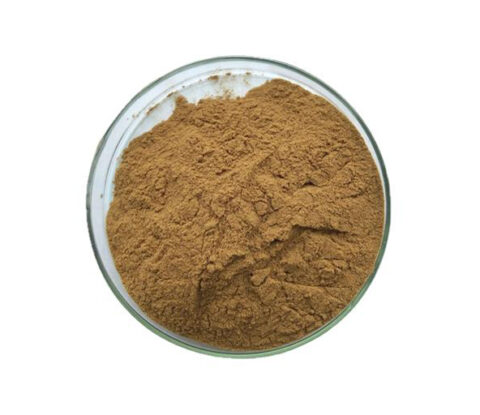
Cassia Twig (Gui Zhi) Extract Powder 10:1, 20:1, 50:1 TLC
Sweat to relieve muscle, warm and promote meridians, help yang transform qi, and calm and reduce qi. Used for wind cold cold, cold pain in the epigastric region, blood cold amenorrhea, joint pain, phlegm retention, edema, and palpitations.
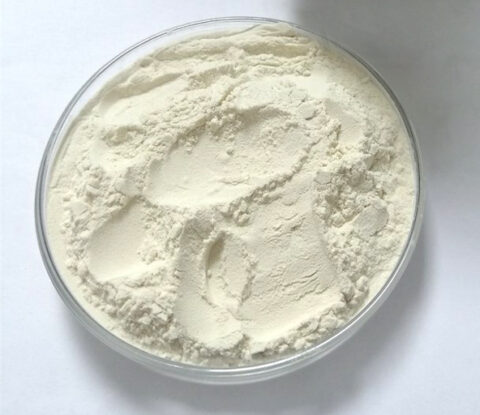
Poria (Fu Ling) Extract Powder 10:1, 20:1, 50:1 TLC
The functions of Poria cocos include promoting diuresis, moistening the spleen, and calming the heart. Used for conditions such as edema, oliguria, phlegm and thirst, spleen deficiency, insufficient appetite, loose stools and diarrhea, restlessness, palpitations, insomnia.
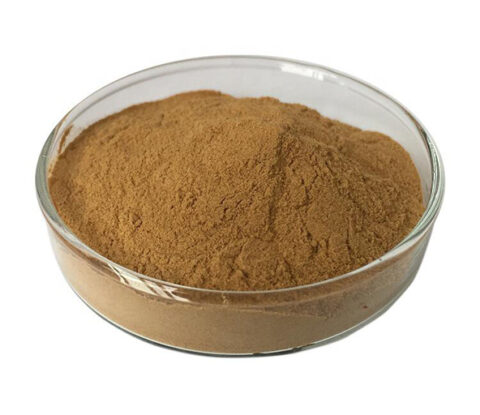
Artemisia Scoparia (Yin Chen) Extract Powder 10:1, 20:1, 50:1 TLC
The functions of Artemisia scoparia in traditional Chinese medicine include clearing dampness and heat, promoting bile flow, and reducing jaundice. Used for jaundice, oliguria, dampness, warmth, heat, dampness, and itching of wet sores.
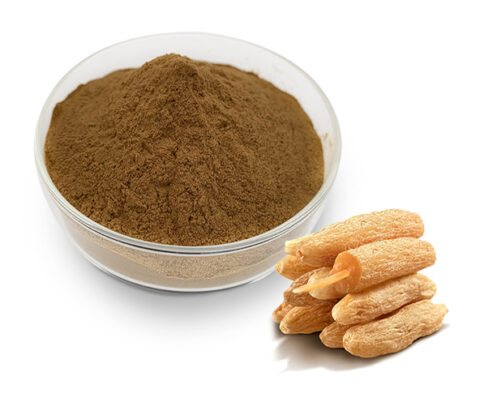
Dwarf Lilyturf Tuber (Mai Men Dong) Extract Powder 10:1, 20:1, 50:1 TLC
Ophiopogon japonicus has the effects of nourishing yin and moistening the lungs, nourishing the stomach and generating fluids, and clearing the heart and eliminating annoyance. Commonly used for lung dryness and dry cough, lung abscess, yin deficiency induced cough, fluid damage and thirst, quenching thirst, restlessness and insomnia, sore throat, intestinal dryness and constipation, blood heat and vomiting.
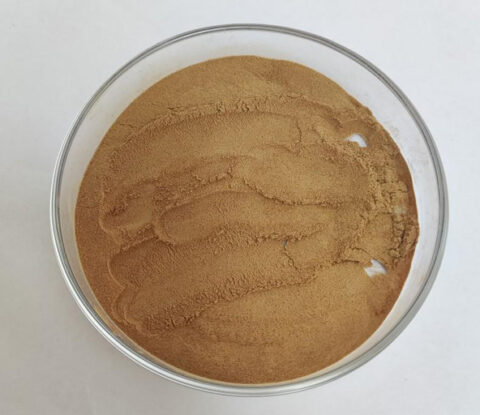
Dried Tangerine Peel (Chen Pi) Extract Powder 10:1, 20:1, 50:1 TLC
Chen Pi is mainly used in traditional Chinese medicine to regulate qi, invigorate the spleen, dry dampness, and reduce phlegm. It is commonly used to improve symptoms such as abdominal distension, loss of appetite, cough, and excessive phlegm. Its mild medicinal properties can regulate spleen and stomach qi stagnation, as well as resolve phlegm dampness obstructing the lungs, making it one of the commonly used Qi regulating drugs in clinical practice.