
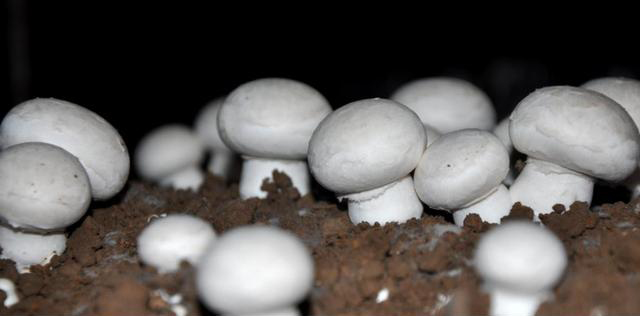
Button Mushroom(Agaricus Bisporus) Extract Powder 10:1, 20:1, 50:1 TLC, Polysaccharides 30% UV


The main pharmacological effects of Agaricus bisporus include immune regulation (activation of macrophages, etc.), anti-tumor (induction of cancer cell apoptosis), antioxidant (clearance of free radicals), and anti-inflammatory. Its active ingredients polysaccharides (such as β - glucan) work together with triterpenoids to exert these effects, and also have certain roles in metabolic regulation and antibacterial properties.

Button Mushroom(Agaricus Bisporus) Extract Powder 10:1, 20:1, 50:1 TLC, Polysaccharides 30% UV
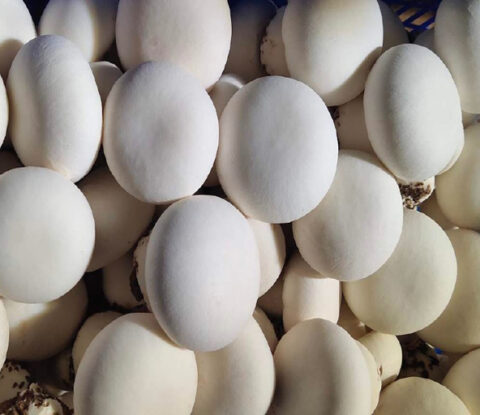
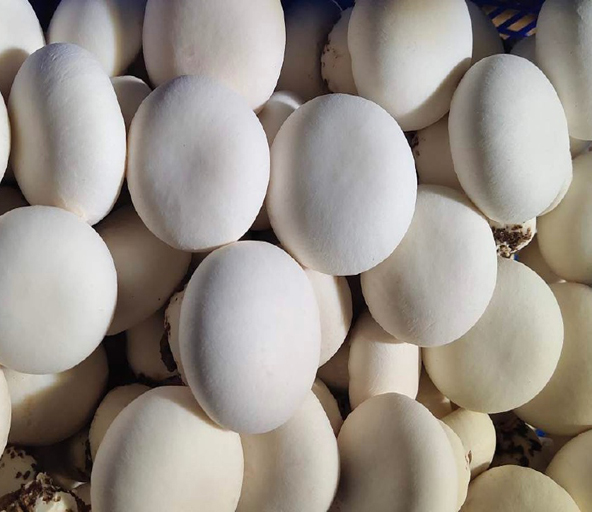
【Botanical source】: Agaricus bisporus (Large) Sing.)
【Part used】: Mycelium&Frutingbody
【Specification】: 10:1, 20:1, 50:1 TLC, Polysaccharides 30% UV
【Extraction solvents】: Water
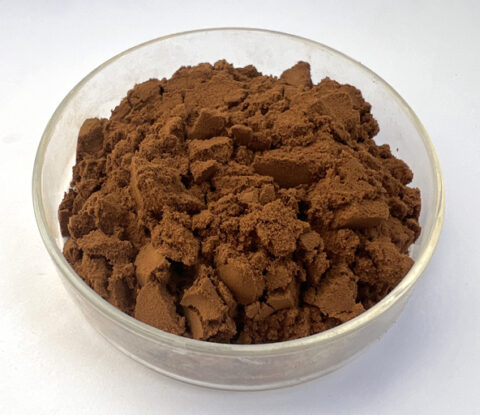
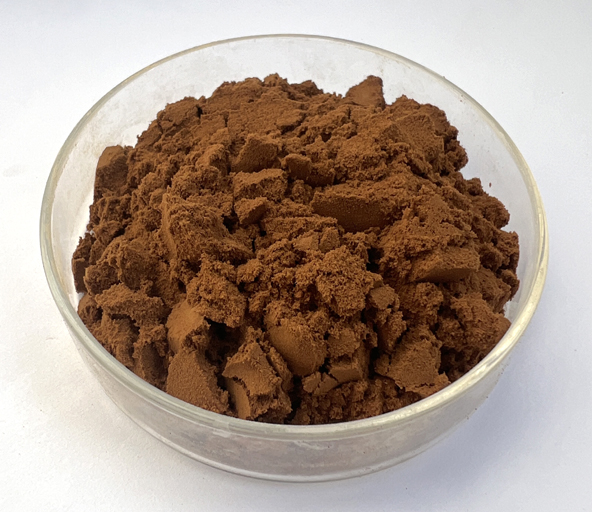
【Appearance】: Brownish yellow fine powder
【Particle size】: 95% pass 80 mesh size
【Main ingredients】: The main active ingredients in Agaricus bisporus include polysaccharides and triterpenoids. Polysaccharides, mainly β – glucans, have significant immune regulatory functions and can activate macrophages and natural killer cells, enhancing the body’s immunity. At the same time, it also exhibits anti-tumor and antioxidant activity. Triterpenes are important secondary metabolites with pharmacological effects such as anti-inflammatory, hepatoprotective, and anti-tumor effects. Some triterpenoids have direct cytotoxic effects on cancer cells.
【Storage conditions】:Store at room temperature in a sealed manner, away from light, and in a ventilated, cool, and dry environment.
【Shelf life】: 24 months from the production date
Button Mushroom(Agaricus Bisporus) Extract Powder Production Flowchart
Agaricus Bisporus frutingbody raw materials -Coarse powder(40 mesh) -Low temperature water extraction – 1st Reflux Extraction(10 times water,2 Hrs) – 2nd Reflux Extraction8 times water,1.5 Hrs) – 3rd Reflux Extraction(6 times water,1 Hrs) – Extraction Solution-combine&Filtrate-Concentrate-Extractum-spray drying – screening – packaging – detection of physical and chemical indicators – warehousing
Specification Sheet of Button Mushroom(Agaricus Bisporus) Extract Powder
| Product name: | Agaricus Bisporus Extract | ||
| Specification: | 30% polysaccharides UV | ||
| Part used: | Fruitbody of Agaricus bisporus (Large) Sing.) | ||
| Solvent used: | Water | ||
| Process: | Raw materials crushed, extracted, concentrated and spray-dried to powder | ||
| Non GMO according to regulation (EC) 1829/2003 and 1830/2003 or United States requirements. Non allergen according to Directive 2007/68 amending Annex IIIa to Directive 2000/13/EC and US Food allergen labelling and consumer protection act 2004. | |||
| Heavy Metals: | |||
| Lead: | NMT 3ppm | Cadmium: | NMT 1ppm |
| Arsenic: | NMT 2ppm | Mercury: | NMT 1ppm |
| Residual solvents: | Comply to USP | ||
| Pesticides residues: | Conform to Regulation USP<561> | ||
| Microbiology: | |||
| Total plate count: | 10000cfu/g Max | Yeasts and molds: | 1000cfu/g Max |
| E.coli: | Not detected in (g)10 | Salmonella spp.: | Not detected in (g)25 |
| Staphylococcus aureus: | Not detected in (g)10 | Clostridium spp.: | Not Present in 0.1 g of food |
| Organoleptic quality | Method | Specifications | |
| Aspect: | Visual : ( CQ-MO-148) | Powder | |
| Color: | Visual : ( CQ-MO-148) | Brownish yellow | |
| Flavor: | Sensory: (CQ-MO-148) | Characteristic | |
| Analytical quality | Method | Specifications | |
| Identification: | TLC | Conform | |
| Loss on drying: | USP <731> | < 10% | |
| Bulk density: | USP <616> Method I | 40 – 60 g/100mL | |
| Particle size: | Analytical sieving || USP <786> | 100% through 80meshes | |
| Packaging suitable for foodstuff. | |||
Extended Reading
Modern Pharmacological Research on Button Mushroom(Agaricus Bisporus) Extract
- Key Chemical Components:
The primary bioactive constituents are polysaccharides(especially β-1,3/1,6-D-glucans), dietary fibers, proteins/peptides(including lectins), and phenolic compounds. It also contains ergosterol (provitamin D2), vitamins (B-group), and minerals (selenium, potassium). - Documented Pharmacological Benefits (Based on Preclinical Studies):
- Immunomodulation & Anticancer: β-glucans enhance immune function (activating macrophages, NK cells) and exhibit antitumor activity via apoptosis induction and inhibition of angiogenesis.
- Antioxidant & Anti-inflammatory: Phenolics and polysaccharides scavenge free radicals and suppress pro-inflammatory cytokines (TNF-α, IL-6).
- Metabolic Health: Demonstrates antihyperlipidemic (lowers LDL cholesterol) and antidiabetic effects (improves insulin sensitivity, inhibits α-glucosidase).
- Antimicrobial & Prebiotic: Shows antibacterial/fungal activity; polysaccharides may promote beneficial gut microbiota.
- Hepatoprotective & Neuroprotective: Animal models indicate protective effects against liver damage and oxidative stress in neural tissues.
- Potential Drug & Health Interactions:
- Antidiabetic Drugs: May cause additive hypoglycemic effects.
- Antihypertensive/Anticoagulant Drugs: Possible additive blood pressure-lowering effects; theoretical increased bleeding risk with blood thinners (e.g., warfarin).
- Immunosuppressants: May counteract medications used in autoimmune diseases or organ transplants.
- Surgery: Discontinue use at least 2 weeks pre-surgery due to blood sugar and immune modulation concerns.
- Taboos & Contraindications:
- Allergy: Contraindicated in individuals with known mushroom allergies.
- Pregnancy & Lactation: Avoid therapeutic/extract use due to insufficient safety data (culinary amounts are safe).
- Autoimmune Diseases: Use with caution (e.g., rheumatoid arthritis, lupus) as immune stimulation may exacerbate symptoms.
- Gout: Contains purines; high intake may affect susceptible individuals.
- Dosage & Administration:
No universally established clinical dosage exists. In studies, doses vary widely (e.g., 250–1000 mg/kg in animal models). As a dietary supplement, follow the manufacturer’s label (typically 500–1500 mg/day of extract). For therapeutic purposes, consultation with a healthcare provider is essential.
References
- Chen, J., Mao, D., Yong, Y., Li, J., Wei, H., & Lu, L. (2012). Hepatoprotective and hypolipidemic effects of water-soluble polysaccharide extract of Pleurotus eryngii. Food Chemistry, 130(3), 687-694.
- Jayasuriya, W. J., et al. (2015). Hypoglycaemic activity of culinary Pleurotus species and their effect on key enzymes related to type 2 diabetes. International Journal of Medicinal Mushrooms, 17(3), 277-287.
- Li, S., & Shah, N. P. (2016). Antioxidant and antibacterial activities of polysaccharides from Pleurotus eryngii. Journal of Food Science, 81(4), M928-M934.
- Ma, G., Yang, W., Zhao, L., Pei, F., Fang, D., & Hu, Q. (2018). A critical review on the health promoting effects of mushrooms β-glucans. Food & Function, 9(12), 6325-6339.
- Reis, F. S., Martins, A., Barros, L., & Ferreira, I. C. (2012). Antioxidant properties and phenolic profile of the most widely appreciated cultivated mushrooms. Food Chemistry, 133(2), 503-508.
- Zhang, Y., Li, Q., Shu, Y., Liu, H., & Wang, J. (2016). Structural characterization and in vitro antitumor activity of an acidic polysaccharide from Pleurotus abalonus. Carbohydrate Polymers, 148, 351-359.
- Zheng, S., et al. (2020). Purification, characterization and immunomodulatory activity of a polysaccharide from Pleurotus abalonus. International Journal of Biological Macromolecules, 156, 1313-1323.
- Wan-Mohtar, W. A. A. Q. I., et al. (2020). The composition of bioactive compounds in the mycelium of the Pleurotus mushroom and its potential role in inflammation. Journal of Functional Foods, 72, 104077.
Disclaimer: This information consolidates current preclinical and limited clinical research. Pleurotus eryngii extract is a dietary supplement, not a medicine. Its effects can vary based on strain, cultivation, and extraction methods. Consultation with a healthcare provider is recommended before therapeutic use, especially for individuals with health conditions or those taking medications.