
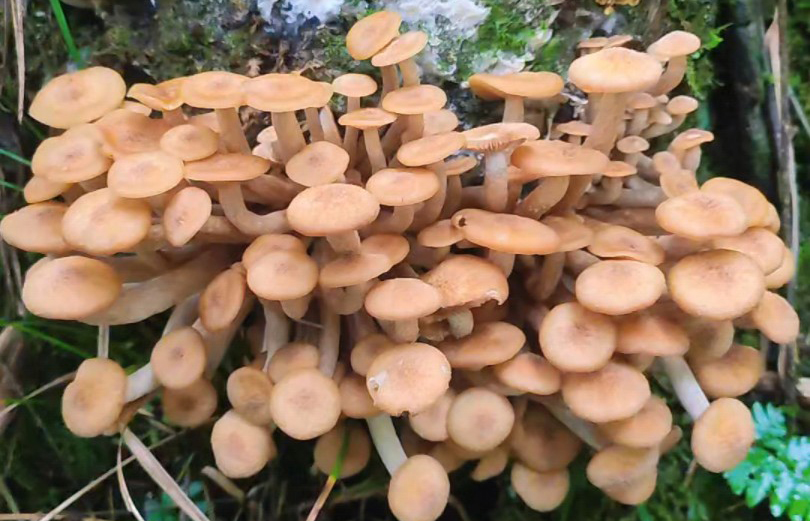
Agrocybe Aegerita (Black Poplar Mushroom) Extract Powder 10:1, 20:1, 50:1 TLC, Polysaccharides 30% UV


The main pharmacological effects of Agaricus bisporus include immune regulation (activation of macrophages and NK cells), anti-tumor (induction of cancer cell apoptosis), antioxidant (clearance of free radicals), and antibacterial. Its active ingredients polysaccharides and lectins can also assist in lowering blood sugar and blood lipids, and have certain anti-inflammatory and neuroprotective potential.

Agrocybe Aegerita (Black Poplar Mushroom) Extract Powder 10:1, 20:1, 50:1 TLC, Polysaccharides 30% UV
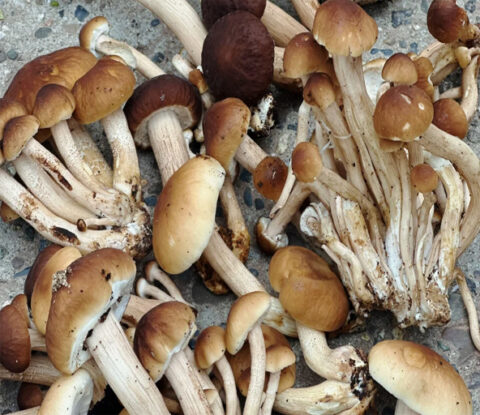
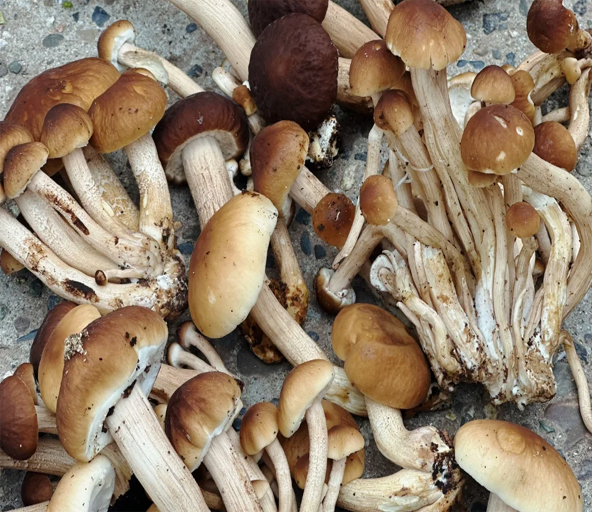
【Botanical source】: Agrocybe aegerita
【Part used】: Frutingbody
【Specification】: 10:1, 20:1, 50:1 TLC, Polysaccharides 30% UV
【Extraction solvents】: Water
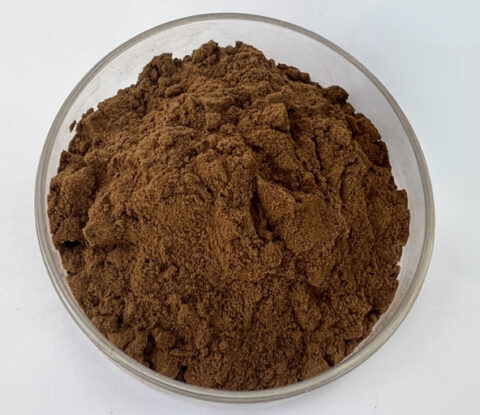
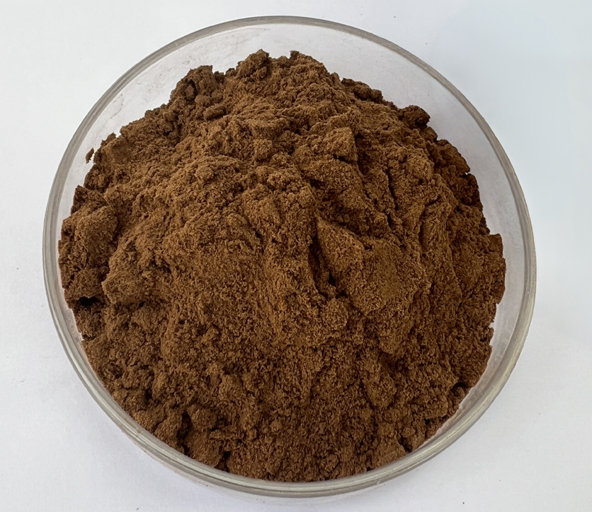
【Appearance】: Brownish yellow fine powder
【Particle size】: 95% pass 80 mesh size
【Main ingredients】: The pharmacological components of Agaricus bisporus mainly include polysaccharides (such as β – glucan), lectins, polyphenols, sterols, and dietary fiber. Among them, polysaccharides and lectins are its core active substances, which have significant immunomodulatory, anti-tumor, antioxidant, and antibacterial effects, making them potential in the fields of healthcare and adjuvant therapy.
【Storage conditions】:Store at room temperature in a sealed manner, away from light, and in a ventilated, cool, and dry environment.
【Shelf life】: 24 months from the production date
Agrocybe Aegerita (Black Poplar Mushroom) Extract Powder Production Flowchart
Agrocybe Aegerita frutingbody raw materials -Coarse powder(40 mesh) -Low temperature water extraction – 1st Reflux Extraction(10 times water,2 Hrs) – 2nd Reflux Extraction8 times water,1.5 Hrs) – 3rd Reflux Extraction(6 times water,1 Hrs) – Extraction Solution-combine&Filtrate-Concentrate-Extractum-spray drying – screening – packaging – detection of physical and chemical indicators – warehousing
Specification Sheet of Agrocybe Aegerita (Black Poplar Mushroom) Extract Powder
| Product name: | Agrocybe Aegerita Extract | ||
| Specification: | 30% polysaccharides UV | ||
| Part used: | Fruitbody of Agrocybe Aegerita | ||
| Solvent used: | Water | ||
| Process: | Raw materials crushed, extracted, concentrated and spray-dried to powder | ||
| Non GMO according to regulation (EC) 1829/2003 and 1830/2003 or United States requirements. Non allergen according to Directive 2007/68 amending Annex IIIa to Directive 2000/13/EC and US Food allergen labelling and consumer protection act 2004. | |||
| Heavy Metals: | |||
| Lead: | NMT 3ppm | Cadmium: | NMT 1ppm |
| Arsenic: | NMT 2ppm | Mercury: | NMT 1ppm |
| Residual solvents: | Comply to USP | ||
| Pesticides residues: | Conform to Regulation USP<561> | ||
| Microbiology: | |||
| Total plate count: | 10000cfu/g Max | Yeasts and molds: | 1000cfu/g Max |
| E.coli: | Not detected in (g)10 | Salmonella spp.: | Not detected in (g)25 |
| Staphylococcus aureus: | Not detected in (g)10 | Clostridium spp.: | Not Present in 0.1 g of food |
| Organoleptic quality | Method | Specifications | |
| Aspect: | Visual : ( CQ-MO-148) | Powder | |
| Color: | Visual : ( CQ-MO-148) | Brownish yellow | |
| Flavor: | Sensory: (CQ-MO-148) | Characteristic | |
| Analytical quality | Method | Specifications | |
| Identification: | TLC | Conform | |
| Loss on drying: | USP <731> | < 10% | |
| Bulk density: | USP <616> Method I | 40 – 60 g/100mL | |
| Particle size: | Analytical sieving || USP <786> | 100% through 80meshes | |
| Packaging suitable for foodstuff. | |||
Extended Reading
Modern Pharmacological Research on Agrocybe Aegerita (Black Poplar Mushroom) Extract
- Key Chemical Components:
The primary bioactive constituents of Agrocybe aegeritaare polysaccharides(notably heteroglycans and proteoglycans), agrocybin (a specific antifungal and cytotoxic protein), phenolic compounds, ergosterol, and various fatty acids (e.g., linoleic acid). It also contains dietary fiber, minerals (potassium, zinc), and B vitamins. - Documented Pharmacological Benefits (Based on Preclinical Studies):
- Antitumor & Immunomodulation: Its polysaccharides and agrocybin exhibit significant cytotoxic effects on various cancer cell lines (e.g., liver, lung) in vitro and in animal models, primarily through apoptosis induction and immune system activation (enhancing macrophage and NK cell activity).
- Antioxidant Activity: Extracts show potent free radical scavenging (DPPH, ABTS), ferric reducing, and lipid peroxidation inhibition abilities, attributed to its phenolics and polysaccharides.
- Antimicrobial & Antifungal: Agrocybin and other compounds possess broad-spectrum activity against bacteria (e.g., E. coli, Staphylococcus) and phytopathogenic fungi.
- Hepatoprotective & Anti-inflammatory: Demonstrated protective effects against chemical-induced liver damage in rodents and reduction of pro-inflammatory markers (COX-2, TNF-α).
- Prebiotic Potential: Its polysaccharides may selectively stimulate the growth of beneficial gut bacteria.
- Potential Drug Interactions:
- Antidiabetic Drugs: May enhance hypoglycemic effects; blood glucose monitoring is advised.
- Immunosuppressants: Immunostimulant effects could theoretically interfere with drugs like cyclosporine or corticosteroids.
- Anticoagulants/Antiplatelets: Potential additive effect due to possible antiplatelet aggregation activity; caution with warfarin or aspirin.
- Chemotherapy: While potentially synergistic, concurrent use with anticancer drugs should only be under medical supervision.
- Taboos & Contraindications:
- Allergy: Contraindicated in individuals with known mushroom allergies.
- Pregnancy & Lactation: Avoid therapeutic/extract use due to lack of safety data (culinary consumption is generally considered safe).
- Autoimmune Diseases: Use with caution (e.g., multiple sclerosis, lupus) as immune stimulation may exacerbate symptoms.
- Surgery: Discontinue use at least 2 weeks before scheduled procedures due to potential effects on immune function and bleeding risk.
- Dosage & Administration:
There is no established clinical dosagefor human therapeutic use. In animal studies, doses of aqueous or ethanolic extracts range widely (e.g., 100-500 mg/kg body weight). As a dietary supplement, if available, it is critical to follow the manufacturer’s instructions. For any medicinal purpose, professional guidance from a healthcare provider is essential.
References
- Chen, J., Yong, Y., Xing, P., et al. (2013). Characterization of polysaccharides with antioxidant and hepatoprotective activities from the edible mushroom Agrocybe aegerita. International Journal of Biological Macromolecules, 52, 68-72.
- Hu, Q., Wang, H., & Ng, T. B. (2012). Isolation and purification of a novel antifungal protein from the edible mushroom Agrocybe aegerita. Biochemical and Biophysical Research Communications, 427(2), 311-317.
- Kim, M. Y., Chung, L. M., Lee, S. J., et al. (2009). Comparison of free amino acid, carbohydrates concentrations in Korean edible and medicinal mushrooms. Food Chemistry, 113(2), 386-393.
- Liu, Y., Zhang, B., Ibrahim, S. A., et al. (2016). Purification, characterization and antioxidant activity of polysaccharides from Agrocybe aegerita. Carbohydrate Polymers, 145, 336-343.
- Ren, L., Hemar, Y., Perera, C. O., et al. (2014). Antibacterial and antioxidant activities of aqueous extracts of eight edible mushrooms. Bioactive Carbohydrates and Dietary Fibre, 3(2), 41-51.
- Sun, Y., Zhang, M., Fang, Z., et al. (2019). Efficient extraction and antioxidant activity of polyphenols from Agrocybe aegerita. Journal of Food Measurement and Characterization, 13(1), 633-640.
- Wang, D., Sun, S. Q., Wu, W. Z., et al. (2014). Characterization of a water-soluble polysaccharide from Agrocybe aegerita and its immune activation potential on RAW264.7 macrophages. International Journal of Biological Macromolecules, 69, 164-170.
- Zhang, C., Li, J., & Ng, T. B. (2007). Agrocybe aegerita polysaccharide induces apoptosis in human lung cancer A549 cells. International Journal of Biological Macromolecules, 40(3), 239-243.
Disclaimer: This information consolidates current preclinical and limited clinical research. Pleurotus eryngii extract is a dietary supplement, not a medicine. Its effects can vary based on strain, cultivation, and extraction methods. Consultation with a healthcare provider is recommended before therapeutic use, especially for individuals with health conditions or those taking medications.