
Aloe Vera Extract Powder 10:1, 20:1 TLC

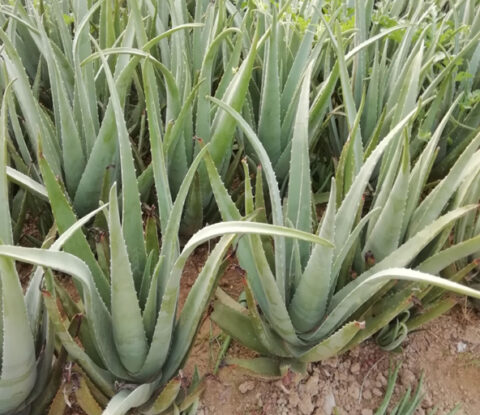


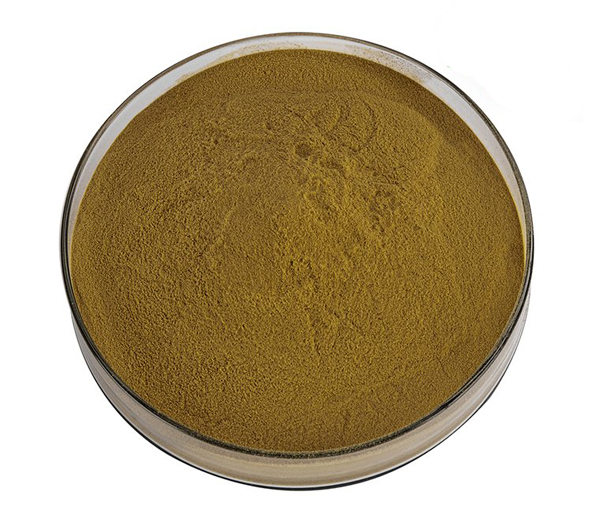
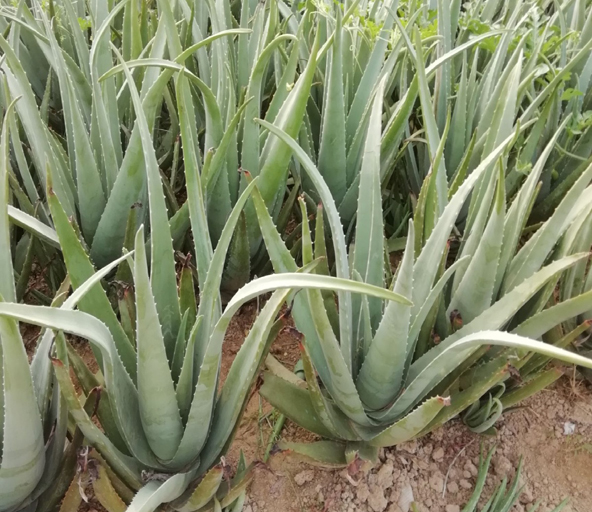
Aloe Vera Extract has the characteristics of moisturizing, anti-inflammatory and promoting wound healing, and is widely used in cosmetics, medicine and food industry, such as as the base material of facial mask, health food additive, etc.

Aloe Vera Extract Powder 10:1, 20:1 TLC
【Botanical source】: Aloe barbadensis Mill
【Part used】: Aloe vera extract is a brownish yellow powder extracted from the leaves of the lily family plant Aloe vera, mainly containing active ingredients such as polysaccharides, anthraquinone compounds, and amino acids.
【Specification】: 10:1, 20:1 TLC
【Appearance】: Brownish yellow fine powder
【Extraction solvents】: Water
【Particle size】: 95% pass 80 mesh size
【Main ingredients】: Aloin A, Aloin B, Aloe Emodin, and Aloinoside A, B, etc.
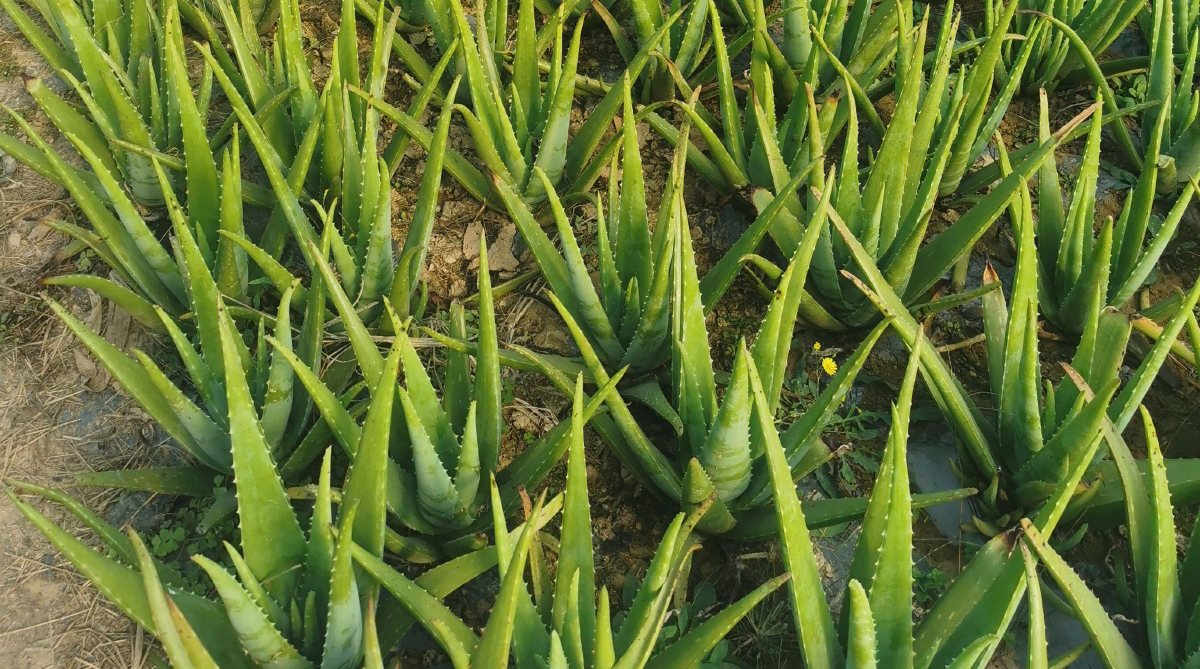
Aloe Vera Extract Extract Powder Production Flowchart
Aloe Vera raw materials -Coarse powder(40 mesh) -Low temperature water extraction – 1st Reflux Extraction(10 times water,2 Hrs) – 2nd Reflux Extraction8 times water,1.5 Hrs) – 3rd Reflux Extraction(6 times water,1 Hrs) – Extraction Solution-combine&Filtrate-Concentrate-Extractum-spray drying – screening – packaging – detection of physical and chemical indicators – warehousing
Specification Sheet of Aloe Vera Extract Powder
| Product name: | Aloe Vera Extract | ||
| Specification: | 10:1 TLC | ||
| Part used: | Leaves of Aloe barbadensis Mill | ||
| Solvent used: | Ethanol | ||
| Process: | Raw materials crushed, extracted, concentrated and spray-dried to powder | ||
| Non GMO according to regulation (EC) 1829/2003 and 1830/2003 or United States requirements. Non allergen according to Directive 2007/68 amending Annex IIIa to Directive 2000/13/EC and US Food allergen labelling and consumer protection act 2004. | |||
| Heavy Metals: | |||
| Lead: | NMT 3ppm | Cadmium: | NMT 1ppm |
| Arsenic: | NMT 2ppm | Mercury: | NMT 1ppm |
| Residual solvents: | Comply to USP | ||
| Pesticides residues: | Conform to Regulation USP<561> | ||
| Microbiology: | |||
| Total plate count: | 10000cfu/g Max | Yeasts and molds: | 1000cfu/g Max |
| E.coli: | Not detected in (g)10 | Salmonella spp.: | Not detected in (g)25 |
| Staphylococcus aureus: | Not detected in (g)10 | Clostridium spp.: | Not Present in 0.1 g of food |
| Organoleptic quality | Method | Specifications | |
| Aspect: | Visual : ( CQ-MO-148) | Powder | |
| Color: | Visual : ( CQ-MO-148) | Brownish yellow | |
| Flavor: | Sensory: (CQ-MO-148) | Characteristic | |
| Analytical quality | Method | Specifications | |
| Identification: | TLC | Conform | |
| Loss on drying: | USP <731> | < 10% | |
| Bulk density: | USP <616> Method I | 40 – 60 g/100mL | |
| Particle size: | Analytical sieving || USP <786> | 100% through 80meshes | |
| Packaging suitable for foodstuff. | |||
Extended Reading
Modern Pharmacological Effects of Aloe Vera Extract
The modern research on aloe vera extract is very extensive and in-depth. It has evolved from a traditional folk herb to a functional ingredient rigorously examined by modern science, with research covering multiple fields such as skincare, digestive health, and immune regulation. The following are the main directions, core discoveries, and applications of modern research on aloe vera extract:
1.Core bioactive ingredients
The active ingredients of aloe vera are complex and mainly divided into two categories:
Gel (mesophyll part): The main components are polysaccharides (acetylated mannan, such as acetylated glucomannan, is the most critical), as well as amino acids, lipids, sterols, vitamins and enzymes.
Latex/Emodin (inner layer closely attached to the epidermis): It mainly contains anthraquinone compounds such as aloe emodin and aloin, and is a potent source of laxatives.
2.Modern research typically separates and extracts these two parts based on their application purposes.
1). Main research directions and scientific discoveries
Skin repair and burn treatment (the most evidence-based application)
Promote wound healing: A large number of clinical studies have confirmed that aloe gel can significantly accelerate the healing of first and second degree burns, surgical incision, skin abrasion and radiation dermatitis.
Mechanism of action:
Moisturizing and Barrier Repair: Polysaccharides form a protective layer to lock in moisture.
Anti inflammatory: Inhibits the cyclooxygenase pathway and reduces inflammatory mediators such as prostaglandin E2.
Antibacterial: It has inhibitory effects on common skin pathogens such as Staphylococcus aureus and Pseudomonas aeruginosa.
Promote cell proliferation and migration: stimulate fibroblast proliferation and collagen synthesis, accelerate granulation tissue formation.
Status: Recognized by the World Health Organization (WHO) and the US FDA as an over-the-counter skin protectant and burn treatment medication.
2).Skincare and Beauty
Soothing and anti-inflammatory: effectively treats inflammatory skin diseases such as mild to moderate atopic dermatitis, psoriasis, and oral herpes, relieving redness, swelling, and itching.
Antioxidants and anti photoaging: Rich antioxidants (such as vitamin C, E, glutathione) can neutralize free radicals, reduce skin damage and photoaging caused by ultraviolet radiation.
Moisturizing: Polysaccharides have excellent water locking ability and are the core ingredients of many moisturizing products.
Acne adjuvant therapy: Its antibacterial and anti-inflammatory properties help control Propionibacterium acnes and alleviate inflammatory acne.
3).Oral Health: Digestion and Metabolism
Laxative effect (caution needed): caused by anthraquinone substances in latex, it can stimulate intestinal peristalsis. However, due to the potential for abdominal pain, electrolyte imbalance, and dependence, many countries have restricted or banned the use of aloe vera latex as a laxative. Modern products emphasize the aloe gel of “emodin removal”.
Protection of peptic ulcer: Animal and human studies have shown that aloe gel can reduce gastric acid secretion, promote the healing of gastric mucosa, and protect gastric ulcer.
Oral health: Mouthwash or gel containing aloe extract can effectively reduce dental plaque, gingivitis, oral lichen planus and other symptoms, and the effect is often equivalent to chlorhexidine and the taste is milder.
4).Metabolism and Immune Regulation (Emerging Hotspots)
Hypoglycemic potential: A number of animal studies and preliminary human trials have shown that aloe gel (especially its polysaccharide) can improve insulin sensitivity and help reduce fasting blood glucose and glycosylated hemoglobin in patients with type 2 diabetes. The mechanism may involve promoting glucose utilization and regulating hepatic glucose metabolism.
Regulating blood lipids: Some studies have shown that it can lower total cholesterol and triglyceride levels, which may be beneficial for cardiovascular health.
Immune activation: Acetylated mannan can activate macrophages, enhance their phagocytic ability and cytokine release, thereby regulating immune responses. This explains its role in assisting anti infection and wound healing.
5).Antitumor potential (preclinical studies)
In vitro and animal experiments: Aloe extract (especially Aloin, Aloe emodin and other components) has shown the activity of inhibiting proliferation, inducing apoptosis and inhibiting metastasis in a variety of cancer cell lines (such as breast cancer, lung cancer, and glioma).
As a chemotherapy adjuvant: studying its use to alleviate skin and mucosal damage caused by radiotherapy or chemotherapy (such as oral mucosal inflammation) and improve patients’ quality of life.
Important reminder: This is still in the early stages of research and cannot replace conventional cancer treatment, but it provides scientific clues for the development of adjuvant therapies.
3.Safety, side effects, and important warnings
External use: Usually safe, but a very small number of people may have allergies.
Oral administration:
Emodin free aloe gel: usually safe at the recommended dosage. Long term high-dose safety data is insufficient.
Aloe latex containing anthraquinone: higher risk. Can cause abdominal pain, spasms, diarrhea, and potassium loss. Long term use is associated with colonic melanosis (a harmless but concerning pigmentation) and potential carcinogenic risks. Pregnant women, breastfeeding women, children, and patients with intestinal inflammation are prohibited from using it.
Drug interactions: Oral administration may enhance the effectiveness of hypoglycemic and diuretic drugs, leading to hypoglycemia or hypokalemia, and should be used under the guidance of a doctor.
4.Product Form and Quality Challenges
Form: gel, juice, capsule, powder, various skin care products and drugs.
Key challenges:
Standardization of active ingredients: Different varieties, parts, and processing methods lead to significant differences in product effectiveness.
The process of “removing emodin”: Oral products must clearly indicate whether irritating anthraquinone substances have been removed.
Stabilization treatment: Fresh aloe vera polysaccharides are easily degradable and require special processes such as pasteurization and freeze-drying to maintain their activity.
5.Future research directions
High quality clinical trials, especially in areas such as oral hypoglycemic and lipid regulation, require more large-scale, long-term human studies.
Precise mechanism of action: Clearly identify which polysaccharide structures or compound combinations play a key role, as well as their targets of action.
New delivery system: Developing nanocarriers to improve the stability, skin permeability, or intestinal absorption rate of active ingredients.
6. Summary
Modern research positions aloe vera extract as a “versatile” natural active substance, and its level of scientific evidence varies significantly in different applications.
The evidence is conclusive: topical treatment for burns, wound healing, and skin inflammation. This is the most solid part of its medical value.
Wide prospects: Oral regulation of blood glucose and lipid levels, as well as use as immunomodulators and chemotherapy adjuvants, are currently hot research topics, but more clinical data is needed to support them.
It needs to be strictly regulated: the use of oral catharsis has gradually been marginalized due to safety problems, and the market is developing towards a safer “gel extract”.
Core recommendation: Consumers should be “safe for external use, cautious for oral use”. When choosing oral products, it is important to confirm that they are standardized products for “removing emodin” and consult professionals, especially those with chronic diseases.