
Andrographis (Chuan Xin Lian) Extract Powder 10:1, 20:1, 50:1 TLC


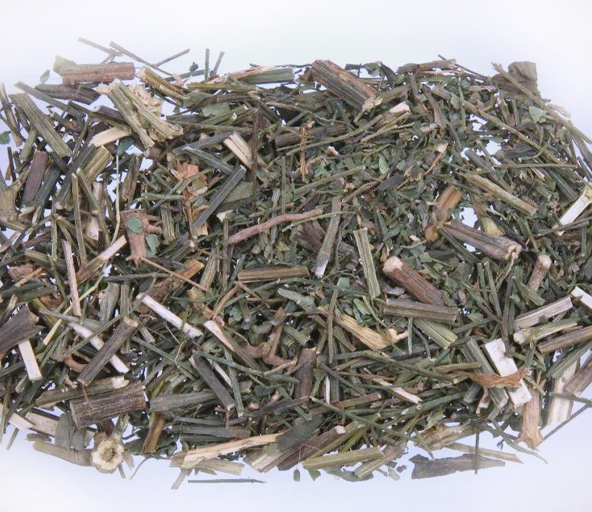
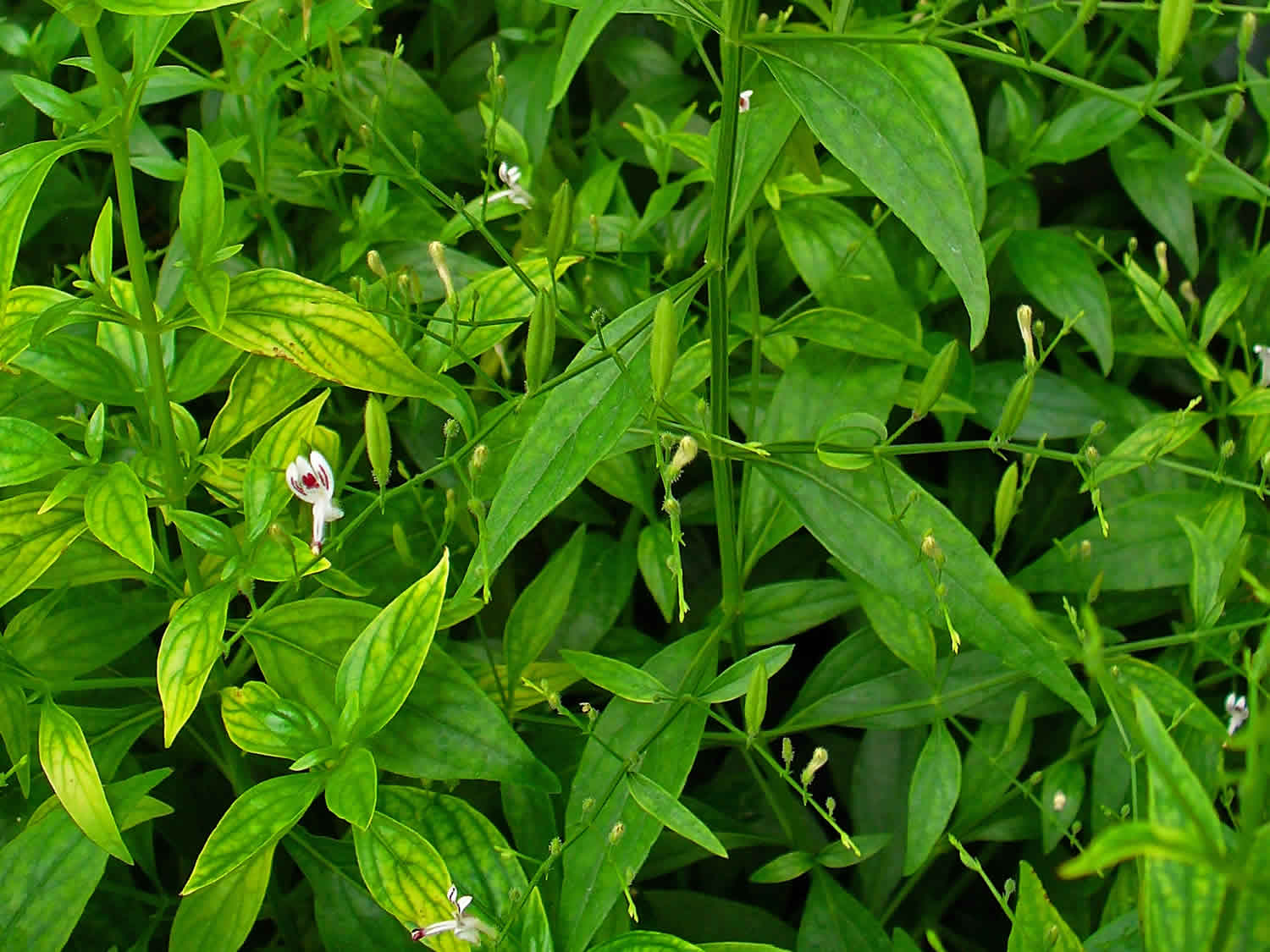
The functions of Chuanxinlian in traditional Chinese medicine include clearing heat and detoxifying, cooling blood, and reducing swelling. Used for colds, fever, sore throat, mouth and tongue sores, intermittent cough, diarrhea and dysentery, heat and sore throat, abscesses and sores, snake and insect bites.

Andrographis (Chuan Xin Lian) Extract Powder 10:1, 20:1, 50:1 TLC
【Other names】: Chuan Xin Lian, Herba Andrographis, Common Andrographis Herb
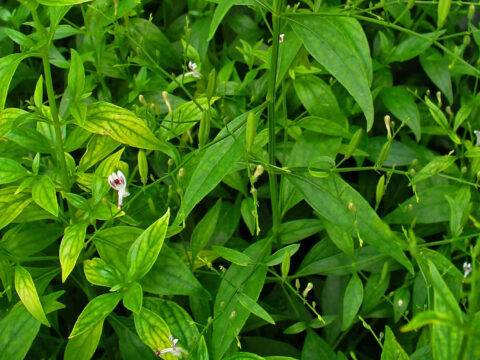
【Botanical source】: Andrographis paniculata(Burm.f.)Nees
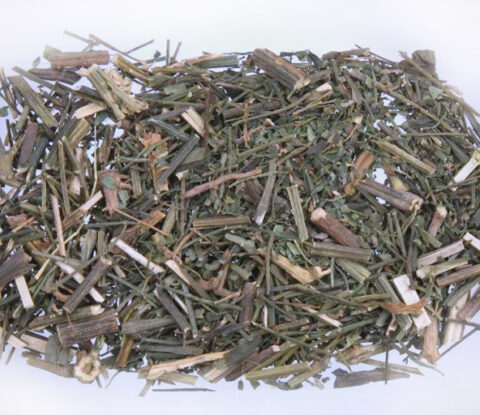
【Part used】: The dry aboveground part of Andrographis paniculata (Burm. f.) Nees, a plant in the family Euphorbiaceae. At the beginning of autumn, when the stems and leaves are lush, they are harvested and dried in the sun.
【Specification】: 10:1, 20:1, 50:1 TLC
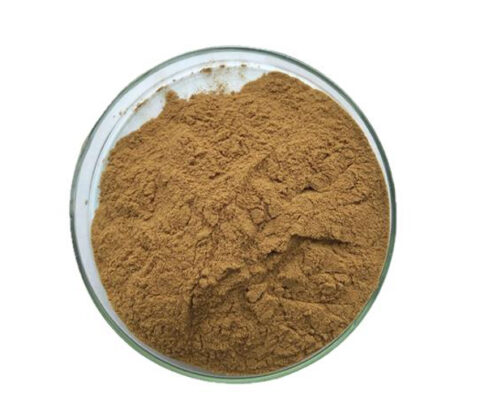
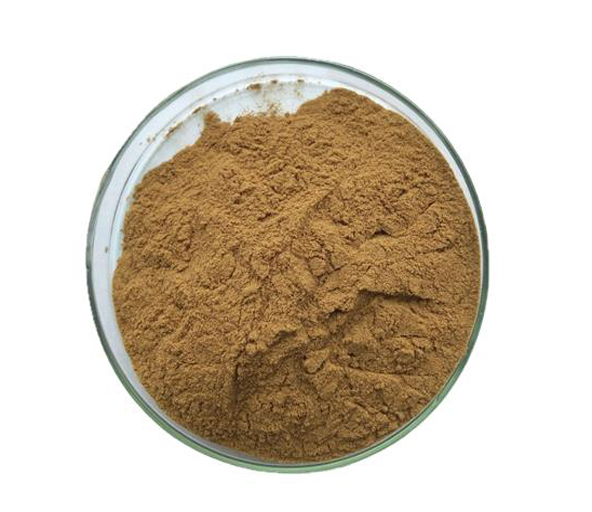
【Appearance】: Brownish yellow fine powder
【Particle size】: 95% pass 80 mesh size
Andrographis (Chuan Xin Lian) Extract Powder Production Flowchart
Andrographis (Chuan Xin Lian) raw materials – natural air drying–Coarse powder(40 mesh) -Low temperature water extraction – 1st Reflux Extraction(10 times water,2 Hrs) – 2nd Reflux Extraction8 times water,1.5 Hrs) – 3rd Reflux Extraction(6 times water,1 Hrs) – Extraction Solution-combine&Filtrate-Concentrate-Extractum-spray drying – screening – packaging – detection of physical and chemical indicators – warehousing
Specification Sheet of Andrographis (Chuan Xin Lian) Extract Powder
| Product name: | Andrographis Extract | ||
| Specification: | 10:1 TLC | ||
| Part used: | Dried whole herb of Andrographis paniculata | ||
| Solvent used: | Hot water | ||
| Process: | Raw materials crushed, extracted, concentrated and spray-dried to powder | ||
| Non GMO according to regulation (EC) 1829/2003 and 1830/2003 or United States requirements. Non allergen according to Directive 2007/68 amending Annex IIIa to Directive 2000/13/EC and US Food allergen labelling and consumer protection act 2004. | |||
| Heavy Metals: | |||
| Lead: | NMT 3ppm | Cadmium: | NMT 1ppm |
| Arsenic: | NMT 2ppm | Mercury: | NMT 1ppm |
| Residual solvents: | Comply to USP | ||
| Pesticides residues: | Conform to Regulation USP<561> | ||
| Microbiology: | |||
| Total plate count: | 10000cfu/g Max | Yeasts and molds: | 1000cfu/g Max |
| E.coli: | Not detected in (g)10 | Salmonella spp.: | Not detected in (g)25 |
| Staphylococcus aureus: | Not detected in (g)10 | Clostridium spp.: | Not Present in 0.1 g of food |
| Organoleptic quality | Method | Specifications | |
| Aspect: | Visual : ( CQ-MO-148) | Powder | |
| Color: | Visual : ( CQ-MO-148) | Brownish | |
| Flavor: | Sensory: (CQ-MO-148) | Characteristic | |
| Analytical quality | Method | Specifications | |
| Identification: | TLC | Conform | |
| Loss on drying: | USP <731> | < 10% | |
| Bulk density: | USP <616> Method I | 40 – 60 g/100mL | |
| Particle size: | Analytical sieving || USP <786> | 100% through 80meshes | |
| Packaging suitable for foodstuff. | |||
Extended Reading
Andrographis (Chuan Xin Lian) Function and Efficacy Recorded in TCM
Andrographis (Chuan Xin Lian), in traditional Chinese medicine theory, has a bitter and cold nature, and belongs to the meridians of the heart, lungs, large intestine, and bladder. Its core function is to clear heat and detoxify, cool blood and reduce swelling, and dry dampness.
The following is a detailed breakdown of its specific function:
1. Clearing heat and detoxifying
This is the most core and powerful function of the lotus root.
Regarding the symptoms:
External wind heat or warm disease: used to treat wind heat colds (symptoms such as severe fever, sore throat, dry mouth, etc.), equivalent to modern medicine’s upper respiratory tract infections, tonsillitis, etc.
Coughing and wheezing caused by excessive heat in the lungs: Treatment for cough, yellow and viscous phlegm caused by excessive heat in the lungs, such as pneumonia, bronchitis, etc.
Throat swelling and pain, mouth and tongue sores: It is effective for severe pharyngitis and oral ulcers caused by heat and toxin attacks.
Ulcer abscess toxin: can be used for purulent infections of skin tissue.
Mechanism: With its extremely strong bitter and cold nature, it directly clears the fire, poison, and heat evil in the human body.
2. Dampness and dryness
Regarding the symptoms:
Damp heat diarrhea: manifested as diarrhea, abdominal pain, urgency, and bloody stools, such as acute enteritis and bacterial dysentery.
Damp heat jaundice: Jaundice caused by damp heat in the liver and gallbladder (yellowing of the skin and eyes), such as acute jaundice hepatitis.
Damp heat betting: can cause symptoms of urinary tract infection, such as frequent urination, short sensation, and painful dripping.
Mechanism: Bitter can dry dampness, cold can clear heat, so Chuanxinlian is particularly good at clearing the pathological product of “damp heat”.
3. Cooling blood and reducing swelling
Regarding the symptoms:
Diseases caused by the invasion of heat toxins into the bloodstream, such as carbuncles, sores, and erysipelas (an acute infection where the skin suddenly turns red and looks like a pill).
Mechanism: On the basis of clearing heat and detoxifying, it can also clear the heat toxins in the blood, thereby playing a role in reducing swelling and relieving pain.
Modern Pharmacological Effects of Andrographis (Chuan Xin Lian)
Andrographis (Chuan Xin Lian) is known as a “natural antibiotic” and its modern pharmacological research is very in-depth and extensive. Its main active ingredients are diterpenoid lactones (such as andrographolide, dehydrated andrographolide, etc.) and flavonoids, which together endow it with various significant pharmacological activities.
The following are the main modern pharmacological effects of Andrographis (Chuan Xin Lian):
1. Anti inflammatory effect
This is one of the most core and thoroughly studied functions of Andrographis (Chuan Xin Lian).
Mechanism: Chuanxinlian lactone can significantly inhibit the production and release of various inflammatory mediators, such as tumor necrosis factor – α (TNF – α), interleukin-6 (IL-6), prostaglandin E2 (PGE2), and nitric oxide (NO). It exerts a powerful anti-inflammatory effect by inhibiting key signaling pathways such as nuclear transcription factor NF – κ B.
Application: This is the basis for its treatment of inflammatory diseases such as respiratory infections (such as tonsillitis, pneumonia), gastroenteritis, etc.
2. Resistance to pathogenic microorganisms
Antibacterial: It has varying degrees of inhibitory effects on various Gram positive and negative bacteria such as Staphylococcus aureus, Streptococcus pyogenes, Shigella, Escherichia coli, etc.
Antiviral: Its effect is particularly prominent. It has certain inhibitory effect on influenza virus, respiratory syncytial virus (RSV), coxsackie virus, hepatitis B virus (HBV), and even human immunodeficiency virus (HIV). Andrographis (Chuan Xin Lian) lactone can interfere with the process of virus replication and assembly.
Application: Widely used for the treatment of viral infections such as influenza and pneumonia.
3. Antipyretic effect
Mechanism: Andrographis (Chuan Xin Lian) can inhibit the production of thermogens (such as interleukin-1 β) in the body and act on the hypothalamic thermoregulatory center, thereby achieving a fever reducing effect.
Application: It has a good antipyretic effect on high fever caused by infectious diseases.
4. Antitumor effect
This is currently a hot research topic.
Mechanism:
Inducing tumor cell apoptosis: Chuanxinlian lactone can activate multiple signaling pathways, promoting programmed cell death in cancer cells.
Inhibiting tumor cell proliferation: interfering with the cell cycle of cancer cells, causing them to stagnate at a certain stage and unable to divide.
Inhibiting tumor angiogenesis: cutting off the “supply line” of the tumor, preventing its growth and metastasis.
Enhance chemotherapy sensitivity: When used in combination with certain chemotherapy drugs, it can have a synergistic effect.
Research direction: It shows potential therapeutic value in lung cancer, liver cancer, breast cancer, colon cancer and other tumor models, but it is still in the pre clinical and clinical research stage.
5. Immune regulatory effect
The effect of Andrographis (Chuan Xin Lian) on the immune system is bidirectionally regulated.
In infectious diseases: it can enhance the phagocytosis of macrophages and natural killer (NK) cells, improve the non-specific immune function of the body, and help eliminate pathogens.
In autoimmune diseases, it can also inhibit excessive T lymphocyte proliferation and inflammatory cytokine storm, exhibiting immunosuppressive effects, and has research potential for diseases such as rheumatoid arthritis.
6. Protecting cardiovascular and cerebrovascular function
Protecting the myocardium: reducing myocardial ischemia-reperfusion injury and having a protective effect on the myocardium.
Anti atherosclerosis: delay the development of atherosclerosis through anti-inflammatory, lowering blood lipid, protecting vascular endothelial cells and other ways.
Antithrombotic: It has a certain anti platelet aggregation effect and can prevent thrombus formation.
7. Hepatoprotective and choleretic effects
It has a protective effect on chemical liver damage (such as caused by drugs or alcohol) and can reduce transaminase levels.
Can promote bile secretion and excretion.