
Apple Fruit Extract Powder 10:1 TLC, Apple Instant Powder
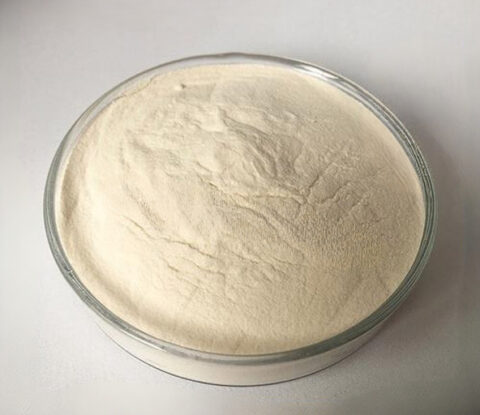
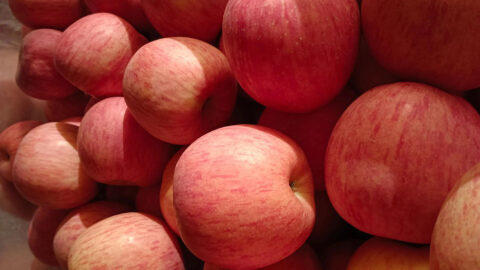


Apple instant powder is rich in active ingredients such as pectin and polyphenols, which have significant antioxidant effects and can scavenge free radicals; Its dietary fiber can effectively regulate gut microbiota and promote digestion; At the same time, it helps to assist in reducing cholesterol, stabilizing postprandial blood sugar, and has positive benefits for cardiovascular health. As a convenient natural source of nutritional supplements, it is suitable for daily health care.

Apple Fruit Extract Powder 10:1, 20:1, 50:1 TLC, Apple Instant Powder
【Botanical source】: Malus pumila Mill.
【Part used】: Fruit
【Specification】: 10:1 TLC, Apple instant powder
【Extraction solvents】: Water
【Appearance】: Light yellow fine powder
【Particle size】: 95% pass 80 mesh size
【Main ingredients】: The main components of apples include soluble dietary fiber (such as pectin), polyphenolic substances (such as quercetin and chlorogenic acid), triterpenoids, vitamin C, and potassium. Its core efficacy can be summarized as follows: pectin and polyphenols work synergistically, effectively regulating gut microbiota and assisting in cholesterol reduction; Strong antioxidant activity helps to resist inflammation and delay cell aging; Meanwhile, its natural ingredients also have a positive impact on cardiovascular protection and stable blood sugar regulation. In addition, apple peels are particularly rich in nutrients, and it is recommended to wash them before consuming them with the peels.
【Storage conditions】:Store at room temperature in a sealed manner, away from light, and in a ventilated, cool, and dry environment.
【Shelf life】: 24 months from the production date

Apple Fruit Extract Powder Production Flowchart
Apple Fruit raw materials -Coarse powder(40 mesh) -Low temperature water extraction – 1st Reflux Extraction(10 times water,2 Hrs) – 2nd Reflux Extraction8 times water,1.5 Hrs) – 3rd Reflux Extraction(6 times water,1 Hrs) – Extraction Solution-combine&Filtrate-Concentrate-Extractum-spray drying – screening – packaging – detection of physical and chemical indicators – warehousing
Specification Sheet of Apple Fruit Extract Powder
| Product name: | Apple Fruit Extract | ||
| Specification: | 10:1 TLC | ||
| Part used: | Fruit of Malus pumila Mill. | ||
| Solvent used: | Water | ||
| Process: | Raw materials crushed, extracted, concentrated and spray-dried to powder | ||
| Non GMO according to regulation (EC) 1829/2003 and 1830/2003 or United States requirements. Non allergen according to Directive 2007/68 amending Annex IIIa to Directive 2000/13/EC and US Food allergen labelling and consumer protection act 2004. | |||
| Heavy Metals: | |||
| Lead: | NMT 3ppm | Cadmium: | NMT 1ppm |
| Arsenic: | NMT 2ppm | Mercury: | NMT 1ppm |
| Residual solvents: | Comply to USP | ||
| Pesticides residues: | Conform to Regulation USP<561> | ||
| Microbiology: | |||
| Total plate count: | 10000cfu/g Max | Yeasts and molds: | 1000cfu/g Max |
| E.coli: | Not detected in (g)10 | Salmonella spp.: | Not detected in (g)25 |
| Staphylococcus aureus: | Not detected in (g)10 | Clostridium spp.: | Not Present in 0.1 g of food |
| Organoleptic quality | Method | Specifications | |
| Aspect: | Visual : ( CQ-MO-148) | Powder | |
| Color: | Visual : ( CQ-MO-148) | Light yellow | |
| Flavor: | Sensory: (CQ-MO-148) | Characteristic | |
| Analytical quality | Method | Specifications | |
| Identification: | TLC | Conform | |
| Loss on drying: | USP <731> | < 10% | |
| Bulk density: | USP <616> Method I | 40 – 60 g/100mL | |
| Particle size: | Analytical sieving || USP <786> | 100% through 80meshes | |
| Packaging suitable for foodstuff. | |||
Extended Reading
Modern Pharmacological Effects of Apple Fruit Extract
Apple fruit extract (AFE), derived primarily from the flesh and skin of apples (Malus domestica), is a rich source of bioactive phytochemicals. These include a diverse range of polyphenols (e.g., chlorogenic acid, phloretin, epicatechin, procyanidins, and quercetin glycosides), triterpenoids (e.g., ursolic acid), and soluble fibers (e.g., pectin). Modern pharmacological research has moved beyond basic nutrition to elucidate its multi-target mechanisms in disease prevention and health promotion.
Key Pharmacological Effects:
- Cardiometabolic Health: AFE is renowned for its beneficial effects on cardiovascular and metabolic parameters. Its soluble fiber (pectin) and polyphenols work synergistically to reduce serum total and LDL-cholesterol by inhibiting intestinal absorption and enhancing excretion. Polyphenols like phloretin and quercetin improve endothelial function by stimulating nitric oxide (NO) production and reduce inflammation in vascular tissues. Furthermore, AFE components inhibit key digestive enzymes (α-amylase, α-glucosidase) and moderate postprandial glucose spikes, aiding in glycemic control.
- Antioxidant & Anti-inflammatory: The polyphenol complex in AFE provides potent direct and indirect antioxidant activity. It scavenges free radicals, upregulates endogenous antioxidant enzymes (e.g., glutathione peroxidase, superoxide dismutase), and reduces markers of oxidative stress. This underpins its broad anti-inflammatory action, mediated through the suppression of pro-inflammatory cytokines (TNF-α, IL-6) and inhibition of the NF-κB and MAPK signaling pathways, relevant in chronic inflammatory conditions.
- Gut Health & Prebiotic Activity: Apple pectin and certain polyphenols that reach the colon intact function as prebiotics, selectively stimulating the growth of beneficial bacteria like Bifidobacteria and Lactobacilli. This modulation of the gut microbiota enhances gut barrier integrity, reduces endotoxin load, and produces beneficial short-chain fatty acids (SCFAs), contributing to systemic metabolic and immune benefits.
- Chemopreventive & Antiproliferative Potential: Numerous in vitro and in vivo studies demonstrate that AFE and its isolated compounds (e.g., phloretin, ursolic acid) exert anticancer effects. Mechanisms include induction of cell cycle arrest and apoptosis in cancer cells (e.g., colon, breast), inhibition of tumor cell proliferation and migration, and suppression of angiogenesis. These effects are attributed to the modulation of multiple signaling pathways, including PI3K/Akt and Wnt/β-catenin.
- Neuroprotective Potential: Emerging evidence suggests that apple polyphenols can cross the blood-brain barrier and exert protective effects against neurodegenerative diseases. They reduce oxidative stress and neuroinflammation in the brain, inhibit the aggregation of pathogenic proteins like β-amyloid, and improve cognitive function in animal models of aging and Alzheimer’s disease.
- Hepatoprotective & Anti-obesity Effects: AFE helps protect the liver from steatosis (fatty liver) induced by high-fat diets, reducing hepatic lipid accumulation and inflammation. Compounds like ursolic acid are studied for their ability to increase skeletal muscle mass and brown adipose tissue activity, promoting energy expenditure and offering a potential anti-obesity strategy.
Conclusion
Apple fruit extract is a potent, multi-functional phytochemical blend with scientifically validated effects extending from metabolic and cardiovascular protection to gut microbiota modulation and cancer cell inhibition. Its broad-spectrum activity, driven by the synergy of its numerous compounds, solidifies its role as a cornerstone in nutritional preventive medicine and a valuable source for nutraceutical development.
References
- Boyer, J., & Liu, R. H. (2004). Apple phytochemicals and their health benefits. Nutrition Journal, 3(1), 5.
- Hyson, D. A. (2011). A comprehensive review of apples and apple components and their relationship to human health. Advances in Nutrition, 2(5), 408-420.
- Koutsos, A., Tuohy, K. M., & Lovegrove, J. A. (2015). Apples and cardiovascular health—is the gut microbiota a core consideration? Nutrients, 7(6), 3959-3998.
- Murakami, Y., Kawata, A., Ito, S., Katayama, T., & Fujisawa, S. (2015). The radical scavenging activity and cytotoxicity of phloretin, a polyphenol from apple, and its effect on skin. In Vivo, 29(4), 443-450.
- Perez-Cornago, A., & Schwingshackl, L. (2022). Apple intake and risk of cancer: A systematic review and meta-analysis of observational studies. Public Health Nutrition, 25(9), 1-12. (Example of epidemiological research).
- Shoji, T., & Miki, T. (2019). Apple polyphenols in cancer prevention and anti-obesity. In Polyphenols: Prevention and Treatment of Human Disease (pp. 63-73). Academic Press.
- Tamargo, A., et al. (2022). Apple peel polyphenols: A key factor in the prevention of obesity-associated gut dysbiosis and inflammation. Food & Function, 13(2), 698-710.
- Vergara-Jimenez, M., et al. (2020). Bioactive compounds and antioxidant activity from apple peels and flesh as influenced by different solvents. International Journal of Food Properties, 23(1), 2013-2027.
- Wang, X., Ouyang, Y., Liu, J., Zhu, M., Zhao, G., Bao, W., & Hu, F. B. (2014). Fruit and vegetable consumption and mortality from all causes, cardiovascular disease, and cancer: systematic review and dose-response meta-analysis of prospective cohort studies. BMJ, 349, g4490. (Contextual epidemiological evidence).
- Yao, R., et al. (2021). Ursolic acid from apple pomace: A potential bioactive compound for the prevention and treatment of metabolic syndrome. Trends in Food Science & Technology, 118, 785-796.
Note: This summary is for informational purposes. It may interact with medications and is contraindicated in certain conditions. Consult a healthcare professional before therapeutic use, particularly regarding its estrogenic activity.