
Apricot Fruit Extract Powder 10:1 TLC, Apricot Instant Powder
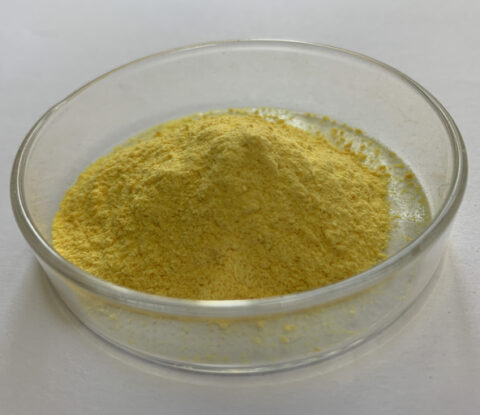
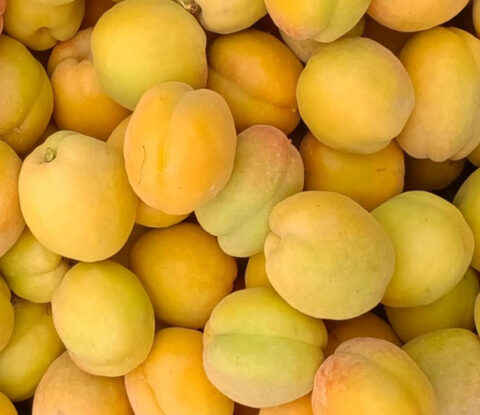


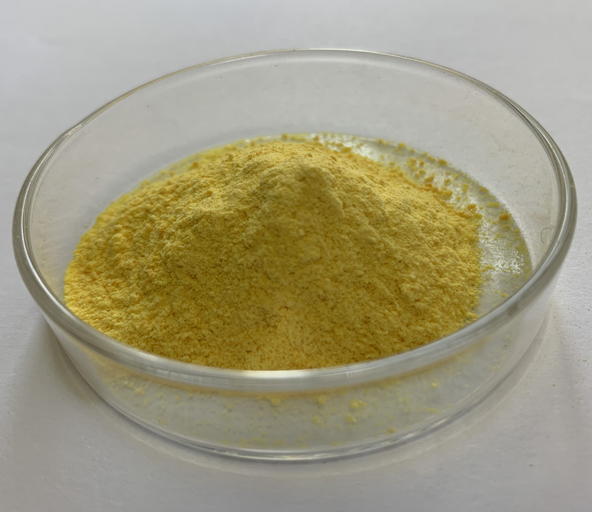

The main components of apricot instant powder are fructose, glucose, maltodextrin, retained dietary fiber, vitamin C, and trace carotenoids. Its core bioactive components (such as polyphenols and rich beta carotene) are easily lost during processing, and their efficacy is significantly reduced compared to fresh fruits. They are mainly used as a convenient source of flavor and basic nutritional supplement.

Apricot Fruit Extract Powder 10:1 TLC, Apricot Instant Powder
【Botanical source】: Prunus armeniaca L.
【Part used】: Fruit
【Specification】: 10:1TLC, Apricot Instant Powder
【Extraction solvents】: Water
【Appearance】: Light yellow fine powder
【Particle size】: 95% pass 80 mesh size
【Main ingredients】: Apricot is rich in beta carotene, vitamin C/E, and polyphenols, which have strong antioxidant effects and help protect vision and skin health. Its dietary fiber can promote intestinal peristalsis, while natural active ingredients have soothing benefits for the respiratory system and potential protective effects on cardiovascular metabolism.
【Storage conditions】:Store at room temperature in a sealed manner, away from light, and in a ventilated, cool, and dry environment.
【Shelf life】: 24 months from the production date
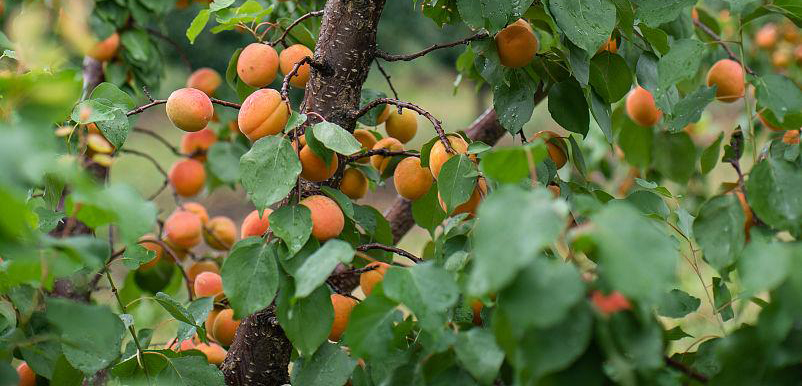
Apricot Fruit Extract Powder Production Flowchart
Apricot Fruit raw materials -Coarse powder(40 mesh) -Low temperature water extraction – 1st Reflux Extraction(10 times water,2 Hrs) – 2nd Reflux Extraction8 times water,1.5 Hrs) – 3rd Reflux Extraction(6 times water,1 Hrs) – Extraction Solution-combine&Filtrate-Concentrate-Extractum-spray drying – screening – packaging – detection of physical and chemical indicators – warehousing
Specification Sheet of Apricot Fruit Extract Powder
| Product name: | Apricot Fruit Extract | ||
| Specification: | 10:1 TLC | ||
| Part used: | Fruit of Prunus armeniaca L. | ||
| Solvent used: | Water | ||
| Process: | Raw materials crushed, extracted, concentrated and spray-dried to powder | ||
| Non GMO according to regulation (EC) 1829/2003 and 1830/2003 or United States requirements. Non allergen according to Directive 2007/68 amending Annex IIIa to Directive 2000/13/EC and US Food allergen labelling and consumer protection act 2004. | |||
| Heavy Metals: | |||
| Lead: | NMT 3ppm | Cadmium: | NMT 1ppm |
| Arsenic: | NMT 2ppm | Mercury: | NMT 1ppm |
| Residual solvents: | Comply to USP | ||
| Pesticides residues: | Conform to Regulation USP<561> | ||
| Microbiology: | |||
| Total plate count: | 10000cfu/g Max | Yeasts and molds: | 1000cfu/g Max |
| E.coli: | Not detected in (g)10 | Salmonella spp.: | Not detected in (g)25 |
| Staphylococcus aureus: | Not detected in (g)10 | Clostridium spp.: | Not Present in 0.1 g of food |
| Organoleptic quality | Method | Specifications | |
| Aspect: | Visual : ( CQ-MO-148) | Powder | |
| Color: | Visual : ( CQ-MO-148) | Red purple | |
| Flavor: | Sensory: (CQ-MO-148) | Characteristic | |
| Analytical quality | Method | Specifications | |
| Identification: | TLC | Conform | |
| Loss on drying: | USP <731> | < 10% | |
| Bulk density: | USP <616> Method I | 40 – 60 g/100mL | |
| Particle size: | Analytical sieving || USP <786> | 100% through 80meshes | |
| Packaging suitable for foodstuff. | |||
Extended Reading
Modern Pharmacological Effects of Apricot Extract
Apricot extract, derived from the fruit (Prunus armeniaca L.), kernels, and leaves, is a rich source of bioactive compounds. These include carotenoids (notably β-carotene, lycopene), phenolic acids (chlorogenic, neochlorogenic acid), flavonoids (quercetin, catechin), vitamins (A, C, E), and amygdalin (in kernels). Modern pharmacological research supports its transition from a nutritious food to a source of therapeutic agents with multi-system benefits.
Key Pharmacological Effects:
- Antioxidant & Anti-inflammatory: The high concentration of carotenoids and polyphenols confers powerful free radical scavenging and metal chelating activities, significantly reducing oxidative stress. This directly mediates its anti-inflammatory effects, which involve suppressing the production of pro-inflammatory cytokines (TNF-α, IL-1β, IL-6) and modulating the NF-κB and MAPK signaling pathways, relevant for chronic inflammatory conditions.
- Hepatoprotective: Apricot extract demonstrates significant protection against liver injury induced by chemicals, drugs, or high-fat diets. It reduces serum levels of liver enzymes (ALT, AST), decreases hepatic lipid peroxidation, and enhances endogenous antioxidant defenses (SOD, CAT, GSH), showing promise for managing non-alcoholic fatty liver disease (NAFLD).
- Cardioprotective & Anti-atherogenic: By combining antioxidant, anti-inflammatory, and lipid-modulating actions, the extract supports cardiovascular health. It helps improve lipid profiles by reducing total cholesterol, triglycerides, and LDL-C while increasing HDL-C. It also inhibits the oxidation of LDL cholesterol, a key step in atherogenesis, and may promote endothelial function.
- Chemopreventive & Antiproliferative: In vitro and in vivo studies indicate that apricot kernel extracts (with controlled amygdalin content) and fruit phenolics exhibit antitumor potential. Mechanisms include induction of apoptosis, inhibition of cancer cell proliferation (e.g., colon, breast, cervical), cell cycle arrest, and suppression of angiogenesis, primarily attributed to amygdalin’s metabolic products and polyphenols.
- Ocular & Skin Health: The high β-carotene (a precursor of vitamin A) and lutein content are crucial for maintaining visual function and protecting against age-related macular degeneration. Topically, apricot kernel oil and extracts show moisturizing, anti-inflammatory, and UV-protective properties, aiding in skin barrier repair and health.
- Gastroprotective & Prebiotic: The extract exhibits protective effects against gastric ulcers, reducing gastric acid secretion and strengthening the mucosal barrier. Its dietary fiber and certain polyphenols may act as prebiotics, supporting the growth of beneficial gut bacteria and contributing to gastrointestinal health.
- Antidiabetic Potential: Apricot extracts show anti-hyperglycemic effects by inhibiting carbohydrate-digesting enzymes (α-amylase, α-glucosidase), thereby slowing glucose absorption. They also improve insulin sensitivity and protect pancreatic β-cells from oxidative stress.
Conclusion
Apricot extract is a pharmacologically active natural product with a broad spectrum of effects, most notably in hepatoprotection, cardiovascular support, and cancer prevention. The synergy between its carotenoids, polyphenols, and unique compounds like amygdalin (used with caution) underlies its therapeutic potential. It holds significant promise as an adjunct in preventive strategies against oxidative stress-driven chronic diseases.
References
- Ali, S., et al. (2011). Apricot: Phytochemical composition and health benefits – a review. Journal of Food Science and Technology, 48(6), 617–629.
- Guo, Y., et al. (2019). Hepatoprotective effects of apricot extract on carbon tetrachloride-induced liver damage in rats. Food & Function, 10(7), 4143–4153.
- Hacıseferoğulları, H., et al. (2007). Some physical and chemical properties of apricot varieties grown in Turkey. Journal of Food Engineering, 79(4), 1216–1221. (Provides compositional context).
- Mandal, S., et al. (2018). Amygdalin and its anticancer potential: A review. Phytotherapy Research, 32(1), 25-37.
- Mihaylova, D., et al. (2021). Antioxidant and enzyme inhibitory activities of apricot (Prunus armeniaca L.) fruit and kernel. Molecules, 26(15), 4555.
- Pintea, A., et al. (2011). HPLC analysis of carotenoids in four varieties of Prunus armeniaca L. from Romania. *Notulae Botanicae Horti Agrobotanici Cluj-Napoca, 39*(1), 123–128.
- Radi, M. F., et al. (2020). Apricot kernel extract protects against high-fat diet-induced hepatic steatosis and insulin resistance in mice by regulating adipokine expression. Journal of Nutritional Biochemistry, 84, 108458.
- Sharma, P. C., et al. (2014). Biological activities of apricot (Prunus armeniaca L.): A review. Plant Archives, 14(1), 1-12.
- Yurt, B., & Celik, I. (2011). Hepatoprotective effect and antioxidant role of apricot (Prunus armeniaca L.) kernel against acute carbon tetrachloride-induced liver damage in rats. African Journal of Biotechnology, 10(82), 19039-19045.
- Zengin, G., et al. (2020). Multiple pharmacological approaches on Prunus armeniaca L. (apricot) and Punica granatum L. (pomegranate) extracts. Industrial Crops and Products, 151, 112469.
Note: This summary is for informational purposes. It may interact with medications and is contraindicated in certain conditions. Consult a healthcare professional before therapeutic use, particularly regarding its estrogenic activity.