
Sweet Wormwood(Artemisia Annua) Extract Powder 10:1, 20:1, 50:1 TLC
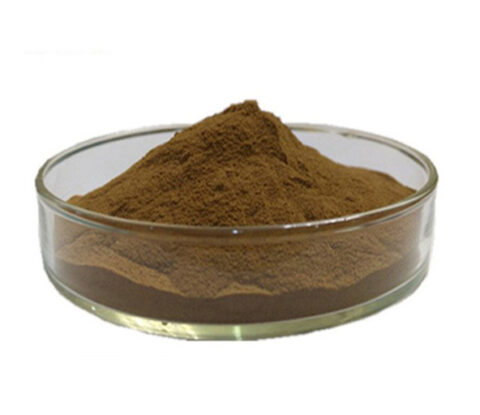


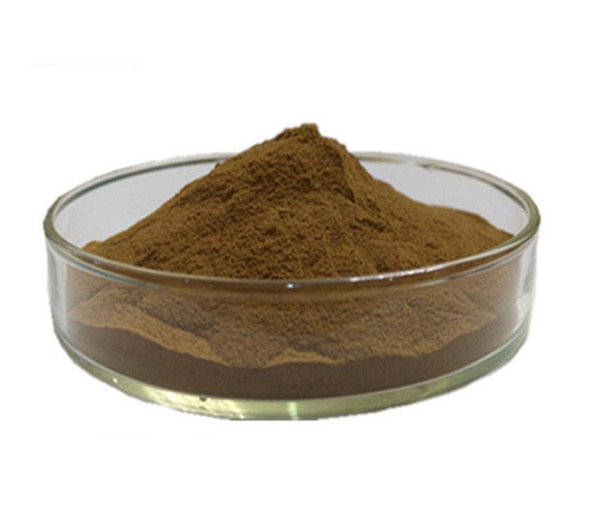
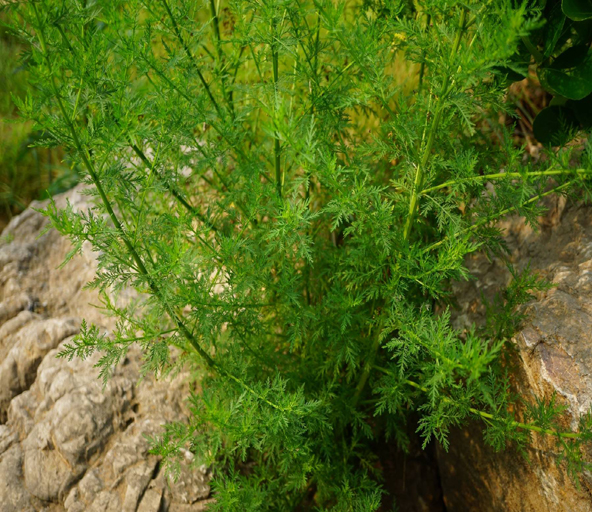
Artemisia annua L., the authentic base plant of the traditional Chinese medicine Artemisia annua, is cold in nature, bitter and pungent in taste, and belongs to the liver and gallbladder meridian. The core efficacy is to clear heat, relieve summer heat, and intercept malaria. It is rich in artemisinin, which is a globally recognized effective anti malaria ingredient and has a quick effect on malignant malaria. Modern research also shows that it has multiple pharmacological activities such as anti-inflammatory, antiviral (such as influenza virus), immune regulation, and anti-tumor effects. People with spleen and stomach deficiency and cold should take it with caution.

Sweet Wormwood(Artemisia Annua) Extract Powder 10:1, 20:1, 50:1 TLC
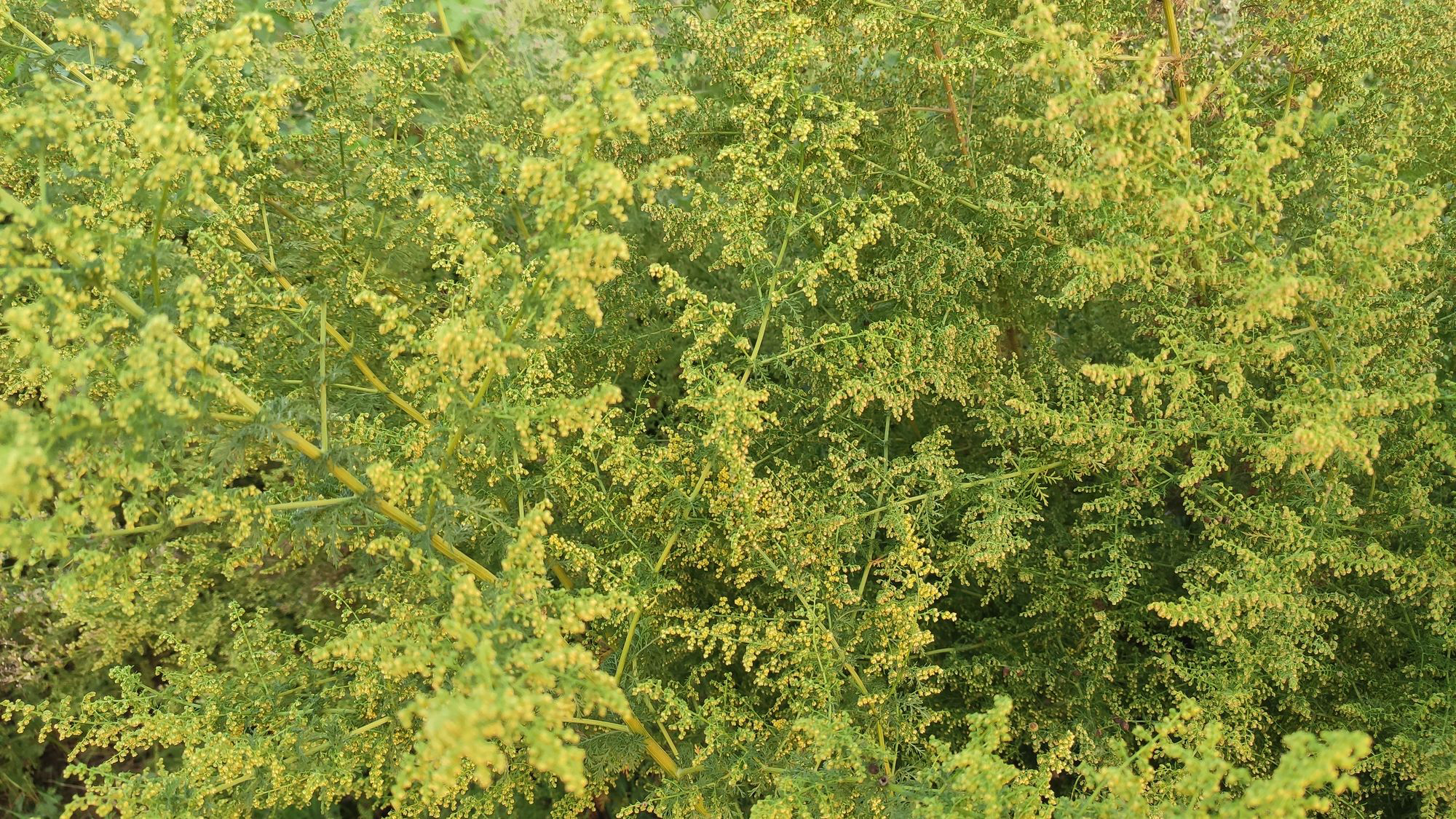
【Botanical source】: Artemisia annua L.
【Part used】: Root
【Specification】: 10:1, 20:1, 50:1 TLC
【Extraction solvents】: Water
【Appearance】: Brownish fine powder
【Particle size】: 95% pass 80 mesh size
【Main ingredients】: Sweet Wormwood(Artemisia Annua) mainly contains sesquiterpenoid lactones (such as artemisinin and dihydroartemisinin), flavonoids (such as quercetin), volatile oils, and coumarins. Artemisinin and its derivatives are the core components of its antimalarial properties, possessing unique peroxide groups that can efficiently kill malaria parasites. Other ingredients also contribute to a wide range of pharmacological activities such as anti-inflammatory, antiviral, and immune regulation.
【Storage conditions】:Store at room temperature in a sealed manner, away from light, and in a ventilated, cool, and dry environment.
【Shelf life】: 24 months from the production date
Sweet Wormwood(Artemisia Annua) Extract Powder Production Flowchart
Sweet Wormwood(Artemisia Annua) raw materials -Coarse powder(40 mesh) -Low temperature water extraction – 1st Reflux Extraction(10 times water,2 Hrs) – 2nd Reflux Extraction8 times water,1.5 Hrs) – 3rd Reflux Extraction(6 times water,1 Hrs) – Extraction Solution-combine&Filtrate-Concentrate-Extractum-spray drying – screening – packaging – detection of physical and chemical indicators – warehousing
Specification Sheet of Sweet Wormwood(Artemisia Annua) Extract Powder
| Product name: | Sweet Wormwood(Artemisia Annua) Extract | ||
| Specification: | 10:1 TLC | ||
| Part used: | Whole herb of Artemisia annua L. | ||
| Solvent used: | Water | ||
| Process: | Raw materials crushed, extracted, concentrated and spray-dried to powder | ||
| Non GMO according to regulation (EC) 1829/2003 and 1830/2003 or United States requirements. Non allergen according to Directive 2007/68 amending Annex IIIa to Directive 2000/13/EC and US Food allergen labelling and consumer protection act 2004. | |||
| Heavy Metals: | |||
| Lead: | NMT 3ppm | Cadmium: | NMT 1ppm |
| Arsenic: | NMT 2ppm | Mercury: | NMT 1ppm |
| Residual solvents: | Comply to USP | ||
| Pesticides residues: | Conform to Regulation USP<561> | ||
| Microbiology: | |||
| Total plate count: | 10000cfu/g Max | Yeasts and molds: | 1000cfu/g Max |
| E.coli: | Not detected in (g)10 | Salmonella spp.: | Not detected in (g)25 |
| Staphylococcus aureus: | Not detected in (g)10 | Clostridium spp.: | Not Present in 0.1 g of food |
| Organoleptic quality | Method | Specifications | |
| Aspect: | Visual : ( CQ-MO-148) | Powder | |
| Color: | Visual : ( CQ-MO-148) | Brownish | |
| Flavor: | Sensory: (CQ-MO-148) | Characteristic | |
| Analytical quality | Method | Specifications | |
| Identification: | TLC | Conform | |
| Loss on drying: | USP <731> | < 10% | |
| Bulk density: | USP <616> Method I | 40 – 60 g/100mL | |
| Particle size: | Analytical sieving || USP <786> | 100% through 80meshes | |
| Packaging suitable for foodstuff. | |||
Extended Reading
Modern Research on Sweet Wormwood (Artemisia annua) Extract
- Chemical Components:
The plant is renowned for its complex phytochemistry. The most critical compound is the sesquiterpene lactone artemisinin, which contains a unique endoperoxide bridge essential for its bioactivity. Other significant constituents include flavonoids(e.g., artemetin, chrysosplenetin), coumarins, volatile oils(camphor, pinene), and other terpenoids. Many flavonoids are studied for their role in enhancing artemisinin’s bioavailability and anti-parasitic activity. - Documented Health Benefits (Pharmacological Actions):
- Antimalarial: Artemisinin and its semi-synthetic derivatives (dihydroartemisinin, artemether, artesunate) are first-line treatments for uncomplicated Plasmodium falciparum malaria. They act rapidly by generating free radicals upon cleavage of the endoperoxide bridge in the presence of intraparasitic iron, causing oxidative damage to parasitic proteins.
- Antiviral: Extracts and artemisinin derivatives show broad-spectrum activity in vitro against viruses including SARS-CoV-2 (inhibiting replication), cytomegalovirus (CMV), hepatitis B and C viruses. The anti-inflammatory effects may also ameliorate viral infection complications.
- Anti-inflammatory & Immunomodulatory: Artemisinin compounds inhibit key signaling pathways (NF-κB, MAPK, STAT3) and reduce pro-inflammatory cytokines (TNF-α, IL-6), showing therapeutic potential in autoimmune diseases like lupus and arthritis, and in reducing inflammation-induced tissue damage.
- Anticancer: Artemisinin derivatives demonstrate selective toxicity toward cancer cells in vitro and in animal models, inducing apoptosis, ferroptosis (iron-dependent cell death), cell cycle arrest, and inhibiting angiogenesis. Clinical trials for adjunct cancer therapy are ongoing.
- Antibacterial & Antifungal: Exhibits activity against a range of bacteria, including drug-resistant strains like MRSA, and fungi such as Candida albicans.
III. Interactions, Taboos, and Warnings:
- Drug Interactions:
- Anticoagulants/Antiplatelets: May increase risk of bleeding, especially with artesunate.
- Strong Cytochrome P450 Inducers/Inhibitors: Artemisinin metabolism involves CYP enzymes (e.g., CYP2B6, CYP3A4); drugs affecting these enzymes may alter its efficacy or toxicity.
- Other Antimalarials: Used in combination therapy to prevent resistance.
- Contraindications (Taboo): Pregnancy (first trimester) unless treating severe malaria, due to potential embryotoxicity in animal studies. Avoid in individuals with known hypersensitivity to Asteraceae/Compositae plants.
- Warnings/Side Effects: Artemisinin derivatives are generally safe but can cause dizziness, tinnitus, nausea, and transient neutropenia. Monotherapy or subtherapeutic doses are strongly discouraged to prevent development of artemisinin-resistant malaria parasites.
- Applications:
- Pharmaceutical: The cornerstone of Artemisinin-based Combination Therapies (ACTs) for global malaria treatment. Artemisinin derivatives are also under investigation in clinical trials for cancer, viral infections, and autoimmune diseases.
- Herbal Supplements: Used in non-standardized capsules/tinctures for immune support, though efficacy for non-malarial indications is less established and quality varies.
- Traditional Medicine: Used in Traditional Chinese Medicine (TCM) for fever, inflammation, and malaria for centuries.
- Agricultural/Veterinary: Explored as a natural antiparasitic agent in livestock.
References
- Tu, Y. (2011). The discovery of artemisinin (qinghaosu) and gifts from Chinese medicine. Nature Medicine, 17(10), 1217–1220.
- World Health Organization (WHO). (2021). Guidelines for the treatment of malaria (4th ed.). Geneva.
- Efferth, T., et al. (2021). Towards the use of artemisinin derivatives against SARS-CoV-2 infection. Phytomedicine, 91, 153713.
- Li, Y. (2012). Qinghaosu (artemisinin): chemistry and pharmacology. Acta Pharmacologica Sinica, 33(9), 1141–1146.
- Ho, W. E., Peh, H. Y., Chan, T. K., & Wong, W. S. (2014). Artemisinin: pharmacological actions beyond anti-malarial. Pharmacology & Therapeutics, 142(1), 126–139.
- Krishna, S., et al. (2008). Artemisinins: mechanisms of action and potential for resistance. Drug Resistance Updates, 11(3), 81–91.
- European Medicines Agency (EMA). (2006). Assessment report on Artemisia annua L., herba.
Note: This summary is for informational purposes. It may interact with medications and is contraindicated in certain conditions. Consult a healthcare professional before therapeutic use, particularly regarding its estrogenic activity.