
Artichoke Extract Powder Cynarin ≥ 2.5%, 5% UV; 10:1, 20:1 TLC
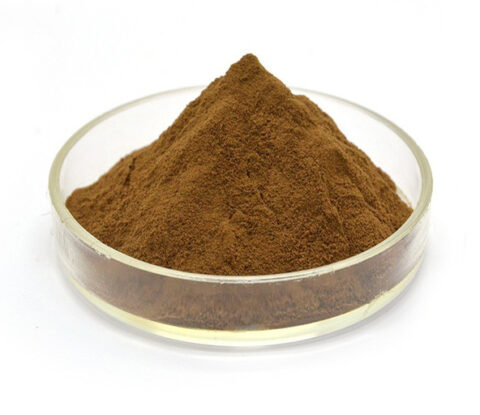
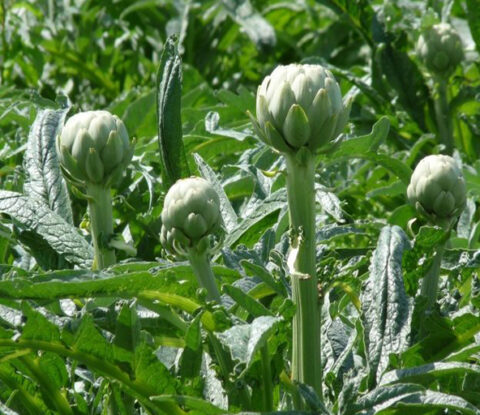


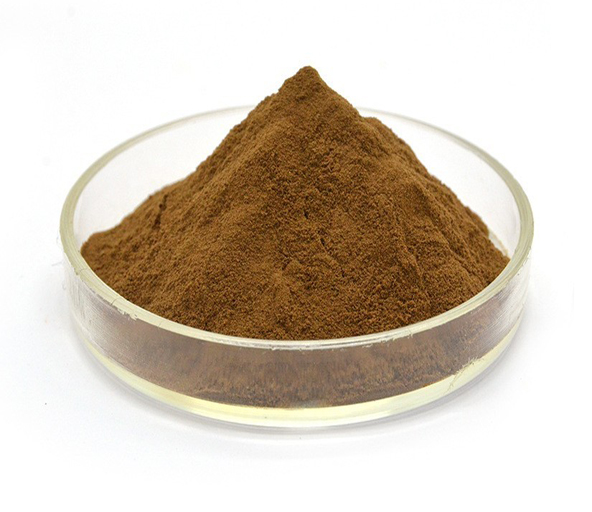
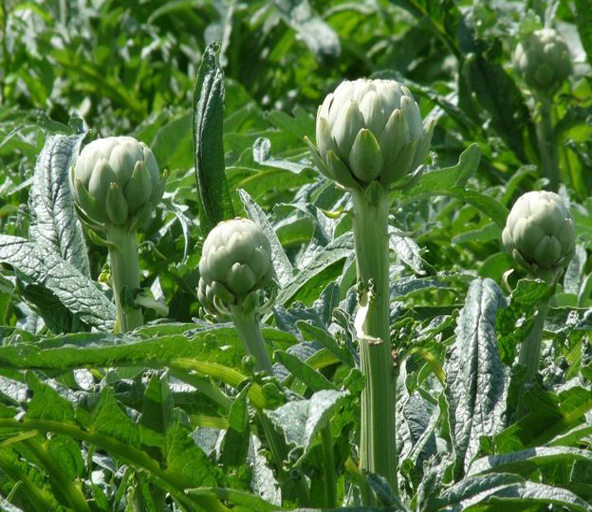
The main components of Artichoke Extract are polyphenols and flavonoids such as oxalic acid and chlorogenic acid, which have antioxidant, lipid metabolism regulating, and liver protective effects. They are widely used in the fields of medicine, health products, and food additives.

Artichoke Extract Powder 10:1, 20:1 TLC
【Botanical source】: Cynara scolymus L
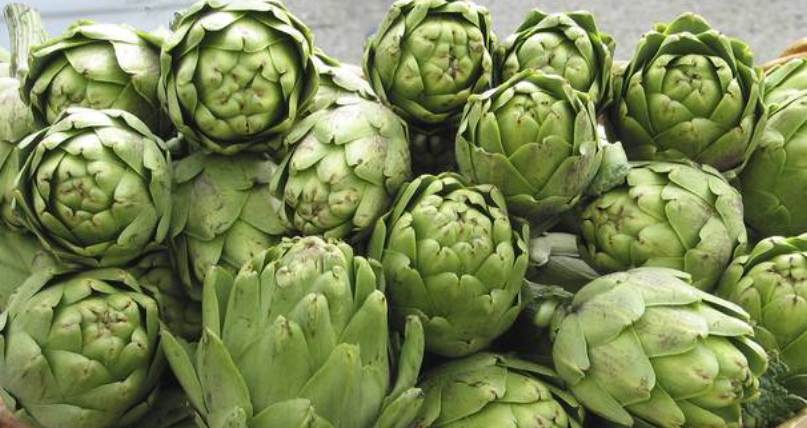
【Part used】: Whole herb of Cynara scolymus L., also known as the Atlantic Thistle or Chrysanthemum Thistle, is a perennial herbaceous plant in the Asteraceae family. It is named “French Lily” because its flower buds resemble lilies. China was introduced from France in the 19th century and planted in the French Concession in Shanghai, with a cultivation history of over 100 years.
【Specification】: Cynarin ≥ 2.5%, 5% UV; 10:1 20:1 TLC
【Appearance】: Brownish yellow fine powder
【Extraction solvents】: Water
【Particle size】: 95% pass 80 mesh size
【Main ingredients】: The edible part of the Artichoke flower ball contains a variety of nutrients, including high protein, calcium, and phosphorus content, as well as a significant amount of inulin. Polyphenols, flavonoids, and other functional compounds such as jasmonic acid and chlorogenic acid are not only present in flower bulbs, but also in higher concentrations in leaves.
Artichoke Extract Extract Powder Production Flowchart
Artichoke raw materials -Coarse powder(40 mesh) -Low temperature water extraction – 1st Reflux Extraction(10 times water,2 Hrs) – 2nd Reflux Extraction8 times water,1.5 Hrs) – 3rd Reflux Extraction(6 times water,1 Hrs) – Extraction Solution-combine&Filtrate-Concentrate-Extractum-spray drying – screening – packaging – detection of physical and chemical indicators – warehousing
Specification Sheet of Artichoke Extract Powder
| Product name: | Artichoke Extract | ||
| Specification: | 10:1 TLC | ||
| Part used: | Leaves of Aloe barbadensis Mill | ||
| Solvent used: | Water | ||
| Process: | Raw materials crushed, extracted, concentrated and spray-dried to powder | ||
| Non GMO according to regulation (EC) 1829/2003 and 1830/2003 or United States requirements. Non allergen according to Directive 2007/68 amending Annex IIIa to Directive 2000/13/EC and US Food allergen labelling and consumer protection act 2004. | |||
| Heavy Metals: | |||
| Lead: | NMT 3ppm | Cadmium: | NMT 1ppm |
| Arsenic: | NMT 2ppm | Mercury: | NMT 1ppm |
| Residual solvents: | Comply to USP | ||
| Pesticides residues: | Conform to Regulation USP<561> | ||
| Microbiology: | |||
| Total plate count: | 10000cfu/g Max | Yeasts and molds: | 1000cfu/g Max |
| E.coli: | Not detected in (g)10 | Salmonella spp.: | Not detected in (g)25 |
| Staphylococcus aureus: | Not detected in (g)10 | Clostridium spp.: | Not Present in 0.1 g of food |
| Organoleptic quality | Method | Specifications | |
| Aspect: | Visual : ( CQ-MO-148) | Powder | |
| Color: | Visual : ( CQ-MO-148) | Brownish yellow | |
| Flavor: | Sensory: (CQ-MO-148) | Characteristic | |
| Analytical quality | Method | Specifications | |
| Identification: | TLC | Conform | |
| Loss on drying: | USP <731> | < 10% | |
| Bulk density: | USP <616> Method I | 40 – 60 g/100mL | |
| Particle size: | Analytical sieving || USP <786> | 100% through 80meshes | |
| Packaging suitable for foodstuff. | |||
Extended Reading
Modern Pharmacological Effects of Artichoke Extract
Based on current scientific literature, here is a summary of the modern pharmacological research on artichoke (Cynara scolymus L.):
- Key Bioactive Compounds
The primary pharmacologically active constituents are concentrated in the leaves and include:
- Phenolic acids: Cynarin (1,5-dicaffeoylquinic acid) and chlorogenic acid, along with other caffeoylquinic derivatives.
- Flavonoids: Luteolin and its glycosides (e.g., luteolin-7-O-glucoside).
- Sesquiterpene lactones.
- Dietary fibers: Notably inulin, a fructan-type prebiotic.
- Main Pharmacological Activities & Mechanisms
- Hepatoprotective and Choleretic Effects
- Mechanism: Cynarin and flavonoids potently stimulate bile synthesis and secretion (choleretic effect). They also exhibit antioxidant activity, protecting hepatocytes from toxins and lipid peroxidation.
- Evidence: Clinical studies show improvements in liver function markers (e.g., ALT, AST, GGT) in conditions like dyspepsia and non-alcoholic fatty liver disease (NAFLD).
- Hypolipidemic and Anti-atherogenic Effects
- Mechanism: Inhibits cholesterol biosynthesis (via HMG-CoA reductase modulation) and increases cholesterol excretion via bile. Antioxidants may prevent LDL oxidation.
- Evidence: Meta-analyses of RCTs indicate significant reductions in total cholesterol and LDL-C, with modest effects on triglycerides and HDL-C.
- Antioxidant and Anti-inflammatory Activities
- Mechanism: Compounds scavenge free radicals (ROS), upregulate endogenous antioxidants (e.g., glutathione), and inhibit pro-inflammatory pathways (e.g., NF-κB, COX-2).
- Evidence: Well-documented in in vitro and animal models; contributes to systemic benefits.
- Digestive Health & Irritable Bowel Syndrome (IBS) Relief
- Mechanism: Bile stimulation aids fat digestion, reducing dyspeptic symptoms (bloating, pain). Prebiotic inulin promotes beneficial gut microbiota.
- Evidence: Extracts are effective in relieving symptoms of functional dyspepsia and IBS, particularly constipation-predominant forms.
- Hypoglycemic Potential
- Mechanism: May improve insulin sensitivity, inhibit α-glucosidase (delaying carbohydrate absorption), and exert protective effects on pancreatic β-cells.
- Evidence: Promising in animal and in vitro studies; human clinical data are preliminary but supportive.
- Other Investigated Effects
- Cardioprotective: Beyond lipid-lowering, may improve endothelial function.
- Antiproliferative: In vitro studies show cytotoxic effects on certain cancer cell lines (e.g., leukemia, breast cancer), primarily attributed to flavonoids.
- Clinical Applications & Safety
- Approved Uses: In the EU (e.g., Commission E, ESCOP), standardized leaf extracts are approved for dyspeptic disorders and as an adjunct for hyperlipidemia.
- Safety Profile: Generally well-tolerated. Mild, transient GI side effects are possible. Contraindicated in individuals with bile duct obstruction, gallstones, or known allergy to Asteraceae/Compositae plants.
- Drug Interactions: Potential interaction with anticoagulants/antiplatelets due to vitamin K content; theoretical interaction with lipid-lowering drugs (additive effect).
- Research Gaps & Future Directions
- Larger, long-term, and rigorously designed RCTs are needed to confirm efficacy for specific indications (e.g., NAFLD, prediabetes).
- Standardization of extracts based on key active markers (e.g., caffeoylquinic acids) is crucial for reproducible effects.
- More research on synergistic interactions between its multiple constituents (“entourage effect”).
Conclusion
Modern pharmacological research substantiates the traditional uses of artichoke, particularly for digestive support, liver health, and mild-to-moderate hypercholesterolemia. Its therapeutic benefits are attributed to a synergy of choleretic, antioxidant, anti-inflammatory, and prebiotic activities. While promising, it is generally considered a complementary or adjunctive therapy rather than a replacement for first-line pharmaceutical treatments.