
Ashwagandha Extract Powder 10:1, 20:1, 50:1 TLC
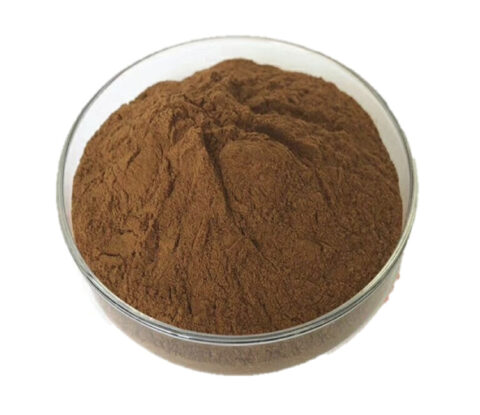


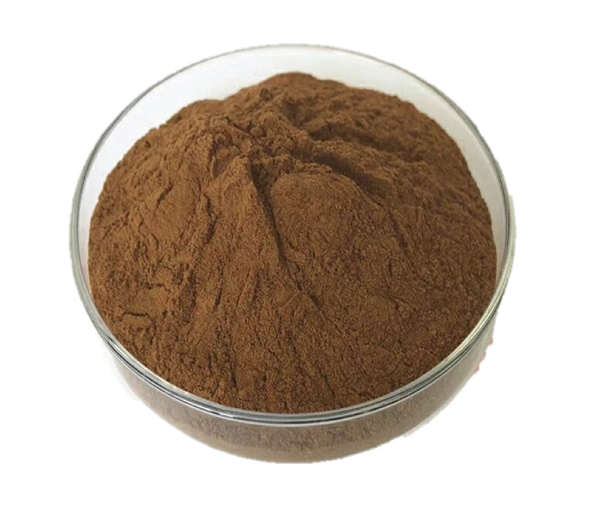
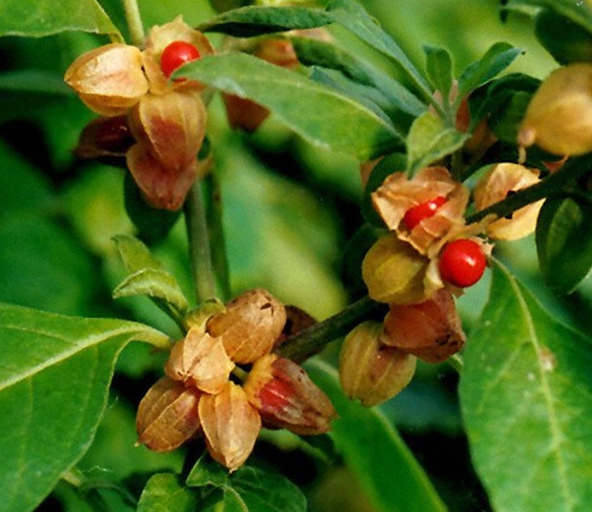
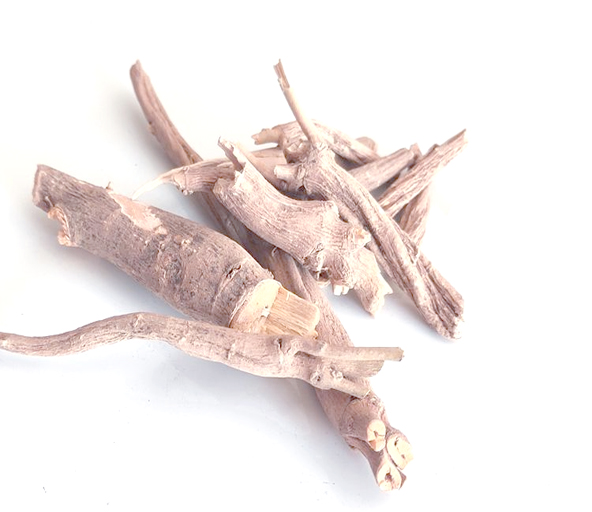
Ashwagandha Extract is widely used, including anti-cancer, neuroprotection, diabetes treatment, antibacterial, cardiovascular protection, stress relief, anti inflammation and other aspects.

Ashwagandha Extract Powder 10:1, 20:1, 50:1 TLC
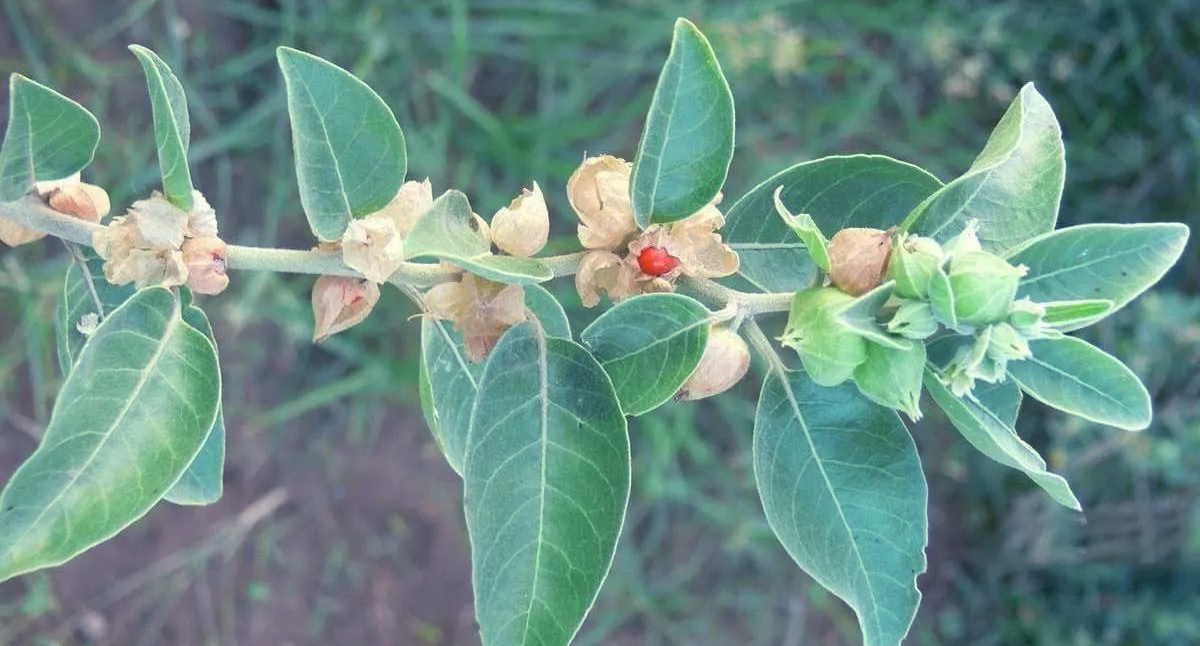
【Botanical source】: Withania Somnifera
【Part used】: Roots of Withania Somnifera
【Specification】: 10:1 20:1 50:1TLC
【Appearance】: Brownish yellow fine powder
【Extraction solvents】: Water
【Particle size】: 95% pass 80 mesh size
【Main ingredients】: The main chemical component is Withanolides, which belongs to the steroid class and is divided into two structures: Type A/B. Pharmacological effects include: ① anti-inflammatory (inhibition of inflammatory factors); ② Antioxidant (neutralizing free radicals); ③ Immune regulation (enhancing NK cell activity); ④ Neuroprotection (regulating cortisol).
Ashwagandha Extract Extract Powder Production Flowchart
Ashwagandha raw materials -Coarse powder(40 mesh) -Low temperature water extraction – 1st Reflux Extraction(10 times water,2 Hrs) – 2nd Reflux Extraction8 times water,1.5 Hrs) – 3rd Reflux Extraction(6 times water,1 Hrs) – Extraction Solution-combine&Filtrate-Concentrate-Extractum-spray drying – screening – packaging – detection of physical and chemical indicators – warehousing
Specification Sheet of Ashwagandha Extract Powder
| Product name: | Ashwagandha Extract | ||
| Specification: | 10:1 TLC | ||
| Part used: | Roots of Withania Somnifera | ||
| Solvent used: | Water | ||
| Process: | Raw materials crushed, extracted, concentrated and spray-dried to powder | ||
| Non GMO according to regulation (EC) 1829/2003 and 1830/2003 or United States requirements. Non allergen according to Directive 2007/68 amending Annex IIIa to Directive 2000/13/EC and US Food allergen labelling and consumer protection act 2004. | |||
| Heavy Metals: | |||
| Lead: | NMT 3ppm | Cadmium: | NMT 1ppm |
| Arsenic: | NMT 2ppm | Mercury: | NMT 1ppm |
| Residual solvents: | Comply to USP | ||
| Pesticides residues: | Conform to Regulation USP<561> | ||
| Microbiology: | |||
| Total plate count: | 10000cfu/g Max | Yeasts and molds: | 1000cfu/g Max |
| E.coli: | Not detected in (g)10 | Salmonella spp.: | Not detected in (g)25 |
| Staphylococcus aureus: | Not detected in (g)10 | Clostridium spp.: | Not Present in 0.1 g of food |
| Organoleptic quality | Method | Specifications | |
| Aspect: | Visual : ( CQ-MO-148) | Powder | |
| Color: | Visual : ( CQ-MO-148) | Brownish yellow | |
| Flavor: | Sensory: (CQ-MO-148) | Characteristic | |
| Analytical quality | Method | Specifications | |
| Identification: | TLC | Conform | |
| Loss on drying: | USP <731> | < 10% | |
| Bulk density: | USP <616> Method I | 40 – 60 g/100mL | |
| Particle size: | Analytical sieving || USP <786> | 100% through 80meshes | |
| Packaging suitable for foodstuff. | |||
Extended Reading
Modern Pharmacological Effects of Ashwagandha Extract
Ashwagandha, a prominent adaptogen in Ayurvedic medicine, has garnered significant scientific interest due to its diverse bioactive compounds (withanolides, alkaloids, sitoindosides). Modern research has elucidated multiple pharmacological activities, primarily through preclinical studies and a growing number of clinical trials. Key findings include:
- Neuroprotective & Cognitive Effects
- Mechanism: Modulates neurotransmitters (enhances GABAergic, possibly cholinergic activity), reduces oxidative stress in the brain, promotes neurite outgrowth, and may support synaptic plasticity.
- Evidence: Clinical trials suggest improvements in stress, anxiety, sleep quality, and cognitive function (memory, executive function) in adults. It is studied for potential adjunctive roles in conditions like mild cognitive impairment.
- Adaptogenic & Stress-Response Modulation
- Mechanism: Regulates the hypothalamic-pituitary-adrenal (HPA) axis, significantly lowering cortisol levels. Enhances resilience to physical and psychological stressors.
- Evidence: Robust clinical data confirm its efficacy in reducing perceived stress scales and serum cortisol, improving overall well-being.
- Anti-inflammatory & Immunomodulatory Effects
- Mechanism: Withanolides (e.g., withaferin A) inhibit key pro-inflammatory pathways (NF-κB, COX-2) and modulate immune cell activity.
- Evidence: Human studies show reduced inflammatory markers (CRP, IL-6). It may support immune function, though more clinical data is needed.
- Endocrine & Metabolic Modulation
- Thyroid Function: May improve serum thyroid hormone levels (T3, T4) in subclinical hypothyroidism.
- Testosterone & Male Fertility: Several studies report increased testosterone, sperm concentration, and motility in men under stress or with infertility.
- Blood Sugar & Metabolism: Exhibits anti-diabetic properties by improving insulin sensitivity and reducing fasting blood glucose.
- Musculoskeletal & Performance Benefits
- Evidence: Consistent findings from RCTs indicate it can increase muscle strength, power, and recovery in athletes and active adults. It also reduces fatigue and improves cardiorespiratory endurance.
- Potential Anticancer Properties
- Mechanism (Preclinical): Withaferin A induces apoptosis, inhibits angiogenesis, and sensitizes cancer cells to radiation/chemotherapy in cell and animal models (e.g., breast, lung, colon cancers).
- Status: Promising but preliminary; no established clinical use in oncology beyond research settings.
- Safety & Tolerability
- Generally well-tolerated in standardized root extracts at common doses (250-600 mg/day). Mild GI upset or drowsiness are possible.
- Contraindications/Interactions: Theoretical interaction with sedatives, thyroid hormones, and hypoglycemic drugs. Caution advised in pregnancy, autoimmune diseases, and before surgery.
Conclusion
Modern research supports ashwagandha’s traditional use as a broad-spectrum adaptogen. The strongest clinical evidence exists for its anti-stress, anxiety-reducing, cognitive-enhancing, and physical performance-improving effects. Its anti-inflammatory, endocrine-modulating, and neuroprotective properties provide a plausible mechanistic basis. However, more large-scale, long-term human trials are needed to solidify dosing, standardization (based on withanolide content), and specific therapeutic applications. It is considered a valuable complementary agent for stress-related disorders and overall resilience.