
Aster (Zi Wan) Extract Powder 10:1, 20:1, 50:1 TLC

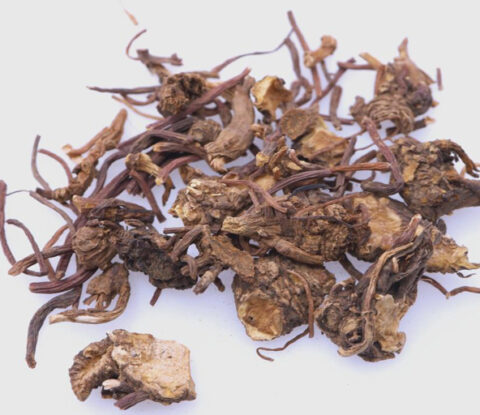
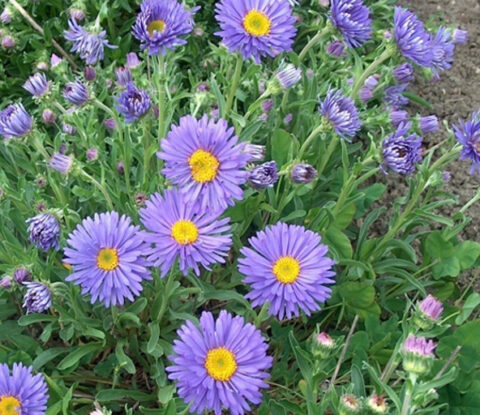


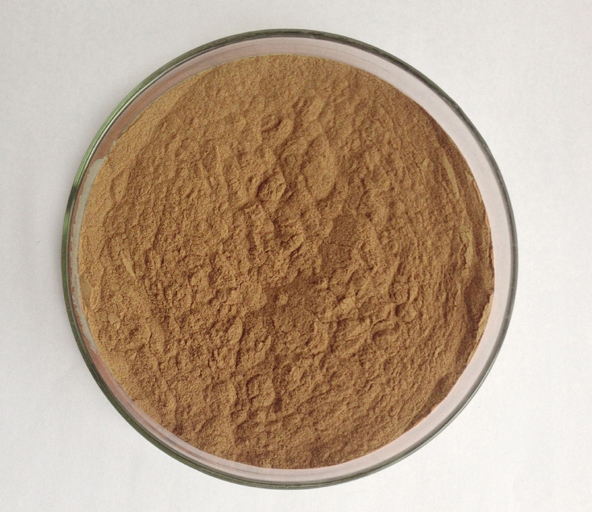
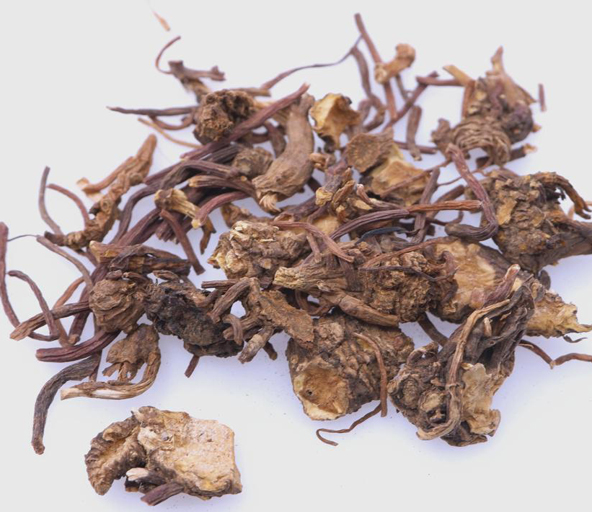
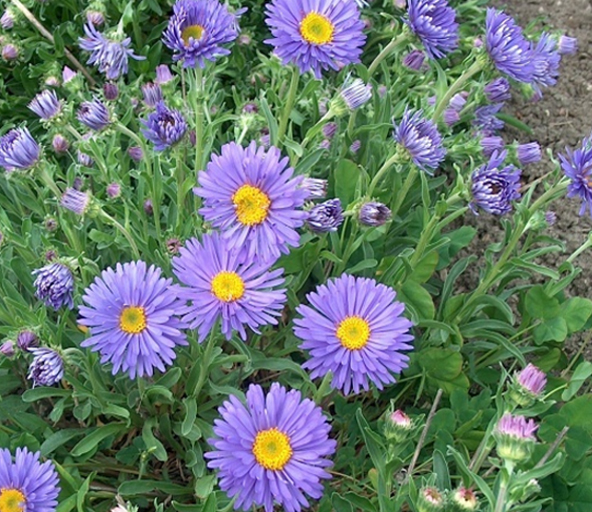
The functions of Aster in traditional Chinese medicine include moistening the lungs and qi, reducing phlegm and stopping cough. Used for cough caused by excessive phlegm, wheezing, persistent cough, and coughing up blood.

Aster (Zi Wan) Extract Powder 10:1, 20:1, 50:1 TLC
【Other names】: Zi Wan, Radix Asteris, Tatarian Aster Root, Asteris Radix Et Rhizoma
【Botanical source】: Aster tataricus L. f.
【Part used】: Dry roots and rhizomes of Aster tataricus L. f. in the Asteraceae family. Excavate in spring and autumn, remove the jointed roots (commonly known as “mother roots”) and sediment, weave them into braids and dry them in the sun, or dry them directly.
【Specification】: 10:1, 20:1, 50:1 TLC
【Appearance】: Brownish yellow fine powder
【Particle size】: 95% pass 80 mesh size
Aster (Zi Wan) Extract Powder Production Flowchart
Aster (Zi Wan) raw materials – natural air drying–Coarse powder(40 mesh) -Low temperature water extraction – 1st Reflux Extraction(10 times water,2 Hrs) – 2nd Reflux Extraction8 times water,1.5 Hrs) – 3rd Reflux Extraction(6 times water,1 Hrs) – Extraction Solution-combine&Filtrate-Concentrate-Extractum-spray drying – screening – packaging – detection of physical and chemical indicators – warehousing
Specification Sheet of Aster (Zi Wan) Extract Powder
| Product name: | Aster | ||
| Specification: | 10:1 TLC | ||
| Part used: | Dried whole herb of Aster tataricus L. f. | ||
| Solvent used: | Hot water | ||
| Process: | Raw materials crushed, extracted, concentrated and spray-dried to powder | ||
| Non GMO according to regulation (EC) 1829/2003 and 1830/2003 or United States requirements. Non allergen according to Directive 2007/68 amending Annex IIIa to Directive 2000/13/EC and US Food allergen labelling and consumer protection act 2004. | |||
| Heavy Metals: | |||
| Lead: | NMT 3ppm | Cadmium: | NMT 1ppm |
| Arsenic: | NMT 2ppm | Mercury: | NMT 1ppm |
| Residual solvents: | Comply to USP | ||
| Pesticides residues: | Conform to Regulation USP<561> | ||
| Microbiology: | |||
| Total plate count: | 10000cfu/g Max | Yeasts and molds: | 1000cfu/g Max |
| E.coli: | Not detected in (g)10 | Salmonella spp.: | Not detected in (g)25 |
| Staphylococcus aureus: | Not detected in (g)10 | Clostridium spp.: | Not Present in 0.1 g of food |
| Organoleptic quality | Method | Specifications | |
| Aspect: | Visual : ( CQ-MO-148) | Powder | |
| Color: | Visual : ( CQ-MO-148) | Brownish | |
| Flavor: | Sensory: (CQ-MO-148) | Characteristic | |
| Analytical quality | Method | Specifications | |
| Identification: | TLC | Conform | |
| Loss on drying: | USP <731> | < 10% | |
| Bulk density: | USP <616> Method I | 40 – 60 g/100mL | |
| Particle size: | Analytical sieving || USP <786> | 100% through 80meshes | |
| Packaging suitable for foodstuff. | |||
Extended Reading
Aster (Zi Wan) Function and Efficacy Recorded in TCM
Aster is a commonly used cough suppressant and phlegm resolving medicine. In traditional Chinese medicine theory, its nature is pungent, sweet, bitter, warm, and belongs to the lung meridian. Its core function is to “moisten the lungs and lower qi, reduce phlegm and cough”.
It is worth mentioning that although the nature of Aster is warm, its medicinal properties are mild and moisturizing, not dry or strong, so its application range is very wide. The following is a detailed breakdown of its specific function:
1.Moisturize the lungs and lower qi, reduce phlegm and cough
This is the core and fundamental function of Aster. It can not only remove phlegm that has already been produced, but also regulate the promotion and suppression of lung qi, fundamentally treating cough.
Regarding the symptoms:
External cough: Whether caused by wind cold or wind heat cold cough, as long as the combination is appropriate, it can be used.
Cough caused by lung heat: cough with excessive phlegm, yellow and thick in color. Often used together with heat clearing and phlegm resolving medicines.
Cough with cold lungs: Cough with excessive phlegm, white and clear in color. Often used together with lung warming and phlegm resolving drugs.
Yin deficiency and cough: Prolonged coughing can damage the lung yin, leading to dry cough with less phlegm, blood in the phlegm, and hoarseness of the voice. Due to its nature of being moist but not dry, it is particularly suitable.
Coughing and wheezing: Coughing and wheezing caused by the reversal of lung qi.
Mechanism: Aster’s “Xin” can open up lung qi, “Ku” can lower and release lung qi, and “Gan” can moisturize lung dryness. By regulating the rise and fall of lung qi, the airway is unobstructed, and combined with its moisturizing and phlegm resolving power, it effectively relieves cough.
2. Smooth urination
This is a relatively special and lesser known secondary efficacy.
Symptoms: Difficulty urinating, painful dribbling.
Mechanism: Traditional Chinese Medicine believes that “the lungs are the source of water above” and are responsible for the distribution and excretion of water throughout the body. Aster can open up the lung qi, and if the lung qi is unobstructed, the waterway can be regulated, and urination will be natural and smooth. This is the specific application of the traditional Chinese medicine method of “lifting the pot and removing the lid” – by promoting the lung qi of the upper burner, it can facilitate the urination of the lower burner.
Modern Pharmacological Effects of Aster (Zi Wan)
The main active ingredients of Aster include Aster saponins, Aster ketones, terpenoids, and flavonoids. The following are its confirmed main modern pharmacological effects:
1. Antitussive, expectorant, and anti asthmatic effects
This is a direct manifestation of its traditional cough stopping and phlegm resolving effects, and it is also the most extensively researched field.
Expectorant effect: Aster saponins are the key components that exert expectorant effects. It stimulates the nerve endings of the gastric mucosa, reflexively causing an increase in the secretion of bronchial mucosal glands, thereby making sputum thinner, less viscous, and easier to cough up. This mechanism of action is similar to classical expectorants.
Coughing effect: The water and alcohol extracts of Aster have a significant inhibitory effect on cough induced by chemical substances (such as ammonia and sulfur dioxide) in mice, which can prolong the latent period of cough and reduce the frequency of coughing.
Antiasthmatic effect: Some studies have shown that extract from Aster has a certain bronchodilator effect, which helps alleviate wheezing symptoms.
2. Antibacterial and antiviral effects
Antibacterial: Aster decoction has a certain inhibitory effect on various Gram negative bacteria (such as Escherichia coli, Shigella, Salmonella typhi) and Gram positive bacteria (such as Staphylococcus aureus) in vitro.
Antiviral: Studies have shown that Aster has a certain inhibitory effect on common respiratory viruses such as influenza virus and adenovirus. This provides a scientific basis for its treatment of cough caused by viral colds.
3. Antitumor effect|
This is currently one of the hotspots in pharmacological research.
Mechanism: The active ingredients in Aster (such as Aster saponin) have been proved to be able to inhibit the proliferation of a variety of cancer cells (such as lung cancer, liver cancer, breast cancer cells) and induce their apoptosis.
Current situation: This effect is mainly focused on in vitro cell experiments and animal model research, and there is still a long way to go before it can be clinically applied in anti-cancer therapy, but it has demonstrated potential research value.
4. Antioxidant effect
The flavonoids contained in Aster have good abilities to scavenge free radicals and resist oxidation. This helps alleviate the oxidative damage caused by inflammation to lung tissue and may have positive implications in the adjuvant treatment of chronic lung diseases.
5. Diuretic effect
This provides evidence for its traditional “promoting urination” effect. Research has shown that the decoction of Aster can increase the urine output of experimental animals after oral administration, and its diuretic mechanism may be related to the saponin components contained in it.