
Astragalus (Huang Qi) Extract Powder 10:1, 20:1, 50:1 TLC


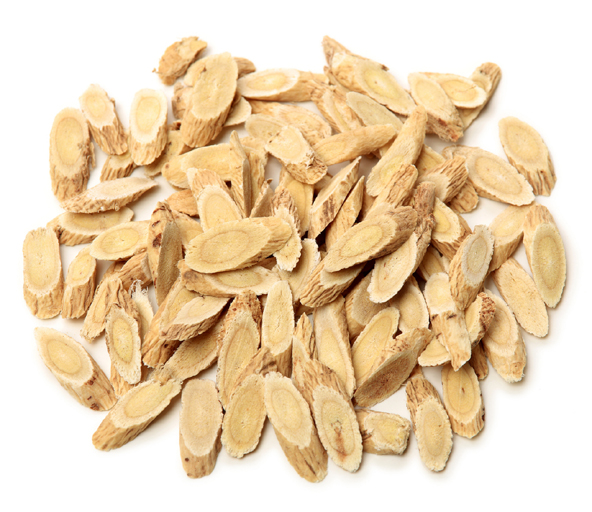
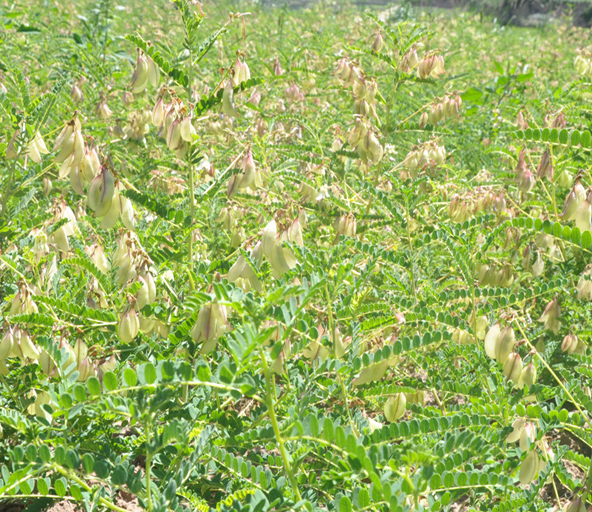
The functions of Astragalus membranaceus in traditional Chinese medicine include tonifying qi and promoting yang, stabilizing the surface and stopping sweating, promoting diuresis and reducing swelling, generating fluids and nourishing blood, promoting stagnation and unblocking rheumatism, supporting toxins and eliminating pus, and healing sores and muscles. Used for Qi deficiency and fatigue, insufficient appetite, loose stools, sinking of qi, prolonged diarrhea and prolapse, bleeding and leakage of stool, sweating due to surface deficiency, Qi deficiency and edema, internal heat and thirst quenching, blood deficiency and yellowing, hemiplegia, numbness and pain, difficult to break down carbuncle and abscess, and long-term failure to converge.

Astragalus (Huang Qi) Extract Powder 10:1, 20:1, 50:1 TLC
【Other names】: Radix Astragali, Bei Qi Huang Q, Membranous Milkvetch Root, Mongolian Milkcetch Root
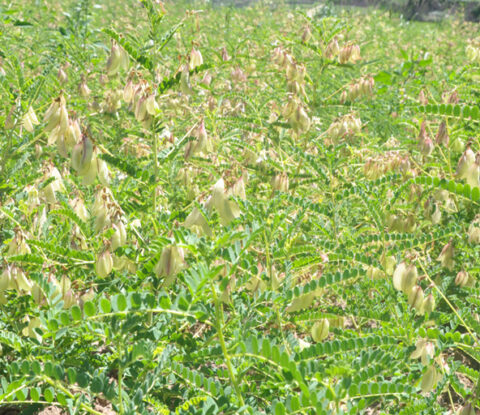
【Botanical source】: Astragalus membranaceus(Fisch.) Bge.var.mongholicus(Bge.)Hsiao or Astragalus membranaceus(Fisch.)Bge.
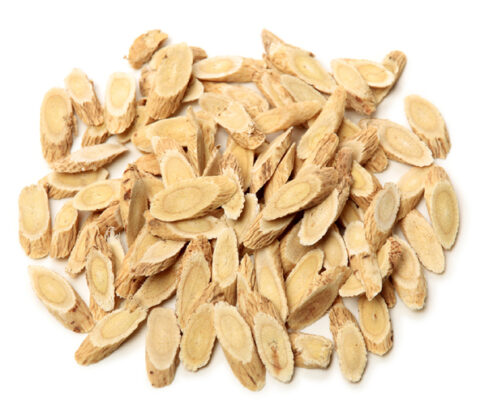
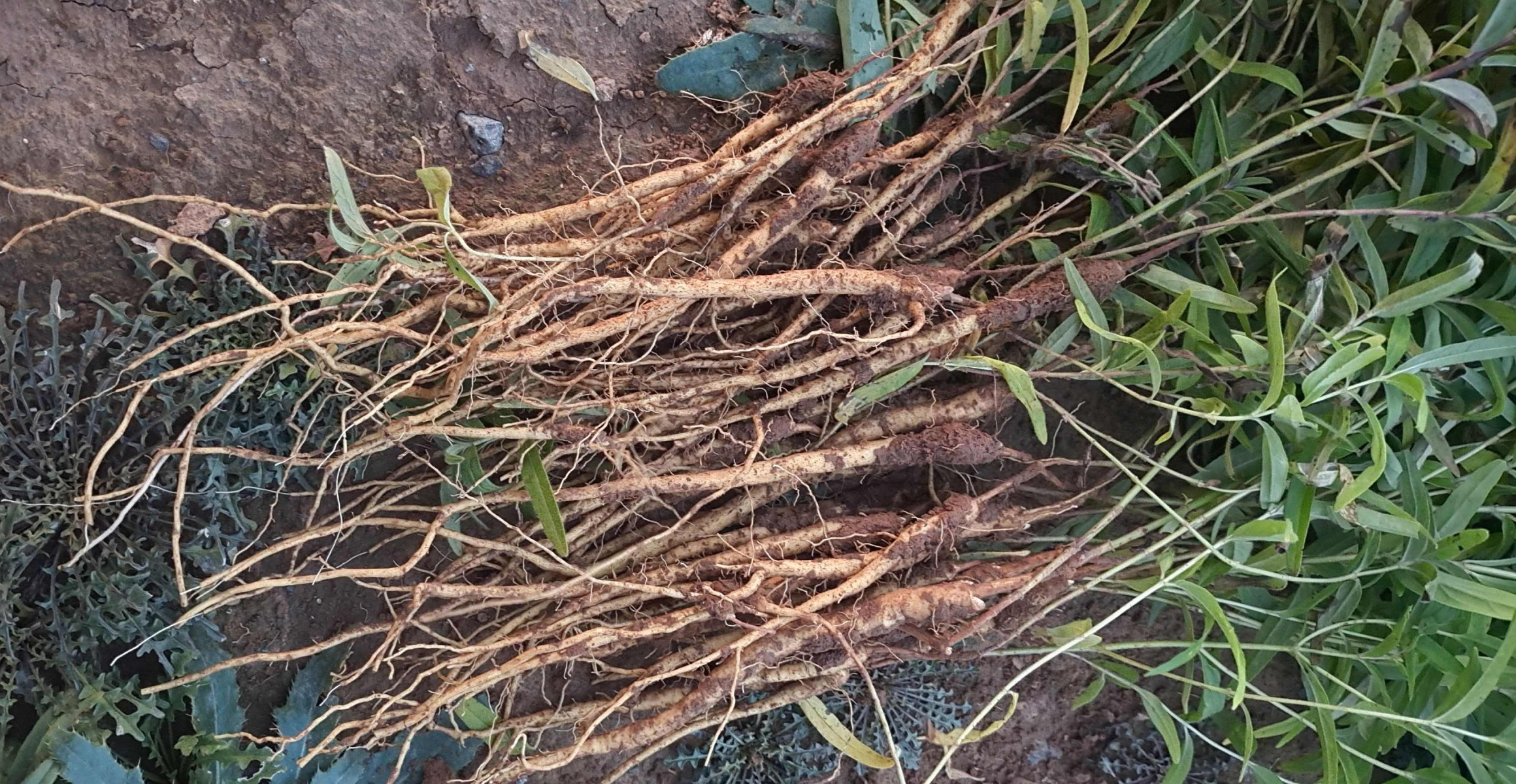
【Part used】: Dried roots of leguminous plants such as Astragalus membranaceus (Fisch.) Bge.var.mongholicus (Bge.) Hsiao or Astragalus membranaceus (Fisch.) Bge. Excavate in spring and autumn, remove fibrous roots and root heads, and dry in the sun.
【Specification】: 10:1, 20:1, 50:1 TLC
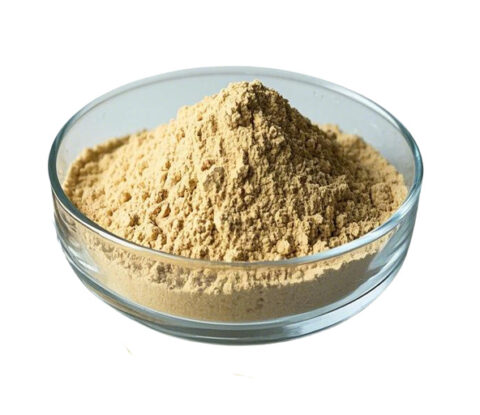
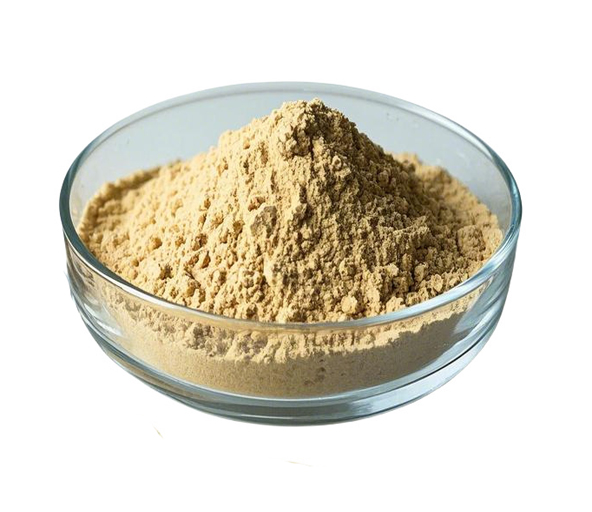
【Appearance】: Brownish yellow fine powder
【Particle size】: 95% pass 80 mesh size
Astragalus (Huang Qi) Extract Powder Production Flowchart
Astragalus (Huang Qi) raw materials – natural air drying–Coarse powder(40 mesh) -Low temperature water extraction – 1st Reflux Extraction(10 times water,2 Hrs) – 2nd Reflux Extraction8 times water,1.5 Hrs) – 3rd Reflux Extraction(6 times water,1 Hrs) – Extraction Solution-combine&Filtrate-Concentrate-Extractum-spray drying – screening – packaging – detection of physical and chemical indicators – warehousing
Specification Sheet of Astragalus (Huang Qi) Extract Powder
| Product name: | Astragalus Extract | ||
| Specification: | 10:1 TLC | ||
| Part used: | Dried stems of Astragalus membranaceus | ||
| Solvent used: | Hot water | ||
| Process: | Raw materials crushed, extracted, concentrated and spray-dried to powder | ||
| Non GMO according to regulation (EC) 1829/2003 and 1830/2003 or United States requirements. Non allergen according to Directive 2007/68 amending Annex IIIa to Directive 2000/13/EC and US Food allergen labelling and consumer protection act 2004. | |||
| Heavy Metals: | |||
| Lead: | NMT 3ppm | Cadmium: | NMT 1ppm |
| Arsenic: | NMT 2ppm | Mercury: | NMT 1ppm |
| Residual solvents: | Comply to USP | ||
| Pesticides residues: | Conform to Regulation USP<561> | ||
| Microbiology: | |||
| Total plate count: | 10000cfu/g Max | Yeasts and molds: | 1000cfu/g Max |
| E.coli: | Not detected in (g)10 | Salmonella spp.: | Not detected in (g)25 |
| Staphylococcus aureus: | Not detected in (g)10 | Clostridium spp.: | Not Present in 0.1 g of food |
| Organoleptic quality | Method | Specifications | |
| Aspect: | Visual : ( CQ-MO-148) | Powder | |
| Color: | Visual : ( CQ-MO-148) | Brownish | |
| Flavor: | Sensory: (CQ-MO-148) | Characteristic | |
| Analytical quality | Method | Specifications | |
| Identification: | TLC | Conform | |
| Loss on drying: | USP <731> | < 10% | |
| Bulk density: | USP <616> Method I | 40 – 60 g/100mL | |
| Particle size: | Analytical sieving || USP <786> | 100% through 80meshes | |
| Packaging suitable for foodstuff. | |||
Extended Reading
Astragalus (Huang Qi) Function and Efficacy Recorded in TCM
Huangqi, known as the “King of Tonifying Qi”, is one of the most commonly used and important medicinal herbs in traditional Chinese medicine. Its mild medicinal properties and wide applications play a crucial role in both disease treatment and daily healthcare.
1.Tonifying Qi and Strengthening Spleen
This is the fundamental efficacy of Huangqi.
Treating spleen qi deficiency: Traditional Chinese medicine believes that the spleen is the source of qi and blood biochemistry. When the temperament is weak, symptoms such as loss of appetite, bloating, loose stools, mental fatigue, and pale complexion may occur. Huangqi can strongly nourish the qi of the spleen and stomach, fundamentally improving these conditions. The famous Bu Zhong Yi Qi Tang uses Huangqi as its main medicine, which is used to treat visceral prolapse (such as gastric prolapse, prolapse) and chronic diarrhea caused by qi sinking.
Generating Qi and Blood: Huangqi can promote the generation of Qi and blood in the human body by tonifying the spleen, and is used to treat blood deficiency syndrome. According to traditional Chinese medicine theory, there is a saying that “qi can generate blood”. Therefore, when treating anemia and pale complexion, Huangqi and Danggui are often used together, which is the famous Danggui Buxue Tang.
2.Fix the surface and stop sweating
Defending against external pathogens: “Wei Qi” is the first line of defense for the human body against external pathogens. When the qi is not solid (i.e. the body surface is not sturdy), people are prone to catching colds, being afraid of wind, and sweating.
Treating self sweating: Huangqi can strengthen this “protective shield”, enhance immunity, and make the body less susceptible to external pathogens such as wind and cold. The effect is particularly significant for the “spontaneous sweating” syndrome that occurs naturally without being affected by hot weather or exercise. People who are prone to colds due to physical weakness can take Huangqi regularly to have a good preventive effect.
3. Diuretic and anti-inflammatory effects
Treatment of Qi Deficiency and Edema: Traditional Chinese Medicine believes that the metabolism of water and fluids in the human body relies on “Qi” to promote and stabilize. When the temperament is weak, the dysfunction of transporting water and dampness can lead to the retention of water in the body, resulting in edema, especially in the lower limbs in the afternoon. Huangqi helps the body eliminate excess water by replenishing qi, achieving the purpose of diuresis and reducing swelling.
4. Detoxification and discharge of pus, causing muscle swelling and ulceration
Promoting wound healing: For ulcers caused by weak qi and blood that do not rupture for a long time, or for wounds that are difficult to heal due to sparse pus after rupture, Huangqi can promote pus discharge and new flesh growth by nourishing qi and blood, lifting toxins out. It has important applications in the treatment of diabetes foot and chronic skin ulcer.
5. Supplementing and strengthening the health qi
Enhancing immunity: Modern pharmacological research has confirmed that Astragalus membranaceus is rich in polysaccharides, flavonoids, and other components, which can significantly enhance the body’s immune function and improve disease resistance, which coincides with the theory of “nourishing the body and strengthening the exterior” in traditional Chinese medicine.
Modern Pharmacological Effects of Astragalus (Huang Qi)
The modern pharmacological effects of Huangqi are mainly attributed to its various active ingredients, including Huangqi polysaccharides, Huangqi saponins (such as Huangqi IV), flavonoids, and so on.
The following are the main modern pharmacological effects of Huangqi:
1. Immune regulation and enhancement effects
This is the most famous and thoroughly studied function of Huangqi.
Enhancing non-specific immunity: Astragalus polysaccharides can significantly enhance the phagocytic ability of macrophages and the activity of natural killer cells (NK cells), which is the body’s first line of defense against infections and tumors.
Regulating specific immunity:
Promote humoral immunity: can stimulate the proliferation and differentiation of B lymphocytes, increase the production of antibodies (immunoglobulins), thereby enhancing the ability to fight against pathogens.
Regulating cellular immunity: It can promote the proliferation, differentiation, and maturation of T lymphocytes, regulate the CD4+/CD8+ratio, and keep the immune system in a balanced and efficient state.
Application: This is the modern scientific explanation for its traditional function of “fixing the surface” to prevent colds. It is also commonly used as an adjuvant therapy for various diseases caused by immune deficiency, as well as as as an adjuvant therapy for cancer patients after radiotherapy and chemotherapy to improve immune suppression status.
2. Protect the cardiovascular system
Heart strengthening effect: Astragaloside has a positive inotropic effect, which can enhance myocardial contractility, increase cardiac output, and improve cardiac function. It has positive therapeutic significance for patients with chronic heart failure.
Expanding blood vessels and lowering blood pressure: Flavonoids and saponins in Astragalus membranaceus can dilate peripheral blood vessels, coronary arteries, and cerebral blood vessels, reduce peripheral resistance, and thus play a role in lowering blood pressure and improving organ blood supply.
Protecting myocardium: It can alleviate the damage of myocardial cells caused by ischemia and hypoxia, reduce cell apoptosis, and have a protective effect on myocardial ischemia-reperfusion injury
3. Antitumor effect
Huangqi itself does not directly kill cancer cells, but indirectly combats cancer through “strengthening the body”.
Immune mediated anti-tumor: By activating the body’s own anti-tumor immune response and inhibiting tumor growth through the powerful immune regulatory functions mentioned above.
Inducing apoptosis of cancer cells: Some studies have shown that components such as astragalus saponins can induce programmed cell death in certain cancer cell lines.
Reducing chemotherapy side effects: When used in combination with chemotherapy drugs, it can alleviate bone marrow suppression (such as leukopenia), gastrointestinal reactions, and improve patients’ quality of life and tolerance to treatment.
4. Protect the kidneys
Reducing proteinuria: This is a prominent role of Huangqi in the treatment of kidney disease. It can improve the permeability of the glomerular filtration membrane, thereby reducing the leakage of urinary protein.
Anti renal fibrosis: It can inhibit the activation of renal interstitial fibroblasts and delay the progression of chronic kidney disease to renal fibrosis.
Regulation of metabolism: for diabetes nephropathy, astragalus can improve insulin resistance and hyperglycemia, and reduce the damage to the kidney from the root.
5. Anti aging and antioxidant properties
Clearing free radicals: Flavonoids and polysaccharides in Astragalus membranaceus have strong antioxidant activity, which can clear oxygen free radicals in the body and reduce oxidative stress damage to cells. This is closely related to delaying aging and preventing various chronic diseases.
Telomerase activity: Studies have shown that Huangqi extract may delay cell aging by activating telomerase.
6. Anti diabetes effect
Improving insulin sensitivity: Astragalus polysaccharides have been shown to improve peripheral tissue sensitivity to insulin and help lower blood sugar.
Protecting pancreatic beta cells: It may have a certain protective effect on insulin producing pancreatic beta cells.
7. Protecting the nervous system
Neuroprotection: Astragalus membranaceus has a protective effect on neurons, may improve learning and memory abilities, and has shown potential benefits in models of neurodegenerative diseases such as Alzheimer’s disease and Parkinson’s disease.
Anti ischemia and hypoxia: can improve the tolerance of brain tissue to ischemia and hypoxia.
8. Liver protective effect
It can alleviate chemical liver damage (such as caused by alcohol and drugs), inhibit the activation of hepatic stellate cells, and has the potential to resist liver fibrosis.
9. Anti fatigue effect
Huangqi can enhance the body’s tolerance to exercise, delay the onset of fatigue, and accelerate the elimination of fatigue after exercise. This is related to its ability to improve energy metabolism, eliminate metabolic waste generated during exercise (such as lactate), and have antioxidant effects.