
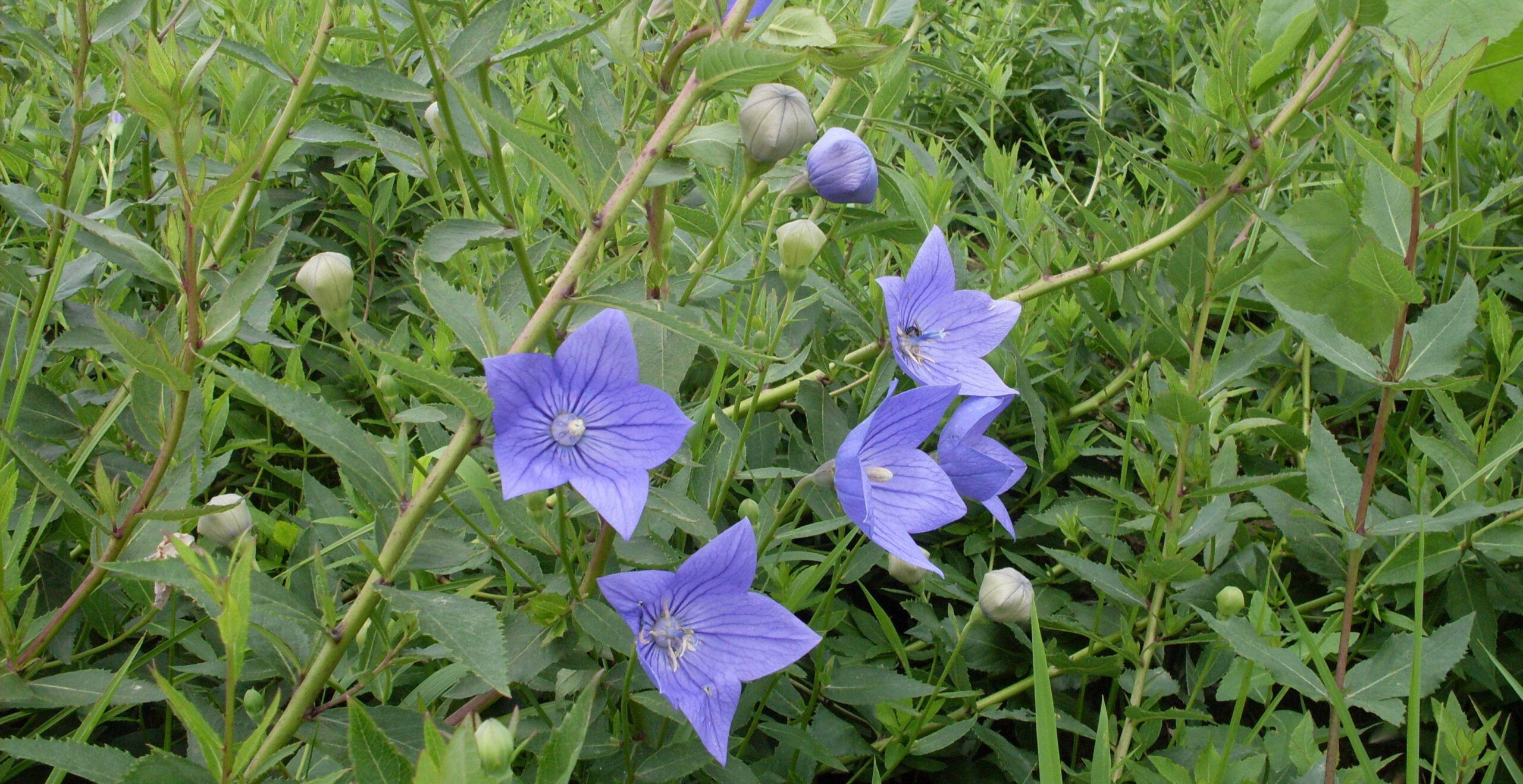
Balloonflower Root(Platycodon Grandiflorum) Extract Powder 10:1, 20:1, 50:1 TLC


Modern pharmacological studies on Platycodon grandiflorum have shown that its core active ingredient, Platycodon grandiflorum saponin D, has significant anti-inflammatory, expectorant, and cough relieving effects; Can effectively regulate immunity, promote pancreatic lipase inhibition, and assist in lipid-lowering and weight loss; And display liver protection, antioxidant, and potential anti-tumor activity. Note that its saponin components may irritate the gastric mucosa.

Balloonflower Root(Platycodon Grandiflorum) Extract Powder 10:1, 20:1, 50:1 TLC
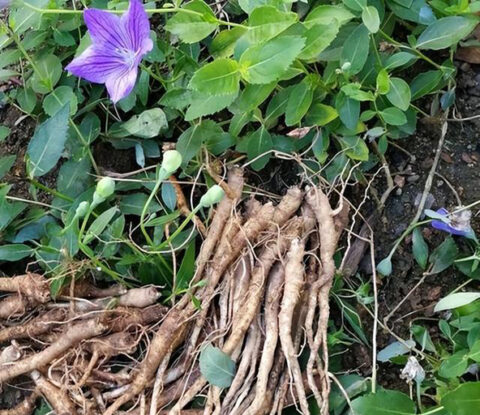
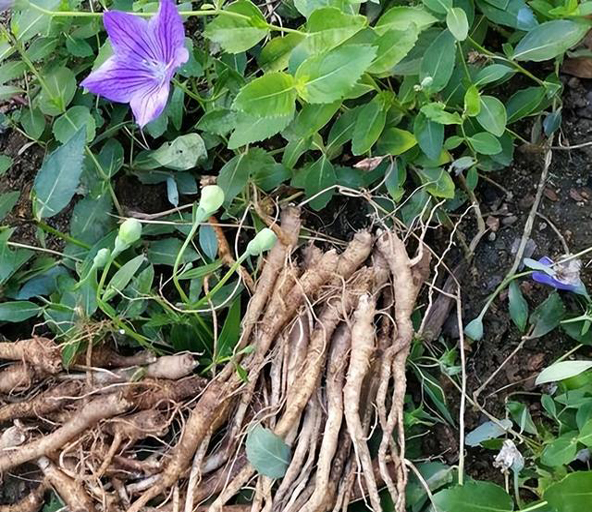
【Botanical source】: Platycodon grandiflorus (Jacq.) A.DC.
【Part used】: Root
【Specification】: 10:1, 20:1, 50:1 TLC
【Extraction solvents】: Water
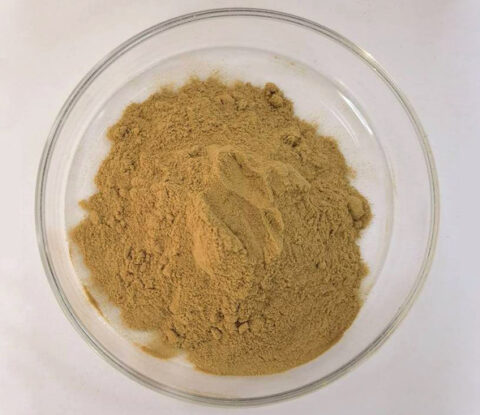
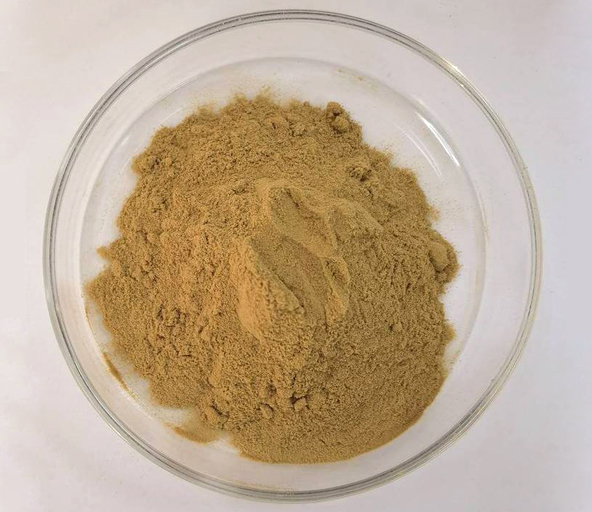
【Appearance】: Brownish fine powder
【Particle size】: 95% pass 80 mesh size
【Main ingredients】: The main active ingredients of Platycodon grandiflorus are saponins, with Platycodon grandiflorus saponin D as the core component. It also contains polysaccharides, flavonoids, plant sterols, and polyenes. These ingredients endow it with significant anti-inflammatory, cough relieving, phlegm resolving, immune regulating, and hypoglycemic, lipid-lowering biological activities.
【Storage conditions】:Store at room temperature in a sealed manner, away from light, and in a ventilated, cool, and dry environment.
【Shelf life】: 24 months from the production date
Balloonflower Root(Platycodon Grandiflorum) Extract Powder Production Flowchart
Balloonflower Root(Platycodon Grandiflorum) raw materials -Coarse powder(40 mesh) -Low temperature water extraction – 1st Reflux Extraction(10 times water,2 Hrs) – 2nd Reflux Extraction8 times water,1.5 Hrs) – 3rd Reflux Extraction(6 times water,1 Hrs) – Extraction Solution-combine&Filtrate-Concentrate-Extractum-spray drying – screening – packaging – detection of physical and chemical indicators – warehousing
Specification Sheet of Balloonflower Root(Platycodon Grandiflorum) Extract Powder
| Product name: | Balloonflower Root(Platycodon Grandiflorum) extract | ||
| Specification: | 10:1 TLC | ||
| Part used: | Dried root of Platycodon grandiflorus (Jacq.) A.DC. | ||
| Solvent used: | Water | ||
| Process: | Raw materials crushed, extracted, concentrated and spray-dried to powder | ||
| Non GMO according to regulation (EC) 1829/2003 and 1830/2003 or United States requirements. Non allergen according to Directive 2007/68 amending Annex IIIa to Directive 2000/13/EC and US Food allergen labelling and consumer protection act 2004. | |||
| Heavy Metals: | |||
| Lead: | NMT 3ppm | Cadmium: | NMT 1ppm |
| Arsenic: | NMT 2ppm | Mercury: | NMT 1ppm |
| Residual solvents: | Comply to USP | ||
| Pesticides residues: | Conform to Regulation USP<561> | ||
| Microbiology: | |||
| Total plate count: | 10000cfu/g Max | Yeasts and molds: | 1000cfu/g Max |
| E.coli: | Not detected in (g)10 | Salmonella spp.: | Not detected in (g)25 |
| Staphylococcus aureus: | Not detected in (g)10 | Clostridium spp.: | Not Present in 0.1 g of food |
| Organoleptic quality | Method | Specifications | |
| Aspect: | Visual : ( CQ-MO-148) | Powder | |
| Color: | Visual : ( CQ-MO-148) | Brownish yellow | |
| Flavor: | Sensory: (CQ-MO-148) | Characteristic | |
| Analytical quality | Method | Specifications | |
| Identification: | TLC | Conform | |
| Loss on drying: | USP <731> | < 10% | |
| Bulk density: | USP <616> Method I | 40 – 60 g/100mL | |
| Particle size: | Analytical sieving || USP <786> | 100% through 80meshes | |
| Packaging suitable for foodstuff. | |||
Extended Reading
Modern Research on Balloonflower Root(Platycodon Grandiflorum) Extract Powder
Below is a detailed summary of modern research on Balloon Flower Root (Platycodon grandiflorum) Extract, commonly known as Jiegeng in Traditional Chinese Medicine.
- Chemical Components
The primary bioactive constituents are triterpenoid saponins, collectively known as platycosides. Other significant compounds include:
- Saponins: Platycodin D is the most abundant and extensively studied marker compound, followed by platycodin A, C, and polygalacin D.
- Polysaccharides: Homogeneous and heterogenous polysaccharides with immunomodulatory activity.
- Flavonoids: Including platyconin and others.
- Phenols & Sterols: Such as sitosterol and stigmasterol.
- Inulin-type fructans: Acting as prebiotic dietary fibers.
- Health Benefits & Mechanisms
The extract exhibits a wide range of pharmacological activities, primarily driven by platycodin D.
- Respiratory Health (Core Traditional Use): Potent expectorant and antitussive (cough-suppressing) effects. Saponins irritate the pharyngeal mucosa, reflexively increasing respiratory tract fluid secretion to dilute and expel phlegm. It also demonstrates anti-inflammatory effects in airway models.
- Anti-inflammatory & Immunomodulation: Modulates key inflammatory pathways (NF-κB, MAPK) and cytokine production. The polysaccharides can stimulate immune cell activity (e.g., macrophage phagocytosis), while saponins can exert anti-inflammatory and immunosuppressive effects depending on context.
- Anti-obesity & Hypolipidemic: Inhibits pancreatic lipase, reduces intestinal absorption of dietary fat, and promotes fatty acid oxidation. Studies show reduction in body weight, visceral fat, and serum triglycerides/cholesterol in animal models.
- Anticancer Potential: In vitro and in vivo studies show platycodin D induces apoptosis and cell cycle arrest in various cancer cell lines (e.g., lung, liver, colon, leukemia) through mitochondrial and caspase-dependent pathways.
- Hepatoprotective & Antioxidant: Protects liver cells from toxin- and alcohol-induced damage and demonstrates strong free radical scavenging activity.
- Neuroprotection & Cognitive Enhancement: Shows anti-neuroinflammatory effects and may improve memory and cognitive function in Alzheimer’s disease models by inhibiting acetylcholinesterase and reducing amyloid-beta toxicity.
- Antidiabetic: Improves insulin sensitivity and reduces blood glucose levels in diabetic models.
- Drug & Supplement Interactions
- Anticoagulant/Antiplatelet Drugs (e.g., Warfarin, Aspirin): Potential Risk. Platycodin D may inhibit platelet aggregation. Concurrent use could theoretically increase bleeding risk. Close monitoring is advised.
- Antidiabetic Drugs: May have an additive blood glucose-lowering effect, potentially increasing hypoglycemia risk.
- Immunosuppressants: Due to its complex immunomodulatory effects, it may theoretically interfere with immunosuppressive therapy.
- Diuretics: The traditional use of “dispersing and discharging” may have a mild diuretic effect, potentially leading to additive effects.
- Contraindications, Warnings & Side Effects
- Contraindications: Not recommended for individuals with active gastric ulcers or significant gastritis, as saponins can irritate the gastric mucosa. Contraindicated in cases of hemoptysis (coughing blood) in TCM theory.
- Pregnancy & Lactation: Insufficient safety data; traditional advisories recommend caution, especially during early pregnancy.
- Side Effects: At high doses, the most common side effects are gastrointestinal, including nausea, gastric discomfort, and diarrhea, due to the hemolytic and irritant properties of saponins.
- Allergy: Rare cases of allergic reaction are possible.
- Applications
- Pharmaceuticals & Nutraceuticals: Core ingredient in cough syrups, expectorants, and throat lozenges. Also formulated in weight management, liver health, and immune support supplements.
- Functional Foods & Beverages: Used in herbal teas, soups, and health tonics, particularly in East Asia.
- Cosmeceuticals: Incorporated into skincare products for its anti-inflammatory and antioxidant properties.
- Animal Feed Additive: Studied for its growth-promoting and immunostimulant effects in livestock.
- References (Key Modern Studies & Reviews)
- Nyakudya, E., et al. (2020). “Platycodon grandiflorus (Jacq.) A.DC.: A Review of Phytochemistry, Pharmacology, and Toxicology.” Phytotherapy Research, 34(9), 1962-1978. (Comprehensive Review)
- Lee, K. J., & Choi, C. Y. (2019). “Biological Activities and Potential Health Benefits of Platycodin D from Platycodon grandiflorus.” Molecules, 24(23), 4366.
- Zhao, H. L., et al. (2018). “Platycodin D, a metabolite of Platycodon grandiflorum, inhibits highly metastatic MDA-MB-231 breast cancer growth and metastasis.” Frontiers in Pharmacology, 9, 1456.
- Kim, J. Y., et al. (2021). “Anti-Obesity Effects of Platycodon grandiflorum Extract: A Review of In Vivo and In Vitro Studies.” Journal of Medicinal Food, 24(10), 1011-1021.
- Han, L. K., et al. (2002). “Anti-obesity action of Salix matsudana leaves (Part 2). Isolation of anti-obesity effectors from polyphenol fractions of Salix matsudana.” Phytotherapy Research, 16(S1), 1-16. (Seminal paper on anti-obesity mechanism)
- Choi, J. H., et al. (2017). “Platycodin D induces apoptosis and reduces metastatic potential in hepatocellular carcinoma cells.” Oncology Reports, 38(4), 2179-2186.
- Zhai, Y., et al. (2018). “Structural characterization and immunomodulatory activity of a polysaccharide from Platycodon grandiflorum.” Carbohydrate Polymers, 193, 205-214.
- Chinese Pharmacopoeia Commission. (2020). Pharmacopoeia of the People’s Republic of China. Vol. I. (Official Monograph for Standardization)
Note: This summary is for informational purposes. It may interact with medications and is contraindicated in certain conditions. Consult a healthcare professional before therapeutic use, particularly regarding its estrogenic activity.