
Banana Fruit Extract Powder 10:1 TLC, Banana Instant Powder

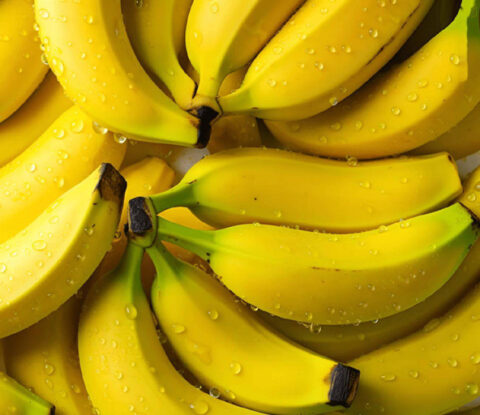


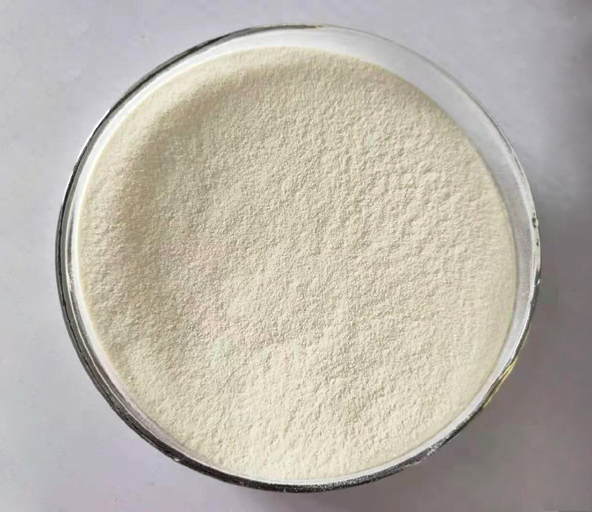
Banana instant powder is rich in potassium, dietary fiber, resistant starch, and various vitamins. The main functions include: quickly replenishing energy and maintaining electrolyte balance; Its soluble fiber helps improve intestinal function and alleviate constipation; The potassium element contained supports heart health and blood pressure regulation; Resistant starch is beneficial for stabilizing postprandial blood sugar and enhancing satiety.

Banana Fruit Extract Powder 10:1 TLC, Banana Instant Powder
【Botanical source】: Musa acuminata ‘(AAA)’
【Part used】: Fruit
【Specification】: 10:1TLC, Banana Instant Powder
【Extraction solvents】: Water
【Appearance】: Offwhite fine powder
【Particle size】: 95% pass 80 mesh size
【Main ingredients】: The main components of bananas include water, carbohydrates (mainly sugar and resistant starch), dietary fiber, potassium, magnesium, vitamin B6, and vitamin C. The carbohydrate composition of bananas varies with maturity, and green bananas are rich in resistant starch, which is converted into sugar after maturity. In addition, bananas also contain trace amounts of bioactive substances such as polyphenols.
【Storage conditions】:Store at room temperature in a sealed manner, away from light, and in a ventilated, cool, and dry environment.
【Shelf life】: 24 months from the production date
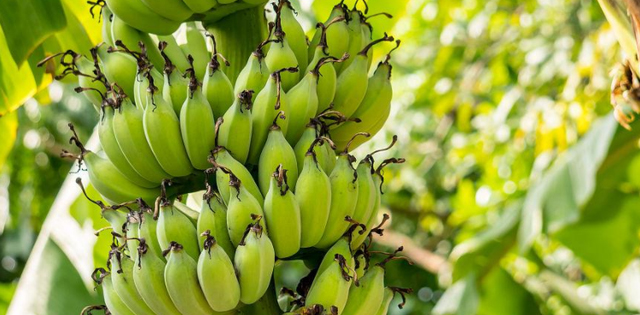
Banana Fruit Extract Powder Production Flowchart
Banana Fruit raw materials -Coarse powder(40 mesh) -Low temperature water extraction – 1st Reflux Extraction(10 times water,2 Hrs) – 2nd Reflux Extraction8 times water,1.5 Hrs) – 3rd Reflux Extraction(6 times water,1 Hrs) – Extraction Solution-combine&Filtrate-Concentrate-Extractum-spray drying – screening – packaging – detection of physical and chemical indicators – warehousing
Specification Sheet of Banana Fruit Extract Powder
| Product name: | Banana Fruit Extract | ||
| Specification: | 10:1 TLC | ||
| Part used: | Fruit of Musa acuminata ‘(AAA)’ | ||
| Solvent used: | Water | ||
| Process: | Raw materials crushed, extracted, concentrated and spray-dried to powder | ||
| Non GMO according to regulation (EC) 1829/2003 and 1830/2003 or United States requirements. Non allergen according to Directive 2007/68 amending Annex IIIa to Directive 2000/13/EC and US Food allergen labelling and consumer protection act 2004. | |||
| Heavy Metals: | |||
| Lead: | NMT 3ppm | Cadmium: | NMT 1ppm |
| Arsenic: | NMT 2ppm | Mercury: | NMT 1ppm |
| Residual solvents: | Comply to USP | ||
| Pesticides residues: | Conform to Regulation USP<561> | ||
| Microbiology: | |||
| Total plate count: | 10000cfu/g Max | Yeasts and molds: | 1000cfu/g Max |
| E.coli: | Not detected in (g)10 | Salmonella spp.: | Not detected in (g)25 |
| Staphylococcus aureus: | Not detected in (g)10 | Clostridium spp.: | Not Present in 0.1 g of food |
| Organoleptic quality | Method | Specifications | |
| Aspect: | Visual : ( CQ-MO-148) | Powder | |
| Color: | Visual : ( CQ-MO-148) | Offwhite | |
| Flavor: | Sensory: (CQ-MO-148) | Characteristic | |
| Analytical quality | Method | Specifications | |
| Identification: | TLC | Conform | |
| Loss on drying: | USP <731> | < 10% | |
| Bulk density: | USP <616> Method I | 40 – 60 g/100mL | |
| Particle size: | Analytical sieving || USP <786> | 100% through 80meshes | |
| Packaging suitable for foodstuff. | |||
Extended Reading
Modern Pharmacological Effects of Banana Instant Powder/ Banana Extract Powder
Banana instant powder/Banana extract powder, typically made from green or ripe banana pulp, concentrates its bioactive components, leading to several evidenced pharmacological effects:
- Gastrointestinal Health: Its high content of resistant starch and dietary fiber acts as a potent prebiotic, stimulating beneficial gut microbiota (e.g., Bifidobacteria, Lactobacilli). This supports digestive regularity, alleviates constipation, and may help manage diarrhea by normalizing bowel function.
- Glycemic & Metabolic Control: The resistant starch and fiber significantly slow glucose absorption, improving postprandial blood sugar response and insulin sensitivity, which is beneficial for managing type 2 diabetes and metabolic syndrome.
- Cardiometabolic Protection: It contributes to lowering LDL-cholesterol levels via bile acid binding and fermentation products. Its high potassium and magnesium content supports blood pressure regulation.
- Antioxidant Activity: The powder retains polyphenols (e.g., catechins, dopamine) from the source fruit, providing free radical scavenging activity that helps mitigate oxidative stress.
- Energy & Nutrient Delivery: It serves as a dense source of readily available carbohydrates, vitamins (B6, C), and minerals, making it a functional ingredient for nutritional support and energy replenishment.
References
- Zhang, P., Whistler, R. L., BeMiller, J. N., & Hamaker, B. R. (2005). Banana starch: production, physicochemical properties, and digestibility—a review. Carbohydrate Polymers, 59(4), 443-458.
- Kumar, K. P. S., Bhowmik, D., Duraivel, S., & Umadevi, M. (2012). Traditional and medicinal uses of banana. Journal of Pharmacognosy and Phytochemistry, 1(3), 51-63.
- Anyasi, T. A., Jideani, A. I. O., & Mchau, G. R. A. (2013). Functional properties and postharvest utilization of commercial and noncommercial banana cultivars. Comprehensive Reviews in Food Science and Food Safety, 12(5), 509-522.
- Singh, B., Singh, J. P., Kaur, A., & Singh, N. (2016). Bioactive compounds in banana and their associated health benefits—A review. Food Chemistry, 206, 1-11.
- Falcomer, A. L., Riquette, R. F. R., de Lima, B. R., Ginani, V. C., & Zandonadi, R. P. (2019). Health benefits of green banana consumption: A systematic review. Nutrients, 11(6), 1222.
Note: This summary is for informational purposes. It may interact with medications and is contraindicated in certain conditions. Consult a healthcare professional before therapeutic use, particularly regarding its estrogenic activity.