
Barley Grass Extract, Barley Grass Juice Powder 10:1, 20:1, 50:1 TLC
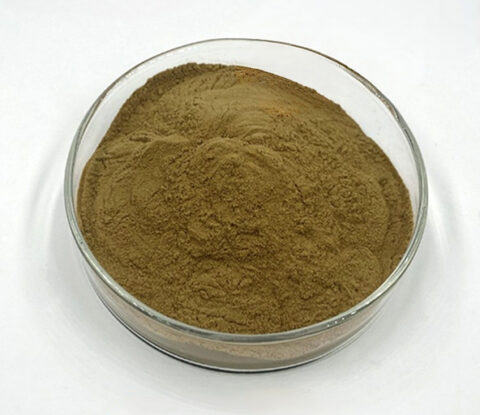


Barley grass is rich in chlorophyll, dietary fiber, various vitamins and minerals, and have antioxidant and anti-inflammatory properties. Modern research suggests that it can help improve blood lipids, assist in blood glucose management, and regulate intestinal health. Be aware that it may affect the effectiveness of anticoagulant drugs and is not suitable for long-term consumption in large quantities by patients with wheat allergies and kidney disease.

Barley Grass Extract, Barley Grass Juice Powder 10:1, 20:1, 50:1 TLC
【Botanical source】: Hordeum vulgare L.
【Part used】: Grass,Grass Juice
【Specification】: 10:1, 20:1, 50:1 TLC
【Extraction solvents】: Water
【Appearance】: Brownish fine powder, Green fine powder
【Particle size】: 95% pass 80 mesh size
【Main ingredients】: Barley grass is rich in chlorophyll, dietary fiber, various vitamins (such as vitamin C and K), and minerals (iron, potassium, calcium). It contains antioxidant enzymes (such as SOD) and flavonoids, as well as various amino acids. Balanced nutritional composition, it is a natural dietary supplement source with high alkalinity and low calories.
【Storage conditions】:Store at room temperature in a sealed manner, away from light, and in a ventilated, cool, and dry environment.
【Shelf life】: 24 months from the production date

Barley Grass Extract Powder Production Flowchart
Barley grass raw materials -Coarse powder(40 mesh) -Low temperature water extraction – 1st Reflux Extraction(10 times water,2 Hrs) – 2nd Reflux Extraction8 times water,1.5 Hrs) – 3rd Reflux Extraction(6 times water,1 Hrs) – Extraction Solution-combine&Filtrate-Concentrate-Extractum-spray drying – screening – packaging – detection of physical and chemical indicators – warehousing
Specification Sheet of Barley Grass Extract Powder
| Product name: | Barley Grass Extract | ||
| Specification: | 10:1 TLC | ||
| Part used: | Grass of Hordeum vulgare L. | ||
| Solvent used: | Water | ||
| Process: | Raw materials crushed, extracted, concentrated and spray-dried to powder | ||
| Non GMO according to regulation (EC) 1829/2003 and 1830/2003 or United States requirements. Non allergen according to Directive 2007/68 amending Annex IIIa to Directive 2000/13/EC and US Food allergen labelling and consumer protection act 2004. | |||
| Heavy Metals: | |||
| Lead: | NMT 3ppm | Cadmium: | NMT 1ppm |
| Arsenic: | NMT 2ppm | Mercury: | NMT 1ppm |
| Residual solvents: | Comply to USP | ||
| Pesticides residues: | Conform to Regulation USP<561> | ||
| Microbiology: | |||
| Total plate count: | 10000cfu/g Max | Yeasts and molds: | 1000cfu/g Max |
| E.coli: | Not detected in (g)10 | Salmonella spp.: | Not detected in (g)25 |
| Staphylococcus aureus: | Not detected in (g)10 | Clostridium spp.: | Not Present in 0.1 g of food |
| Organoleptic quality | Method | Specifications | |
| Aspect: | Visual : ( CQ-MO-148) | Powder | |
| Color: | Visual : ( CQ-MO-148) | Brownish | |
| Flavor: | Sensory: (CQ-MO-148) | Characteristic | |
| Analytical quality | Method | Specifications | |
| Identification: | TLC | Conform | |
| Loss on drying: | USP <731> | < 10% | |
| Bulk density: | USP <616> Method I | 40 – 60 g/100mL | |
| Particle size: | Analytical sieving || USP <786> | 100% through 80meshes | |
| Packaging suitable for foodstuff. | |||
Extended Reading
Modern Research on Barley Grass Extract
- Chemical Components:
Barley grass (Hordeum vulgare L.) extract is a dense source of bioactive compounds. Key components include:
- Chlorophyll: High concentration, studied for its detoxifying and anti-inflammatory properties.
- Flavonoids & Phenolic Acids: Luteolin, apigenin, saponarin, and ferulic acid, contributing to its strong antioxidant capacity.
- Vitamins: Rich in vitamins A (beta-carotene), C, E, K, and B-complex (including B12-analogs, though bioavailability in humans is debated).
- Minerals: Bioavailable forms of potassium, calcium, iron, magnesium, and zinc.
- Enzymes: Superoxide dismutase (SOD) and catalase, which are endogenous antioxidant enzymes.
- Dietary Fiber: Including insoluble fiber and unique polysaccharides like β-glucan.
- Amino Acids: Contains all essential amino acids, making it a source of plant-based protein.
- Health Benefits (Evidence-Based):
- Antioxidant & Anti-inflammatory: Multiple in vitro and rodent studies confirm its ability to scavenge free radicals (e.g., DPPH, ORAC assays) and reduce markers like TNF-α and IL-6, primarily via flavonoid action.
- Metabolic Health: Human clinical trials show potential for improving lipid profiles (reducing LDL cholesterol) and enhancing glycemic control in type 2 diabetics, attributed to fiber and antioxidants.
- Gut Health: Acts as a prebiotic, supporting beneficial gut microbiota. Its alkaline nature may help soothe gastrointestinal discomfort.
- Detoxification Support: Chlorophyll and related compounds have been shown in preclinical models to bind to certain toxins and heavy metals, aiding their excretion.
- Immunomodulation: Animal studies indicate it may enhance immune response by increasing NK cell activity and immunoglobulin production.
- Interactions & Warnings:
- Anticoagulant/Antiplatelet Drugs: High vitamin K content may antagonize the effect of warfarin. Theoretical risk with other blood thinners.
- Hypoglycemic Drugs: May have an additive effect, requiring blood glucose monitoring.
- Autoimmune Diseases: Due to its immunomodulatory potential, it could theoretically exacerbate conditions like rheumatoid arthritis or lupus (caution advised).
- Celiac Disease/Gluten Sensitivity: While the young grass is typically gluten-free, cross-contamination with barley grains is possible. Products should be certified gluten-free for sensitive individuals.
- Kidney Disease: High potassium content could be problematic for individuals with compromised kidney function.
- Taboos & Contraindications:
- Allergy: Contraindicated in individuals with known allergies to barley or grass pollen.
- Pregnancy & Lactation: Insufficient safety data; avoidance is recommended due to lack of robust clinical studies.
- Applications:
- Dietary Supplements: Powdered forms, capsules, tablets, and liquid extracts for daily nutrition.
- Functional Foods & Beverages: Added to juices, smoothies, green powders, and health bars.
- Cosmeceuticals: Incorporated into skincare products for its antioxidant and anti-inflammatory properties.
- Research Interest: Investigated as a nutraceutical for managing metabolic syndrome, oxidative stress-related diseases, and as a functional food ingredient.
References (Key Studies & Reviews):
- Lahouar, L., et al. (2015). Therapeutic potential of young green barley leaves in prevention and treatment of chronic diseases: an overview. The American Journal of Chinese Medicine, 43(07), 1311-1329.
- Kamiyama, M., & Shibamoto, T. (2012). Flavonoids with potent antioxidant activity found in young green barley leaves. Journal of Agricultural and Food Chemistry, 60(25), 6260-6267.
- Zeng, Y., et al. (2018). A review of the bioactive components and pharmacological activities of barley grass. Journal of Food Biochemistry, 42(5), e12588.
- Yu, Y. M., et al. (2002). Effects of young barley leaf extract on antioxidative status and lipid peroxidation in experimentally diabetic rats. Journal of Nutritional Science and Vitaminology, 48(3), 250-256.
- Muthiah, N. S., et al. (2021). Barley grass juice attenuates insulin resistance via mitigation of oxidative stress in high-fat diet-induced obese rats. Journal of Ethnopharmacology, 275, 114118.
- Kanauchi, O., et al. (2015). Barley leaf fraction regulates gut microbiota and its metabolic products, leading to intestinal health benefits in rats. Journal of Food Science, 80(6), H1402-H1409.
Note: This summary is for informational purposes. It may interact with medications and is contraindicated in certain conditions. Consult a healthcare professional before therapeutic use, particularly regarding its estrogenic activity.