
Red Beetroot Extract Powder 10:1, 20:1, 50:1 TLC


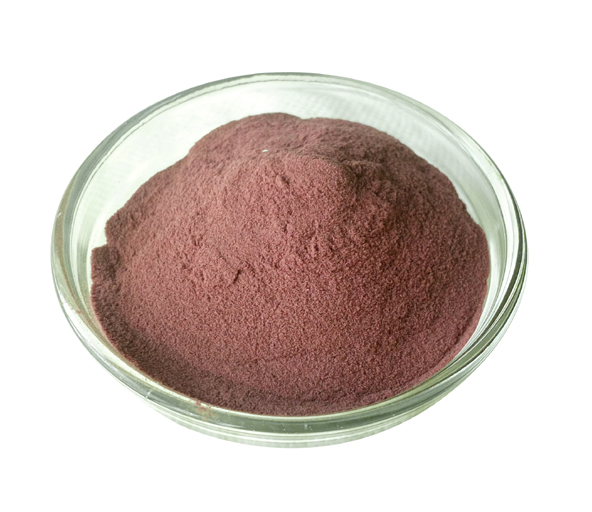
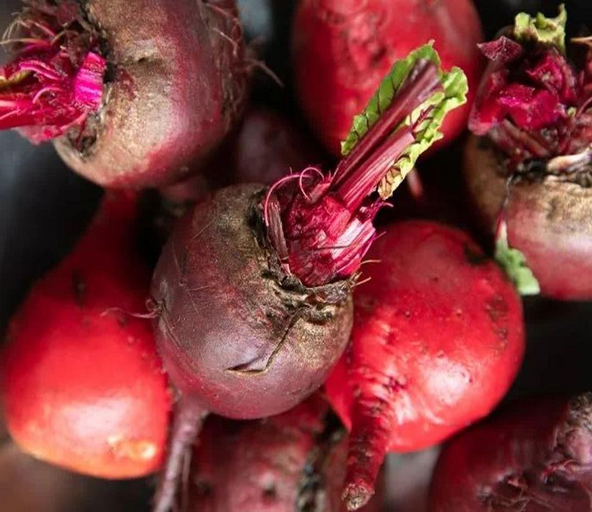
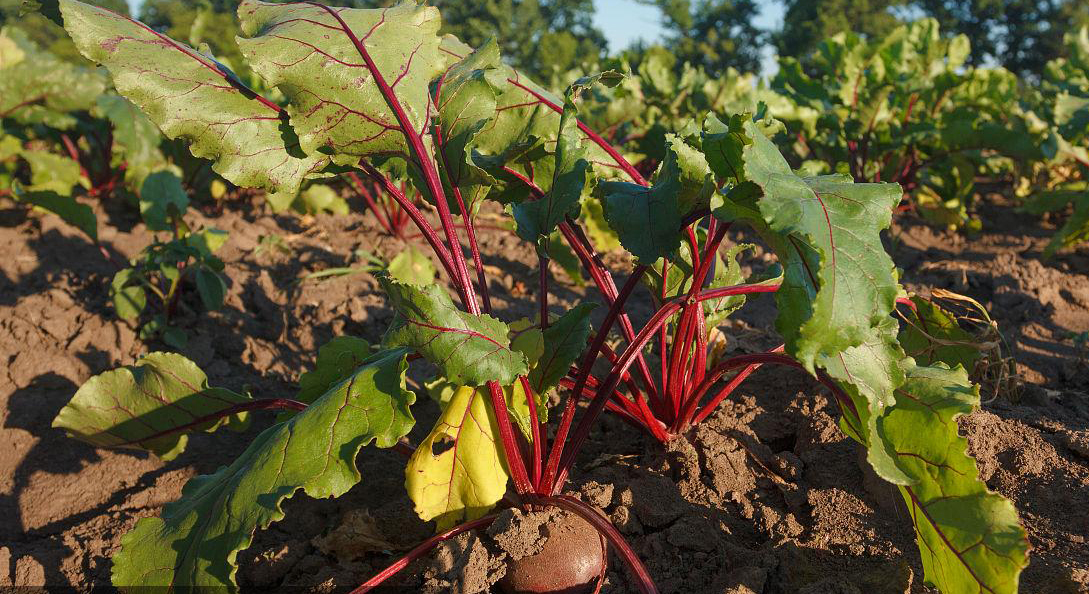
Red sugar beet contains various amino acids, organic acids, water-soluble vitamins, and minerals such as calcium, iron, and magnesium, which have the effects of lowering blood lipids and relieving constipation.

Red Beetroot Extract Powder 10:1, 20:1, 50:1 TLC
【Botanical source】: Beta vulgaris L.
【Part used】: Root
【Specification】: 10:1, 20:1, 50:1 TLC
【Extraction solvents】: Water
【Appearance】: Red fine powder
【Particle size】: 95% pass 80 mesh size
【Main ingredients】: Beetroot is rich in dietary fiber, vitamin C, folate, and minerals (such as potassium and iron), which have the effects of assisting antioxidant, promoting blood circulation, and regulating blood pressure. It is a natural food with low calories and high nutrition.
【Storage conditions】:Store at room temperature in a sealed manner, away from light, and in a ventilated, cool, and dry environment.
【Shelf life】: 24 months from the production date
Beetroot Extract Powder Production Flowchart
Beetroot raw materials -Coarse powder(40 mesh) -Low temperature water extraction – 1st Reflux Extraction(10 times water,2 Hrs) – 2nd Reflux Extraction8 times water,1.5 Hrs) – 3rd Reflux Extraction(6 times water,1 Hrs) – Extraction Solution-combine&Filtrate-Concentrate-Extractum-spray drying – screening – packaging – detection of physical and chemical indicators – warehousing
Specification Sheet of Beetroot Extract Powder
| Product name: | Beetroot Extract | ||
| Specification: | 10:1 TLC | ||
| Part used: | Root of Beta vulgaris L. | ||
| Solvent used: | Water | ||
| Process: | Raw materials crushed, extracted, concentrated and spray-dried to powder | ||
| Non GMO according to regulation (EC) 1829/2003 and 1830/2003 or United States requirements. Non allergen according to Directive 2007/68 amending Annex IIIa to Directive 2000/13/EC and US Food allergen labelling and consumer protection act 2004. | |||
| Heavy Metals: | |||
| Lead: | NMT 3ppm | Cadmium: | NMT 1ppm |
| Arsenic: | NMT 2ppm | Mercury: | NMT 1ppm |
| Residual solvents: | Comply to USP | ||
| Pesticides residues: | Conform to Regulation USP<561> | ||
| Microbiology: | |||
| Total plate count: | 10000cfu/g Max | Yeasts and molds: | 1000cfu/g Max |
| E.coli: | Not detected in (g)10 | Salmonella spp.: | Not detected in (g)25 |
| Staphylococcus aureus: | Not detected in (g)10 | Clostridium spp.: | Not Present in 0.1 g of food |
| Organoleptic quality | Method | Specifications | |
| Aspect: | Visual : ( CQ-MO-148) | Powder | |
| Color: | Visual : ( CQ-MO-148) | Brownish red | |
| Flavor: | Sensory: (CQ-MO-148) | Characteristic | |
| Analytical quality | Method | Specifications | |
| Identification: | TLC | Conform | |
| Loss on drying: | USP <731> | < 10% | |
| Bulk density: | USP <616> Method I | 40 – 60 g/100mL | |
| Particle size: | Analytical sieving || USP <786> | 100% through 80meshes | |
| Packaging suitable for foodstuff. | |||
Extended Reading
Summary of Modern Pharmacological Effects of Beetroot Extract
Beetroot (Beta vulgaris L.) extract is a rich source of unique bioactive compounds, including inorganic nitrate (NO₃⁻), betalains (betacyanins like betanin and betaxanthins), flavonoids, polyphenols, and minerals. These compounds underpin a diverse range of modern pharmacological effects, with inorganic nitrate and betalains being the primary drivers of its distinct benefits.
The key pharmacological effects identified in contemporary research include:
- Cardiovascular and Exercise Performance Enhancement: This is the most prominent and well-researched effect, primarily mediated by dietary nitrate (NO₃⁻).
- Nitric Oxide (NO) Pathway: Nitrate is reduced to nitrite by oral bacteria and further to nitric oxide (NO) in tissues. NO is a potent vasodilator.
- Effects: Reduces blood pressure (both systolic and diastolic), lowers peripheral arterial stiffness, improves endothelial function, and enhances blood flow. In exercise physiology, it reduces the oxygen cost of exercise, increases time to exhaustion, and improves performance in endurance sports.
- Antioxidant and Anti-inflammatory: Primarily attributed to betalains, especially betanin.
- Antioxidant: Betalains are potent scavengers of reactive oxygen (ROS) and nitrogen species (RNS). They also protect and upregulate endogenous antioxidant enzymes (SOD, CAT, GPx).
- Anti-inflammatory: Inhibits pro-inflammatory enzymes (COX-2, LOX) and the activation of the NF-κB and NLRP3 inflammasome pathways, reducing the production of cytokines like TNF-α, IL-1β, and IL-6.
- Hepatoprotective: Beetroot extract protects the liver against chemical-induced (e.g., CCl₄, paracetamol) and metabolic (e.g., high-fat diet) damage. It mitigates oxidative stress, reduces serum markers of liver damage (ALT, AST), inhibits hepatic lipid accumulation (steatosis), and exhibits anti-fibrotic effects.
- Anticancer and Chemopreventive (Preclinical): In vitro and animal studies suggest betanin and other beetroot components can:
- Inhibit proliferation and induce apoptosis (programmed cell death) in various cancer cell lines (e.g., breast, prostate, colon, lung).
- Modulate phase I and II detoxification enzymes.
- Exhibit anti-angiogenic and anti-metastatic properties.
- Cognitive and Neuroprotective Effects: The NO-mediated improvement in cerebral blood flow is central to this effect. Research indicates potential benefits for cognitive function in older adults and protection against neurodegenerative conditions. Anti-inflammatory and antioxidant actions within the brain also contribute to neuroprotection.
- Metabolic Health: Beetroot extract shows promise in improving parameters related to metabolic syndrome.
- Glucose Metabolism: Improves insulin sensitivity and reduces postprandial blood glucose spikes.
- Lipid Metabolism: Modestly reduces serum triglycerides and LDL-cholesterol while increasing HDL-cholesterol.
- Anti-obesity: May inhibit adipogenesis (fat cell formation) and reduce adipose tissue inflammation.
- Renoprotective: Protects against drug-induced (e.g., gentamicin) and metabolic kidney injury by reducing oxidative stress, inflammation, and fibrosis in renal tissues.
Mechanistic Insights: The dual-action pathway is key: 1) The nitrate-nitrite-NO pathway for cardiovascular, exercise, and cognitive benefits, and 2) The direct antioxidant and gene-regulatory actions of betalains for cellular protection, anti-inflammation, and chemoprevention. The bioavailability and stability of betalains are enhanced within the beetroot matrix.
Conclusion: Modern pharmacology validates beetroot extract as a potent functional food. Its effects on enhancing cardiovascular function and exercise performance via dietary nitrate are well-established in human trials. The betalain-driven antioxidant and anti-inflammatory effects offer broad protective benefits for metabolic organs (liver, kidney) and potential in chronic disease prevention. While clinical evidence for cognitive and anticancer effects is growing, it remains an area of active investigation. Consumption, typically as juice or concentrated extract, is generally safe, though it may cause beeturia (red urine/feces) and interact with certain medications like PDE5 inhibitors.
References
- Lidder, S., & Webb, A. J. (2013). Vascular effects of dietary nitrate (as found in green leafy vegetables and beetroot) via the nitrate-nitrite-nitric oxide pathway. British Journal of Clinical Pharmacology, 75(3), 677–696.
- Clifford, T., Howatson, G., West, D. J., & Stevenson, E. J. (2015). The potential benefits of red beetroot supplementation in health and disease. Nutrients, 7(4), 2801–2822.
- Georgiev, V. G., Weber, J., Kneschke, E. M., Denev, P. N., Bley, T., & Pavlov, A. I. (2010). Antioxidant activity and phenolic content of betalain extracts from intact plants and hairy root cultures of the red beetroot Beta vulgaris cv. Detroit dark red. Plant Foods for Human Nutrition, 65(2), 105–111.
- Kapil, V., Khambata, R. S., Robertson, A., Caulfield, M. J., & Ahluwalia, A. (2015). Dietary nitrate provides sustained blood pressure lowering in hypertensive patients: a randomized, phase 2, double-blind, placebo-controlled study. Hypertension, 65(2), 320–327.
- Tesoriere, L., Allegra, M., Butera, D., & Livrea, M. A. (2004). Absorption, excretion, and distribution of dietary antioxidant betalains in LDLs: potential health effects of betalains in humans. The American Journal of Clinical Nutrition, 80(4), 941–945.
- Lechner, J. F., & Stoner, G. D. (2019). Red beetroot and betalains as cancer chemopreventative agents. Molecules, 24(8), 1602.
- Wootton-Beard, P. C., & Ryan, L. (2011). A beetroot juice shot is a significant and convenient source of bioaccessible antioxidants. Journal of Functional Foods, 3(4), 329–334.
- Domínguez, R., Cuenca, E., Maté-Muñoz, J. L., García-Fernández, P., Serra-Paya, N., Estevan, M. C., … & Garnacho-Castaño, M. V. (2017). Effects of beetroot juice supplementation on cardiorespiratory endurance in athletes. A systematic review. Nutrients, 9(1), 43.
- Ninfali, P., & Angelino, D. (2013). Nutritional and functional potential of Beta vulgaris cicla and rubra. Fitoterapia, 89, 188–199.
- Mirmiran, P., Houshialsadat, Z., Gaeini, Z., Bahadoran, Z., & Azizi, F. (2020). Functional properties of beetroot (Beta vulgaris) in management of cardio-metabolic diseases. Nutrition & Metabolism, 17, 3.
Note: This summary is for informational purposes. It may interact with medications and is contraindicated in certain conditions. Consult a healthcare professional before therapeutic use, particularly regarding its estrogenic activity.