
Bitter Orange Flower Extract Powder 10:1, 20:1, 50:1 TLC

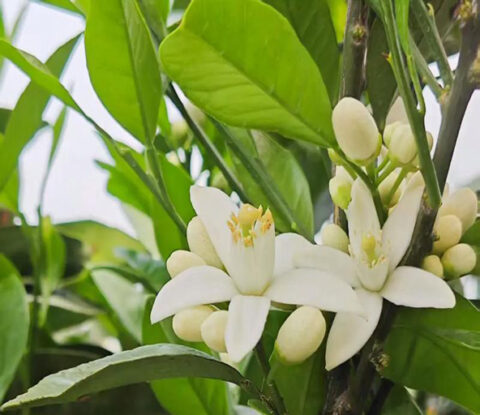


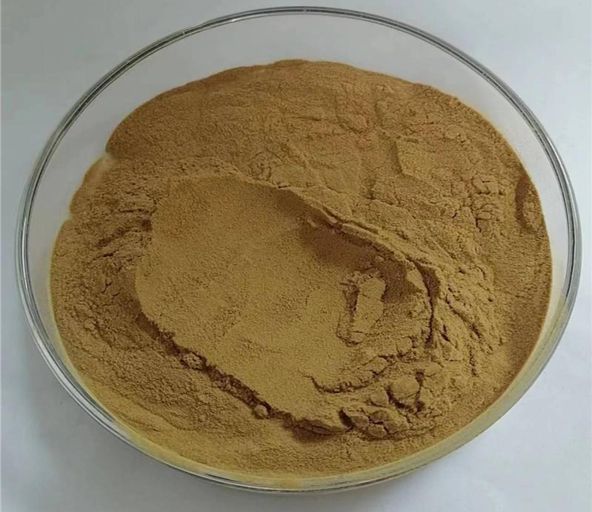
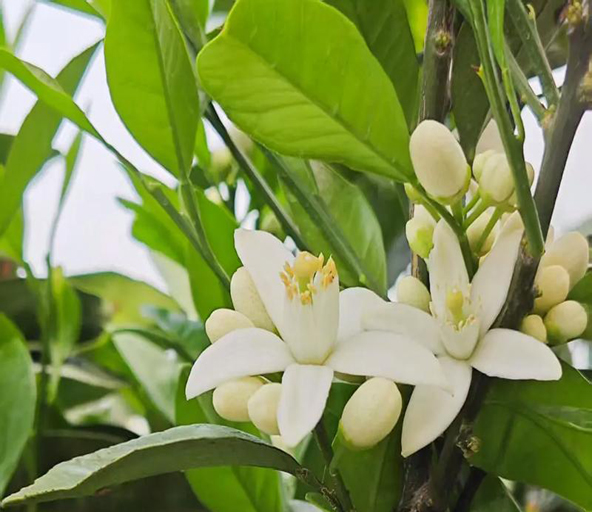
Mango instant powder is rich in mangiferin, polyphenols, and vitamins, which have strong antioxidant and anti-inflammatory activities, helping to enhance immunity. Its dietary fiber components can regulate gut microbiota, promote digestion, and assist in regulating blood glucose and lipid metabolism. In addition, it has positive benefits for skin health and vision protection, and is a convenient natural source of nutritional supplements.

Bitter Orange Flower Extract Powder 10:1, 20:1, 50:1 TLC
【Botanical source】: Citrus aurantium Engl.
【Part used】: Flower
【Specification】: 10:1, 20:1, 50:1 TLC
【Extraction solvents】: Water
【Appearance】: Brownish yellow fine powder
【Particle size】: 95% pass 80 mesh size
【Main ingredients】: Bitter Orange Flower mainly contains volatile oils (mainly terpenes such as linalool, limonene, and orange blossom alcohol), flavonoids (such as hesperidin), indole, and phenylethanol derivatives. These ingredients endow it with core effects of soothing and calming, anti anxiety, and improving sleep, while also possessing antibacterial, antioxidant, and skin soothing activities, making it widely used in aromatherapy and skincare fields.
【Storage conditions】:Store at room temperature in a sealed manner, away from light, and in a ventilated, cool, and dry environment.
【Shelf life】: 24 months from the production date
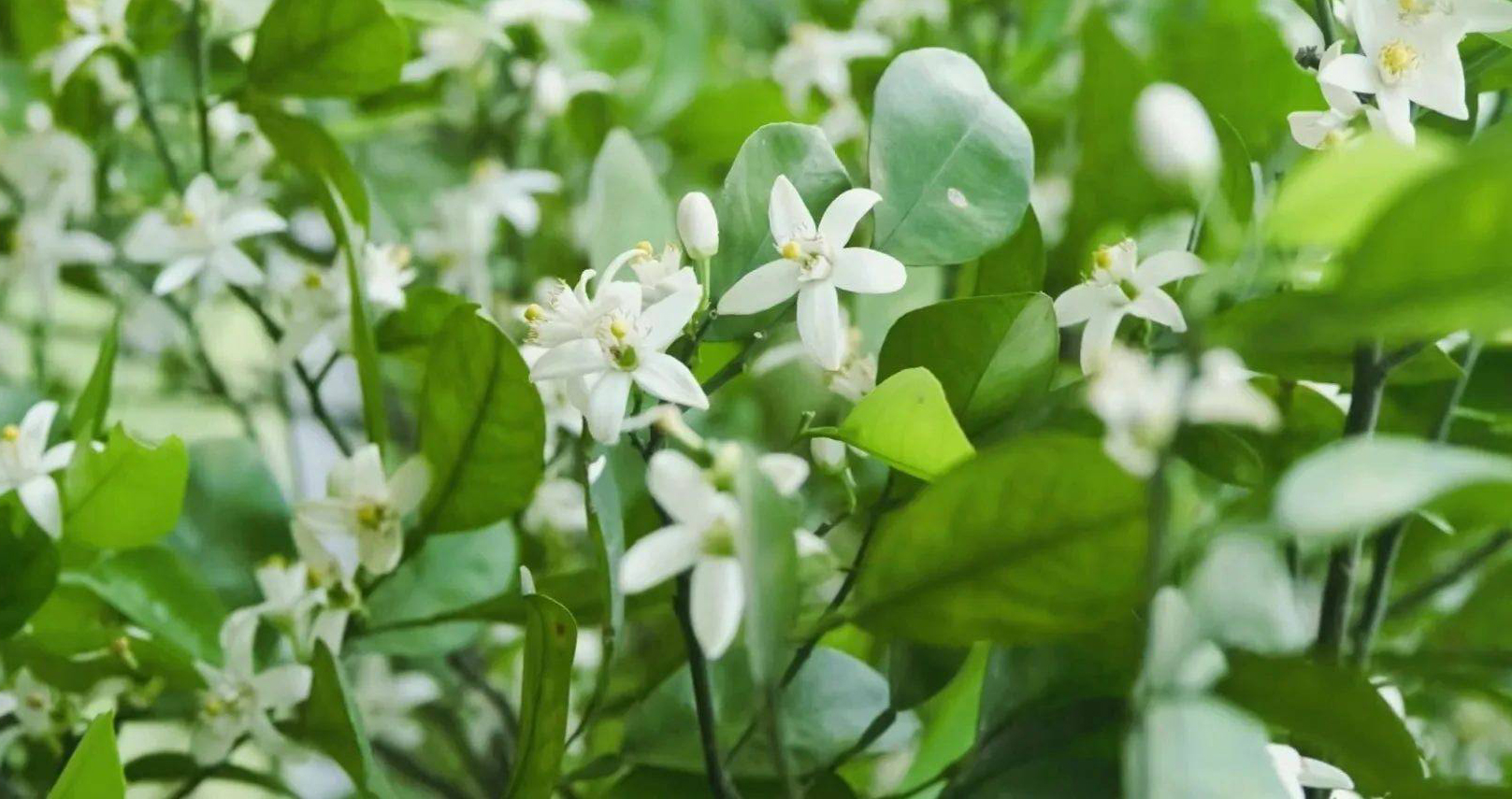
Bitter Orange Flower Extract Powder Production Flowchart
Bitter Orange Flower raw materials -Coarse powder(40 mesh) -Low temperature water extraction – 1st Reflux Extraction(10 times water,2 Hrs) – 2nd Reflux Extraction8 times water,1.5 Hrs) – 3rd Reflux Extraction(6 times water,1 Hrs) – Extraction Solution-combine&Filtrate-Concentrate-Extractum-spray drying – screening – packaging – detection of physical and chemical indicators – warehousing
Specification Sheet of Bitter Orange Flower Extract Powder
| Product name: | Bitter Orange Flower Extract | ||
| Specification: | 10:1 TLC | ||
| Part used: | Flower of Citrus aurantium Engl. | ||
| Solvent used: | Water | ||
| Process: | Raw materials crushed, extracted, concentrated and spray-dried to powder | ||
| Non GMO according to regulation (EC) 1829/2003 and 1830/2003 or United States requirements. Non allergen according to Directive 2007/68 amending Annex IIIa to Directive 2000/13/EC and US Food allergen labelling and consumer protection act 2004. | |||
| Heavy Metals: | |||
| Lead: | NMT 3ppm | Cadmium: | NMT 1ppm |
| Arsenic: | NMT 2ppm | Mercury: | NMT 1ppm |
| Residual solvents: | Comply to USP | ||
| Pesticides residues: | Conform to Regulation USP<561> | ||
| Microbiology: | |||
| Total plate count: | 10000cfu/g Max | Yeasts and molds: | 1000cfu/g Max |
| E.coli: | Not detected in (g)10 | Salmonella spp.: | Not detected in (g)25 |
| Staphylococcus aureus: | Not detected in (g)10 | Clostridium spp.: | Not Present in 0.1 g of food |
| Organoleptic quality | Method | Specifications | |
| Aspect: | Visual : ( CQ-MO-148) | Powder | |
| Color: | Visual : ( CQ-MO-148) | Brownish yellow | |
| Flavor: | Sensory: (CQ-MO-148) | Characteristic | |
| Analytical quality | Method | Specifications | |
| Identification: | TLC | Conform | |
| Loss on drying: | USP <731> | < 10% | |
| Bulk density: | USP <616> Method I | 40 – 60 g/100mL | |
| Particle size: | Analytical sieving || USP <786> | 100% through 80meshes | |
| Packaging suitable for foodstuff. | |||
Extended Reading
Modern Pharmacological Effects of Bitter Orange Flower Extract
Bitter orange flower extract, derived from the blossoms of Citrus aurantium L. (var. amara), is a rich source of bioactive compounds. Its primary components include volatile compounds (essential oil) such as linalool, limonene, α-terpineol, and nerolidol; flavonoids (e.g., hesperidin, naringin, neohesperidin); and coumarins. Traditionally used for its calming properties, modern research has substantiated and expanded its pharmacological profile.
Key Pharmacological Effects:
- Anxiolytic & Sedative: This is the most documented effect, largely attributed to the volatile fraction, especially linalool. The extract acts as a central nervous system depressant, exerting anxiolytic and mild sedative effects. It is believed to modulate GABAergic neurotransmission, enhancing the inhibitory effects of GABA, which contributes to reduced anxiety and improved sleep quality without significant impairment of motor function.
- Antioxidant & Anti-inflammatory: The flavonoids (hesperidin, naringin) and phenolic compounds confer significant free radical scavenging and metal chelating activities. This antioxidant capacity underlies its anti-inflammatory effects, which involve the inhibition of pro-inflammatory mediators such as nitric oxide (NO), prostaglandin E2 (PGE2), and cytokines (TNF-α, IL-6) in cellular models.
- Antimicrobial: The essential oil component demonstrates broad-spectrum antimicrobial activity against a range of Gram-positive and Gram-negative bacteria (e.g., Staphylococcus aureus, Escherichia coli) and fungi (e.g., Candida albicans). This effect is primarily due to membrane disruption by monoterpenes like linalool and limonene.
- Gastroprotective & Spasmolytic: The extract exhibits protective effects against gastric ulcers in animal models, reducing gastric acid secretion and enhancing mucosal defense. Its flavonoid content contributes to a spasmolytic (muscle-relaxing) effect on smooth muscle, which can help alleviate gastrointestinal spasms and cramps.
- Analgesic (Pain-Relieving): Preclinical studies indicate analgesic properties, potentially mediated through both central (interaction with opioid and GABAergic systems) and peripheral (anti-inflammatory) mechanisms, providing relief from various types of pain.
- Cardiovascular Effects: Some compounds, notably naringin and hesperidin, are associated with positive cardiovascular outcomes in preliminary research, including mild vasorelaxant effects, potential lipid-modulating activity, and protection against oxidative stress in vascular tissues. However, direct clinical evidence for the flower extract itself is limited.
Conclusion
Bitter orange flower extract is a multifaceted natural product with a strong traditional and scientific basis for its use in managing anxiety, insomnia, and mild digestive complaints. Its pharmacological profile, driven by a synergy between its volatile oil and flavonoid fractions, extends to antioxidant, antimicrobial, and analgesic activities. While promising, more targeted human clinical trials are needed to fully quantify its therapeutic efficacy and optimal dosing.
References
- Carvalho-Freitas, M. I., & Costa, M. (2002). Anxiolytic and sedative effects of extracts and essential oil from Citrus aurantium L. Biological & Pharmaceutical Bulletin, 25(12), 1629-1633.
- Huang, M., et al. (2020). Linalool, a component of essential oils, as an anxiolytic and sedative agent: Evidence from preclinical studies. Frontiers in Pharmacology, 11, 565923.
- Kheirkhah, M., et al. (2014). The effect of bitter orange flower extract on sleep quality in postmenopausal women: A triple-blind, randomized, placebo-controlled trial. European Journal of Integrative Medicine, 6(5), 545-550.
- López, V., et al. (2017). Neuroprotective and neurological properties of Citrus aurantium L. (bitter orange) in traditional medicine and modern research. Current Neuropharmacology, 15(3), 376-385.
- Miyake, Y., et al. (2007). Antioxidative and anti-inflammatory properties of Citrus flavonoid hesperidin: Implications for cancer chemoprevention. Journal of Clinical Biochemistry and Nutrition, 41(1), 8-14.
- Pultrini, A. M., Galindo, L. A., & Costa, M. (2006). Effects of the essential oil from Citrus aurantium L. in experimental anxiety models in mice. Life Sciences, 78(15), 1720-1725.
- Shen, C. Y., et al. (2012). Antimicrobial activity and mechanism of action of the Citrus aurantium var. amara essential oil. Food Chemistry, 134(4), 2181-2188.
- Taqi, S. A., et al. (2021). Gastroprotective effects of Citrus aurantium L. (bitter orange) peel and flower extracts against ethanol-induced gastric ulcers in rats. Journal of Ethnopharmacology, 268, 113573.
- Viya, S., et al. (2022). A review on the phytochemistry and pharmacology of Citrus aurantium L. (bitter orange) flowers. Phytotherapy Research, 36(1), 108-130.
- Wilmsen, P. K., Spada, D. S., & Salvador, M. (2005). Antioxidant activity of the flavonoid hesperidin in chemical and biological systems. Journal of Agricultural and Food Chemistry, 53(12), 4757-4761.
Note: This summary is for informational purposes. It may interact with medications and is contraindicated in certain conditions. Consult a healthcare professional before therapeutic use, particularly regarding its estrogenic activity.