
Wood Ear, Black Fungus Extract Powder 10:1, 20:1, 50:1 TLC

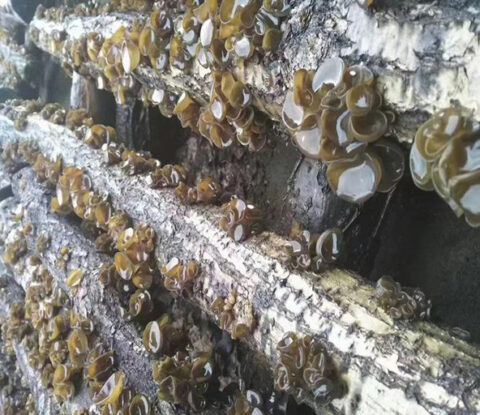


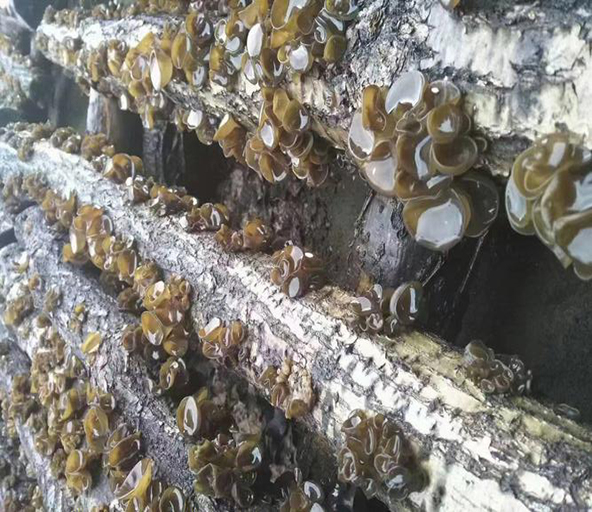
Black fungus contains about 60% polysaccharides (such as black fungus polysaccharides), which have antioxidant and immune regulatory effects, can help eliminate free radicals in the body, and enhance macrophage activity.

Wood Ear, Black Fungus Extract Powder 10:1, 20:1, 50:1 TLC
【Botanical source】: Auricularia auricula(L.ex Hook.)Underw
【Part used】: Fruitingbody
【Specification】: 10:1 20:1 50:1TLC
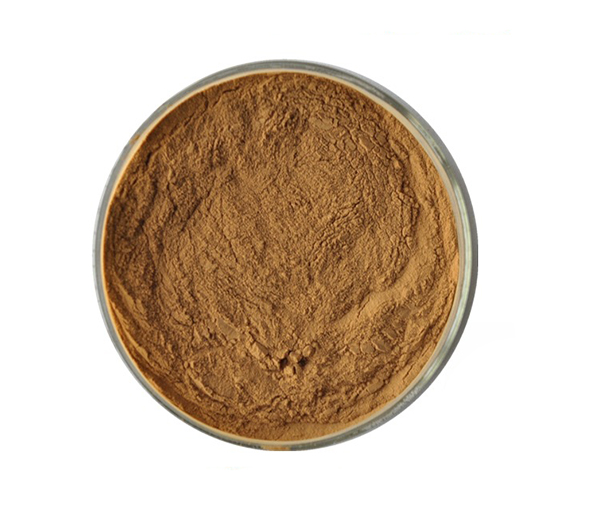
【Appearance】: Brownish yellow fine powder
【Extraction solvents】: Water
【Particle size】: 95% pass 80 mesh size
【Main ingredients】: Black fungus polysaccharides are one of the main chemical components of black fungus. The fruiting body of black fungus contains four types of polysaccharides, namely F Ⅰ – A, F Ⅰ – B, F Ⅱ, and F Ⅲ, among which F Ⅰ – A and F Ⅱ are acidic heteropolysaccharides.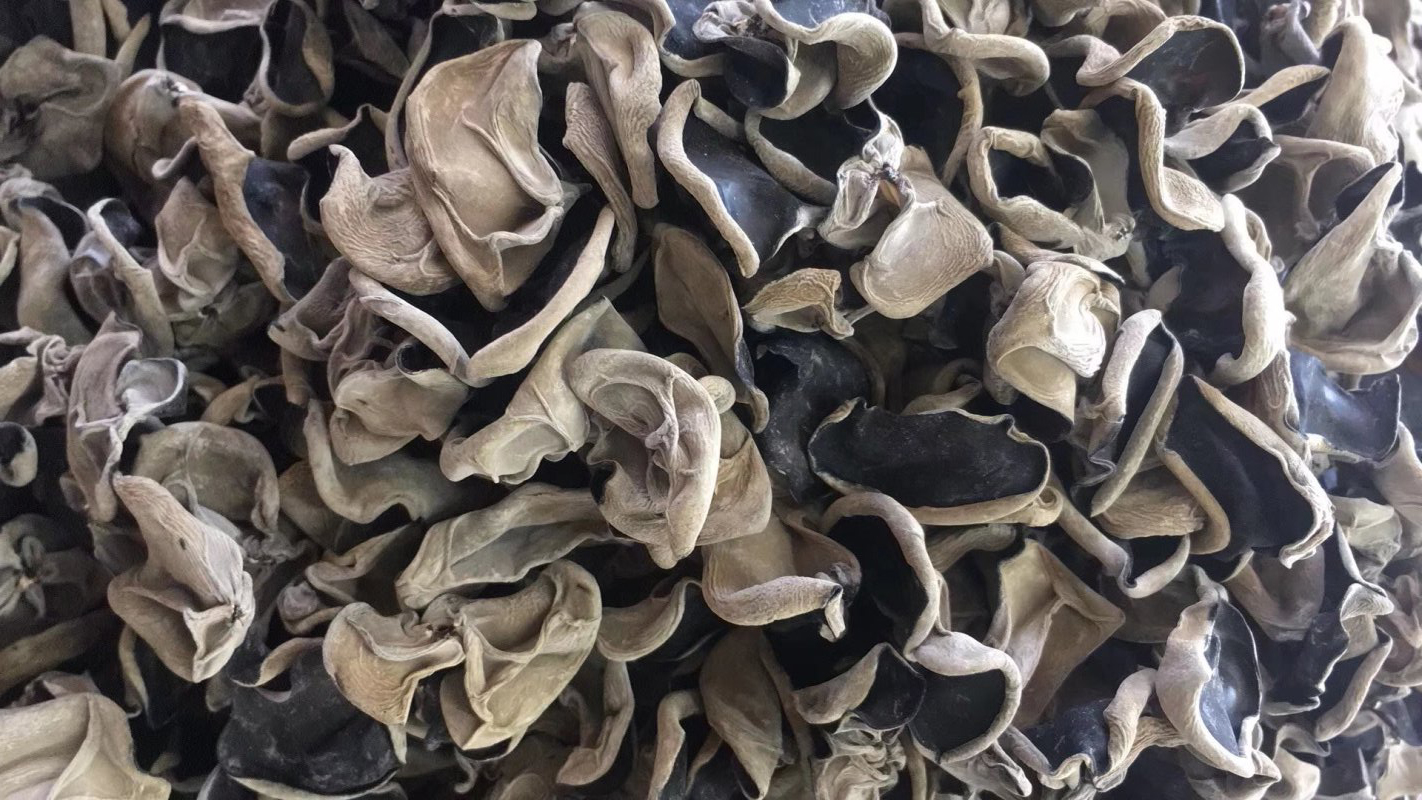
Black Fungus Extract Powder Production Flowchart
Black Fungus raw materials -Coarse powder(40 mesh) -Low temperature water extraction – 1st Reflux Extraction(10 times water,2 Hrs) – 2nd Reflux Extraction8 times water,1.5 Hrs) – 3rd Reflux Extraction(6 times water,1 Hrs) – Extraction Solution-combine&Filtrate-Concentrate-Extractum-spray drying – screening – packaging – detection of physical and chemical indicators – warehousing
Specification Sheet of Black Fungus Extract Powder
| Product name: | Black Fungus Extract | ||
| Specification: | 10:1 TLC | ||
| Part used: | Frutingbody of Auricularia auricula(L.ex Hook.)Underw | ||
| Solvent used: | Water | ||
| Process: | Raw materials crushed, extracted, concentrated and spray-dried to powder | ||
| Non GMO according to regulation (EC) 1829/2003 and 1830/2003 or United States requirements. Non allergen according to Directive 2007/68 amending Annex IIIa to Directive 2000/13/EC and US Food allergen labelling and consumer protection act 2004. | |||
| Heavy Metals: | |||
| Lead: | NMT 3ppm | Cadmium: | NMT 1ppm |
| Arsenic: | NMT 2ppm | Mercury: | NMT 1ppm |
| Residual solvents: | Comply to USP | ||
| Pesticides residues: | Conform to Regulation USP<561> | ||
| Microbiology: | |||
| Total plate count: | 10000cfu/g Max | Yeasts and molds: | 1000cfu/g Max |
| E.coli: | Not detected in (g)10 | Salmonella spp.: | Not detected in (g)25 |
| Staphylococcus aureus: | Not detected in (g)10 | Clostridium spp.: | Not Present in 0.1 g of food |
| Organoleptic quality | Method | Specifications | |
| Aspect: | Visual : ( CQ-MO-148) | Powder | |
| Color: | Visual : ( CQ-MO-148) | Brownish yellow | |
| Flavor: | Sensory: (CQ-MO-148) | Characteristic | |
| Analytical quality | Method | Specifications | |
| Identification: | TLC | Conform | |
| Loss on drying: | USP <731> | < 10% | |
| Bulk density: | USP <616> Method I | 40 – 60 g/100mL | |
| Particle size: | Analytical sieving || USP <786> | 100% through 80meshes | |
| Packaging suitable for foodstuff. | |||
Extended Reading
Summary of Modern Pharmacological Research on Black Fungus Extract
Black fungus, also known as wood ear mushroom or Auricularia auricula-judae, is an edible fungus widely used in traditional medicine, particularly in East Asia. Modern pharmacological research has identified a diverse array of bioactive compounds, primarily polysaccharides (especially β-glucans), polyphenols, melanin, and proteins, which contribute to its significant health-promoting properties.
- Immunomodulatory and Anti-tumor Activity
The most prominent area of research focuses on its immunomodulatory effects. Polysaccharides from black fungus (ABPs – AuriculariaPolysaccharides) have been shown to enhance immune function by activating macrophages, promoting phagocytosis, stimulating the production of cytokines (e.g., IL-2, TNF-α, IFN-γ), and increasing natural killer (NK) cell activity. This immunostimulation underlies its potential anti-cancer (adjuvant) effects, where studies report inhibition of tumor growth and metastasis in various cancer models, including sarcoma and hepatoma, often through immune system activation and induction of apoptosis. - Antioxidant and Anti-aging Effects
Black fungus extract exhibits strong free radical scavenging activity (against DPPH, hydroxyl, and superoxide radicals) in vitro. Its polysaccharides and polyphenols protect cells from oxidative damage, reducing lipid peroxidation and enhancing the activity of endogenous antioxidant enzymes like superoxide dismutase (SOD) and glutathione peroxidase (GSH-Px). This antioxidant capacity is linked to potential anti-aging and cytoprotective benefits. - Anticoagulant, Antithrombotic, and Hypolipidemic Effects
A key traditional use is for “blood-activating” properties, which modern science correlates with potent anticoagulant (blood-thinning) activity. Polysaccharide fractions have been shown to inhibit platelet aggregation, prolong clotting times (e.g., activated partial thromboplastin time – APTT), and prevent thrombus formation. Concurrently, black fungus extract can lower serum total cholesterol, triglycerides, and LDL-cholesterol while raising HDL-cholesterol in hyperlipidemic animal models, contributing to cardiovascular protection. - Hypoglycemic and Anti-diabetic Potential
Studies in diabetic rodent models demonstrate that black fungus polysaccharides can significantly reduce fasting blood glucose, improve glucose tolerance, and increase insulin sensitivity. Proposed mechanisms include protection of pancreatic β-cells, inhibition of intestinal α-glucosidase activity (slowing carbohydrate absorption), and enhancement of hepatic glycogen synthesis. - Hepatoprotective and Renoprotective Effects
Extracts have shown protective effects against liver injury induced by chemicals (e.g., CCl₄) or alcohol, as evidenced by reduced levels of serum markers (ALT, AST) and improved liver histopathology. Similarly, studies indicate a renoprotective role, attenuating kidney damage and fibrosis in diabetic nephropathy models by reducing oxidative stress and inflammatory markers. - Prebiotic and Gastrointestinal Health
The indigestible polysaccharides in black fungus act as prebiotics, promoting the growth of beneficial gut bacteria (e.g., Lactobacillus, Bifidobacterium) and enhancing the production of short-chain fatty acids (SCFAs). This supports gut barrier integrity, modulates immune responses, and contributes to overall metabolic health. - Radiation Protection and Heavy Metal Chelation
Emerging research suggests melanin and polysaccharides from black fungus may offer radioprotective effects and aid in the chelation and excretion of heavy metals, potentially due to their strong metal-binding capacities.
Conclusion
Modern pharmacological investigations reveal that black fungus extract possesses a multifaceted therapeutic profile, largely driven by its complex polysaccharides. Its most notable evidence-supported effects include immunomodulation, antioxidant activity, anticoagulation, and hypolipidemic/hypoglycemic actions. While promising, much of the data comes from in vitro and animal studies. Further research, including detailed mechanistic studies and rigorous human clinical trials, is necessary to standardize extracts, confirm efficacy, and establish safe therapeutic doses for specific health conditions.
References
- Chen, G., et al. (2021). Structural characterization and immunomodulatory activity of a novel polysaccharide from Auricularia auricula. International Journal of Biological Macromolecules, 190, 301-312.
- De Silva, D. D., et al. (2013). Antioxidant and immunomodulatory activities of polysaccharide extracts from the medicinal mushrooms Auricularia auricula-judae. Pharmaceutical Biology, 51(10), 1300-1307.
- Fan, L., et al. (2007). Evaluation of antioxidant property and quality of breads containing Auricularia auriculapolysaccharide flour. Food Chemistry, 101(3), 1158-1163.
- Li, S., et al. (2020). Hypoglycemic and hypolipidemic effects of Auricularia auriculapolysaccharides in streptozotocin-induced diabetic rats. Journal of Functional Foods, 72, 104058.
- Ma, Z., et al. (2010). Antitumor and immunomodulating activity of polysaccharides from the root of Auricularia polytricha. Mycosystema, 29(2), 254-260.
- Rehman, A., et al. (2017). Auricularia auricula-judae(Bull.) Quél. – A potential natural source of antioxidants, anticoagulant and anticancer agents. Journal of Food Biochemistry, 41(6), e12415.
- Thiyonila, B., et al. (2020). Antioxidant and anticoagulant activities of mycelia polysaccharides from Auricularia auricula-judaeafter fermentation. Process Biochemistry, 97, 72-80.
- Wang, L., et al. (2018). Auricularia auricula-judaepolysaccharide attenuates diabetic nephropathy by regulating oxidative stress and TGF-β/Smad signaling pathway in rats. Journal of Functional Foods, 45, 375-383.
- Xu, S., et al. (2016). The mechanism of anticoagulant and antithrombotic effects of Auricularia auriculaInternational Journal of Biological Macromolecules, 92, 1057-1064.
- Zhang, Y., et al. (2022). Prebiotic potential and anti-diabetic effects of Auricularia auriculapolysaccharides via modulation of gut microbiota. Food & Function, 13(3), 1648-1660.
Note: This summary is for informational purposes. It may interact with medications and is contraindicated in certain conditions. Consult a healthcare professional before therapeutic use, particularly regarding its estrogenic activity.