
Black Maca Extract Powder 10:1, 20:1, 50:1 TLC

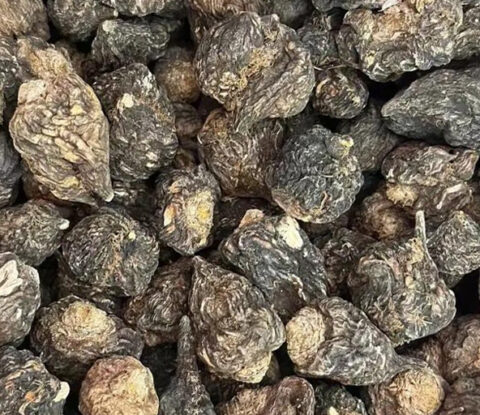


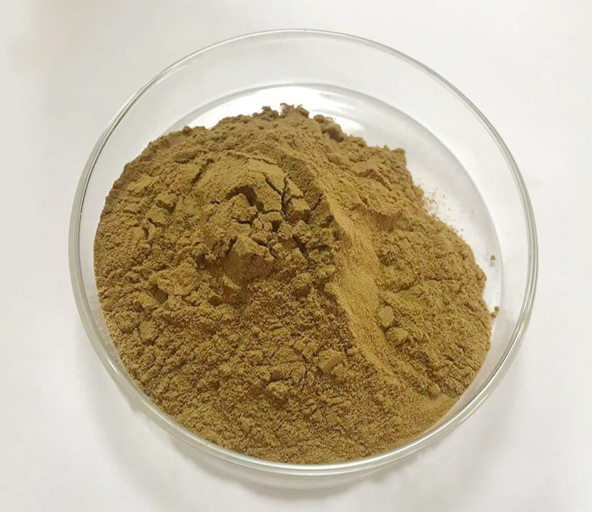
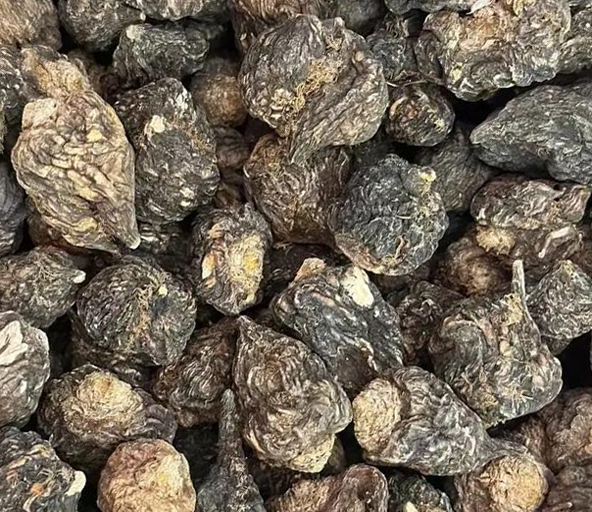
Modern research has shown that Heimaka has the effects of improving sexual function, increasing fertility, enhancing immunity, regulating endocrine function, anti osteoporosis, neuroprotection, anti fatigue, anti-aging, etc.

Black Maca Extract Powder 10:1, 20:1, 50:1 TLC
【Botanical source】: Lepidium meyenii Walp
【Part used】: Roots of Lepidium meyenii Walp. Black maca is native to the Andes mountain region of South America, mainly distributed in the Puno ecological zone in Peru and the southeastern city of Puno. It has been introduced to countries such as the United States, Japan, and Spain. It has been introduced and cultivated in Yunnan, Xinjiang, Xizang and other places in China.
【Specification】: 10:1 20:1 50:1TLC
【Appearance】: Brownish yellow fine powder
【Extraction solvents】: Water
【Particle size】: 95% pass 80 mesh size
【Main ingredients】: Maca is a cruciferous plant native to South America. Its rhizome contains various active ingredients such as alkaloids, glucosinolates, sterols, and is also rich in nutrients such as amino acids, minerals (such as calcium, iron, zinc, selenium), and vitamins (such as vitamin C and B group). It is believed to have potential effects in regulating endocrine function and enhancing physical fitness.
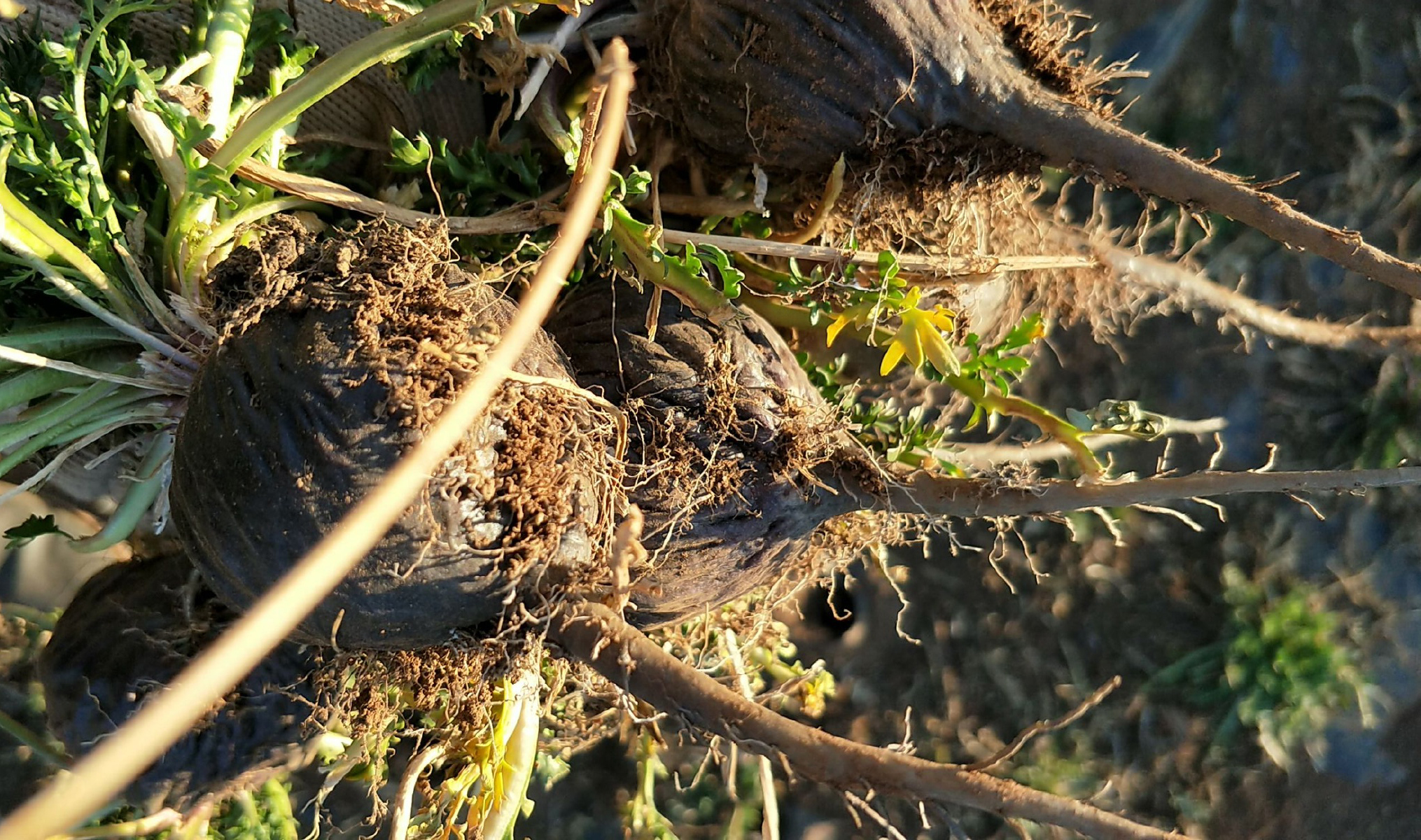
Black Maca Extract Extract Powder Production Flowchart
Black Maca raw materials -Coarse powder(40 mesh) -Low temperature water extraction – 1st Reflux Extraction(10 times water,2 Hrs) – 2nd Reflux Extraction8 times water,1.5 Hrs) – 3rd Reflux Extraction(6 times water,1 Hrs) – Extraction Solution-combine&Filtrate-Concentrate-Extractum-spray drying – screening – packaging – detection of physical and chemical indicators – warehousing
Specification Sheet of Black Maca Extract Powder
| Product name: | Black Maca Extract | ||
| Specification: | 10:1 TLC | ||
| Part used: | Root of Lepidium meyenii Walp | ||
| Solvent used: | Water | ||
| Process: | Raw materials crushed, extracted, concentrated and spray-dried to powder | ||
| Non GMO according to regulation (EC) 1829/2003 and 1830/2003 or United States requirements. Non allergen according to Directive 2007/68 amending Annex IIIa to Directive 2000/13/EC and US Food allergen labelling and consumer protection act 2004. | |||
| Heavy Metals: | |||
| Lead: | NMT 3ppm | Cadmium: | NMT 1ppm |
| Arsenic: | NMT 2ppm | Mercury: | NMT 1ppm |
| Residual solvents: | Comply to USP | ||
| Pesticides residues: | Conform to Regulation USP<561> | ||
| Microbiology: | |||
| Total plate count: | 10000cfu/g Max | Yeasts and molds: | 1000cfu/g Max |
| E.coli: | Not detected in (g)10 | Salmonella spp.: | Not detected in (g)25 |
| Staphylococcus aureus: | Not detected in (g)10 | Clostridium spp.: | Not Present in 0.1 g of food |
| Organoleptic quality | Method | Specifications | |
| Aspect: | Visual : ( CQ-MO-148) | Powder | |
| Color: | Visual : ( CQ-MO-148) | Brownish yellow | |
| Flavor: | Sensory: (CQ-MO-148) | Characteristic | |
| Analytical quality | Method | Specifications | |
| Identification: | TLC | Conform | |
| Loss on drying: | USP <731> | < 10% | |
| Bulk density: | USP <616> Method I | 40 – 60 g/100mL | |
| Particle size: | Analytical sieving || USP <786> | 100% through 80meshes | |
| Packaging suitable for foodstuff. | |||
Extended Reading
Modern Pharmacological Effects of Black Maca Extract
Black Maca (a phenotype of Peruvian Maca) is an adaptogenic root traditionally used for energy, fertility, and hormonal balance. Modern research focuses on its unique phytochemical profile (macamides, macaenes, glucosinolates, alkaloids) and specific biological effects.
- Enhanced Sexual Function & Libido
- Mechanism: Modulates neurotransmitters (dopamine, serotonin) and endothelial nitric oxide (NO) pathways; increases sexual motivation without altering sex hormones.
- Evidence: Human and animal studies show improved sexual desire, erectile function, and reduced sexual dysfunction, particularly in men. Effects are more pronounced than other Maca colors.
- Sperm Quality & Male Fertility
- Mechanism: Antioxidant protection of spermatogenic cells; upregulation of genes involved in sperm maturation.
- Evidence: RCTs demonstrate increased sperm count, motility, and morphology in healthy and infertile men. Often used as a natural supplement for male subfertility.
- Physical Performance & Energy Metabolism
- Mechanism: Enhances mitochondrial function, reduces exercise-induced oxidative stress, and supports ATP production.
- Evidence: Studies report improved endurance, reduced fatigue, and increased muscle mass/strength in athletes and sedentary individuals.
- Neuroprotective & Cognitive Effects
- Mechanism: Antioxidant and anti-inflammatory actions in the hippocampus; modulation of brain-derived neurotrophic factor (BDNF).
- Evidence: Animal models show enhanced memory, learning, and protection against neurodegeneration. Human data suggest reduced anxiety and mild cognitive benefits.
- Hormonal Balance (Non-Direct Action)
- Key Note: Unlike hormones, Black Maca does not directly supply or mimic sex hormones but may support endocrine homeostasis.
- Evidence: Helps alleviate symptoms of androgen decline (e.g., mild fatigue, low libido) without significantly altering serum testosterone, FSH, or LH levels in most studies.
- Antioxidant & Adaptogenic Properties
- Mechanism: High polyphenol and glucosinolate content scavenges free radicals; modulates stress-response pathways (e.g., HSP70).
- Evidence: Reduces oxidative markers in clinical settings; enhances resilience to physical and mental stress.
- Bone Health
- Mechanism: Stimulates osteoblast activity and bone mineralization (shown primarily in animal models).
- Evidence: May improve bone density in postmenopausal women or osteoporosis models, though human trials are limited.
Safety & Considerations
- Generally safe at doses of 1.5–3 g/day; mild GI discomfort possible.
- Interactions: Theoretical interaction with hypertensive/hypotensive drugs due to potential vascular effects.
- Pregnancy/Breastfeeding: Insufficient safety data; traditional use suggests caution.
Current Research Gaps
- Most robust data exist for male reproductive health; female-specific benefits (e.g., PCOS, menopause) need larger RCTs.
- Long-term safety (>6 months) and standardized bioactive markers (e.g., macamide content) require further study.
Conclusion:
Black Maca is distinguished from other Maca types by its stronger effects on spermatogenesis, physical endurance, and neuroprotection. Its actions are largely attributed to antioxidant, metabolic, and neurotransmitter-modulating properties rather than direct hormonal effects. It is widely used as a nutraceutical for male fertility, sports nutrition, and mild stress-related fatigue, supported by growing clinical evidence.