
Black Rice Extract Powder 10:1, 20:1, 50:1 TLC, Anthocyanin 25% UV
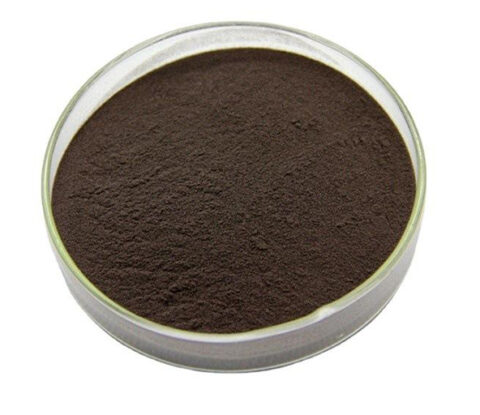
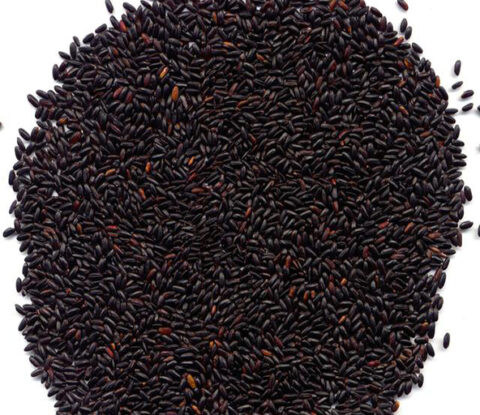


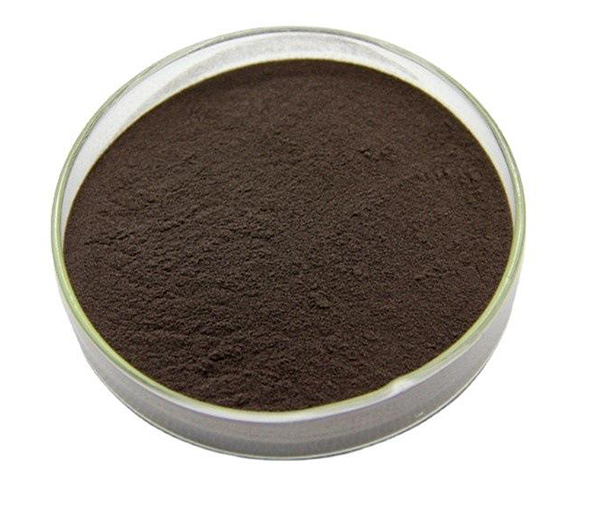
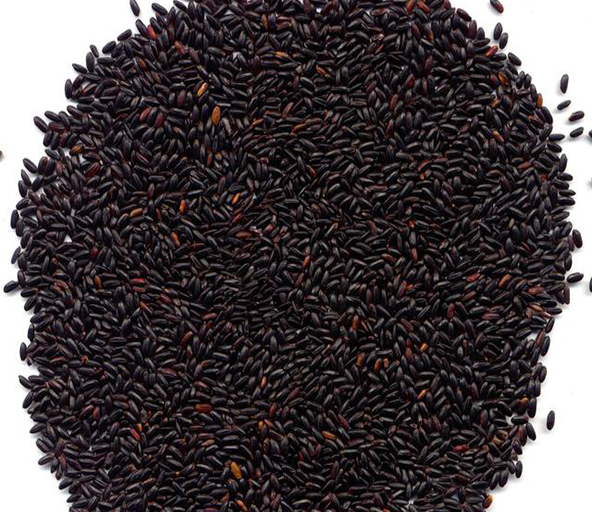
The inorganic salts such as manganese, zinc, and copper contained in black rice extract are mostly 1-3 times higher than those in rice; Black rice contains special components such as vitamin C, chlorophyll, anthocyanins, carotenoids, and cardiac glycosides that rice lacks, making it more nutritious than regular rice.

Black Rice Extract Powder 10:1, 20:1, 50:1 TLC, Anthocyanin 25% UV
【Botanical source】: Oryza sativa L.
【Part used】: Grains
【Specification】: 10:1 20:1 50:1TLC, Anthocyanin 25% UV
【Appearance】: Black purple fine powder
【Extraction solvents】: Water
【Particle size】: 95% pass 80 mesh size
【Main ingredients】: Black rice is rich in nutrients such as protein, carbohydrates, B vitamins, vitamin E, calcium, phosphorus, potassium, magnesium, iron, and zinc. It contains higher levels of inorganic salts like manganese, zinc, and copper—1 to 3 times more than white rice. Additionally, black rice is unique in its content of vitamin C, chlorophyll, anthocyanins, carotene, and cardiac glycosides, which are lacking in white rice. As a result, black rice is more nutritious than ordinary white rice. 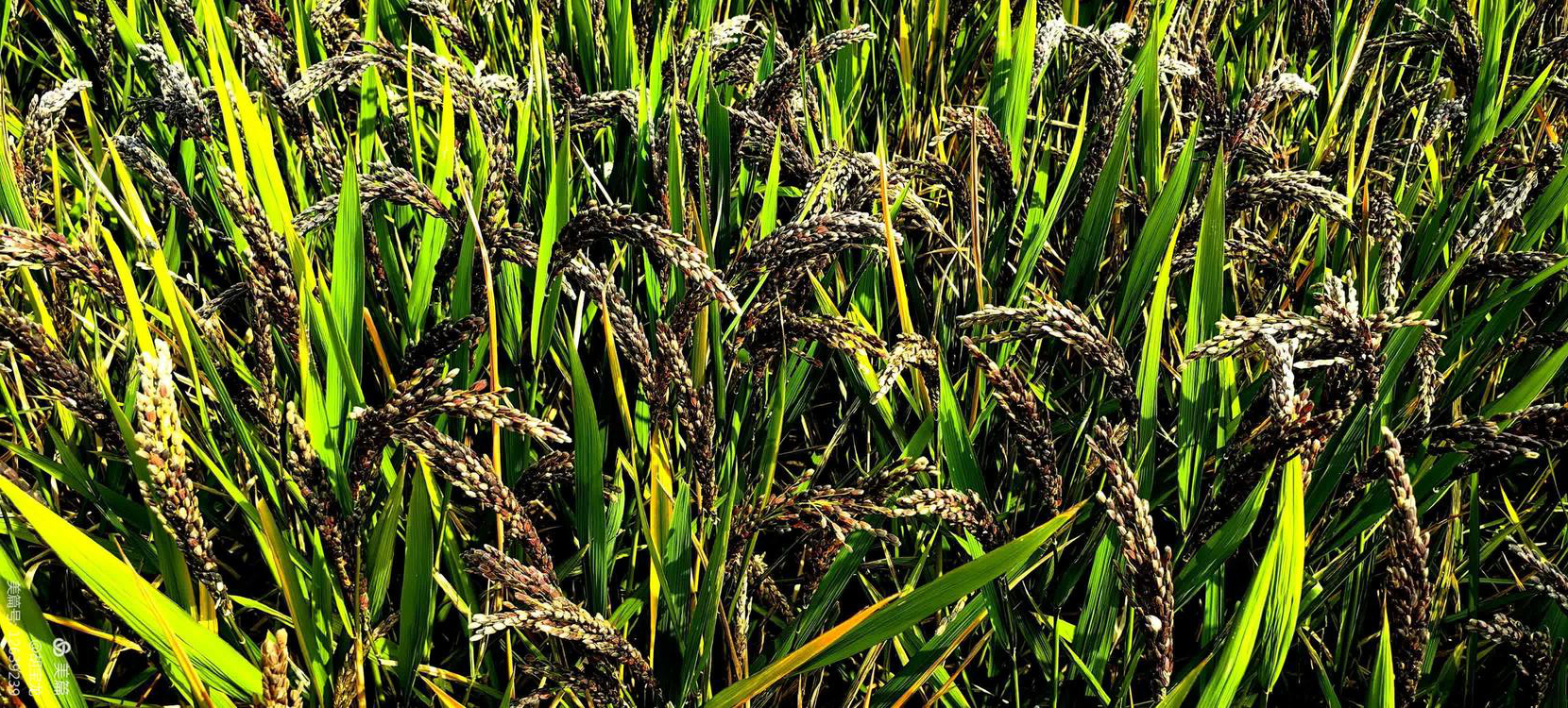
Black Rice Extract Powder Production Flowchart
Black Rice raw materials -Coarse powder(40 mesh) -Low temperature water extraction – 1st Reflux Extraction(10 times water,2 Hrs) – 2nd Reflux Extraction8 times water,1.5 Hrs) – 3rd Reflux Extraction(6 times water,1 Hrs) – Extraction Solution-combine&Filtrate-Concentrate-Extractum-spray drying – screening – packaging – detection of physical and chemical indicators – warehousing
Specification Sheet of Black Rice Extract Powder
| Product name: | Black Rice Extract | ||
| Specification: | 10:1 TLC | ||
| Part used: | Grains of Oryza sativa L. | ||
| Solvent used: | Water | ||
| Process: | Raw materials crushed, extracted, concentrated and spray-dried to powder | ||
| Non GMO according to regulation (EC) 1829/2003 and 1830/2003 or United States requirements. Non allergen according to Directive 2007/68 amending Annex IIIa to Directive 2000/13/EC and US Food allergen labelling and consumer protection act 2004. | |||
| Heavy Metals: | |||
| Lead: | NMT 3ppm | Cadmium: | NMT 1ppm |
| Arsenic: | NMT 2ppm | Mercury: | NMT 1ppm |
| Residual solvents: | Comply to USP | ||
| Pesticides residues: | Conform to Regulation USP<561> | ||
| Microbiology: | |||
| Total plate count: | 10000cfu/g Max | Yeasts and molds: | 1000cfu/g Max |
| E.coli: | Not detected in (g)10 | Salmonella spp.: | Not detected in (g)25 |
| Staphylococcus aureus: | Not detected in (g)10 | Clostridium spp.: | Not Present in 0.1 g of food |
| Organoleptic quality | Method | Specifications | |
| Aspect: | Visual : ( CQ-MO-148) | Powder | |
| Color: | Visual : ( CQ-MO-148) | Black purple | |
| Flavor: | Sensory: (CQ-MO-148) | Characteristic | |
| Analytical quality | Method | Specifications | |
| Identification: | TLC | Conform | |
| Loss on drying: | USP <731> | < 10% | |
| Bulk density: | USP <616> Method I | 40 – 60 g/100mL | |
| Particle size: | Analytical sieving || USP <786> | 100% through 80meshes | |
| Packaging suitable for foodstuff. | |||
Extended Reading
Summary of Modern Pharmacological Research on Black Rice Extract
Black rice (Oryza sativa L. indica), often termed “forbidden rice,” is gaining significant scientific attention due to its dense concentration of bioactive compounds, primarily anthocyanins (like cyanidin-3-O-glucoside), along with flavonoids, phenolic acids, and vitamin E. Modern pharmacological research highlights its potential in several therapeutic areas.
- Antioxidant and Anti-inflammatory Activity
The most well-established property is its potent antioxidant capacity. Black rice extract (BRE) effectively scavenges free radicals (e.g., DPPH, ABTS radicals) and reduces oxidative stress markers in vitroand in animal models. This activity is directly linked to its anthocyanin content. Concurrently, BRE demonstrates anti-inflammatory effects by inhibiting the production of pro-inflammatory mediators like nitric oxide (NO), prostaglandin E2 (PGE2), and cytokines (TNF-α, IL-6), often through the suppression of the NF-κB signaling pathway. - Cardioprotective and Anti-atherosclerotic Effects
Research indicates BRE can improve lipid profiles by reducing serum triglycerides, LDL-cholesterol, and total cholesterol while increasing HDL-cholesterol in diet-induced hyperlipidemic animals. It protects vascular endothelial function, reduces atherosclerotic plaque formation, and exhibits anti-hypertensive potential, contributing to overall cardiovascular health. - Anti-diabetic and Anti-obesity Effects
BRE shows promise in managing metabolic disorders. It can inhibit digestive enzymes (α-amylase, α-glucosidase), potentially slowing carbohydrate absorption. Studies in diabetic models report improved insulin sensitivity, reduced blood glucose levels, and protection of pancreatic β-cells. Its anti-obesity effects are linked to the inhibition of adipogenesis (fat cell formation) and reduction of lipid accumulation in tissues. - Hepatoprotective and Neuroprotective Effects
BRE protects the liver from damage induced by toxins, alcohol, or high-fat diets by mitigating oxidative stress and inflammation, thereby reducing serum markers of liver injury (ALT, AST). Emerging neuropharmacological studies suggest BRE can cross the blood-brain barrier, attenuate oxidative stress in neuronal cells, inhibit acetylcholinesterase, and reduce neuroinflammation, showing potential in models of cognitive impairment and Alzheimer’s disease. - Anti-cancer Potential
In vitrostudies report that BRE and its anthocyanins exhibit anti-proliferative and pro-apoptotic effects against various cancer cell lines, including breast, colon, gastric, and leukemia cells. Proposed mechanisms include cell cycle arrest, induction of apoptosis via mitochondrial pathways, and inhibition of cancer cell metastasis and angiogenesis. However, robust in vivoclinical evidence is still needed. - Skin Protection
Topical application or oral intake of BRE has been shown in studies to protect skin from ultraviolet B (UVB)-induced damage, wrinkle formation, and hyperpigmentation by scavenging free radicals and inhibiting melanin synthesis.
Conclusion
Modern pharmacological research substantiates the broad health potential of black rice extract, primarily attributed to its anthocyanins. Its activities span antioxidant, anti-inflammatory, cardiometabolic, hepatoprotective, and neuroprotective effects. Most evidence is derived from in vitro and animal studies; therefore, further well-designed human clinical trials are essential to validate these therapeutic benefits and establish effective dosing for human health applications.
References
- Chen, X., et al. (2020). Black rice anthocyanins attenuate oxidative stress and inflammation in human umbilical vein endothelial cells via the NADPH oxidase/Nrf2/ARE pathway. Food & Nutrition Research, 64.
- Choi, S. P., et al. (2019). Antioxidant and anti-inflammatory activities of black rice (Oryza sativa) extract in vitro and in vivo. Journal of Food Biochemistry, 43(8), e12943.
- Hui, C., et al. (2020). Anthocyanins, from black rice, attenuate hyperlipidemia and liver steatosis in high-fat diet-fed mice. Journal of Functional Foods, 65, 103740.
- Jang, H. H., et al. (2021). Black rice (Oryza sativa) extract attenuates hepatic steatosis and inflammation in high-fat diet-induced obese mice. Nutrients, 13(2), 586.
- Kaur, S., & Sharma, N. (2022). A comprehensive review on black rice: Nutritional composition, functional properties, and health benefits. Journal of Food Science and Technology.
- Kim, M. J., et al. (2021). Cyanidin-3-O-glucoside from black rice ameliorates cognitive impairment, oxidative stress, and neuroinflammation in aging mice. Journal of Medicinal Food, 24(4), 368-376.
- Shao, Y., et al. (2018). Anthocyanins from black rice inhibit TGF-β1-induced epithelial-mesenchymal transition and metastasis in human gastric cancer cells. Journal of Agricultural and Food Chemistry, 66(29), 7773-7781.
- Zhan, G., et al. (2022). Anti-diabetic effects of black rice anthocyanin extract in high-fat diet and streptozotocin-induced diabetic mice. Food Science and Human Wellness, 11(3), 638-647.
- Zhang, M. W., et al. (2010). Antioxidant phytochemicals and antioxidant activity of black rice (Oryza sativa) bran. Journal of Agricultural and Food Chemistry, 58(13), 7590-7597.
Note: This summary is for informational purposes. It may interact with medications and is contraindicated in certain conditions. Consult a healthcare professional before therapeutic use, particularly regarding its estrogenic activity.