
Black Sesame Extract Powder 10:1, 20:1, 50:1 TLC

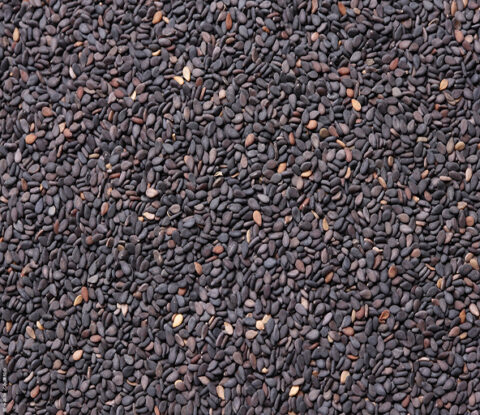


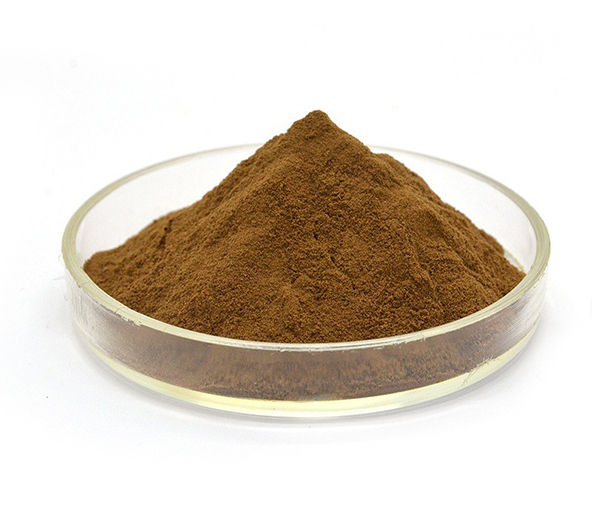
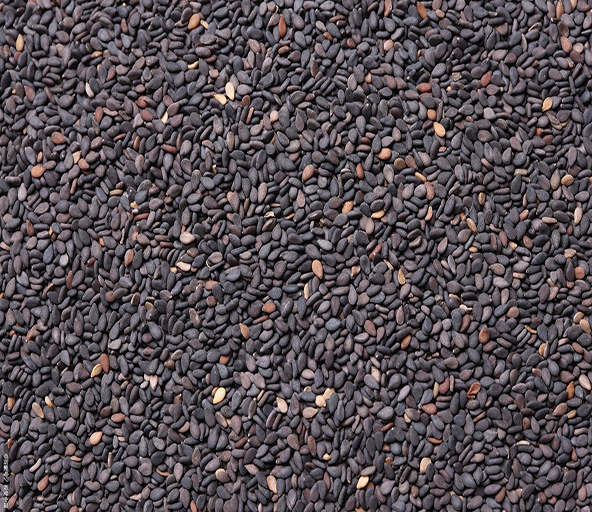
Black sesame extract contains linoleic acid, which can lower blood cholesterol and have pharmacological effects such as lowering blood sugar and anti-inflammatory. However, excessive consumption may worsen seborrheic alopecia.

Black Sesame Extract Powder 10:1, 20:1, 50:1 TLC
【Botanical source】: Sesamum indicum L.
【Part used】: Seeds
【Specification】: 10:1 20:1 50:1TLC
【Appearance】: Brownish yellow powder
【Extraction solvents】: Water
【Particle size】: 95% pass 80 mesh size
【Main ingredients】: Containing fatty oils such as oleic acid, linoleic acid, palmitic acid, stearic acid, and peanut acid, as well as sesamin, sesamolin, sesamol, baicalin, plantose, sesamose, etc.
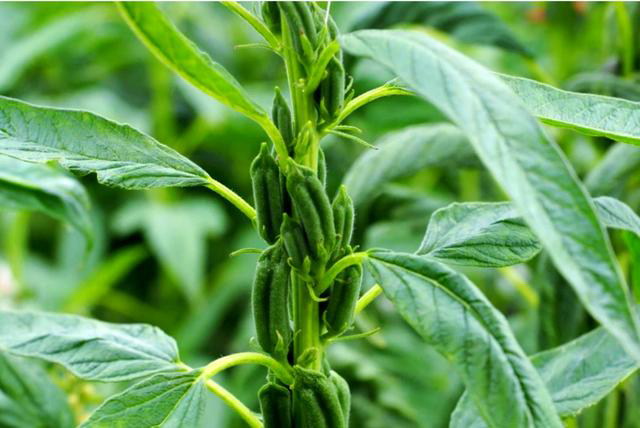
Black Sesame Extract Powder Production Flowchart
Black Sesame raw materials -Coarse powder(40 mesh) -Low temperature water extraction – 1st Reflux Extraction(10 times water,2 Hrs) – 2nd Reflux Extraction8 times water,1.5 Hrs) – 3rd Reflux Extraction(6 times water,1 Hrs) – Extraction Solution-combine&Filtrate-Concentrate-Extractum-spray drying – screening – packaging – detection of physical and chemical indicators – warehousing
Specification Sheet of Black Sesame Extract Powder
| Product name: | Black Sesame Extract | ||
| Specification: | 10:1 TLC | ||
| Part used: | Seeds of Sesamum indicum L. | ||
| Solvent used: | Water | ||
| Process: | Raw materials crushed, extracted, concentrated and spray-dried to powder | ||
| Non GMO according to regulation (EC) 1829/2003 and 1830/2003 or United States requirements. Non allergen according to Directive 2007/68 amending Annex IIIa to Directive 2000/13/EC and US Food allergen labelling and consumer protection act 2004. | |||
| Heavy Metals: | |||
| Lead: | NMT 3ppm | Cadmium: | NMT 1ppm |
| Arsenic: | NMT 2ppm | Mercury: | NMT 1ppm |
| Residual solvents: | Comply to USP | ||
| Pesticides residues: | Conform to Regulation USP<561> | ||
| Microbiology: | |||
| Total plate count: | 10000cfu/g Max | Yeasts and molds: | 1000cfu/g Max |
| E.coli: | Not detected in (g)10 | Salmonella spp.: | Not detected in (g)25 |
| Staphylococcus aureus: | Not detected in (g)10 | Clostridium spp.: | Not Present in 0.1 g of food |
| Organoleptic quality | Method | Specifications | |
| Aspect: | Visual : ( CQ-MO-148) | Powder | |
| Color: | Visual : ( CQ-MO-148) | Brownish yellow | |
| Flavor: | Sensory: (CQ-MO-148) | Characteristic | |
| Analytical quality | Method | Specifications | |
| Identification: | TLC | Conform | |
| Loss on drying: | USP <731> | < 10% | |
| Bulk density: | USP <616> Method I | 40 – 60 g/100mL | |
| Particle size: | Analytical sieving || USP <786> | 100% through 80meshes | |
| Packaging suitable for foodstuff. | |||
Extended Reading
Summary of Modern Pharmacological Research on Black Sesame Extract
Black sesame (Sesamum indicum L.) seeds and their extract (BSE) are rich in unique bioactive compounds, primarily sesamin and sesamolin (lignans), sesaminol glucosides, sesamol, tocopherols, phospholipids, and a high concentration of antioxidants. Modern pharmacological research has moved beyond its traditional use as a nourishing food to validate a wide range of therapeutic properties.
- Potent Antioxidant and Anti-aging Effects
BSE is renowned for its exceptional antioxidant capacity. Its lignans (sesamin, sesamolin) and phenolic compounds (sesamol) effectively scavenge free radicals and reactive oxygen species (ROS). In vivostudies show BSE increases the activity of endogenous antioxidant enzymes (superoxide dismutase/SOD, catalase/CAT, glutathione peroxidase/GPx) in the liver and brain while reducing lipid peroxidation markers like malondialdehyde (MDA). This systemic antioxidant action is linked to anti-aging effects, including protection against skin aging from UV radiation and mitigation of age-related cognitive decline. - Hepatoprotective Effects
BSE demonstrates significant protective effects against liver injury. In models of alcohol-induced, drug-induced (e.g., acetaminophen), and chemical-induced (e.g., carbon tetrachloride/CCL₄) hepatotoxicity, BSE treatment reduces serum levels of liver enzymes (ALT, AST) and alleviates histological damage. The mechanisms involve antioxidant activity, inhibition of inflammatory cytokine production, and enhancement of hepatic detoxification pathways. - Hypolipidemic and Anti-atherosclerotic Activity
Sesamin is a well-studied hypolipidemic agent. BSE lowers serum levels of total cholesterol, triglycerides, and low-density lipoprotein (LDL) cholesterol while increasing high-density lipoprotein (HDL) cholesterol in hyperlipidemic animal models. It inhibits intestinal cholesterol absorption and enhances hepatic fatty acid β-oxidation. These effects, combined with its antioxidant and anti-inflammatory actions, contribute to the prevention of atherosclerosis and fatty liver disease. - Neuroprotective and Memory-Enhancing Potential
Emerging research highlights BSE’s benefits for brain health. Its lignans can cross the blood-brain barrier. Studies report:
- Protection of neurons against oxidative stress and Aβ-induced toxicity (relevant to Alzheimer’s disease).
- Inhibition of neuroinflammation and acetylcholinesterase activity.
- Prevention of memory and cognitive deficits in animal models of aging, cerebral ischemia, and dementia.
- Potential modulation of brain-derived neurotrophic factor (BDNF).
- Anti-hypertensive and Cardiovascular Protection
BSE exhibits anti-hypertensive effects in various rodent models of hypertension. Sesamin promotes vasodilation, likely through the modulation of endothelial nitric oxide synthase (eNOS) activity and the reduction of oxidative stress in vascular tissues. This, alongside its lipid-lowering and anti-inflammatory effects, supports overall cardiovascular health. - Anti-inflammatory and Immunomodulatory Effects
BSE suppresses the production of pro-inflammatory mediators such as nitric oxide (NO), prostaglandin E2 (PGE2), tumor necrosis factor-alpha (TNF-α), and interleukins (IL-1β, IL-6) in vitroand in vivo. It achieves this primarily by inhibiting the activation of the NF-κB and MAPK signaling pathways. These actions underlie its benefits in inflammatory conditions. - Anti-cancer Potential
In vitrostudies indicate that sesamin and other BSE components possess chemopreventive properties. They induce cell cycle arrest and apoptosis in various cancer cell lines (e.g., colon, breast, prostate, leukemia). Mechanisms include the generation of ROS within cancer cells, modulation of apoptosis-related proteins (Bax/Bcl-2, caspases), and inhibition of angiogenesis and metastasis. - Bone Protective (Anti-osteoporotic) Effects
Animal studies suggest that BSE, particularly its lignans, may help prevent bone loss. In ovariectomized (postmenopausal) rat models, BSE intake improves bone mineral density, microstructure, and biomechanical strength by modulating bone turnover—decreasing bone resorption and promoting formation.
Conclusion
Modern pharmacological research positions black sesame extract as a multi-target functional food with significant therapeutic potential. Its effects are primarily driven by its unique lignans, especially sesamin. The most robust evidence supports its roles as a potent systemic antioxidant, a hepatoprotective agent, and a hypolipidemic compound. Promising areas for further development include neuroprotection, bone health, and anti-cancer applications. As with many nutraceuticals, most data are preclinical; thus, more high-quality human clinical trials are essential to confirm efficacy and establish optimal dosing for specific health outcomes.
References
- Majdalawieh, A. F., & Mansour, Z. R. (2019).Sesamol, a major lignan in sesame seeds, potentiates the anti-tumor activity of doxorubicin and suppresses doxorubicin-induced oxidative stress and inflammation. Biomedicine & Pharmacotherapy, *118*, 109309.
- Hsieh, P. F., et al. (2021).Black sesame seeds and their lignans ameliorate cognitive deficits and hippocampal oxidative stress in ovariectomized rats. Journal of Functional Foods, *87*, 104828.
- Lee, C. C., et al. (2021).Sesamin from black sesame seeds ameliorates nonalcoholic fatty liver disease by regulating SIRT1/AMPK signaling pathway. Journal of Agricultural and Food Chemistry, *69*(45), 13419–13430.
- Wu, M. S., et al. (2020).Hepatoprotective effect of black sesame pigment against acute alcohol-induced liver injury in mice. Food & Function, *11*(7), 6522–6532.
- Cheng, F. C., et al. (2006).Neuroprotective effects of sesamin and sesamolin on murine brain and PC12 cells. Journal of Nutritional Science and Vitaminology, *52*(6), 466–473.
- Penalvo, J. L., et al. (2006).Antihypertensive and antioxidant effects of dietary sesame oil supplementation in spontaneously hypertensive rats. Prostaglandins, Leukotrienes and Essential Fatty Acids, *74*(5), 335–342.
- Aslam, F., et al. (2020).Anti-inflammatory and immunomodulatory effects of sesame (Sesamum indicum L.) and its bioactive compounds. Food Reviews International, *36*(8), 761–778.
- Harikumar, K. B., et al. (2010).Sesamin manifests chemopreventive effects through the suppression of NF-κB–regulated cell survival, proliferation, invasion, and angiogenic gene products. Molecular Cancer Research, *8*(5), 751–761.
- Wu, J. H., et al. (2022).Black sesame extract improves bone mass and microarchitecture in ovariectomized rats by regulating the RANKL/OPG ratio. Frontiers in Pharmacology, *13*, 842803.
- Wan, Y., et al. (2015).The relationship of antioxidant components and antioxidant activity of sesame seed oil. Journal of the Science of Food and Agriculture, *95*(13), 2571–2578.
Note: This summary is for informational purposes. It may interact with medications and is contraindicated in certain conditions. Consult a healthcare professional before therapeutic use, particularly regarding its estrogenic activity.