
Black Tea Extract Powder 10:1, 20:1, 50:1 TLC,Instant Black Tea Powder
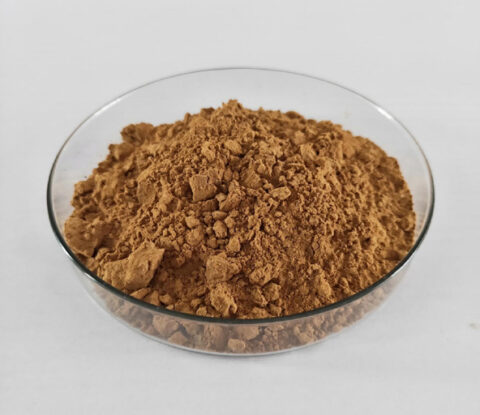


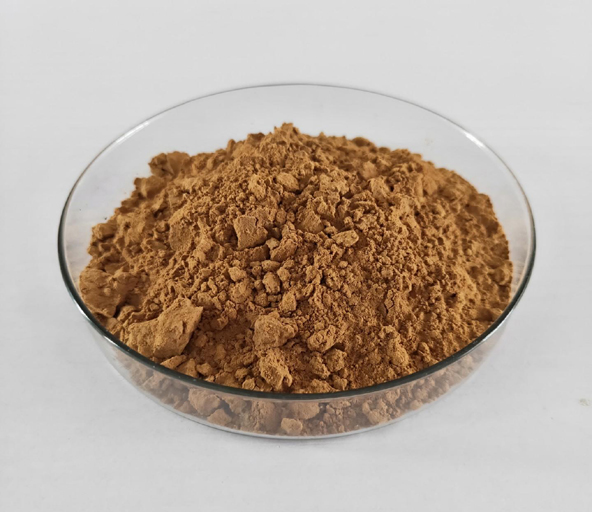
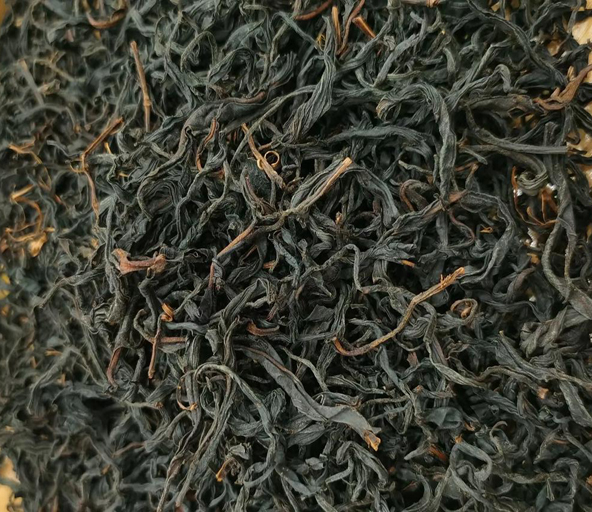
The polysaccharides, amino acids, polyphenols, small molecule acids, and other components in black tea extract have excellent free radical scavenging effects and anti-aging potential.

Black Tea Extract Powder 10:1, 20:1, 50:1 TLC, Instant Black Tea Powder
【Botanical source】: Camellia sinensis (L)
【Part used】: Black tea leaves made from Camellia sinensis (L)
【Specification】: 10:1, 20:1, 50:1 TLC
【Extraction solvents】: Water
【Appearance】: Brownish red fine powder
【Particle size】: 95% pass 80 mesh size
【Main ingredients】: Black tea extract is rich in active ingredients such as tea polyphenols, theaflavins, and caffeine, which have antioxidant, refreshing, and metabolic promoting effects. It also contains minerals such as potassium and magnesium, which can provide partial nutritional support for the human body.
【Storage conditions】:Store at room temperature in a sealed manner, away from light, and in a ventilated, cool, and dry environment.
【Shelf life】: 24 months from the production date
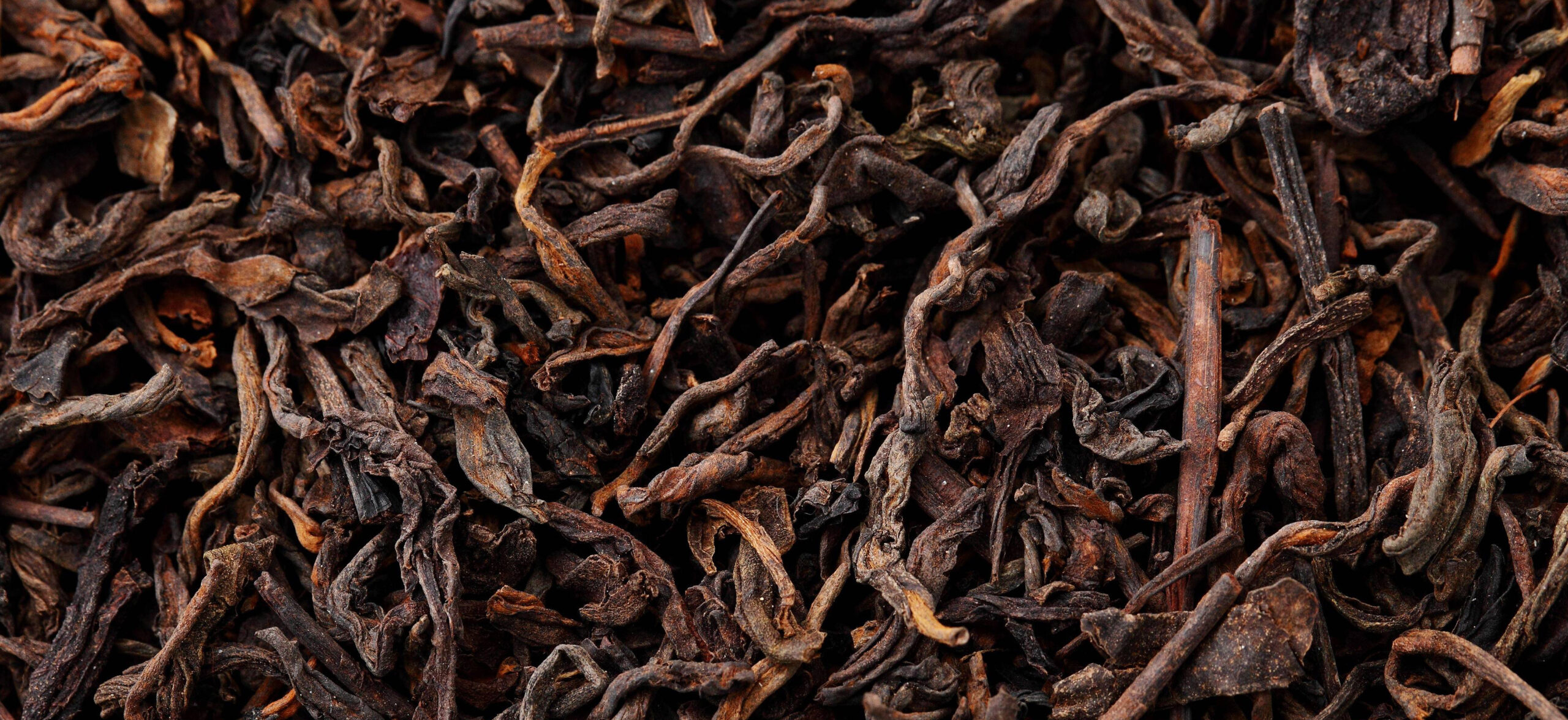
Black Tea Extract Powder Production Flowchart
Black Tea raw materials -Coarse powder(40 mesh) -Low temperature water extraction – 1st Reflux Extraction(10 times water,2 Hrs) – 2nd Reflux Extraction8 times water,1.5 Hrs) – 3rd Reflux Extraction(6 times water,1 Hrs) – Extraction Solution-combine&Filtrate-Concentrate-Extractum-spray drying – screening – packaging – detection of physical and chemical indicators – warehousing
Specification Sheet of Black Tea Extract Powder
| Product name: | Black Tea Extract | ||
| Specification: | 10:1 TLC | ||
| Part used: | Dried black tea leaves made from Camellia sinensis (L) | ||
| Solvent used: | Water | ||
| Process: | Raw materials crushed, extracted, concentrated and spray-dried to powder | ||
| Non GMO according to regulation (EC) 1829/2003 and 1830/2003 or United States requirements. Non allergen according to Directive 2007/68 amending Annex IIIa to Directive 2000/13/EC and US Food allergen labelling and consumer protection act 2004. | |||
| Heavy Metals: | |||
| Lead: | NMT 3ppm | Cadmium: | NMT 1ppm |
| Arsenic: | NMT 2ppm | Mercury: | NMT 1ppm |
| Residual solvents: | Comply to USP | ||
| Pesticides residues: | Conform to Regulation USP<561> | ||
| Microbiology: | |||
| Total plate count: | 10000cfu/g Max | Yeasts and molds: | 1000cfu/g Max |
| E.coli: | Not detected in (g)10 | Salmonella spp.: | Not detected in (g)25 |
| Staphylococcus aureus: | Not detected in (g)10 | Clostridium spp.: | Not Present in 0.1 g of food |
| Organoleptic quality | Method | Specifications | |
| Aspect: | Visual : ( CQ-MO-148) | Powder | |
| Color: | Visual : ( CQ-MO-148) | Brownish red | |
| Flavor: | Sensory: (CQ-MO-148) | Characteristic | |
| Analytical quality | Method | Specifications | |
| Identification: | TLC | Conform | |
| Loss on drying: | USP <731> | < 10% | |
| Bulk density: | USP <616> Method I | 40 – 60 g/100mL | |
| Particle size: | Analytical sieving || USP <786> | 100% through 80meshes | |
| Packaging suitable for foodstuff. | |||
Extended Reading
Summary of Modern Pharmacological Effects of Black Tea Extract
Black tea, produced from the fully oxidized leaves of Camellia sinensis, has a distinct chemical profile dominated by theaflavins (TFs), thearubigins (TRs), and flavonols, alongside residual catechins and caffeine. This oxidation process generates unique polymers responsible for many of its pharmacological effects.
The key pharmacological effects identified in contemporary research include:
- Cardiovascular Protection: Black tea consumption is consistently associated with reduced risk of cardiovascular disease (CVD). Mechanisms include:
- Endothelial Function: Improvement of flow-mediated dilation (FMD) via upregulation of endothelial nitric oxide synthase (eNOS).
- Blood Pressure: Mild antihypertensive effects, likely through ACE inhibition and improved endothelial function.
- Lipid Metabolism: Reduction of LDL-cholesterol oxidation and modest lowering of total and LDL cholesterol.
- Antithrombotic: Inhibition of platelet activation and aggregation.
- Antioxidant and Anti-inflammatory: While total antioxidant capacity differs from green tea, black tea polyphenols (particularly theaflavins) are potent antioxidants. They scavenge reactive oxygen and nitrogen species, chelate metal ions, and inhibit pro-inflammatory enzymes (COX-2, iNOS) and cytokines (TNF-α, IL-6) primarily by suppressing the NF-κB and MAPK signaling pathways.
- Metabolic Health (Anti-diabetic and Anti-obesity):
- Glycemic Control: Inhibition of carbohydrate-digesting enzymes (α-amylase, α-glucosidase), enhanced insulin sensitivity, and protection of pancreatic β-cells.
- Weight Management: Modulation of lipid metabolism, inhibition of adipogenesis, and potential prebiotic effects on gut microbiota that promote energy expenditure.
- Gastrointestinal Health & Gut Microbiota Modulation: Black tea polyphenols act as prebiotics, stimulating the growth of beneficial bacteria (e.g., Bifidobacterium, Lactobacillus) and inhibiting pathogenic species. Theaflavins exhibit direct antimicrobial activity. This modulation contributes to improved gut barrier function, reduced systemic inflammation, and metabolic benefits.
- Neuroprotective Potential: Emerging evidence suggests protective effects against neurodegenerative diseases. Mechanisms include inhibition of acetylcholinesterase, reduction of β-amyloid plaque formation and tau hyperphosphorylation (Alzheimer’s pathways), attenuation of neuroinflammation, and protection against neuronal oxidative stress.
- Anticancer Properties (Preclinical): In vitro and animal studies indicate that theaflavins can inhibit tumorigenesis by:
- Inducing cell cycle arrest and apoptosis.
- Inhibiting proliferation, angiogenesis, and metastasis.
- Modulating carcinogen-metabolizing enzymes.
- Notable effects have been observed in models of oral, lung, prostate, and breast cancers.
- Antimicrobial and Antiviral Activity: Theaflavins disrupt bacterial cell membranes and inhibit viral replication. Activity has been demonstrated against a range of pathogens, including Staphylococcus aureus, Salmonella, influenza virus, and herpes simplex virus.
- Bone and Joint Health: Some epidemiological and animal studies associate black tea intake with higher bone mineral density. Anti-inflammatory effects may also benefit conditions like osteoarthritis.
Mechanistic Insights: Theaflavins (TF-1, TF-2A, TF-2B, TF-3) are considered signature bioactive compounds, often exhibiting greater potency than catechins in certain anti-inflammatory and anticancer assays. Many systemic benefits are linked to gut microbiota-mediated production of bioactive metabolites (e.g., short-chain fatty acids) and the suppression of the NF-κB pathway.
Conclusion: Modern research supports black tea as a functional beverage with multisystem benefits, most strongly evidenced for cardiovascular and metabolic health. Its effects are distinct from green tea due to its unique oxidation-derived compounds. While human epidemiological and clinical trial data are robust for cardiovascular endpoints, evidence for neuroprotection and anticancer effects remains primarily preclinical. Regular consumption (3-4 cups daily) as part of a balanced diet is associated with significant health benefits.
References
- Hodgson, J. M., Croft, K. D. (2010). Tea flavonoids and cardiovascular health. Molecular Aspects of Medicine, 31(6), 495-502.
- Bahorun, T., Luximon-Ramma, A., Neergheen-Bhujun, V. S., Gunness, T. K., Googoolye, K., Auger, C., … & Aruoma, O. I. (2012). The effect of black tea on risk factors of cardiovascular disease in a normal population. Preventive Medicine, 54, S98-S102.
- de Mejia, E. G., Ramirez-Mares, M. V., Puangpraphant, S. (2009). Bioactive components of tea: cancer, inflammation and behavior. Brain, Behavior, and Immunity, 23(6), 721-731.
- Leung, L. K., Su, Y., Chen, R., Zhang, Z., Huang, Y., Chen, Z. Y. (2001). Theaflavins in black tea and catechins in green tea are equally effective antioxidants. The Journal of Nutrition, 131(9), 2248-2251.
- Sharma, V., Rao, L. J. (2009). A thought on the biological activities of black tea. Critical Reviews in Food Science and Nutrition, 49(5), 379-404.
- Stote, K. S., Baer, D. J. (2008). Tea consumption may improve biomarkers of insulin sensitivity and risk factors for diabetes. The Journal of Nutrition, 138(8), 1584S-1588S.
- Henning, S. M., Yang, J., Hsu, M., Lee, R. P., Grojean, E. M., Ly, A., … & Heber, D. (2018). Decaffeinated green and black tea polyphenols decrease weight gain and alter microbiome populations and function in diet-induced obese mice. European Journal of Nutrition, 57(8), 2759-2769.
- Drynan, J. W., Clifford, M. N., Obuchowicz, J., Kuhnert, N. (2010). The chemistry of low molecular weight black tea polyphenols. Natural Product Reports, 27(3), 417-462.
- Engelhardt, U. H. (2020). Chemistry of Tea. In Comprehensive Natural Products III (pp. 1-34). Elsevier.
- Negishi, H., Xu, J. W., Ikeda, K., Njelekela, M., Nara, Y., Yamori, Y. (2004). Black and green tea polyphenols attenuate blood pressure increases in stroke-prone spontaneously hypertensive rats. The Journal of Nutrition, 134(1), 38-42.
Note: This summary is for informational purposes. It may interact with medications and is contraindicated in certain conditions. Consult a healthcare professional before therapeutic use, particularly regarding its estrogenic activity.