
Blackcurrant Extract Powder 10:1, 20:1, 50:1 TLC, Anthocyanin 25% UV
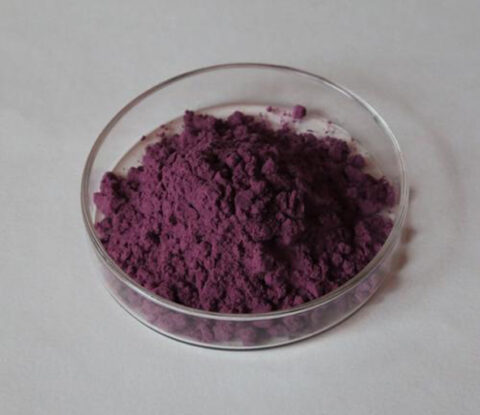
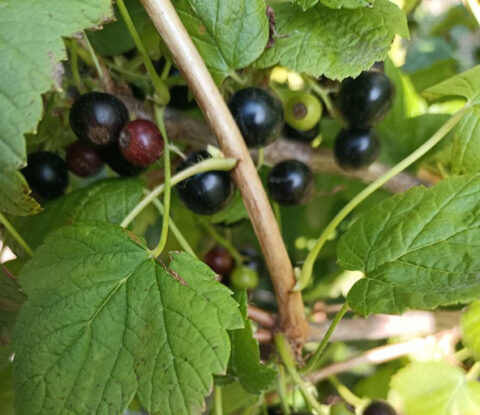


Blackcurrant is a small berry with high nutritional value, rich in vitamin C, anthocyanins, potassium, and dietary fiber. Its main benefits include enhancing immunity, antioxidant eye protection, promoting cardiovascular health, and improving digestive function.

Blackcurrant Extract Powder 10:1, 20:1, 50:1 TLC, Anthocyanin 25% UV
【Botanical source】: Ribes nigrum L
【Part used】: Fruit
【Specification】: 10:1 20:1 50:1TLC, Anthocyanin 25% UV
【Appearance】: Purple red fine powder
【Extraction solvents】: Water
【Particle size】: 95% pass 80 mesh size
【Main ingredients】: Anthocyanins are the core antioxidant components of blackcurrants, belonging to polyphenolic substances, including various anthocyanin glycosides such as cyanidin, delphinidin, and paeoniflorin. In addition, it also contains flavonoids (such as quercetin and bayberry flavonoids), polyphenols (such as gallic acid and chlorogenic acid), and phenolic acid compounds. 
Blackcurrant Extract Powder Production Flowchart
Blackcurrant raw materials -Coarse powder(40 mesh) -Low temperature water extraction – 1st Reflux Extraction(10 times water,2 Hrs) – 2nd Reflux Extraction8 times water,1.5 Hrs) – 3rd Reflux Extraction(6 times water,1 Hrs) – Extraction Solution-combine&Filtrate-Concentrate-Extractum-spray drying – screening – packaging – detection of physical and chemical indicators – warehousing
Specification Sheet of Blackcurrant Extract Powder
| Product name: | Blackcurrant Extract | ||
| Specification: | 10:1 TLC | ||
| Part used: | Fruit of Ribes nigrum L | ||
| Solvent used: | Water | ||
| Process: | Raw materials crushed, extracted, concentrated and spray-dried to powder | ||
| Non GMO according to regulation (EC) 1829/2003 and 1830/2003 or United States requirements. Non allergen according to Directive 2007/68 amending Annex IIIa to Directive 2000/13/EC and US Food allergen labelling and consumer protection act 2004. | |||
| Heavy Metals: | |||
| Lead: | NMT 3ppm | Cadmium: | NMT 1ppm |
| Arsenic: | NMT 2ppm | Mercury: | NMT 1ppm |
| Residual solvents: | Comply to USP | ||
| Pesticides residues: | Conform to Regulation USP<561> | ||
| Microbiology: | |||
| Total plate count: | 10000cfu/g Max | Yeasts and molds: | 1000cfu/g Max |
| E.coli: | Not detected in (g)10 | Salmonella spp.: | Not detected in (g)25 |
| Staphylococcus aureus: | Not detected in (g)10 | Clostridium spp.: | Not Present in 0.1 g of food |
| Organoleptic quality | Method | Specifications | |
| Aspect: | Visual : ( CQ-MO-148) | Powder | |
| Color: | Visual : ( CQ-MO-148) | Purple red | |
| Flavor: | Sensory: (CQ-MO-148) | Characteristic | |
| Analytical quality | Method | Specifications | |
| Identification: | TLC | Conform | |
| Loss on drying: | USP <731> | < 10% | |
| Bulk density: | USP <616> Method I | 40 – 60 g/100mL | |
| Particle size: | Analytical sieving || USP <786> | 100% through 80meshes | |
| Packaging suitable for foodstuff. | |||
Extended Reading
Summary of Modern Pharmacological Research on Blackcurrant (Ribes nigrum) Extract
Modern pharmacological research on blackcurrant (Ribes nigrum) extract is extensive and focuses on its rich profile of bioactive compounds, primarily anthocyanins (delphinidin- and cyanidin-based glucosides/rutinosides), polyphenols (flavonols, phenolic acids), polyunsaturated fatty acids (gamma-linolenic acid – GLA, alpha-linolenic acid – ALA from seeds), and vitamin C. Research explores its systemic health benefits, particularly for inflammatory, metabolic, ocular, and exercise-related conditions.
Key Pharmacological Actions & Research Areas:
- Anti-Inflammatory & Immunomodulatory Effects:A primary area of focus. Blackcurrant extract modulates inflammatory pathways through multiple mechanisms:
- Cytokine & Enzyme Inhibition:Anthocyanins and other polyphenols reduce the production of pro-inflammatory cytokines (e.g., TNF-α, IL-6, IL-1β) and inhibit enzymes like cyclooxygenase (COX) and lipoxygenase (LOX), thereby lowering prostaglandin and leukotriene synthesis.
- GLA-Mediated Effects:Seed oil-derived GLA is a precursor to anti-inflammatory eicosanoids (e.g., PGE1), modulating immune cell function.
- Applications:Studied in models of arthritis, inflammatory bowel disease, and allergic responses.
- Vascular & Metabolic Health:
- Endothelial Function & Blood Pressure:Anthocyanins promote vasodilation by enhancing nitric oxide (NO) bioavailability and reducing oxidative stress in endothelial cells, contributing to improved blood flow and lower blood pressure in clinical trials.
- Dyslipidemia & Insulin Sensitivity:Extracts can inhibit digestive enzymes (α-amylase, α-glucosidase), potentially moderating postprandial glucose spikes. They also improve lipid profiles by modulating key regulators like SREBPs and are studied for managing metabolic syndrome components.
- Ocular Health & Visual Function:A well-researched application. Anthocyanins accumulate in retinal and choroidal tissues.
- Visual Adaptation:Demonstrated to improve dark adaptation, reduce visual fatigue (especially with screen use), and enhance blood flow in ocular capillaries. The mechanism involves rhodopsin regeneration and antioxidant protection of photoreceptors.
- Ocular Disease Prevention:Strong antioxidant and anti-inflammatory actions may help prevent or slow age-related macular degeneration (AMD), glaucoma, and diabetic retinopathy by protecting against oxidative damage and vascular leakage.
- Exercise Performance & Recovery:
- Fat Oxidation:Extracts may increase fat utilization during submaximal exercise, potentially sparing glycogen.
- Reduced Oxidative Stress & Inflammation:Consuming blackcurrant extract before exercise attenuates the post-exercise rise in oxidative stress markers and inflammatory cytokines.
- Improved Blood Flow & Recovery:Enhanced vasodilation can improve muscle perfusion, reduce perceived exertion, and accelerate recovery of muscle function after strenuous exercise.
- Neuroprotective & Cognitive Effects:Emerging research indicates benefits for brain health. Polyphenols cross the blood-brain barrier, exerting antioxidant and anti-inflammatory effects in neural tissues. Studies suggest they can improve cognitive performance (e.g., attention, working memory), potentially by modulating cerebral blood flow and protecting against neurodegenerative pathways.
- Antimicrobial & Antiviral Activity:In vitro studies show broad-spectrum activity against bacteria (e.g., Staphylococcus aureus, Helicobacter pylori) and viruses (e.g., influenza, herpes simplex). This is attributed to polyphenols disrupting microbial membranes and inhibiting viral entry/replication.
Safety and Bioavailability: Research consistently shows blackcurrant extracts are safe for consumption at typical supplemental doses. A key research challenge is optimizing the bioavailability of anthocyanins, which is relatively low. Studies focus on synergistic effects of the whole extract, colonic metabolism into active phenolic acids, and novel delivery systems (e.g., phospholipid complexes) to enhance absorption and efficacy.
Conclusion: Modern research positions blackcurrant extract as a multi-target functional food ingredient with significant pharmacological potential. Its benefits are primarily attributed to the synergistic actions of anthocyanins and other polyphenols, targeting oxidative stress, inflammation, and vascular dysfunction. Strongest clinical evidence exists for improving visual function, vascular health, and exercise-related parameters. Ongoing research aims to further elucidate molecular mechanisms, validate effects in larger human trials, and optimize formulations for enhanced bioavailability.
References
- Bishayee, A., Haskell, Y., Do, C., Siveen, K. S., Mohandas, N., Sethi, G., & Stoner, G. D. (2016). Potential benefits of edible berries in the management of aerodigestive and gastrointestinal tract cancers: Preclinical and clinical evidence. Critical Reviews in Food Science and Nutrition, *56*(10), 1753–1775.
- Cook, M. D., Myers, S. D., Blacker, S. D., & Willems, M. E. T. (2015). New Zealand blackcurrant extract improves cycling performance and fat oxidation in cyclists. European Journal of Applied Physiology, *115*(11), 2357–2365.
- Gopalan, A., Reuben, S. C., Ahmed, S., Darvesh, A. S., Hohmann, J., & Bishayee, A. (2012). The health benefits of blackcurrants. Food & Function, *3*(8), 795–809.
- Matsumoto, H., Takenami, E., Iwasaki-Kurashige, K., Osada, T., Katsumura, T., & Hamaoka, T. (2005). Effects of blackcurrant anthocyanin intake on peripheral muscle circulation during typing work in humans. European Journal of Applied Physiology, *94*(1-2), 36–45.
- Netzel, M., Strass, G., Kaul, C., Bitsch, I., Dietrich, H., & Bitsch, R. (2002). In vivoantioxidative capacity of a composite berry juice. Food Research International, *35*(2-3), 213–216.
- Niki, E., Noguchi, N., Tsuchihashi, H., & Gotoh, N. (1995). Interaction among vitamin C, vitamin E, and beta-carotene. The American Journal of Clinical Nutrition, *62*(6 Suppl), 1322S-1326S.
- Perkins-Veazie, P., & Collins, J. K. (2006). Carotenoid changes in stored watermelon fruit. In Proceedings of the IV International Conference on Managing Quality in Chains – The Integrated View on Fruits and Vegetables Quality(pp. 609-614). ISHS.
- Watson, R. R., Preedy, V. R., & Zibadi, S. (Eds.). (2013). Polyphenols in Human Health and Disease. Academic Press. (Chapters on Berry Polyphenols).
- Yoshida, K., Kondo, T., & Goto, T. (1990). Structure of anthocyanins isolated from the seed coat of black soybean. Agricultural and Biological Chemistry, *54*(7), 1745-1751. (Seminal paper on anthocyanin structure relevant to blackcurrant research).
Note: This summary is for informational purposes. It may interact with medications and is contraindicated in certain conditions. Consult a healthcare professional before therapeutic use, particularly regarding its estrogenic activity.