
Rapeseed Pollen, Brassica Bee Pollen Powder, Cell wall cracked ratio>98%, protein>15%, 120 mesh
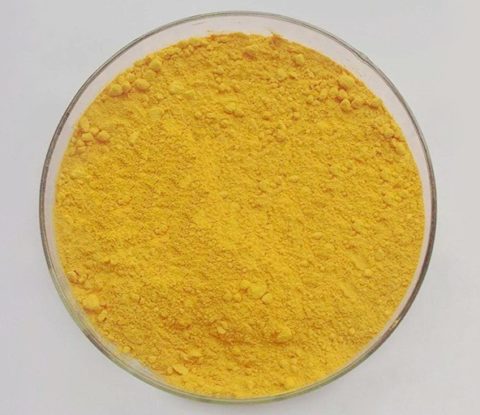
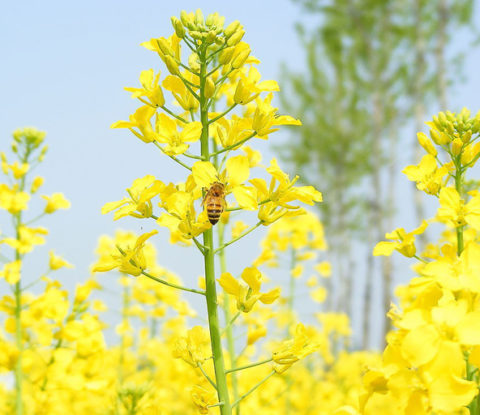
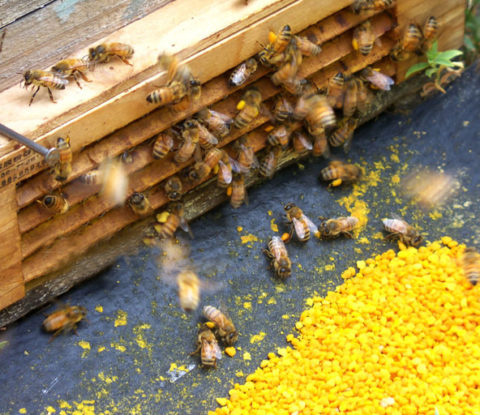
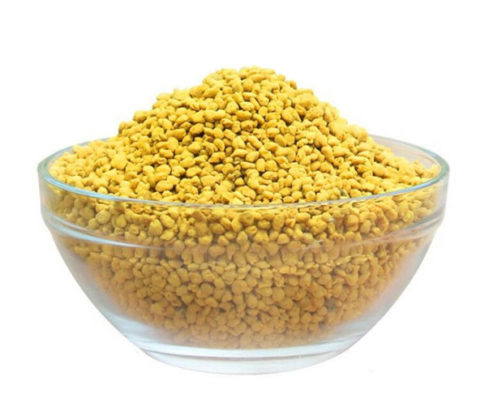


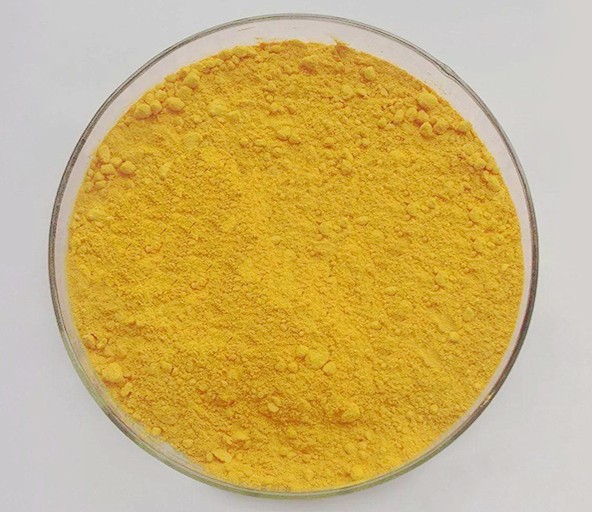
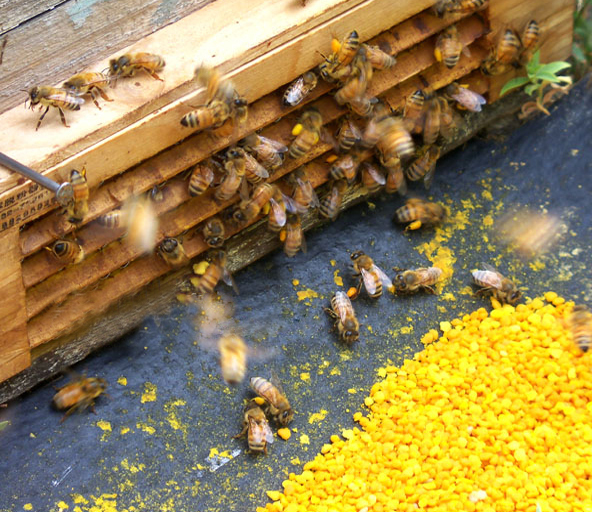
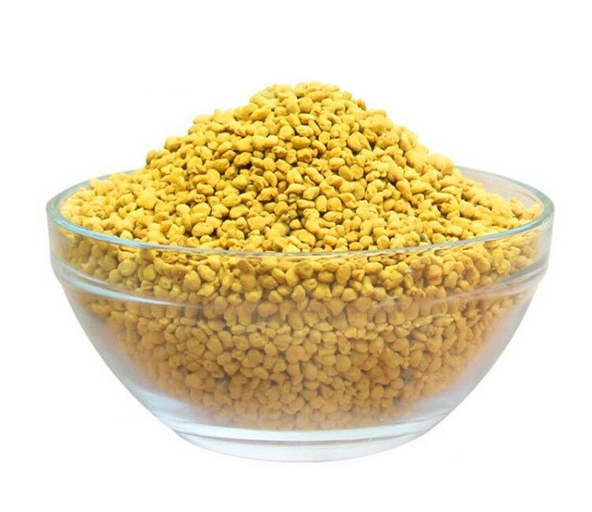
Rapeseed (Brassica) Bee Pollen Powder is a natural nutrient pool, rich in protein, vitamins, and minerals. The core efficacy lies in its highly active flavonoid components, which provide powerful antioxidant protection, help with anti-inflammatory, immune enhancement, and fatigue relief. It also has a positive regulatory effect on liver protection and male prostate health, and is a comprehensive nutritional and functional supplement.

Rapeseed Pollen, Brassica Bee Pollen Powder, Cell wall cracked ratio>98%, protein>15%, 120 mesh
【Botanical source】: Brassica rapa var. oleifera DC.
【Part used】: Pollen
【Specification】: Cell wall cracked ratio>98%, protein>15%, 120 mesh
【Appearance】: Light yellow fine powder
【Particle size】: 95% pass 80 mesh size
【Main ingredients】: Brassica/Rapeseed pollen is a typical nutritional complex. The main components include protein (above 15%), amino acids, carbohydrates (about 40%), vitamins (especially B, C, E), and various minerals. The core bioactive components are flavonoids (such as quercetin and kaempferol), plant sterols, enzymes, and small amounts of lipids, which have clear antioxidant and nutritional value.
【Storage conditions】:Store at room temperature in a sealed manner, away from light, and in a ventilated, cool, and dry environment.
【Shelf life】: 24 months from the production date
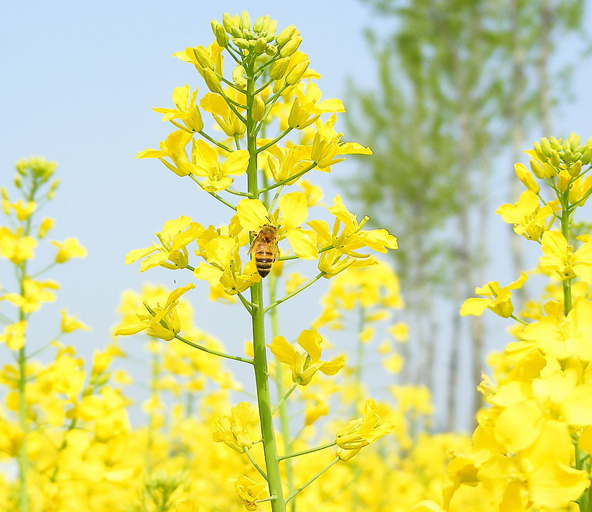
Rapeseed Pollen, Brassica Bee Pollen Powder Production Flowchart
Screen the impurities–Breaking the cell wall by high-speed airflow cell cracking technology–Detection of physicochemical index–Sterilization–Pass through 300 mesh sieve–Packing
Specification Sheet of Rapeseed Pollen, Brassica Bee Pollen Powder
| Product name: | Brassica bee pollen powder | ||
| Specification: | Cell wall cracked ratio>98%, protein>15% | ||
| Part used: | Pollen of Brassica rapa var. oleifera DC. | ||
| Process: | The raw materials are screened, crushed, sterilized, and packaged into powder | ||
| Non GMO according to regulation (EC) 1829/2003 and 1830/2003 or United States requirements. Non allergen according to Directive 2007/68 amending Annex IIIa to Directive 2000/13/EC and US Food allergen labelling and consumer protection act 2004. | |||
| Heavy Metals: | |||
| Lead: | NMT 3ppm | Cadmium: | NMT 1ppm |
| Arsenic: | NMT 2ppm | Mercury: | NMT 1ppm |
| Residual solvents: | Comply to USP | ||
| Pesticides residues: | Conform to Regulation USP<561> | ||
| Microbiology: | |||
| Total plate count: | 10000cfu/g Max | Yeasts and molds: | 1000cfu/g Max |
| E.coli: | Not detected in (g)10 | Salmonella spp.: | Not detected in (g)25 |
| Staphylococcus aureus: | Not detected in (g)10 | Clostridium spp.: | Not Present in 0.1 g of food |
| Organoleptic quality | Method | Specifications | |
| Aspect: | Visual : ( CQ-MO-148) | Powder | |
| Color: | Visual : ( CQ-MO-148) | Light yellow | |
| Flavor: | Sensory: (CQ-MO-148) | Characteristic | |
| Analytical quality | Method | Specifications | |
| Identification: | TLC | Conform | |
| Loss on drying: | USP <731> | < 10% | |
| Bulk density: | USP <616> Method I | 40 – 60 g/100mL | |
| Particle size: | Analytical sieving || USP <786> | 100% through 80meshes | |
| Packaging suitable for foodstuff. | |||
Extended Reading
Chemical Components and Modern Pharmacological Effects of Rapeseed (Brassica) Bee Pollen Powder
Rapeseed (Brassica rapa var. oleifera DC.) bee pollen powder is a nutrient-rich material collected and processed by honeybees. Its composition and activity differ from raw plant pollen due to enzymatic modification by bees.
Key Chemical Components:
- Macronutrients: Proteins & amino acids (15-30%), carbohydrates (mainly sugars, ~40%), lipids (including essential fatty acids).
- Micronutrients: Vitamins (B-complex, C, E), minerals (K, Mg, Ca, Zn, Se).
- Bioactive Compounds: Flavonoids (quercetin, kaempferol), phenolic acids, phytosterols (e.g., β-sitosterol), carotenoids, and various enzymes.
- Other: Contains nucleic acids, organic acids, and trace amounts of bee-derived enzymes and wax.
Modern Pharmacological Effects:
- Antioxidant & Anti-inflammatory: High flavonoid and phenolic content scavenges free radicals and inhibits inflammatory mediators (e.g., COX-2, TNF-α).
- Hepatoprotective: Shows protective effects against chemical-induced liver damage, attributed to its antioxidant activity.
- Immunomodulatory: May stimulate immune cell activity (e.g., macrophage phagocytosis) and modulate immune response.
- Anti-fatigue & Adaptogenic: Studies suggest it can enhance physical endurance and reduce fatigue biomarkers, likely via nutrient support and metabolic enhancement.
- Prostatic Health: Phytosterols, particularly β-sitosterol, are associated with alleviating symptoms of benign prostatic hyperplasia (BPH).
- Antimicrobial: Exhibits growth-inhibiting effects against certain bacteria and fungi.
References:
- Denisow, B., & Denisow-Pietrzyk, M. (2016). Biological and therapeutic properties of bee pollen: A review. Journal of the Science of Food and Agriculture.
- Komosinska-Vassev, K., et al. (2015). Bee pollen: Chemical composition and therapeutic application. Evidence-Based Complementary and Alternative Medicine.
- Li, Q., et al. (2023). Biological activities of bee pollen: A review of recent evidence. Food Bioscience.
- Thakur, M., & Nanda, V. (2020). Composition and functionality of bee pollen: A review. Trends in Food Science & Technology.
Note: This summary is for informational purposes. It may interact with medications and is contraindicated in certain conditions. Consult a healthcare professional before therapeutic use, particularly regarding its estrogenic activity.