
Broccoli Extract Powder 10:1, 20:1, 50:1 TLC



Broccoli extract contains vitamin C and flavonoids, which can neutralize free radicals and slow down cellular oxidative damage. Research has shown that the sulforaphane it contains can activate antioxidant enzymes and have a certain auxiliary effect on delaying skin aging and reducing the risk of chronic inflammation.

Broccoli Extract Powder 10:1, 20:1, 50:1 TLC
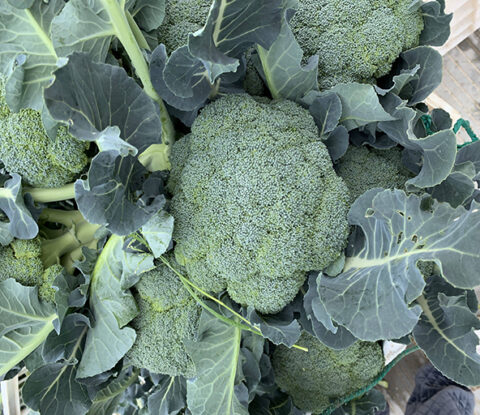
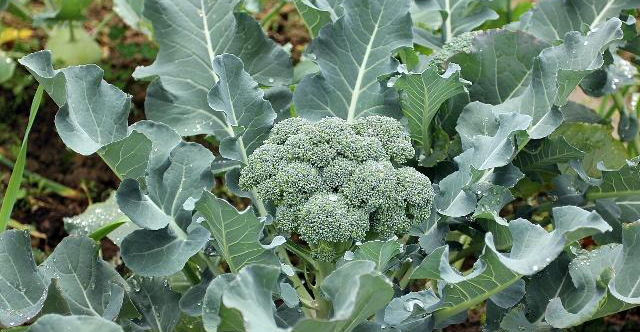
【Botanical source】: Brassica oleracea L.var. italica Plenck
【Part used】: Aboveground part
【Specification】: 10:1 20:1 50:1TLC
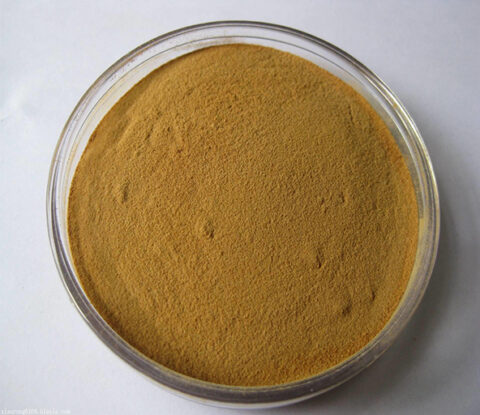
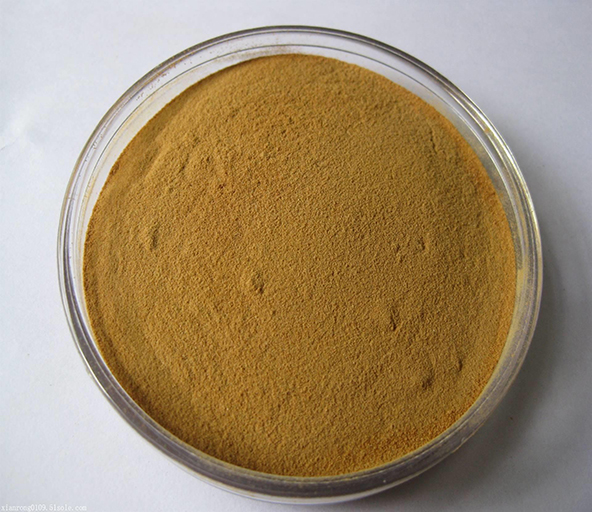
【Appearance】: Brownish fine powder
【Extraction solvents】: Water
【Particle size】: 95% pass 80 mesh size
【Main ingredients】: Broccoli is a nutrient-rich cruciferous vegetable, abundant in vitamin C, dietary fiber, and glucosinolates. It offers antioxidant, anticancer, eye-protective, and immune-boosting benefits while being low in calories and high in fiber, making it ideal for weight management and metabolic health improvement.
Broccoli Extract Extract Powder Production Flowchart
Broccoli raw materials -Coarse powder(40 mesh) -Low temperature water extraction – 1st Reflux Extraction(10 times water,2 Hrs) – 2nd Reflux Extraction8 times water,1.5 Hrs) – 3rd Reflux Extraction(6 times water,1 Hrs) – Extraction Solution-combine&Filtrate-Concentrate-Extractum-spray drying – screening – packaging – detection of physical and chemical indicators – warehousing
Specification Sheet of Broccoli Extract Powder
| Product name: | Broccoli Extract | ||
| Specification: | 10:1 TLC | ||
| Part used: | Aboveground part of Brassica oleracea L.var. italica Plenck | ||
| Solvent used: | Water | ||
| Process: | Raw materials crushed, extracted, concentrated and spray-dried to powder | ||
| Non GMO according to regulation (EC) 1829/2003 and 1830/2003 or United States requirements. Non allergen according to Directive 2007/68 amending Annex IIIa to Directive 2000/13/EC and US Food allergen labelling and consumer protection act 2004. | |||
| Heavy Metals: | |||
| Lead: | NMT 3ppm | Cadmium: | NMT 1ppm |
| Arsenic: | NMT 2ppm | Mercury: | NMT 1ppm |
| Residual solvents: | Comply to USP | ||
| Pesticides residues: | Conform to Regulation USP<561> | ||
| Microbiology: | |||
| Total plate count: | 10000cfu/g Max | Yeasts and molds: | 1000cfu/g Max |
| E.coli: | Not detected in (g)10 | Salmonella spp.: | Not detected in (g)25 |
| Staphylococcus aureus: | Not detected in (g)10 | Clostridium spp.: | Not Present in 0.1 g of food |
| Organoleptic quality | Method | Specifications | |
| Aspect: | Visual : ( CQ-MO-148) | Powder | |
| Color: | Visual : ( CQ-MO-148) | Brownish yellow | |
| Flavor: | Sensory: (CQ-MO-148) | Characteristic | |
| Analytical quality | Method | Specifications | |
| Identification: | TLC | Conform | |
| Loss on drying: | USP <731> | < 10% | |
| Bulk density: | USP <616> Method I | 40 – 60 g/100mL | |
| Particle size: | Analytical sieving || USP <786> | 100% through 80meshes | |
| Packaging suitable for foodstuff. | |||
Extended Reading
Modern Pharmacological Research on Broccoli Extract
Modern pharmacological research has primarily focused on the bioactive compounds found in broccoli, with an emphasis on sulforaphane (an isothiocyanate derived from its precursor glucoraphanin) and other glucosinolates. The research reveals a broad spectrum of potential therapeutic applications, largely mediated through the Nrf2 (Nuclear factor erythroid 2–related factor 2) pathway, which regulates antioxidant and phase II detoxification enzymes, and the modulation of inflammation and epigenetic mechanisms.
Key Pharmacological Activities and Research Findings:
- Antioxidant and Cytoprotective Effects:Sulforaphane is a potent inducer of the Nrf2 pathway. This leads to the upregulation of a battery of cytoprotective genes, including heme oxygenase-1 (HO-1), NAD(P)H quinone dehydrogenase 1 (NQO1), and glutathione S-transferases (GSTs). This activity is foundational for its role in combating oxidative stress implicated in chronic diseases like cardiovascular disorders, neurodegenerative diseases, and metabolic syndrome.
- Anti-Cancer Potential:Extensive in vitro and in vivo studies demonstrate chemopreventive properties.
- Mechanisms:Induction of phase II detoxification enzymes (enhancing carcinogen elimination), inhibition of phase I enzymes (preventing carcinogen activation), induction of cell cycle arrest and apoptosis (programmed cell death) in cancer cells, anti-inflammatory effects (via inhibition of NF-κB), and histone deacetylase (HDAC) inhibition leading to epigenetic modulation of gene expression.
- Research Focus:Studies have shown promise against various cancers, including prostate, breast, colorectal, and lung cancers. Clinical trials often use broccoli sprout extracts (high in glucoraphanin) to assess bioactivity and biomarkers in humans.
- Anti-Inflammatory and Immunomodulatory Effects:Sulforaphane inhibits the NF-κB pathway and downstream pro-inflammatory cytokines (e.g., TNF-α, IL-6, IL-1β). This action is relevant for conditions like arthritis, asthma, and inflammatory bowel disease. It also modulates immune cell function, potentially enhancing anti-tumor immunity.
- Neuroprotective Effects:Research suggests potential in neurodegenerative diseases. Nrf2 activation reduces oxidative damage in neurons. Furthermore, sulforaphane may help ameliorate pathologies associated with Alzheimer’s and Parkinson’s diseases by reducing neuroinflammation, promoting autophagy, and potentially modulating amyloid-beta and tau protein aggregation.
- Cardiometabolic Health:
- Cardioprotection:Improves endothelial function, reduces oxidative stress in vascular tissues, and may lower blood pressure and improve lipid profiles in preclinical models.
- Antidiabetic Effects:Improves insulin sensitivity and glucose tolerance in animal models of type 2 diabetes. It appears to protect against glucose-induced oxidative damage and may influence metabolic pathways via AMPK activation.
- Detoxification:By upregulating GSTs and other enzymes, broccoli extract enhances the body’s capacity to detoxify and excrete environmental toxins and airborne pollutants, as demonstrated in several human clinical trials in polluted regions.
Challenges and Future Directions:
While preclinical data are robust, clinical translation requires further large-scale, long-term human trials to establish definitive efficacy and optimal dosing for specific conditions. Bioavailability of sulforaphane is highly variable and depends on preparation (e.g., fresh vs. cooked, presence of the myrosinase enzyme) and individual gut microbiome composition. Current research also explores stable synthetic analogs of sulforaphane and improved delivery systems to enhance its pharmacological profile.
References
- Fahey, J. W., Zhang, Y., & Talalay, P.(1997). Broccoli sprouts: An exceptionally rich source of inducers of enzymes that protect against chemical carcinogens. Proceedings of the National Academy of Sciences, *94*(19), 10367–10372.
- Yagishita, Y., Fahey, J. W., Dinkova-Kostova, A. T., & Kensler, T. W.(2019). Broccoli or sulforaphane: Is it the source or dose that matters? Molecules, *24*(19), 3593.
- Dinkova-Kostova, A. T., & Kostov, R. V.(2012). Glucosinolates and isothiocyanates in health and disease. Trends in Molecular Medicine, *18*(6), 337–347.
- Bai, Y., Wang, X., Zhao, S., Ma, C., Cui, J., & Zheng, Y.(2015). Sulforaphane protects against cardiovascular disease via Nrf2 activation. Oxidative Medicine and Cellular Longevity, *2015*, 407580.
- Tarozzi, A., Angeloni, C., Malaguti, M., Morroni, F., Hrelia, S., & Hrelia, P.(2013). Sulforaphane as a potential protective phytochemical against neurodegenerative diseases. Oxidative Medicine and Cellular Longevity, *2013*, 415078.
- Axelsson, A. S., Tubbs, E., Mecham, B., Chacko, S., Nenonen, H. A., Tang, Y., … & Perkins, G. A.(2017). Sulforaphane reduces hepatic glucose production and improves glucose control in patients with type 2 diabetes. Science Translational Medicine, *9*(394), eaah4477.
- Kensler, T. W., Ng, D., Carmella, S. G., Chen, M., Jacobson, L. P., Muñoz, A., … & Hecht, S. S.(2012). Modulation of the metabolism of airborne pollutants by glucoraphanin-rich and sulforaphane-rich broccoli sprout beverages in Qidong, China. Carcinogenesis, *33*(1), 101–107.
- Li, Y., Zhang, T., Korkaya, H., Liu, S., Lee, H. F., Newman, B., … & Sun, D.(2010). Sulforaphane, a dietary component of broccoli/broccoli sprouts, inhibits breast cancer stem cells. Clinical Cancer Research, *16*(9), 2580–2590.
- Singh, K., Connors, S. L., Macklin, E. A., Smith, K. D., Fahey, J. W., Talalay, P., & Zimmerman, A. W.(2014). Sulforaphane treatment of autism spectrum disorder (ASD). Proceedings of the National Academy of Sciences, *111*(43), 15550–15555.
- Houghton, C. A., Fassett, R. G., & Coombes, J. S.(2016). Sulforaphane and other nutrigenomic Nrf2 activators: Can the clinician’s expectation be matched by the reality? Oxidative Medicine and Cellular Longevity, *2016*, 7857186.
Note: This summary is for informational purposes. It may interact with medications and is contraindicated in certain conditions. Consult a healthcare professional before therapeutic use, particularly regarding its estrogenic activity.