
Burdock Root Extract Powder 10:1, 20:1, 50:1 TLC
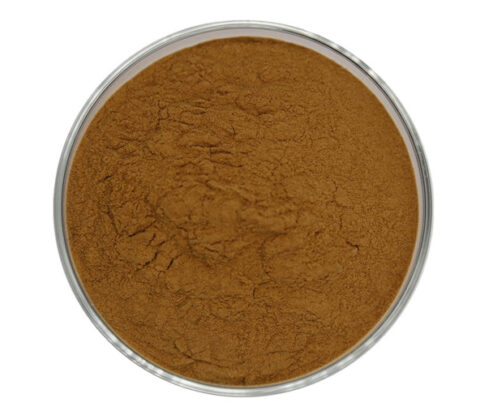
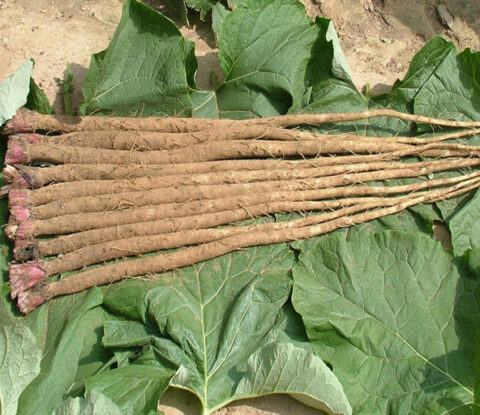


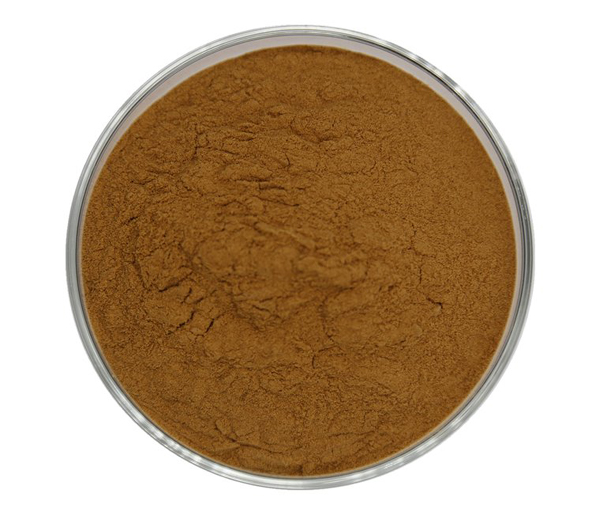
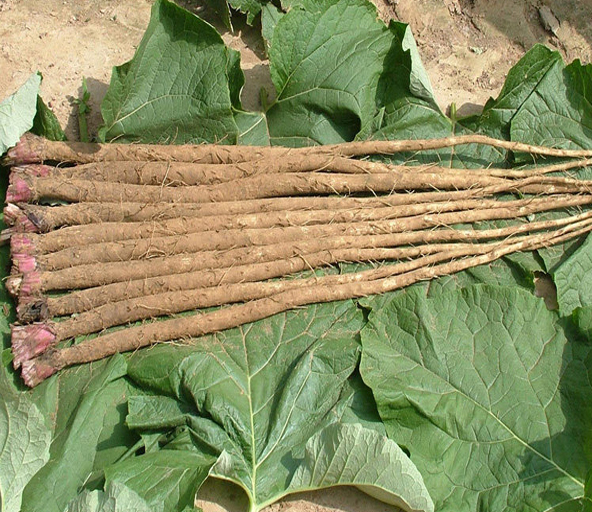
Burdock root is cold in nature, bitter in taste, and belongs to the lung and stomach meridians. The efficacy is to clear heat and detoxify, dispel wind and clear throat, reduce swelling and disperse nodules. Modern research has confirmed that it is rich in inulin, polyphenols and other ingredients, and has significant anti-inflammatory, antioxidant, blood glucose and lipid regulation and improvement of intestinal flora. It is commonly used for wind heat cold, sore throat, sore, carbuncle, swelling and toxin, and diabetes auxiliary conditioning.

Burdock Root Extract Powder 10:1, 20:1, 50:1 TLC
【Botanical source】: Arctium lappa L.
【Part used】: Root
【Specification】: 10:1, 20:1, 50:1 TLC
【Extraction solvents】: Water
【Appearance】: Brownish fine powder
【Particle size】: 95% pass 80 mesh size
【Main ingredients】: The main components of burdock root include inulin (a prebiotic dietary fiber), polyphenols (such as chlorogenic acid), volatile oils, amino acids, and various minerals. Rich in antioxidants such as chicory acid, it has significant anti-inflammatory, antibacterial, and blood glucose and lipid regulating effects. Its fiber components can promote intestinal health and improve digestive function. Overall, it embodies the traditional effects of clearing heat, detoxifying, reducing swelling, and diuresis.
【Storage conditions】:Store at room temperature in a sealed manner, away from light, and in a ventilated, cool, and dry environment.
【Shelf life】: 24 months from the production date
Burdock Root Extract Powder Production Flowchart
Burdock Root raw materials -Coarse powder(40 mesh) -Low temperature water extraction – 1st Reflux Extraction(10 times water,2 Hrs) – 2nd Reflux Extraction8 times water,1.5 Hrs) – 3rd Reflux Extraction(6 times water,1 Hrs) – Extraction Solution-combine&Filtrate-Concentrate-Extractum-spray drying – screening – packaging – detection of physical and chemical indicators – warehousing
Specification Sheet of Burdock Root Extract Powder
| Product name: | Burdock Root Extract | ||
| Specification: | 10:1 TLC | ||
| Part used: | Root of Arctium lappa L. | ||
| Solvent used: | Water | ||
| Process: | Raw materials crushed, extracted, concentrated and spray-dried to powder | ||
| Non GMO according to regulation (EC) 1829/2003 and 1830/2003 or United States requirements. Non allergen according to Directive 2007/68 amending Annex IIIa to Directive 2000/13/EC and US Food allergen labelling and consumer protection act 2004. | |||
| Heavy Metals: | |||
| Lead: | NMT 3ppm | Cadmium: | NMT 1ppm |
| Arsenic: | NMT 2ppm | Mercury: | NMT 1ppm |
| Residual solvents: | Comply to USP | ||
| Pesticides residues: | Conform to Regulation USP<561> | ||
| Microbiology: | |||
| Total plate count: | 10000cfu/g Max | Yeasts and molds: | 1000cfu/g Max |
| E.coli: | Not detected in (g)10 | Salmonella spp.: | Not detected in (g)25 |
| Staphylococcus aureus: | Not detected in (g)10 | Clostridium spp.: | Not Present in 0.1 g of food |
| Organoleptic quality | Method | Specifications | |
| Aspect: | Visual : ( CQ-MO-148) | Powder | |
| Color: | Visual : ( CQ-MO-148) | Brownish | |
| Flavor: | Sensory: (CQ-MO-148) | Characteristic | |
| Analytical quality | Method | Specifications | |
| Identification: | TLC | Conform | |
| Loss on drying: | USP <731> | < 10% | |
| Bulk density: | USP <616> Method I | 40 – 60 g/100mL | |
| Particle size: | Analytical sieving || USP <786> | 100% through 80meshes | |
| Packaging suitable for foodstuff. | |||
Extended Reading
Modern Research on Burdock Root (Arctium lappa) Extract
- Chemical Components:
Burdock root contains a diverse array of bioactive compounds. Its most notable component is a high concentration of inulin-type fructans (up to 50% dry weight), a prebiotic dietary fiber. Key active molecules include lignans(particularly arctigenin and arcitin), phenolic acids(caffeic acid, chlorogenic acid), polyacetylenes, and various flavonoids and triterpenoids. The seeds contain distinct components like arctiin. - Documented Health Benefits (Pharmacological Actions):
- Antioxidant & Anti-inflammatory: Arctigenin and phenolic acids exhibit potent free radical scavenging and significantly inhibit pro-inflammatory cytokines (e.g., TNF-α, IL-6) via modulation of the NF-κB and MAPK pathways.
- Prebiotic & Gastrointestinal Health: The high inulin content selectively stimulates the growth of beneficial gut bacteria (e.g., Bifidobacterium), improving gut microbiota composition, intestinal barrier function, and alleviating constipation.
- Anti-tumor & Chemopreventive: Arctigenin demonstrates significant antiproliferative, pro-apoptotic, and anti-metastatic effects in vitro and in animal models against various cancers (e.g., breast, lung, colon), often through inhibiting cancer cell energy metabolism (glycolysis) and PI3K/Akt signaling.
- Metabolic & Hepatoprotective: Studies show hypoglycemic and lipid-lowering effects, improving insulin sensitivity and reducing liver fat accumulation in models of diabetes and NAFLD. It protects the liver from toxin-induced damage via antioxidant mechanisms.
- Antimicrobial: Extracts show inhibitory activity against bacteria (e.g., Staphylococcus aureus) and fungi (e.g., Candida albicans), attributed to polyacetylenes and phenolic compounds.
III. Interactions, Taboos, and Warnings:
- Drug Interactions:
- Antidiabetic Drugs: May potentiate blood glucose-lowering effects, requiring close monitoring.
- Diuretics: Possesses mild diuretic properties; may have additive effects with diuretic medications.
- Anticoagulants/Antiplatelets: In vitro data suggests possible antiplatelet activity; caution is advised with drugs like warfarin.
- Contraindications (Taboo): Individuals with known allergy to plants in the Asteraceae/Compositae family (e.g., ragweed, chrysanthemums, daisies). Safety during pregnancy and lactation is not well-established; traditional use advises avoidance.
- Warnings/Side Effects: Generally recognized as safe as a food. High doses of root extracts may cause gastrointestinal discomfort. Crucially, burdock root must be properly identified and sourced, as contamination with atropine-like alkaloids from similar-looking plants (e.g., belladonna) has caused serious anticholinergic poisoning.
- Applications:
- Functional Foods & Beverages: Widely consumed as a vegetable (gobo) in East Asia and as a caffeine-free herbal tea (“burdock tea”) and ingredient in health tonics for detoxification and digestive support.
- Nutraceuticals: Marketed in capsule or tincture form for blood purification, skin health (e.g., acne, eczema), joint support, and as a general anti-inflammatory.
- Cosmeceuticals: Incorporated into skincare products for its anti-inflammatory and antioxidant properties to soothe irritated skin and improve complexion.
- Traditional Medicine Systems: A cornerstone in Traditional Chinese Medicine (TCM) for “clearing heat and toxins,” and in Western herbalism as an alterative and diuretic.
References
- Chan, Y. S., Cheng, L. N., Wu, J. H., et al. (2011). A review of the pharmacological effects of Arctium lappa (burdock). Inflammopharmacology, 19(5), 245–254.
- Maghsoumi-Norouzabad, L., Alipoor, B., Abed, R., et al. (2016). Effects of Arctium lappa L. (Burdock) root tea on inflammatory status and oxidative stress in patients with knee osteoarthritis. International Journal of Rheumatic Diseases, 19(3), 255–261.
- Xu, Z., Wang, X., Zhou, M., et al. (2020). The prebiotic activity of a polysaccharide from Arctium lappa L. and its impact on gut microbiota. Food & Function, 11(9), 8076–8087.
- Gao, Q., Yang, M., & Zuo, Z. (2018). Overview of the anti-inflammatory effects, pharmacokinetic properties and clinical efficacies of arctigenin and arctiin from Arctium lappa L. Acta Pharmacologica Sinica, 39(5), 787–801.
- Dos Santos, A. C., Baggio, C. H., Freitas, C. S., et al. (2008). Gastroprotective activity of the chloroform extract of the roots from Arctium lappa L. Journal of Pharmacy and Pharmacology, 60(6), 795–801.
- U.S. National Institutes of Health (NIH), National Center for Complementary and Integrative Health (NCCIH). (2020). Burdock. Retrieved from [NIH NCCIH Website].
- European Medicines Agency (EMA). (2010). Assessment report on Arctium lappa L., radix.
Note: This summary is for informational purposes. It may interact with medications and is contraindicated in certain conditions. Consult a healthcare professional before therapeutic use, particularly regarding its estrogenic activity.