
Cactus Extract Powder 10:1, 20:1, 50:1 TLC
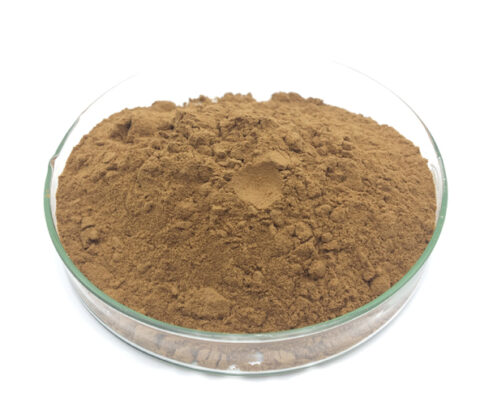
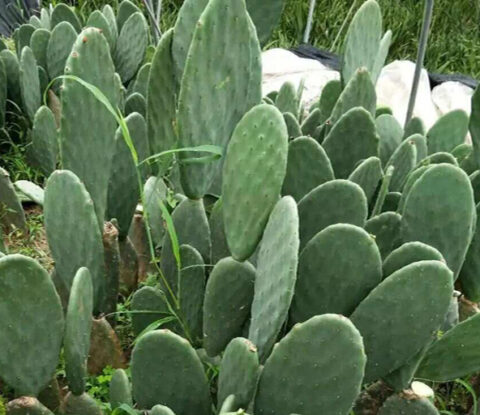


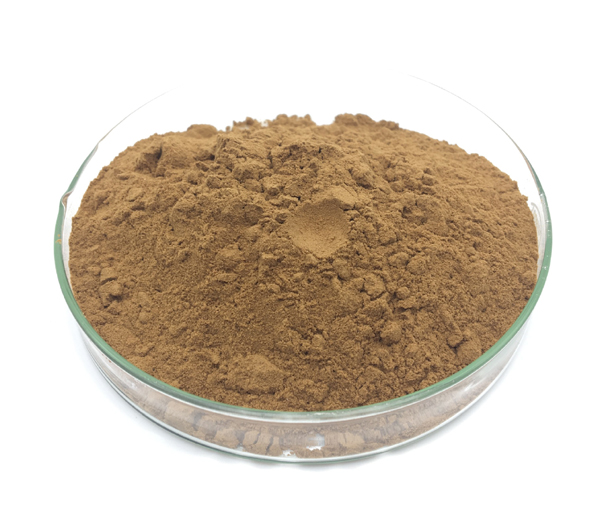

Cactus extract is rich in polysaccharides, flavonoids, and betaine, which have significant anti-inflammatory and antioxidant effects. It can assist in regulating blood sugar, blood lipids, and improving metabolic syndrome; At the same time, it can protect the gastric mucosa, promote wound healing, and demonstrate potential liver protection and immune enhancement effects.

Cactus Extract Powder 10:1, 20:1, 50:1 TLC
【Botanical source】: Opuntia dillenii (Ker Gawl.) Haw.
【Part used】: Whole herb
【Specification】: 10:1, 20:1, 50:1 TLC
【Extraction solvents】: Water
【Appearance】: Brownish yellow fine powder
【Particle size】: 95% pass 80 mesh size
【Main ingredients】: Cactus mainly contains polysaccharides (such as pectin and mucopolysaccharides), flavonoids (such as quercetin), alkaloids (such as betaine), as well as various vitamins and minerals. These ingredients endow it with core anti-inflammatory, antioxidant, and immune enhancing effects, while also helping to regulate blood sugar and blood lipids, protect gastric mucosa, and promote wound healing. They have both nutritional and pharmacological value.
【Storage conditions】:Store at room temperature in a sealed manner, away from light, and in a ventilated, cool, and dry environment.
【Shelf life】: 24 months from the production date
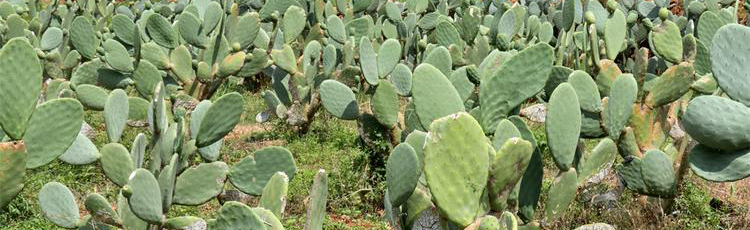
Cactus Flower Extract Powder Production Flowchart
Cactus raw materials -Coarse powder(40 mesh) -Low temperature water extraction – 1st Reflux Extraction(10 times water,2 Hrs) – 2nd Reflux Extraction8 times water,1.5 Hrs) – 3rd Reflux Extraction(6 times water,1 Hrs) – Extraction Solution-combine&Filtrate-Concentrate-Extractum-spray drying – screening – packaging – detection of physical and chemical indicators – warehousing
Specification Sheet of Cactus Extract Powder
| Product name: | Cactus Extract | ||
| Specification: | 10:1 TLC | ||
| Part used: | Flower of Opuntia dillenii (Ker Gawl.) Haw. | ||
| Solvent used: | Water | ||
| Process: | Raw materials crushed, extracted, concentrated and spray-dried to powder | ||
| Non GMO according to regulation (EC) 1829/2003 and 1830/2003 or United States requirements. Non allergen according to Directive 2007/68 amending Annex IIIa to Directive 2000/13/EC and US Food allergen labelling and consumer protection act 2004. | |||
| Heavy Metals: | |||
| Lead: | NMT 3ppm | Cadmium: | NMT 1ppm |
| Arsenic: | NMT 2ppm | Mercury: | NMT 1ppm |
| Residual solvents: | Comply to USP | ||
| Pesticides residues: | Conform to Regulation USP<561> | ||
| Microbiology: | |||
| Total plate count: | 10000cfu/g Max | Yeasts and molds: | 1000cfu/g Max |
| E.coli: | Not detected in (g)10 | Salmonella spp.: | Not detected in (g)25 |
| Staphylococcus aureus: | Not detected in (g)10 | Clostridium spp.: | Not Present in 0.1 g of food |
| Organoleptic quality | Method | Specifications | |
| Aspect: | Visual : ( CQ-MO-148) | Powder | |
| Color: | Visual : ( CQ-MO-148) | Brownish yellow | |
| Flavor: | Sensory: (CQ-MO-148) | Characteristic | |
| Analytical quality | Method | Specifications | |
| Identification: | TLC | Conform | |
| Loss on drying: | USP <731> | < 10% | |
| Bulk density: | USP <616> Method I | 40 – 60 g/100mL | |
| Particle size: | Analytical sieving || USP <786> | 100% through 80meshes | |
| Packaging suitable for foodstuff. | |||
Extended Reading
Modern Pharmacological Effects of Cactus Extract
Cactus extract, commonly derived from species of the Opuntia (prickly pear) and Cereus genera, is a rich source of diverse bioactive compounds. Key constituents include soluble fibers (pectin, mucilage), flavonoids (e.g., quercetin, kaempferol, isorhamnetin), betalains (betacyanins like indicaxanthin and betanin), vitamins (especially C and E), polysaccharides, and sterols. Modern research has validated and expanded upon its traditional uses, revealing a broad pharmacological profile.
Key Pharmacological Effects:
- Metabolic Syndrome Management: This is the most prominent effect. The soluble fibers and pectin significantly reduce postprandial blood glucose peaks by delaying carbohydrate absorption and improving insulin sensitivity. Concurrently, they lower total and LDL cholesterol by binding to dietary fats and bile acids, promoting their excretion. Clinical studies support its use in managing type 2 diabetes and hyperlipidemia.
- Antioxidant & Anti-inflammatory: The betalains (unique nitrogen-containing pigments) and flavonoids are potent antioxidants, scavenging free radicals and reducing oxidative stress. This activity underpins strong anti-inflammatory effects, mediated through the inhibition of pro-inflammatory cytokines (e.g., TNF-α, IL-6) and enzymes like cyclooxygenase (COX) and lipoxygenase (LOX). It is beneficial in conditions like gastritis and arthritis.
- Hepatoprotective: The extract demonstrates protective effects against liver damage induced by toxins, alcohol, or high-fat diets. It reduces hepatic steatosis, lowers serum levels of liver enzymes (ALT, AST), and enhances the liver’s endogenous antioxidant defenses, showing promise for non-alcoholic fatty liver disease (NAFLD).
- Wound Healing & Dermatological Benefits: Topical application accelerates wound healing due to the mucilage’s moisturizing and film-forming properties, which create a protective barrier. The antimicrobial and anti-inflammatory actions of flavonoids and polysaccharides further promote tissue regeneration and reduce infection risk. It is also used in cosmetics for skin hydration and protection.
- Gastroprotective: The mucilaginous polysaccharides coat and protect the gastric mucosa, increasing mucus production and reducing gastric acid’s damaging effects. This provides a cytoprotective effect against ulcers induced by ethanol, stress, or NSAIDs.
- Anti-obesity & Diuretic: The high fiber content promotes satiety, aiding in weight management. Some traditional uses and preliminary studies also indicate a mild diuretic effect, helping to reduce edema and support urinary tract health.
- Neuroprotective Potential: Emerging evidence suggests that the antioxidant and anti-inflammatory properties of cactus flavonoids may protect neuronal cells from oxidative damage and modulate pathways involved in neurodegenerative diseases, though this area requires more research.
Conclusion
Cactus extract is a versatile nutraceutical with robust scientific support for its benefits in managing metabolic disorders (diabetes, dyslipidemia) and gastrointestinal protection. Its multifaceted actions—from antioxidant and anti-inflammatory to wound healing—stem from the synergistic effects of its unique blend of fibers, betalains, and flavonoids. It holds significant potential as an adjunct therapy in preventive and functional medicine.
References
- El-Mostafa, K., et al. (2014). Nopal cactus (Opuntia ficus-indica) as a source of bioactive compounds for nutrition, health and disease. Molecules, 19(9), 14879-14901.
- Fernández-López, J. A., et al. (2010). Anti-inflammatory and antioxidant activities of Opuntia ficus-indica (L.) Mill. cladodes. Food Chemistry, 119(2), 678-683.
- Galati, E. M., et al. (2003). Opuntia ficus indica (L.) Mill. mucilages show cytoprotective effect on gastric mucosa. Phytotherapy Research, 17(4), 387-391.
- Ginestra, G., et al. (2009). Biochemical and antioxidant properties of cactus (Opuntia ficus-indica) flowers. Food Chemistry, 117(1), 109-115.
- Hahm, S. W., et al. (2011). The effect of Opuntia ficus-indica complex on blood glucose and insulin sensitivity in subjects with impaired fasting glucose. Journal of Medicinal Food, 14(11), 1382-1387.
- Lee, J. A., et al. (2012). Effect of cactus (Opuntia humifusa) seed oil on skin wound healing. Journal of Food Science, 77(8), C843-C849.
- Medina-Torres, L., et al. (2011). Extraction and characterization of mucilage from Opuntia ficus-indica and its application in edible films. Journal of the Professional Association for Cactus Development, 13, 6-21. (Focus on physicochemical and functional properties).
- Tesoriere, L., et al. (2004). Antioxidant activities of cactus pear (Opuntia ficus-indica) fruit extracts. Journal of Agricultural and Food Chemistry, 52(26), 8150-8156.
- Wiese, J., et al. (2004). Effect of Opuntia ficus indica on symptoms of the alcohol hangover. Archives of Internal Medicine, 164(12), 1334-1340. (Illustrates metabolic and hydration effects).
- Zou, D. M., et al. (2005). Hypoglycemic and hypolipidemic effects of Opuntia ficus-indica (L.) Mill. in diabetic rats. Journal of Ethnopharmacology, 96(1-2), 79-85.
Note: This summary is for informational purposes. It may interact with medications and is contraindicated in certain conditions. Consult a healthcare professional before therapeutic use, particularly regarding its estrogenic activity.