
Celery Extract Powder 10:1, 20:1, 50:1 TLC, Apigenin 10% HPLC

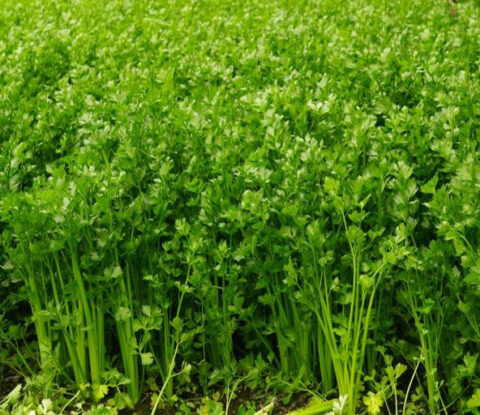


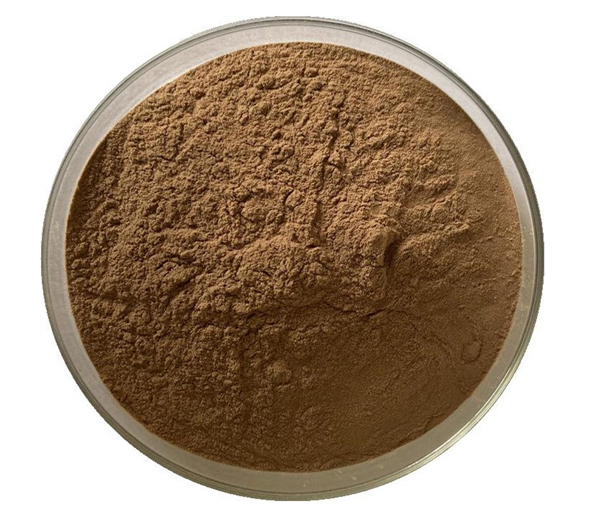
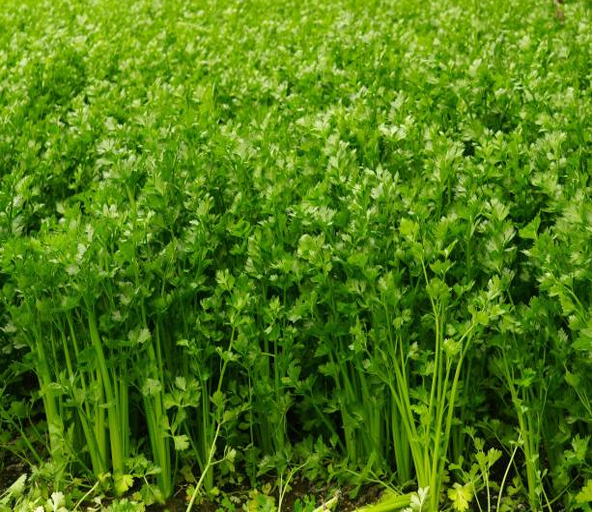
The main pharmacological effects of celery include lowering blood pressure, antioxidation, and anti-inflammatory. Its active ingredients, 3-butylphthalein and apigenin, can relax vascular smooth muscle, reduce peripheral resistance, and produce mild antihypertensive effects. Meanwhile, these components can inhibit inflammatory pathways such as NF - κ B, eliminate free radicals, and exhibit neuroprotective, uric acid lowering, and lipid regulating potential.

Celery Extract Powder 10:1, 20:1, 50:1 TLC, Apigenin 10% HPLC
【Botanical source】: Apium graveolens L.
【Part used】: Stem&leaf
【Specification】: 10:1, 20:1, 50:1 TLC, Apigenin 10% HPLC
【Chemical formula】:C15H10O5
【Molecular weight】:270.237
【CAS login number】:520-36-5
【Extraction solvents】: Water
【Appearance】: Brownish fine powder
【Particle size】: 95% pass 80 mesh size
【Main ingredients】: The main components of celery include apigenin (an important flavonoid compound) and various benzophenone compounds (such as 3-butylphthalein), which are the source of celery’s unique aroma and core physiological activity. In addition, celery is rich in vitamin K, vitamin C, potassium, dietary fiber, and coumarin components, which have the potential for antioxidant, anti-inflammatory, and blood pressure regulation.
【Storage conditions】:Store at room temperature in a sealed manner, away from light, and in a ventilated, cool, and dry environment.
【Shelf life】: 24 months from the production date
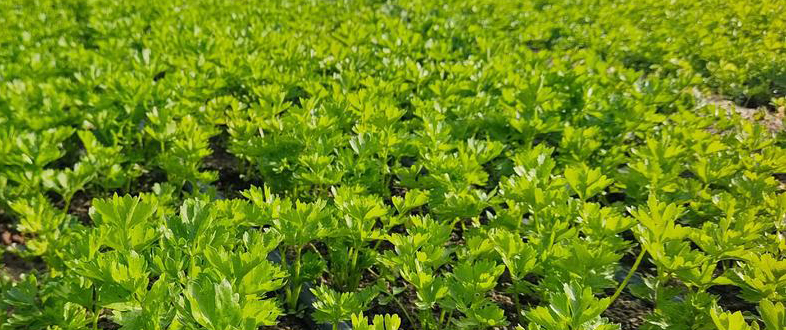
Celery Extract Powder Production Flowchart
Celery raw materials -Coarse powder(40 mesh) -Low temperature water extraction – 1st Reflux Extraction(10 times water,2 Hrs) – 2nd Reflux Extraction8 times water,1.5 Hrs) – 3rd Reflux Extraction(6 times water,1 Hrs) – Extraction Solution-combine&Filtrate-Concentrate-Extractum-spray drying – screening – packaging – detection of physical and chemical indicators – warehousing
Specification Sheet of Celery Extract Powder
| Product name: | Celery extract | ||
| Specification: | 10:1 TLC | ||
| Part used: | Leaf&stem of Apium graveolens L. | ||
| Solvent used: | Water | ||
| Process: | Raw materials crushed, extracted, concentrated and spray-dried to powder | ||
| Non GMO according to regulation (EC) 1829/2003 and 1830/2003 or United States requirements. Non allergen according to Directive 2007/68 amending Annex IIIa to Directive 2000/13/EC and US Food allergen labelling and consumer protection act 2004. | |||
| Heavy Metals: | |||
| Lead: | NMT 3ppm | Cadmium: | NMT 1ppm |
| Arsenic: | NMT 2ppm | Mercury: | NMT 1ppm |
| Residual solvents: | Comply to USP | ||
| Pesticides residues: | Conform to Regulation USP<561> | ||
| Microbiology: | |||
| Total plate count: | 10000cfu/g Max | Yeasts and molds: | 1000cfu/g Max |
| E.coli: | Not detected in (g)10 | Salmonella spp.: | Not detected in (g)25 |
| Staphylococcus aureus: | Not detected in (g)10 | Clostridium spp.: | Not Present in 0.1 g of food |
| Organoleptic quality | Method | Specifications | |
| Aspect: | Visual : ( CQ-MO-148) | Powder | |
| Color: | Visual : ( CQ-MO-148) | Brownish yellow | |
| Flavor: | Sensory: (CQ-MO-148) | Characteristic | |
| Analytical quality | Method | Specifications | |
| Identification: | TLC | Conform | |
| Loss on drying: | USP <731> | < 10% | |
| Bulk density: | USP <616> Method I | 40 – 60 g/100mL | |
| Particle size: | Analytical sieving || USP <786> | 100% through 80meshes | |
| Packaging suitable for foodstuff. | |||
Extended Reading
Modern Research Summary on Celery (Apium graveolens L.) Extract
Celery extract, derived from the stalks, seeds, and leaves, is increasingly studied for its unique phytonutrients, with a primary focus on cardiovascular and metabolic health.
- Chemical Components:
- Pthalides (Phthalides): Unique bioactive compounds responsible for its characteristic aroma and key health effects, notably 3-n-butylphthalide (3nB) and sedanolide.
- Flavonoids: Predominantly apigenin and its glycosides (e.g., apiin), along with luteolin.
- Phenolic Acids: Such as caffeic acid, ferulic acid, and chlorogenic acid.
- Coumarins: Including bergapten, psoralen, and xanthotoxin, which can be phototoxic.
- Volatile Oils (in seeds): High in limonene, selinene, and phthalides.
- Nutrients: Rich in vitamin K, potassium, and dietary fiber.
- Health Benefits (Pharmacological Activities):
- Antihypertensive & Vasorelaxant: 3-n-butylphthalide (3nB) is the most studied compound for lowering blood pressure. It acts as a smooth muscle relaxant by reducing vascular resistance and may act as a mild diuretic and calcium channel blocker.
- Anti-inflammatory & Antioxidant: Apigenin and other phenolics inhibit NF-κB and COX-2 pathways, reducing pro-inflammatory cytokines. They also scavenge free radicals.
- Neuroprotective: 3nB (synthetic form is a prescription drug in China for ischemic stroke) shows promise in improving cerebral circulation and protecting against neurodegeneration in preclinical models.
- Metabolic Health: May improve lipid profiles and reduce uric acid levels. Exhibits anti-hyperglycemic effects by enhancing insulin sensitivity.
- Gastroprotective: Demonstrates anti-ulcer activity in animal models, likely by boosting mucosal defense.
- Interactions & Warnings:
- Drug Interactions: May potentiate antihypertensive drugs, leading to hypotension. High vitamin K content can antagonize warfarin and other vitamin K antagonist anticoagulants, reducing their efficacy. Due to diuretic effect, may interact with loop diuretics (e.g., furosemide). Sedatives (apigenin has mild sedative properties) and levothyroxine (fiber may impair absorption) also warrant caution.
- Contraindications/Warnings: Kidney disorders with severe potassium restriction (high potassium content). Photosensitivity: Individuals with sensitivity or using photosensitizing drugs should be cautious with high-dose seed extract due to furanocoumarins.
- Pregnancy: Medicinal doses of seed extract should be avoided as it may act as a uterine stimulant.
- Applications:
- Nutraceuticals/Supplements: Marketed for blood pressure support, joint health (anti-inflammatory), and as a diuretic/detox aid, often in capsule or seed extract form.
- Functional Food & Seasoning: Celery seed is widely used as a spice and flavoring agent. Celery powder is used as a natural source of nitrites in “uncured” meat products.
- Essential Oils: Used in aromatherapy and cosmetics.
- Pharmaceuticals: Synthetic 3nB (Butylphthalide) is an approved drug in China for the treatment of ischemic stroke.
References:
- Kolarovic, J., et al. (2021). Molecules. “Apium graveolens: A Comprehensive Review on Phytochemistry and Biological Effects.”
- Dianat, M., et al. (2018). Phytotherapy Research. “The effect of hydro-alcoholic celery (Apium graveolens) leaf extract on cardiovascular parameters and lipid profile in animal model.”
- Moghadam, M.H., et al. (2013). Journal of Evidence-Based Complementary & Alternative Medicine. “The effect of celery (Apium graveolens L.) on cardiovascular risk factors: A systematic review.”
- Li, M., et al. (2019). Frontiers in Pharmacology. “3-n-Butylphthalide (NBP): A Promising Therapeutic Agent for Ischemic Stroke.”
- European Medicines Agency (EMA). (2012). “Assessment report on Apium graveolens L., fructus.”
Note: This summary is for informational purposes. It may interact with medications and is contraindicated in certain conditions. Consult a healthcare professional before therapeutic use, particularly regarding its estrogenic activity.