
Chamomile Extract Powder 10:1, 20:1, 50:1 TLC

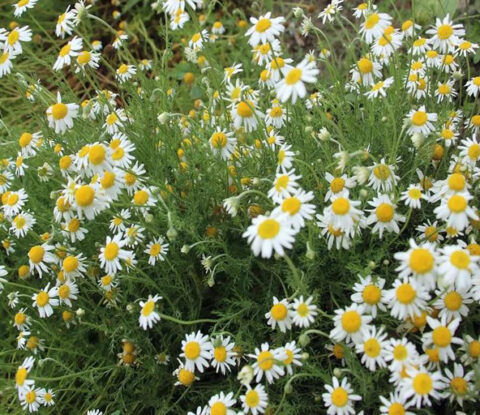


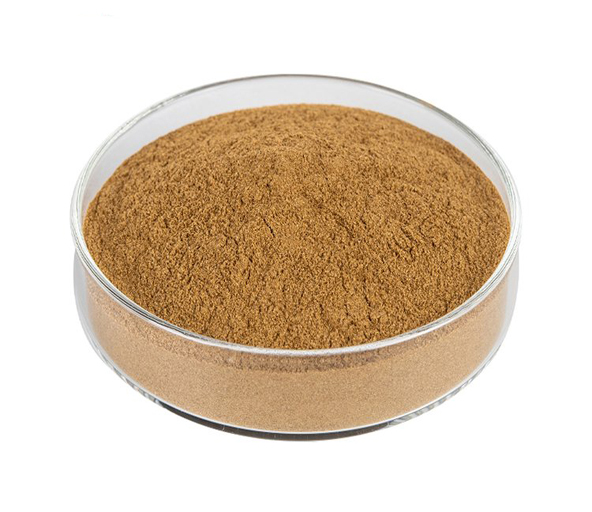
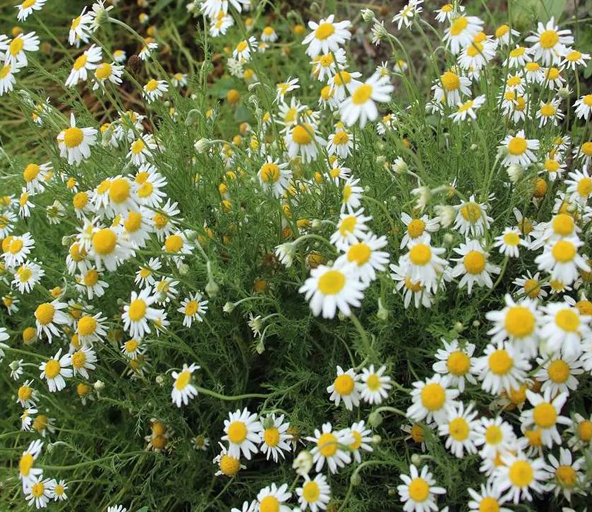
Chamomile contains apigenin, flavonoids, and polyphenols, which have anti-inflammatory and anti-inflammatory effects, relieve spasms, and anti bloating properties. It can also alleviate muscle soreness and migraines, and is beneficial for gastrointestinal function.

Chamomile Extract Powder 10:1, 20:1, 50:1 TLC
【Botanical source】: Matricaria chamomilla L.
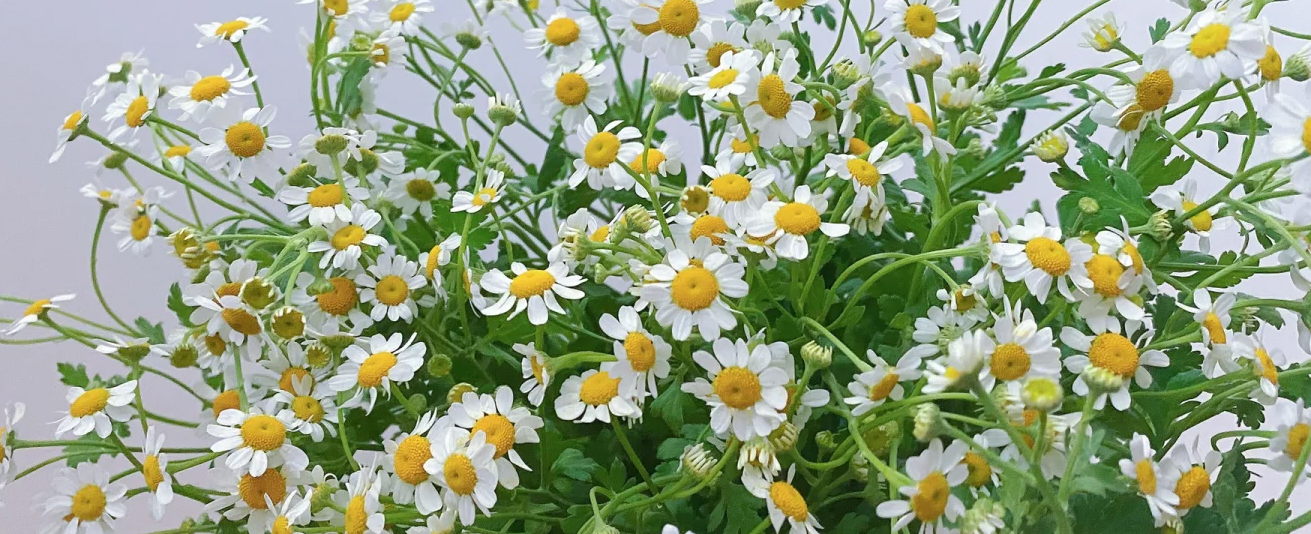
【Part used】: Dried whole plant of Asteraceae plant Matricaria chamomilla L.
【Specification】: 10:1, 20:1, 50:1 TLC
【Extraction solvents】: Water
【Appearance】: Brownish yellow fine powder
【Particle size】: 95% pass 80 mesh size
【Main ingredients】: Chamomile mainly contains active ingredients such as flavonoids, saponins, polysaccharides, and volatile oils, which have anti-inflammatory, antifungal, and antispasmodic effects; Due to its various medicinal properties, it has been used as an ingredient in medicinal cosmetics. Ointments, creams, and washes containing chamomile essential oil are used in Europe to treat various skin diseases.
【Storage conditions】:Store at room temperature in a sealed manner, away from light, and in a ventilated, cool, and dry environment.
【Shelf life】: 24 months from the production date
Chamomile Extract Powder Production Flowchart
Chamomile raw materials -Coarse powder(40 mesh) -Low temperature water extraction – 1st Reflux Extraction(10 times water,2 Hrs) – 2nd Reflux Extraction8 times water,1.5 Hrs) – 3rd Reflux Extraction(6 times water,1 Hrs) – Extraction Solution-combine&Filtrate-Concentrate-Extractum-spray drying – screening – packaging – detection of physical and chemical indicators – warehousing
Specification Sheet of Chamomile Extract Powder
| Product name: | Chamomile Extract | ||
| Specification: | 10:1 TLC | ||
| Part used: | Dried whole plant of Asteraceae plant Matricaria chamomilla L. | ||
| Solvent used: | Ethanol | ||
| Process: | Raw materials crushed, extracted, concentrated and spray-dried to powder | ||
| Non GMO according to regulation (EC) 1829/2003 and 1830/2003 or United States requirements. Non allergen according to Directive 2007/68 amending Annex IIIa to Directive 2000/13/EC and US Food allergen labelling and consumer protection act 2004. | |||
| Heavy Metals: | |||
| Lead: | NMT 3ppm | Cadmium: | NMT 1ppm |
| Arsenic: | NMT 2ppm | Mercury: | NMT 1ppm |
| Residual solvents: | Comply to USP | ||
| Pesticides residues: | Conform to Regulation USP<561> | ||
| Microbiology: | |||
| Total plate count: | 10000cfu/g Max | Yeasts and molds: | 1000cfu/g Max |
| E.coli: | Not detected in (g)10 | Salmonella spp.: | Not detected in (g)25 |
| Staphylococcus aureus: | Not detected in (g)10 | Clostridium spp.: | Not Present in 0.1 g of food |
| Organoleptic quality | Method | Specifications | |
| Aspect: | Visual : ( CQ-MO-148) | Powder | |
| Color: | Visual : ( CQ-MO-148) | Brownish | |
| Flavor: | Sensory: (CQ-MO-148) | Characteristic | |
| Analytical quality | Method | Specifications | |
| Identification: | TLC | Conform | |
| Loss on drying: | USP <731> | < 10% | |
| Bulk density: | USP <616> Method I | 40 – 60 g/100mL | |
| Particle size: | Analytical sieving || USP <786> | 100% through 80meshes | |
| Packaging suitable for foodstuff. | |||
Extended Reading
Summary of Modern Pharmacological Effects of Chamomile Extract
Chamomile, primarily derived from the dried flowers of Matricaria recutita L. (German chamomile) or Chamaemelum nobile L. (Roman chamomile), has been extensively studied in modern pharmacology. Its therapeutic properties are largely attributed to its bioactive constituents, including flavonoids (e.g., apigenin, luteolin), terpenoids (e.g., α-bisabolol, chamazulene), and coumarins.
The key pharmacological effects identified in contemporary research include:
- Anti-inflammatory and Antioxidant: Apigenin and other flavonoids inhibit pro-inflammatory enzymes (cyclooxygenase-2, lipoxygenase) and cytokines (e.g., TNF-α, IL-6). Antioxidant activity is mediated through free radical scavenging and upregulation of endogenous antioxidant enzymes like superoxide dismutase.
- Anxiolytic and Mild Sedative: Apigenin binds to central benzodiazepine receptors, exerting anxiolytic effects. Clinical studies show chamomile extract can reduce symptoms of generalized anxiety disorder and improve sleep quality.
- Gastroprotective and Spasmolytic: Extracts inhibit gastric acid secretion, protect against ulcer formation, and relax intestinal smooth muscle via anticholinergic and calcium channel blocking effects, aiding in conditions like dyspepsia and colic.
- Antimicrobial: Essential oil components (α-bisabolol, chamazulene) exhibit bacteriostatic activity against Gram-positive bacteria and fungi (e.g., Candida albicans).
- Wound Healing and Skin Health: Topical application promotes granulation tissue formation, wound contraction, and exhibits anti-irritant effects in conditions like eczema and minor skin inflammation.
- Antidiabetic and Hypolipidemic Potential: Preliminary animal and in vitro studies indicate chamomile may lower blood glucose and lipid levels by enhancing hepatic glycogen storage and inhibiting cholesterol absorption.
- Anticancer Activity (Preclinical): Apigenin induces apoptosis and inhibits proliferation in various cancer cell lines (e.g., prostate, breast, skin) through cell cycle arrest and modulation of signaling pathways (PI3K/AKT, MAPK).
Mechanistic Insights: Many effects are linked to the modulation of the NF-κB and Nrf2 transcription factor pathways, reducing inflammation and oxidative stress.
Conclusion: Modern research validates several traditional uses of chamomile, particularly for anxiety, GI disorders, and skin inflammation. While generally safe, potential interactions with anticoagulants and sedatives exist. Most evidence for anti-anxiety and GI effects is robust from human trials, while anticancer and metabolic benefits primarily stem from preclinical studies, warranting further clinical investigation.
References
- Srivastava, J. K., Shankar, E., & Gupta, S. (2010). Chamomile: A herbal medicine of the past with bright future. Molecular Medicine Reports, 3(6), 895–901.
- McKay, D. L., & Blumberg, J. B. (2006). A review of the bioactivity and potential health benefits of chamomile tea (Matricaria recutita L.). Phytotherapy Research, 20(7), 519–530.
- Amsterdam, J. D., Li, Y., Soeller, I., Rockwell, K., Mao, J. J., & Shults, J. (2009). A randomized, double-blind, placebo-controlled trial of oral Matricaria recutita (chamomile) extract therapy for generalized anxiety disorder. Journal of Clinical Psychopharmacology, 29(4), 378–382.
- Miraj, S., & Alesaeidi, S. (2016). A systematic review study of therapeutic effects of Matricaria recutita chamomile (chamomile). Electronic Physician, 8(9), 3024–3031.
- Singh, O., Khanam, Z., Misra, N., & Srivastava, M. K. (2011). Chamomile (Matricaria chamomilla L.): An overview. Pharmacognosy Reviews, 5(9), 82–95.
- Gupta, V., Mittal, P., Bansal, P., Khokra, S. L., & Kaushik, D. (2010). Pharmacological potential of Matricaria recutita– A review. International Journal of Pharmaceutical Sciences and Drug Research, 2(1), 12–16.
- Keefe, J. R., Mao, J. J., Soeller, I., Li, Q. S., & Amsterdam, J. D. (2016). Short-term open-label chamomile (Matricaria chamomilla L.) therapy of moderate to severe generalized anxiety disorder. Phytomedicine, 23(14), 1699–1705.
- Bhaskaran, N., Shukla, S., Srivastava, J. K., & Gupta, S. (2010). Chamomile: an anti-inflammatory agent inhibits inducible nitric oxide synthase expression by blocking RelA/p65 activity. International Journal of Molecular Medicine, 26(6), 935–940.
Note: This summary is for informational purposes. It may interact with medications and is contraindicated in certain conditions. Consult a healthcare professional before therapeutic use, particularly regarding its estrogenic activity.