
Chaste Tree Fruit Extract Powder 10:1, 20:1, 50:1 TLC
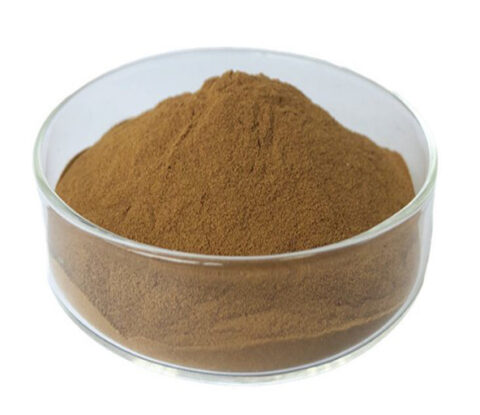
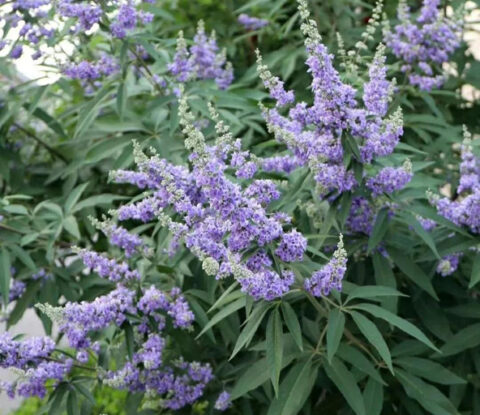


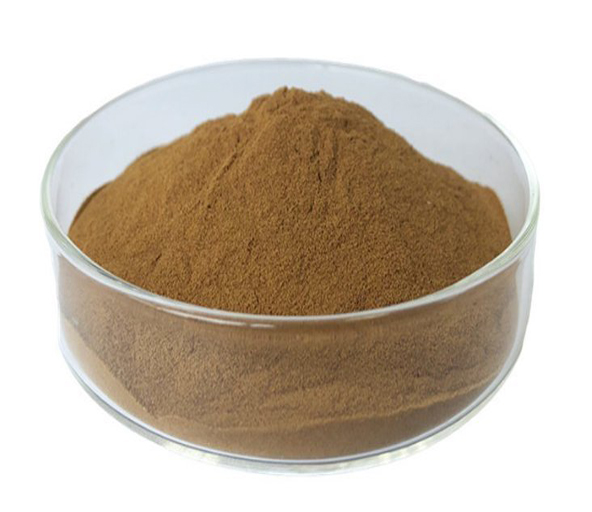
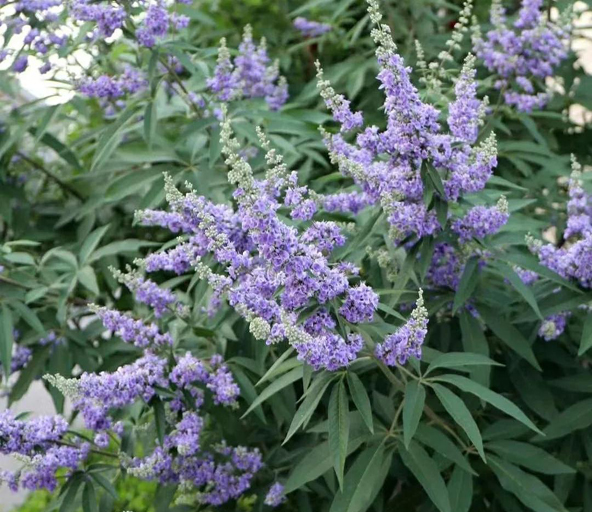
Chaste Tree Fruit is warm in nature, with a spicy and bitter taste. The main functions are to regulate menstruation and relieve pain, soothe the liver and regulate qi, and unblock collaterals and disperse nodules. Modern research has confirmed that it significantly regulates the pituitary gonadal axis function, inhibits prolactin secretion, balances the ratio of estrogen to progesterone, and effectively improves premenstrual syndrome (PMS), menstrual disorders, breast tenderness, and menopausal symptoms.

Chaste Tree Fruit Extract Powder 10:1, 20:1, 50:1 TLC
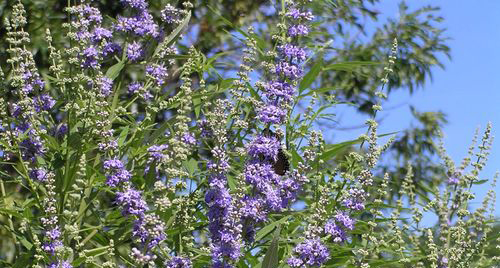
【Botanical source】: Vitex agnus-castus
【Part used】: Fruits
【Specification】: 10:1, 20:1, 50:1 TLC
【Extraction solvents】: Water
【Appearance】: Brownish fine powder
【Particle size】: 95% pass 80 mesh size
【Main ingredients】: Chaste Tree Fruit mainly contains volatile oils (pinene, eucalyptol, etc.), flavonoids (quercetin, vitexin), terpenes, and alkaloids. It has pharmacological activities such as pain relief, anti-inflammatory, anti-tumor, blood pressure lowering, and microcirculation improvement. It is traditionally used for symptoms such as wind heat cold, headache, red eye swelling and pain, and neuropathic headache.
【Storage conditions】:Store at room temperature in a sealed manner, away from light, and in a ventilated, cool, and dry environment.
【Shelf life】: 24 months from the production date
Chaste Tree Fruit Extract Powder Production Flowchart
Rosehip raw materials -Coarse powder(40 mesh) -Low temperature water extraction – 1st Reflux Extraction(10 times water,2 Hrs) – 2nd Reflux Extraction8 times water,1.5 Hrs) – 3rd Reflux Extraction(6 times water,1 Hrs) – Extraction Solution-combine&Filtrate-Concentrate-Extractum-spray drying – screening – packaging – detection of physical and chemical indicators – warehousing
Specification Sheet of Chaste Tree Fruit Extract Powder
| Product name: | Chaste Tree Fruit Extract | ||
| Specification: | 10:1 TLC | ||
| Part used: | Fruits of Vitex agnus-castus | ||
| Solvent used: | Water | ||
| Process: | Raw materials crushed, extracted, concentrated and spray-dried to powder | ||
| Non GMO according to regulation (EC) 1829/2003 and 1830/2003 or United States requirements. Non allergen according to Directive 2007/68 amending Annex IIIa to Directive 2000/13/EC and US Food allergen labelling and consumer protection act 2004. | |||
| Heavy Metals: | |||
| Lead: | NMT 3ppm | Cadmium: | NMT 1ppm |
| Arsenic: | NMT 2ppm | Mercury: | NMT 1ppm |
| Residual solvents: | Comply to USP | ||
| Pesticides residues: | Conform to Regulation USP<561> | ||
| Microbiology: | |||
| Total plate count: | 10000cfu/g Max | Yeasts and molds: | 1000cfu/g Max |
| E.coli: | Not detected in (g)10 | Salmonella spp.: | Not detected in (g)25 |
| Staphylococcus aureus: | Not detected in (g)10 | Clostridium spp.: | Not Present in 0.1 g of food |
| Organoleptic quality | Method | Specifications | |
| Aspect: | Visual : ( CQ-MO-148) | Powder | |
| Color: | Visual : ( CQ-MO-148) | Brownish | |
| Flavor: | Sensory: (CQ-MO-148) | Characteristic | |
| Analytical quality | Method | Specifications | |
| Identification: | TLC | Conform | |
| Loss on drying: | USP <731> | < 10% | |
| Bulk density: | USP <616> Method I | 40 – 60 g/100mL | |
| Particle size: | Analytical sieving || USP <786> | 100% through 80meshes | |
| Packaging suitable for foodstuff. | |||
Extended Reading
Modern Research on Chaste Tree Fruit (Vitex agnus-castus) Extract
- Chemical Components:
The therapeutic activity is attributed to a complex mixture of diterpenes(e.g., rotundifuran, vitexilactone), flavonoids(casticin, orientin, isovitexin), iridoid glycosides (agnuside, aucubin), and essential oils (limonene, cineole, sabinene). The lipophilic components, particularly the diterpenes and flavonoids, are considered the primary bioactive compounds. - Documented Health Benefits (Pharmacological Actions):
- Dopaminergic & Hormonal Regulation: Its most validated mechanism is the dopamine agonist activity, leading to inhibition of prolactin release from the pituitary gland. This normalizes the estrogen-to-progesterone ratio, correcting luteal phase defects.
- Premenstrual Syndrome (PMS) & Premenstrual Dysphoric Disorder (PMDD): Numerous clinical trials and meta-analyses confirm its efficacy in reducing physical (mastalgia, bloating) and psychological (irritability, mood swings) symptoms of PMS/PMDD, comparable to conventional treatments.
- Menstrual Cycle Disorders & Fertility: Effective in managing irregular cycles, luteal insufficiency, and some cases of female infertility linked to hyperprolactinemia. Also used for symptoms of perimenopause.
- Anti-Inflammatory & Analgesic: Exhibits anti-inflammatory properties via inhibition of prostaglandin synthesis, contributing to pain relief in conditions like cyclic mastalgia.
III. Interactions, Taboos, and Warnings:
- Drug Interactions:
- Dopamine Agonists/Antagonists: May have additive effects with drugs like bromocriptine or antagonistic effects with antipsychotics (e.g., haloperidol).
- Hormonal Therapies: May interfere with the action of oral contraceptives, hormone replacement therapy (HRT), or fertility medications.
- Dopaminergic Medications for Parkinson’s: Potential for interaction.
- Contraindications (Taboo): Pregnancy and breastfeeding (due to hormonal influence). Not recommended for individuals with hormone-sensitive conditions (e.g., breast, uterine, or ovarian cancer; endometriosis). Avoid use in children and in patients taking antipsychotics.
- Warnings/Side Effects: Generally well-tolerated. Mild and transient side effects may include gastrointestinal upset, headache, dizziness, acne, and pruritus. Can cause cycle irregularities initially.
- Applications:
- Pharmaceutical/Nutraceutical: Standardized extracts (often to casticin or agnuside) are widely used in capsules, tablets, and tinctures for managing PMS, PMDD, cyclic mastalgia, and irregular menstrual cycles.
- Women’s Health Integrative Therapy: A first-line herbal therapy in complementary and alternative medicine for menstrual complaints and subfertility.
- Veterinary Medicine: Occasionally used in small animal practice for hormonal imbalances.
References
- Dante, G., & Facchinetti, F. (2011). Herbal treatments for alleviating premenstrual symptoms: a systematic review. Journal of Psychosomatic Obstetrics & Gynecology, *32*(1), 42-51.
- van Die, M. D., Burger, H. G., Teede, H. J., & Bone, K. M. (2013). Vitex agnus-castus extracts for female reproductive disorders: a systematic review of clinical trials. Planta Medica, *79*(07), 562-575.
- Wuttke, W., Jarry, H., Christoffel, V., Spengler, B., & Seidlová-Wuttke, D. (2003). Chaste tree (Vitex agnus-castus)—Pharmacology and clinical indications. Phytomedicine, *10*(4), 348-357.
- Cerqueira, R. O., Frey, B. N., Leclerc, E., & Brietzke, E. (2017). Vitex agnus-castus for premenstrual syndrome and premenstrual dysphoric disorder: a systematic review. Archives of Women’s Mental Health, *20*(6), 713–719.
- Hajdú, Z., Hohmann, J., Forgo, P., et al. (2007). Diterpenoids and flavonoids from the fruits of Vitex agnus-castus and antioxidant activity of the fruit extracts and their constituents. Phytotherapy Research, *21*(4), 391-394.
- European Medicines Agency (EMA). (2010). Assessment report on Vitex agnus-castus L., fructus.
Note: This summary is for informational purposes. It may interact with medications and is contraindicated in certain conditions. Consult a healthcare professional before therapeutic use, particularly regarding its estrogenic activity.