
Chinese Honey Locust Extract Powder 10:1, 20:1, 50:1 TLC

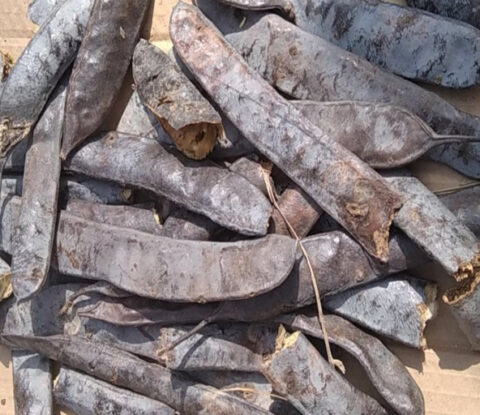


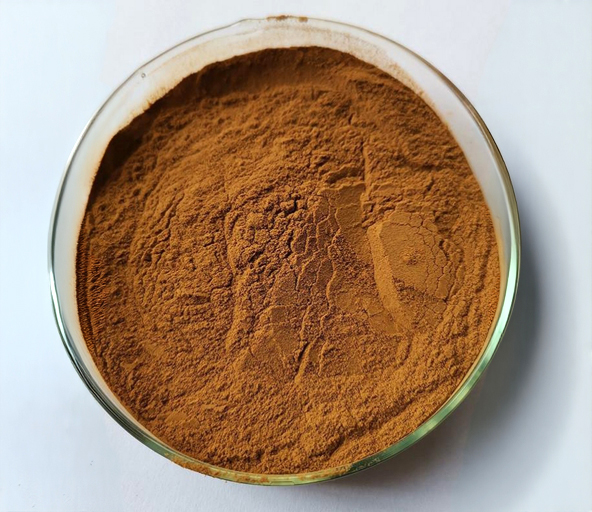
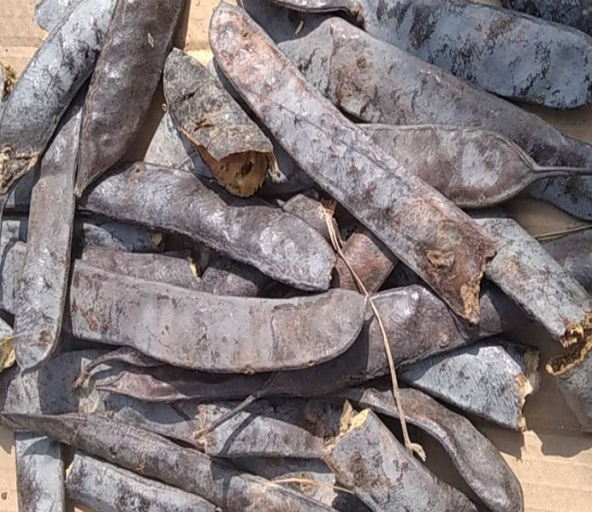
The core pharmacological effect of Chinese Honey Locust Extract comes from its abundant triterpenoid saponins. This ingredient exerts broad-spectrum antibacterial and antifungal activity by disrupting microbial cell membranes; At the same time, it exhibits significant anti-inflammatory and antioxidant effects by inhibiting inflammatory factors and clearing free radicals. Preclinical studies have also shown that it has anti-cancer potential by inducing tumor cell apoptosis and biological activities such as inhibiting platelet aggregation.

Chinese Honey Locust Extract Powder 10:1, 20:1, 50:1 TLC
【Botanical source】: Gleditsia sinensis Lam
【Part used】: Fruit
【Specification】: 10:1, 20:1, 50:1 TLC
【Extraction solvents】: Water
【Appearance】: Offwhite fine powder
【Particle size】: 95% pass 80 mesh size
【Main ingredients】: The main active ingredient of soapberry is triterpenoid saponins (soapberry saponins), which are the core of its surface activity and pharmacological effects. It also contains components such as tannins, alkaloids, flavonoids, and phenols. Seed kernels are rich in polysaccharides and proteins. Its saponin components have strong foaming and emulsifying properties, as well as clear antibacterial, anti-inflammatory, and potential anti-tumor activities.
【Storage conditions】:Store at room temperature in a sealed manner, away from light, and in a ventilated, cool, and dry environment.
【Shelf life】: 24 months from the production date
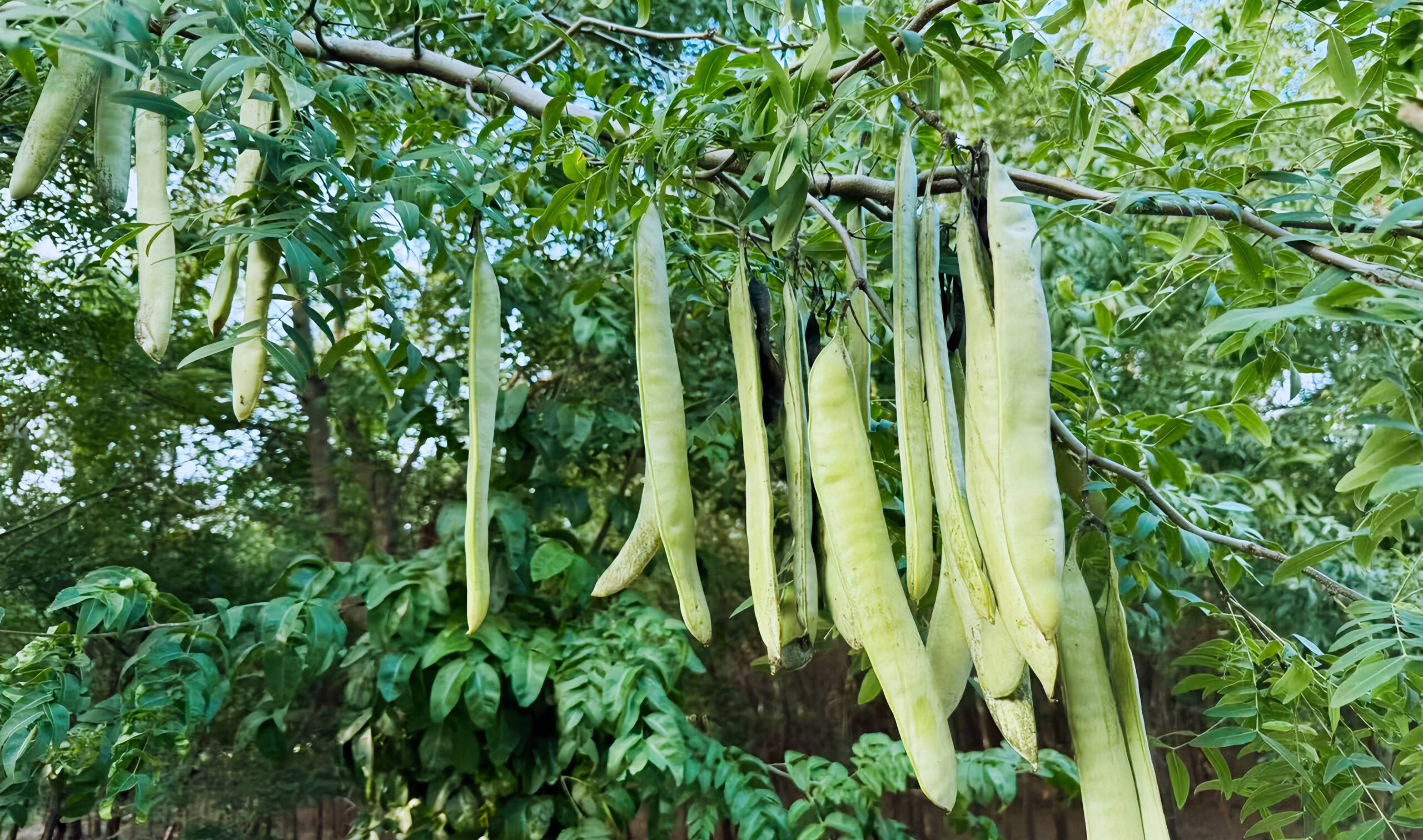
Chinese Honey Locust Extract Production Flowchart
Konjac raw materials -Coarse powder(40 mesh) -Low temperature water extraction – 1st Reflux Extraction(10 times water,2 Hrs) – 2nd Reflux Extraction8 times water,1.5 Hrs) – 3rd Reflux Extraction(6 times water,1 Hrs) – Extraction Solution-combine&Filtrate-Concentrate-Extractum-spray drying – screening – packaging – detection of physical and chemical indicators – warehousing
Specification Sheet of Chinese Honey Locust Extract Powder
| Product name: | Chinese Honey Locust Extract | ||
| Specification: | 10:1 TLC | ||
| Part used: | Fruit of Gleditsia sinensis Lam | ||
| Solvent used: | Water | ||
| Process: | Raw materials crushed, extracted, concentrated and spray-dried to powder | ||
| Non GMO according to regulation (EC) 1829/2003 and 1830/2003 or United States requirements. Non allergen according to Directive 2007/68 amending Annex IIIa to Directive 2000/13/EC and US Food allergen labelling and consumer protection act 2004. | |||
| Heavy Metals: | |||
| Lead: | NMT 3ppm | Cadmium: | NMT 1ppm |
| Arsenic: | NMT 2ppm | Mercury: | NMT 1ppm |
| Residual solvents: | Comply to USP | ||
| Pesticides residues: | Conform to Regulation USP<561> | ||
| Microbiology: | |||
| Total plate count: | 10000cfu/g Max | Yeasts and molds: | 1000cfu/g Max |
| E.coli: | Not detected in (g)10 | Salmonella spp.: | Not detected in (g)25 |
| Staphylococcus aureus: | Not detected in (g)10 | Clostridium spp.: | Not Present in 0.1 g of food |
| Organoleptic quality | Method | Specifications | |
| Aspect: | Visual : ( CQ-MO-148) | Powder | |
| Color: | Visual : ( CQ-MO-148) | Brownish | |
| Flavor: | Sensory: (CQ-MO-148) | Characteristic | |
| Analytical quality | Method | Specifications | |
| Identification: | TLC | Conform | |
| Loss on drying: | USP <731> | < 10% | |
| Bulk density: | USP <616> Method I | 40 – 60 g/100mL | |
| Particle size: | Analytical sieving || USP <786> | 100% through 80meshes | |
| Packaging suitable for foodstuff. | |||
Extended Reading
Summary of modern research on Chinese honey locust (皂角, Gleditsia sinensis Lam.) extract, focusing on its fruit (the “皂角刺” pod/spine is also a distinct herb).
Chemical Components
The bioactivity primarily stems from the fruit (pod) and spines. Key constituents include:
- Triterpenoid Saponins: The defining compounds, mainly gleditsiosides (e.g., Gleditsia saponin C), responsible for surfactant, antimicrobial, and cytotoxic effects.
- Phenolic Compounds: Flavonoids (e.g., quercetin, apigenin derivatives) and phenolic acids, contributing to antioxidant and anti-inflammatory activities.
- Polysaccharides: Isolated from seeds or pulp, showing immunomodulatory and prebiotic potential.
- Other Bioactives: Alkaloids, tannins, and fatty acids.
Health Benefits (Evidence-Based)
- Antimicrobial & Antifungal: Saponins exhibit broad-spectrum activity against bacteria (e.g., Staphylococcus aureus, E. coli) and fungi (e.g., Candida albicans), disrupting microbial cell membranes.
- Anti-inflammatory & Antioxidant: Flavonoids and phenolics inhibit pro-inflammatory cytokines (e.g., TNF-α, IL-6) and scavenge free radicals. Shown effective in animal models of dermatitis and enteritis.
- Antitumor Potential (Preclinical): Saponins and extracts demonstrate cytotoxic and pro-apoptotic effects against various cancer cell lines (e.g., breast, liver, lung) in vitro and in animal models, often by inducing cell cycle arrest.
- Mucociliary & Expectorant Action: Traditional use for expelling phlegm is supported by its irritant effect on mucous membranes, promoting secretion and clearance.
- Antiplatelet Aggregation: Certain saponins inhibit platelet aggregation, suggesting potential for thromboprevention.
Interactions & Contraindications
- Anticoagulant/Antiplatelet Drugs: May potentiate effects of warfarin, clopidogrel, or aspirin, increasing bleeding risk.
- Gastrointestinal Irritants: May exacerbate irritation when taken with NSAIDs or other irritant substances.
- Contraindications: Pregnancy and lactation (due to lack of safety data and potential emmenagogue effects). Gastritis, peptic ulcers, or esophageal damage due to irritant properties. Known hypersensitivity.
Warnings & Side Effects
- Gastrointestinal Irritation: Oral ingestion can cause nausea, vomiting, diarrhea, and stomach pain due to saponin content.
- Hemolytic Effect: Saponins can cause hemolysis of red blood cells in vitro; systemic risk is low with typical use but caution is advised.
- Topical Irritation: Concentrated extracts may irritate skin and mucous membranes.
- Toxicity: High doses are toxic. The raw pods are not for direct consumption.
Applications
- Traditional Medicine: Used externally (wash) or internally in decoctions (carefully processed) for skin infections, inflammation, phlegm, and stroke-related symptoms.
- Natural Surfactant/Cleanser: Saponin extract serves as a biodegradable foaming agent in eco-friendly shampoos, cleansers, and detergents.
- Agricultural & Aquaculture: Used as a natural pesticide and parasiticide.
- Research Compound: Purified saponins are studied for their anticancer and antimicrobial mechanisms in pharmacology.
Key References
- Zhang, J., et al. (2017). Journal of Ethnopharmacology. (Review on phytochemistry and pharmacology of Gleditsia species).
- Li, Q., et al. (2012). Phytotherapy Research. (Antioxidant and anti-inflammatory activities of G. sinensis thorns).
- Wang, Y., et al. (2016). Molecules. (Antibacterial triterpenoids from G. sinensis).
- Liu, H., et al. (2009). Journal of Agricultural and Food Chemistry. (Antifungal saponins from the pulp of G. sinensis).
- Cheng, H., et al. (2013). Asian Pacific Journal of Cancer Prevention. (Cytotoxic effects of saponins from G. sinensis on human hepatoma cells).
Disclaimer: This information is for academic and informational purposes only. Gleditsia sinensis is a potent herb with significant toxicity risks. It is not a dietary supplement and should only be used under the strict guidance of a qualified Traditional Chinese Medicine practitioner or healthcare professional. Self-medication is strongly discouraged.