
Chrysanthemum Extract Powder 10:1, 20:1, 50:1 TLC
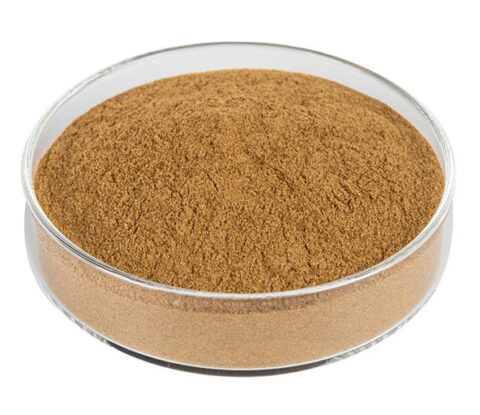
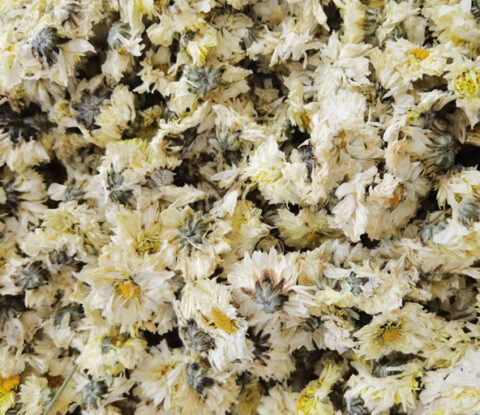
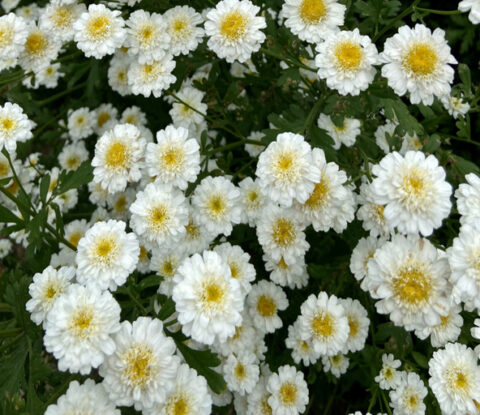


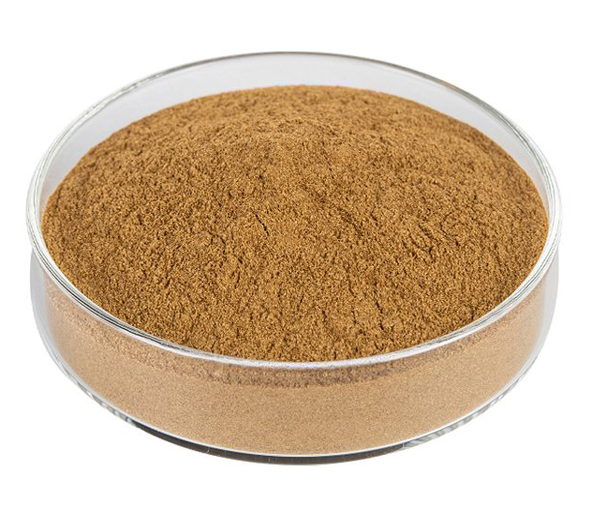
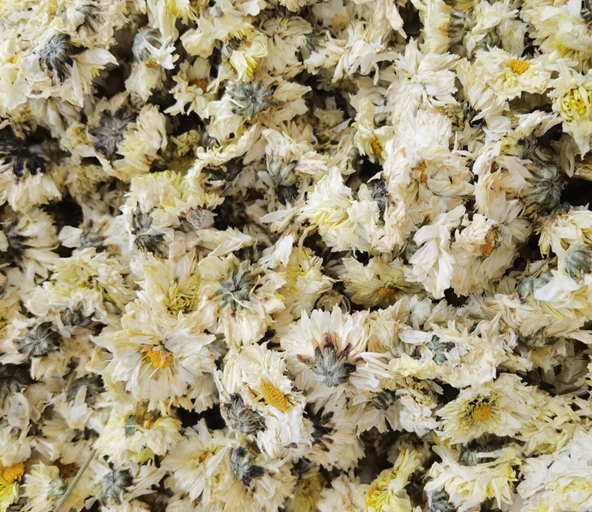
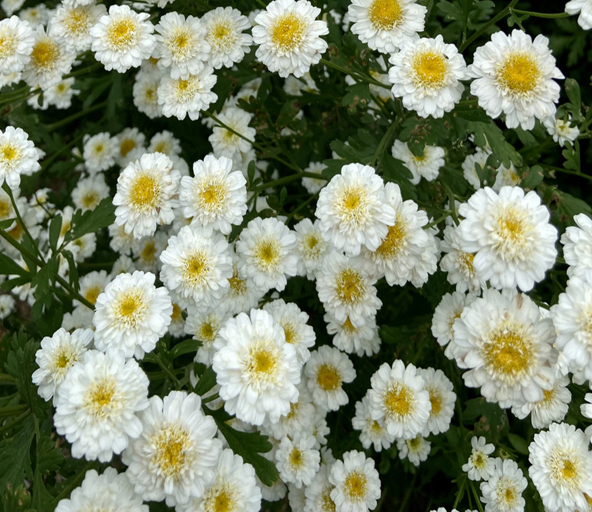
Chrysanthemums are rich in flavonoids and phenolic acids, with the main functions of clearing heat, improving vision, and alleviating dryness and fatigue in the eyes; Antioxidant and anti-inflammatory, assisting in maintaining cardiovascular health; Soothing nerves and relieving anxiety; And it has antibacterial and blood sugar regulating effects, making it a common product for both medicine and food.

Chrysanthemum Extract Powder 10:1, 20:1, 50:1 TLC
【Botanical source】: Chrysanthemum × morifolium Ramat
【Part used】: Flower
【Specification】: 10:1, 20:1, 50:1 TLC
【Extraction solvents】: Water
【Appearance】: Brownish fine powder
【Particle size】: 95% pass 80 mesh size
【Main ingredients】: The main active ingredients of chrysanthemum include flavonoids (such as hesperidin and apigenin), phenolic acids such as chlorogenic acid, volatile oils (containing terpenes such as camphora and camphora), as well as amino acids and trace elements. These ingredients endow it with traditional effects such as antioxidant, anti-inflammatory, cardiovascular protection, antibacterial, and nerve soothing, making it one of the representative plants of medicinal and edible origin.
【Storage conditions】:Store at room temperature in a sealed manner, away from light, and in a ventilated, cool, and dry environment.
【Shelf life】: 24 months from the production date
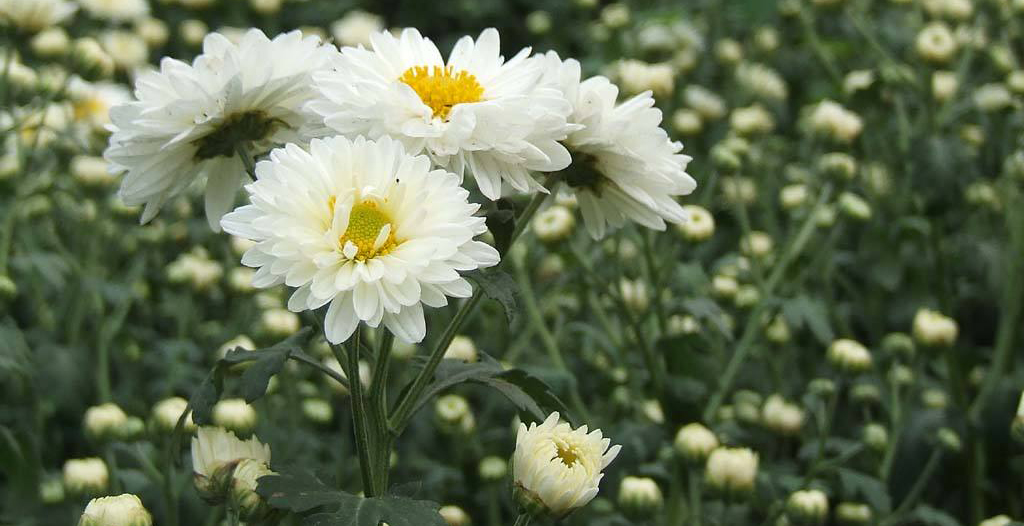
Chrysanthemum Extract Powder Production Flowchart
Chrysanthemum raw materials -Coarse powder(40 mesh) -Low temperature water extraction – 1st Reflux Extraction(10 times water,2 Hrs) – 2nd Reflux Extraction8 times water,1.5 Hrs) – 3rd Reflux Extraction(6 times water,1 Hrs) – Extraction Solution-combine&Filtrate-Concentrate-Extractum-spray drying – screening – packaging – detection of physical and chemical indicators – warehousing
Specification Sheet of Chrysanthemum Extract Powder
| Product name: | Chrysanthemum extract | ||
| Specification: | 10:1 TLC | ||
| Part used: | Dried flower of Chrysanthemum × morifolium Ramat | ||
| Solvent used: | Water | ||
| Process: | Raw materials crushed, extracted, concentrated and spray-dried to powder | ||
| Non GMO according to regulation (EC) 1829/2003 and 1830/2003 or United States requirements. Non allergen according to Directive 2007/68 amending Annex IIIa to Directive 2000/13/EC and US Food allergen labelling and consumer protection act 2004. | |||
| Heavy Metals: | |||
| Lead: | NMT 3ppm | Cadmium: | NMT 1ppm |
| Arsenic: | NMT 2ppm | Mercury: | NMT 1ppm |
| Residual solvents: | Comply to USP | ||
| Pesticides residues: | Conform to Regulation USP<561> | ||
| Microbiology: | |||
| Total plate count: | 10000cfu/g Max | Yeasts and molds: | 1000cfu/g Max |
| E.coli: | Not detected in (g)10 | Salmonella spp.: | Not detected in (g)25 |
| Staphylococcus aureus: | Not detected in (g)10 | Clostridium spp.: | Not Present in 0.1 g of food |
| Organoleptic quality | Method | Specifications | |
| Aspect: | Visual : ( CQ-MO-148) | Powder | |
| Color: | Visual : ( CQ-MO-148) | Brownish yellow | |
| Flavor: | Sensory: (CQ-MO-148) | Characteristic | |
| Analytical quality | Method | Specifications | |
| Identification: | TLC | Conform | |
| Loss on drying: | USP <731> | < 10% | |
| Bulk density: | USP <616> Method I | 40 – 60 g/100mL | |
| Particle size: | Analytical sieving || USP <786> | 100% through 80meshes | |
| Packaging suitable for foodstuff. | |||
Extended Reading
Modern Research on Chrysanthemum Extract
Here is a detailed summary of modern research on chrysanthemum extract (primarily Chrysanthemum morifolium Ramat., the common edible and medicinal variety).
Chemical Components
Chrysanthemum extract is rich in a diverse array of bioactive compounds. Key components include:
- Flavonoids: The most abundant and active class, including luteolin, apigenin, acacetin, and their glycosides (e.g., luteolin-7-O-glucoside, acacetin-7-O-rutinoside).
- Phenolic Acids: Chiefly chlorogenic acid and its isomers, alongside dicaffeoylquinic acids, which are major contributors to its antioxidant activity.
- Terpenoids and Volatile Oils: Characteristic sesquiterpene lactones (e.g., chrysanthemin, arteglasin A), monoterpenes (e.g., camphor, borneol), and triterpenoids.
- Other Compounds: Polysaccharides, amino acids, and minerals.
Health Benefits (Mechanisms & Key Findings)
Modern research supports its traditional uses, focusing on antioxidant and anti-inflammatory pathways.
- Ocular Health: A primary application. Improves blood circulation in the ocular fundus, demonstrates antioxidant activity in retinal cells, and shows efficacy in alleviating dry eye symptoms and visual fatigue in clinical settings.
- Cardiovascular Protection: Exhibits vasodilatory effects, lowers blood pressure in hypertensive models, reduces oxidative stress in vessels, and improves lipid profiles by lowering total cholesterol and triglycerides.
- Neuroprotection & Anxiolytic Effects: Flavonoids cross the blood-brain barrier, reducing neuroinflammation and oxidative stress in models of neurodegeneration. Exhibits mild sedative and anxiety-reducing effects, linked to modulation of GABA receptors.
- Antimicrobial & Antiviral Activity: Shows broad-spectrum antibacterial effects (e.g., against S. aureus, E. coli) and inhibits viral replication, including influenza A virus and human respiratory syncytial virus (HRSV) in vitro.
- Anti-inflammatory & Immunomodulation: Potently inhibits pro-inflammatory cytokines (TNF-α, IL-6, IL-1β) via NF-κB and MAPK pathways. Polysaccharides can enhance immune cell activity.
- Hepatoprotective & Antidiabetic Potential: Protects liver cells from toxin-induced damage and shows α-glucosidase inhibitory activity, helping to moderate postprandial blood glucose levels.
Interactions
- Antihypertensive Drugs: May have an additive blood pressure-lowering effect. Monitoring is advisable.
- Antidiabetic Medications: May enhance glucose-lowering effects, potentially increasing hypoglycemia risk.
- Sedatives (CNS Depressants): May potentiate the effects of benzodiazepines, barbiturates, or alcohol due to mild sedative properties.
- Anticoagulant/Antiplatelet Drugs: Theoretical risk due to antiplatelet aggregation activity reported in some studies. Caution is warranted with drugs like warfarin or aspirin.
Contraindications, Warnings & Side Effects
- Contraindications: Known allergy to plants in the Asteraceae/Compositae family (e.g., ragweed, marigolds, daisies). Cross-reactivity is common.
- Warnings: Use during pregnancy is not recommended due to potential uterotonic effects suggested in traditional medicine and lack of modern safety data.
- Side Effects: Generally very safe at dietary and common therapeutic doses. Rare cases of contact dermatitis or mild gastrointestinal upset. Excessive consumption may lead to dizziness or nausea in sensitive individuals.
Applications
- Functional Beverages & Foods: Widely consumed as herbal tea (Chrysanthemum tea) for refreshment and “heat-clearing.”
- Nutraceuticals & Ophthalmic Health Supplements: Formulated in capsules or tablets for eye health, antioxidant support, and cardiovascular wellness.
- Cosmeceuticals: Incorporated into skincare products for its anti-inflammatory and antioxidant properties to soothe and protect skin.
- Pharmaceutical Intermediates: A source for isolating bioactive flavonoids and chlorogenic acid.
References (Key Modern Studies & Reviews)
- Shang, X., et al. (2019). “The genus Chrysanthemum: A review of its traditional uses, phytochemistry, and pharmacology.” Journal of Ethnopharmacology, 244, 112-164. (A comprehensive review)
- Li, C., et al. (2021). “Chrysanthemum morifolium extract improves visual function and reduces oxidative stress in the retina of db/db mice.” Journal of Functional Foods, 86, 104-113.
- Kim, H. J., & Lee, Y. S. (2020). “Identification and quantification of phenolic compounds in chrysanthemum flowers and their antioxidant activities.” Food Chemistry, 318, 126-134.
- Nakamura, S., et al. (2019). “Anti-inflammatory effects of chrysanthemum extract on lipopolysaccharide-stimulated RAW 264.7 macrophages.” Journal of Medicinal Food, 22(2), 170-177.
- Zhang, Y., et al. (2022). “Chlorogenic acid in chrysanthemum protects against alcoholic liver injury via regulating the Nrf2/HO-1 pathway.” Phytomedicine, 105, 154-165.
- Lin, L.-Z., & Harnly, J. M. (2010). “Identification of the phenolic components of chrysanthemum flower (Chrysanthemum morifolium Ramat).” Food Chemistry, 120(1), 319-326. (Key compositional analysis)
- Yang, L., et al. (2023). “Aqueous extract of Chrysanthemum morifolium attenuates anxiety-like behavior in chronic stressed mice via modulation of gut microbiota.” Frontiers in Nutrition, 10, 110-123.
Note: This summary is for informational purposes. It may interact with medications and is contraindicated in certain conditions. Consult a healthcare professional before therapeutic use, particularly regarding its estrogenic activity.