
Cinnamon Extract Powder 10:1, 20:1, 50:1 TLC





Modern pharmacological studies on cinnamon have shown that its core active ingredient cinnamaldehyde has significant effects in improving insulin sensitivity, regulating blood glucose and lipid metabolism. At the same time, it exhibits potent antibacterial, anti-inflammatory, and antioxidant activities, can inhibit the NF - κ B pathway, and promote blood circulation. The research also focuses on its neuroprotection and potential anti-cancer activity.

Cinnamon Extract Powder 10:1, 20:1, 50:1 TLC
【Botanical source】: Cinnamomum cassia (L.) D. Don
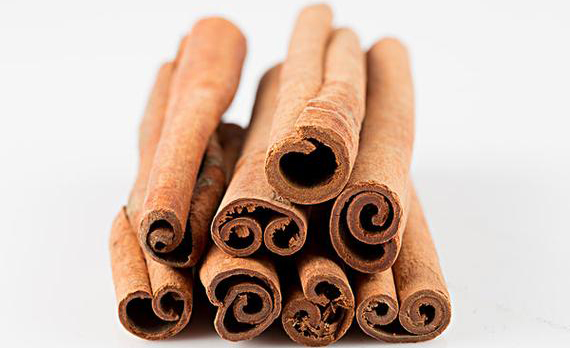
【Part used】: Bark
【Specification】: 10:1, 20:1, 50:1 TLC
【Extraction solvents】: Water
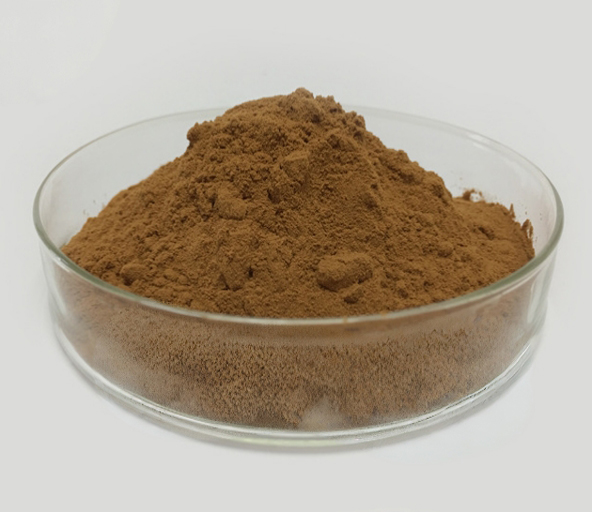
【Appearance】: Brownish fine powder
【Particle size】: 95% pass 80 mesh size
【Main ingredients】: The main component of cinnamon is volatile oil, among which trans cinnamaldehyde (about 70-90%) is the core active substance, contributing unique aroma and pharmacological effects. It also contains eugenol, coumarin, anthocyanins, flavonoids, and various terpenoids. These ingredients endow cinnamon with antibacterial, antioxidant, anti-inflammatory, insulin sensitivity improving, and blood circulation promoting effects.
【Storage conditions】:Store at room temperature in a sealed manner, away from light, and in a ventilated, cool, and dry environment.
【Shelf life】: 24 months from the production date
Cinnamon Extract Powder Production Flowchart
Cinnamon raw materials -Coarse powder(40 mesh) -Low temperature water extraction – 1st Reflux Extraction(10 times water,2 Hrs) – 2nd Reflux Extraction8 times water,1.5 Hrs) – 3rd Reflux Extraction(6 times water,1 Hrs) – Extraction Solution-combine&Filtrate-Concentrate-Extractum-spray drying – screening – packaging – detection of physical and chemical indicators – warehousing
Specification Sheet of Cinnamon Extract Powder
| Product name: | Cinnamon Extract | ||
| Specification: | 10:1 TLC | ||
| Part used: | Bark of Cinnamomum cassia (L.) D. Don | ||
| Solvent used: | Water | ||
| Process: | Raw materials crushed, extracted, concentrated and spray-dried to powder | ||
| Non GMO according to regulation (EC) 1829/2003 and 1830/2003 or United States requirements. Non allergen according to Directive 2007/68 amending Annex IIIa to Directive 2000/13/EC and US Food allergen labelling and consumer protection act 2004. | |||
| Heavy Metals: | |||
| Lead: | NMT 3ppm | Cadmium: | NMT 1ppm |
| Arsenic: | NMT 2ppm | Mercury: | NMT 1ppm |
| Residual solvents: | Comply to USP | ||
| Pesticides residues: | Conform to Regulation USP<561> | ||
| Microbiology: | |||
| Total plate count: | 10000cfu/g Max | Yeasts and molds: | 1000cfu/g Max |
| E.coli: | Not detected in (g)10 | Salmonella spp.: | Not detected in (g)25 |
| Staphylococcus aureus: | Not detected in (g)10 | Clostridium spp.: | Not Present in 0.1 g of food |
| Organoleptic quality | Method | Specifications | |
| Aspect: | Visual : ( CQ-MO-148) | Powder | |
| Color: | Visual : ( CQ-MO-148) | Brownish | |
| Flavor: | Sensory: (CQ-MO-148) | Characteristic | |
| Analytical quality | Method | Specifications | |
| Identification: | TLC | Conform | |
| Loss on drying: | USP <731> | < 10% | |
| Bulk density: | USP <616> Method I | 40 – 60 g/100mL | |
| Particle size: | Analytical sieving || USP <786> | 100% through 80meshes | |
| Packaging suitable for foodstuff. | |||
Extended Reading
Modern Research on Cinnamon Extract
Chemical Components
Cinnamon’s composition varies significantly by species, with Cinnamomum verum (Ceylon/”true” cinnamon) and Cinnamomum cassia (Chinese cinnamon) being most common. Modern analytical techniques (GC-MS, HPLC) have characterized key bioactive compounds:
- Phenolic Compounds & Volatile Oils:
- Cinnamaldehyde: (65-80% in cassia, 50-75% in verum) – Primary bioactive, responsible for aroma and major effects.
- Eugenol: Higher in C. verum (up to 75% in leaf oil), significant in C. zeylanicum bark.
- Cinnamic Acid and its derivatives.
- Coumarin: A hepatotoxic compound; Cassia cinnamon contains high levels (~1%), while Ceylon cinnamon contains only trace amounts.
- Polyphenols & Proanthocyanidins (Type-A Polymers):
- Unique water-soluble, doubly-linked Type-A Proanthocyanidins – identified as key insulin-mimetic agents.
- Catechins and Epicatechins.
- Mucilage/Gums: Polysaccharides.
- Other: Trace amounts of safrole (carcinogen), minerals (manganese, calcium), and fiber.
Health Benefits (Evidence-Based)
- Glycemic Control & Diabetes Management
- Mechanism: Mimics insulin by activating insulin receptor kinase, autophosphorylation of the receptor, and inhibiting PTP-1E (phosphatase that inactivates insulin receptors). Increases GLUT4 translocation. The Type-A polymers are primarily responsible.
- Clinical Evidence: Multiple meta-analyses confirm that cinnamon (1-6 g/day) significantly reduces fasting blood glucose (by 10-29 mg/dL), HbA1c (by 0.5-0.8%), and insulin resistance (HOMA-IR) in type 2 diabetics and prediabetics. Effects are modest but consistent.
- Antioxidant & Anti-inflammatory
- High ORAC Value: Cinnamaldehyde and polyphenols are potent free radical scavengers.
- NF-κB Inhibition: Suppresses pro-inflammatory cytokines (TNF-α, IL-6, IL-1β). Demonstrated in models of arthritis, colitis, and neuroinflammation.
- Antimicrobial & Antifungal
- Broad-spectrum activity: Cinnamaldehyde disrupts microbial cell membranes and inhibits quorum sensing. Effective against Candida spp. (including biofilms), H. pylori, E. coli, S. aureus (including MRSA), and oral pathogens.
- Application: Studied as a natural food preservative and in dental products.
- Neuroprotection
- Inhibits tau aggregation and Aβ oligomerization in Alzheimer’s models. Enhances brain-derived neurotrophic factor (BDNF) and improves cognitive function in animal studies.
- Cardiovascular Health
- Improves lipid profile (reduces LDL-C, triglycerides; increases HDL-C) in meta-analyses.
- Mild antihypertensive effects via vasodilation (NO pathway).
- Anti-platelet aggregation activity (caution with blood thinners).
- Potential Anti-cancer Effects
- In vitro studies show cinnamaldehyde induces apoptosis, inhibits proliferation, and suppresses angiogenesis in various cancer cell lines (colon, gastric, leukemia, melanoma). Human data lacking.
Interactions
- Antidiabetic Drugs (Insulin, Metformin, Sulfonylureas): HIGH RISK – Additive hypoglycemic effect. Can cause dangerously low blood sugar. Requires close glucose monitoring and possible medication adjustment.
- Anticoagulant/Antiplatelet Drugs (Warfarin, Aspirin, Clopidogrel): MODERATE RISK. Cinnamon (especially coumarin-rich cassia) may potentiate effects, increasing bleeding risk. Multiple case reports of altered INR with warfarin.
- Hepatotoxic Drugs (Acetaminophen, Statins, Amiodarone): MODERATE RISK. High-dose cassia cinnamon (due to coumarin) may exacerbate liver damage. Monitor liver enzymes.
- Cytochrome P450: In vitro, cinnamaldehyde inhibits CYP1A2, 2B1, 2C11, 2E1. Clinical significance unclear but potential for drug interactions exists.
Taboos & Warnings
- Pregnancy: High doses may be emmenagogue (stimulate menstruation) or uterine stimulant; avoid therapeutic doses.
- Liver Disease: Contraindicated for high-dose/long-term Cassia cinnamon use due to coumarin content (can cause hepatotoxicity at >0.1 mg/kg/day). Ceylon cinnamon is preferred for supplements.
- Peptic Ulcers/Gastritis: May irritate GI mucosa. Use with caution.
- Allergy: Not uncommon; can cause contact dermatitis or oral inflammation (“cinnamon stomatitis”).
- Surgery: Discontinue at least 2 weeks prior due to blood sugar and bleeding risks.
- Cassia vs. Ceylon: Critical distinction. For therapeutic use (>1 tsp/day), Ceylon cinnamon (C. verum) is recommended to avoid cumulative coumarin toxicity.
Applications
- Nutraceuticals: Standardized extracts (often for cinnamaldehyde or Type-A polymers) in capsules for blood sugar support.
- Functional Foods: Added to beverages, cereals, and snacks for flavor and potential metabolic benefits.
- Essential Oils: Used in aromatherapy, dentistry (mouthwashes), and topical antimicrobial preparations.
- Natural Preservatives: In food packaging and edible films to extend shelf life.
- Cosmeceuticals: In anti-aging and anti-acne formulations for antioxidant/anti-inflammatory effects.
References
- Allen, R. W., et al. (2013). Cinnamon use in type 2 diabetes: an updated systematic review and meta-analysis. Annals of Family Medicine, 11(5), 452-459. (Key clinical meta-analysis)
- Rao, P. V., & Gan, S. H. (2014). Cinnamon: A multifaceted medicinal plant. *Evidence-Based Complementary and Alternative Medicine, 2014*, 642942.
- Gruenwald, J., et al. (2010). Cinnamon and health. Critical Reviews in Food Science and Nutrition, 50(9), 822-834.
- Qin, B., et al. (2010). Cinnamon extract (traditional herb) potentiates in vivo insulin-regulated glucose utilization via enhancing insulin signaling in skeletal muscle. Endocrine Research, 35(2), 59-70. (Mechanistic study)
- Wang, Y. H., et al. (2013). Antibacterial effects of cinnamon (Cinnamomum cassia) bark essential oil on Porphyromonas gingivalis. *Microbial Pathogenesis, 59-60*, 52-57.
- Hlebowicz, J., et al. (2007). Effect of cinnamon on postprandial blood glucose, gastric emptying, and satiety in healthy subjects. The American Journal of Clinical Nutrition, 85(6), 1552-1556.
- Mollazadeh, H., & Hosseinzadeh, H. (2016). Cinnamon effects on metabolic syndrome: a review based on its mechanisms. Iranian Journal of Basic Medical Sciences, 19(12), 1258–1270. (Comprehensive mechanism review)
- Woehrlin, F., et al. (2010). Quantification of flavoring constituents in cinnamon: high variation of coumarin in cassia bark from the German retail market and in authentic samples from Indonesia. Journal of Agricultural and Food Chemistry, 58(19), 10568–10575. (Important coumarin analysis)
- Kawatra, P., & Rajagopalan, R. (2015). Cinnamon: Mystic powers of a minute ingredient. Pharmacognosy Research, 7(Suppl 1), S1–S6.
- Singletary, K. (2019). Cinnamon: update of potential health benefits. Nutrition Today, 54(1), 42-52.
- European Food Safety Authority (EFSA). (2008). Coumarin in flavourings and other food ingredients with flavouring properties – Scientific Opinion of the Panel on Food Additives, Flavourings, Processing Aids and Materials in Contact with Food (AFC). EFSA Journal, 6(10), 793. (Regulatory safety assessment)
- Clinical Trial: Zare, R., et al. (2019). Effect of cinnamon supplementation on blood pressure and anthropometric parameters in patients with type 2 diabetes: A systematic review and meta-analysis of clinical trials. Diabetes & Metabolic Syndrome: Clinical Research & Reviews, 13(1), 578-585.
Note: This summary is for informational purposes. It may interact with medications and is contraindicated in certain conditions. Consult a healthcare professional before therapeutic use, particularly regarding its estrogenic activity.