
Clove Extract Powder 10:1, 20:1, 50:1 TLC


The pharmacological effects of cloves stem from their high content of eugenol, which has strong broad-spectrum antibacterial, antifungal, and significant anti-inflammatory and analgesic activities. Its mechanism includes disrupting microbial cell membranes, inhibiting the COX-2/5-LOX pathway, and activating CB2 receptors with β - caryophyllene. In addition, it also exhibits potent antioxidant, local anesthetic, antiplatelet aggregation, and potential anti-cancer effects, making it a classic oral care and natural analgesic ingredient.

Clove Extract Powder 10:1, 20:1, 50:1 TLC
【Botanical source】: Syzygium aromaticum
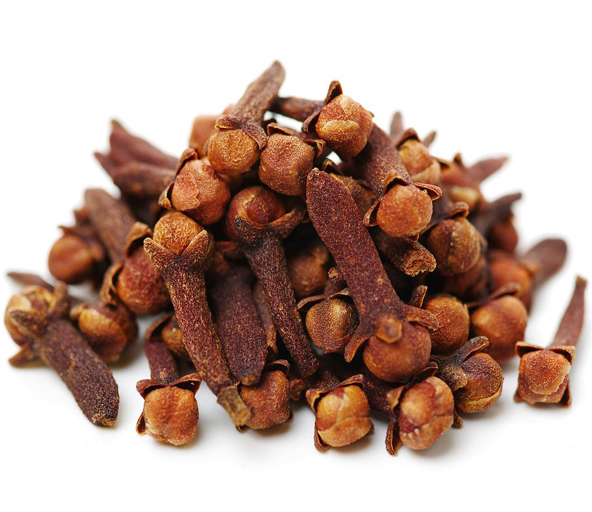
【Part used】: Dried flower buds
【Specification】: 10:1, 20:1, 50:1 TLC
【Extraction solvents】: Water
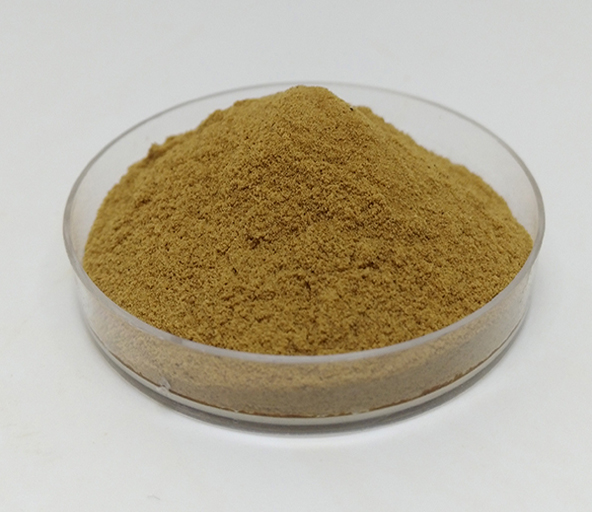
【Appearance】: Brownish fine powder
【Particle size】: 95% pass 80 mesh size
【Main ingredients】: The core component of cloves (flower buds) is volatile oil, with a content of 15-20%, of which eugenol accounts for 70-90%, which is the source of its aroma and main biological activity. It also contains acetyl eugenol, β – caryophyllene, oleanolic acid, tannins, and flavonoids. These ingredients endow cloves with strong pharmacological effects such as antibacterial, anti-inflammatory, analgesic, and antioxidant properties.
【Storage conditions】:Store at room temperature in a sealed manner, away from light, and in a ventilated, cool, and dry environment.
【Shelf life】: 24 months from the production date

Clove Extract Powder Production Flowchart
Clove raw materials -Coarse powder(40 mesh) -Low temperature water extraction – 1st Reflux Extraction(10 times water,2 Hrs) – 2nd Reflux Extraction8 times water,1.5 Hrs) – 3rd Reflux Extraction(6 times water,1 Hrs) – Extraction Solution-combine&Filtrate-Concentrate-Extractum-spray drying – screening – packaging – detection of physical and chemical indicators – warehousing
Specification Sheet of Clove Extract Powder
| Product name: | Clove Extract | ||
| Specification: | 10:1 TLC | ||
| Part used: | Dried flower buds of Syzygium aromaticum | ||
| Solvent used: | Water | ||
| Process: | Raw materials crushed, extracted, concentrated and spray-dried to powder | ||
| Non GMO according to regulation (EC) 1829/2003 and 1830/2003 or United States requirements. Non allergen according to Directive 2007/68 amending Annex IIIa to Directive 2000/13/EC and US Food allergen labelling and consumer protection act 2004. | |||
| Heavy Metals: | |||
| Lead: | NMT 3ppm | Cadmium: | NMT 1ppm |
| Arsenic: | NMT 2ppm | Mercury: | NMT 1ppm |
| Residual solvents: | Comply to USP | ||
| Pesticides residues: | Conform to Regulation USP<561> | ||
| Microbiology: | |||
| Total plate count: | 10000cfu/g Max | Yeasts and molds: | 1000cfu/g Max |
| E.coli: | Not detected in (g)10 | Salmonella spp.: | Not detected in (g)25 |
| Staphylococcus aureus: | Not detected in (g)10 | Clostridium spp.: | Not Present in 0.1 g of food |
| Organoleptic quality | Method | Specifications | |
| Aspect: | Visual : ( CQ-MO-148) | Powder | |
| Color: | Visual : ( CQ-MO-148) | Brownish | |
| Flavor: | Sensory: (CQ-MO-148) | Characteristic | |
| Analytical quality | Method | Specifications | |
| Identification: | TLC | Conform | |
| Loss on drying: | USP <731> | < 10% | |
| Bulk density: | USP <616> Method I | 40 – 60 g/100mL | |
| Particle size: | Analytical sieving || USP <786> | 100% through 80meshes | |
| Packaging suitable for foodstuff. | |||
Extended Reading
Modern Research on Clove (Syzygium aromaticum) Extract
Chemical Components
Clove bud extract is chemically complex, with its volatile oil fraction being the most bioactive. Modern analytical techniques (GC-MS, HPLC-MS) have characterized:
- Phenolic Volatile Compounds (Essential Oil, 15-20% of dry bud):
- Eugenol: (70-90%) – The dominant bioactive, responsible for anesthetic, antiseptic, and anti-inflammatory properties.
- Eugenyl Acetate: (up to 15%)
- β-Caryophyllene: (5-15%) – A sesquiterpene with significant anti-inflammatory and analgesic activity via the cannabinoid CB2 receptor pathway.
- Hydrolyzable Tannins & Phenolic Acids:
- Ellagitannins: Notably Oenothein B, a macrocyclic ellagitannin with potent immunomodulatory activity.
- Gallotannins, ellagic acid derivatives.
- Flavonoids: Kaempferol, quercetin, and their glycosides.
- Triterpenoids: Oleanolic acid.
- Other: Sterols, vitamins (Vit K, Vit C), minerals.
Health Benefits (Evidence-Based)
- Potent Antimicrobial & Antifungal
- Broad-Spectrum Activity: Eugenol disrupts microbial cell membranes, leading to cell lysis. Clove extract is effective against a wide range of pathogens:
- Bacteria: Staphylococcus aureus (including MRSA), E. coli, Listeria, Salmonella, and oral pathogens (S. mutans, P. gingivalis).
- Fungi: Candida albicans (including azole-resistant strains), dermatophytes.
- Viruses: HSV-1, hepatitis C virus (HCV) in vitro.
- Applications: Studied as a natural food preservative, in dental products (mouthwash, temporary fillings), and topical antiseptics.
- Anti-inflammatory & Analgesic
- Dual Mechanism: Eugenol inhibits COX-2 and 5-LOX enzymes, reducing prostaglandin and leukotriene production. β-Caryophyllene acts as a selective CB2 receptor agonist, reducing neurogenic and inflammatory pain.
- Efficacy: Comparable to common NSAIDs like diclofenac in rodent models of inflammation and pain (e.g., carrageenan-induced paw edema).
- Antioxidant
- One of the Highest ORAC Values: Among all herbs and spices, due to its high eugenol and flavonoid content. Effectively scavenges ROS/RNS and upregulates endogenous antioxidant enzymes (glutathione, SOD).
- Dental & Oral Health
- Gold Standard in Dentistry: Eugenol is a staple in zinc oxide-eugenol (ZOE) cement for temporary fillings and pulp capping due to its analgesic, antibacterial, and biocompatible properties.
- Periodontal Health: Reduces plaque, gingivitis, and oral malodor. Mouthwashes containing clove extract show efficacy comparable to chlorhexidine with fewer side effects.
- Gastroprotective & Antispasmodic
- Protects gastric mucosa against ethanol and NSAID-induced ulcers by enhancing mucosal defense (↑mucin, PGE2) and reducing acid secretion.
- Relieves intestinal smooth muscle spasms.
- Potential Anticancer Activity (Preclinical)
- In vitro studies show eugenol induces apoptosis and cell cycle arrest in various cancer lines (breast, colon, leukemia, melanoma) via mitochondrial dysfunction, ROS generation, and modulation of Bcl-2/Bax. In vivo data is limited.
- Metabolic Benefits
- Early studies suggest clove extract may inhibit α-amylase and α-glucosidase enzymes, potentially aiding postprandial glucose control.
Interactions
- Anticoagulant/Antiplatelet Drugs (Warfarin, Aspirin, Clopidogrel): HIGH RISK. Clove oil and eugenol are potent platelet aggregation inhibitors, significantly increasing bleeding risk and potentiating anticoagulants. Documented cases of postoperative bleeding and elevated INR with warfarin.
- Hypoglycemic Drugs: May have additive blood sugar-lowering effects; monitor glucose.
- Cytochrome P450 Enzymes: Eugenol is a potent inhibitor of CYP2C9 and a moderate inhibitor of CYP1A2 and 2C19 in vitro. This may increase plasma levels of drugs metabolized by these pathways (e.g., warfarin, phenytoin, amitriptyline, propranolol).
- Anesthetics & CNS Depressants: Eugenol has CNS depressant properties; may potentiate effects of barbiturates or alcohol.
- Topical Drugs: May increase skin penetration of other compounds.
Taboos & Warnings
- Pregnancy & Lactation: Avoid medicinal doses. Eugenol may be uterotonic. Dietary spice-level amounts are likely safe.
- Bleeding Disorders & Upcoming Surgery: Contraindicated. Discontinue all clove supplements and high dietary intake at least 2-3 weeks prior to surgery.
- Children (Oral Ingestion of Oil): TOXIC. Even small amounts (5-10 mL) of undiluted clove oil can cause acute hepatotoxicity, seizures, and central nervous system depression in children. Keep out of reach.
- Liver Disease: High doses of eugenol are hepatotoxic in animal models. Avoid in individuals with existing liver conditions.
- GI Irritation: Undiluted extract or oil can cause nausea, vomiting, and sore throat. Always dilute for oral use.
- Topical Use: Can cause contact dermatitis, burns, or tissue necrosis if applied undiluted to skin or mucous membranes. Always dilute in a carrier oil (typical 1-3% concentration for topical use).
- Asthma & Allergies: May trigger bronchospasm in sensitive individuals.
Applications
- Dentistry: In temporary fillings (ZOE cement), root canal sealers, mouthwashes, and gels for toothache and gingivitis.
- Pharmaceuticals: As a flavoring agent, preservative, and active in topical antiseptics and analgesics.
- Nutraceuticals: In capsules for antioxidant and immune support (standardized to eugenol content).
- Food Industry: As a natural antimicrobial preservative (Eugenol, EINECS 202-589-1) in meats and baked goods, and as a flavoring agent.
- Aromatherapy & Topicals: In diluted form for pain relief (e.g., toothache, arthritis), often in blends with other oils.
- Agriculture: As a botanical pesticide and fungicide.
References
- Cortés-Rojas, D. F., et al. (2014). Clove (Syzygium aromaticum): a precious spice. Asian Pacific Journal of Tropical Biomedicine, 4(2), 90-96.
- Kamaton, G. P., et al. (2012). Eugenol—from the remote Maluku Islands to the international market place: a review of a remarkable and versatile molecule. Molecules, 17(6), 6953-6981. (Comprehensive review on eugenol)
- Jirovetz, L., et al. (2006). Antimicrobial testings and gas chromatographic analysis of pure oxygenated monoterpenes 1,8-cineole, α-terpineol, terpinen-4-ol and camphor as well as target compounds in essential oils of pine (Pinus pinaster), rosemary (Rosmarinus officinalis), tea tree (Melaleuca alternifolia). (Includes clove oil data)
- Cai, L., & Wu, C. D. (1996). Compounds from Syzygium aromaticum possessing growth inhibitory activity against oral pathogens. Journal of Natural Products, 59(10), 987-990.
- Kuroda, M., et al. (2012). Hypoglycemic effects of clove (Syzygium aromaticum) and its active component, eugenol, on streptozotocin-induced diabetic rats. Journal of Natural Medicines, 66(2), 394-399.
- Gülçin, İ., et al. (2012). Antioxidant activity of clove oil – A powerful antioxidant source. Arabian Journal of Chemistry, 5(4), 489-499.
- Mittal, M., et al. (2014). Insights into the mechanism of cytotoxicity and genotoxicity of eugenol in human cells. Toxicology in Vitro, 28(2), 198-206. (Safety/toxicology focus)
- Hussain, A., et al. (2017). Clove and its active compound, eugenol, as a potential natural therapy for cancer prevention and treatment. Current Molecular Pharmacology, 10(3), 200-209.
- Jaganathan, S. K., & Supriyanto, E. (2012). Antiproliferative and molecular mechanism of eugenol-induced apoptosis in cancer cells. Molecules, 17(6), 6290-6304.
- NCCIH (National Center for Complementary and Integrative Health). (2020). Clove. [Fact Sheet]. U.S. Department of Health & Human Services. (Authoritative safety summary)
- Case Report: Jan, S. A., et al. (2008). Clove cigarettes-induced oral bleeding: a case report. Journal of the Pakistan Medical Association, 58(12), 720-722.
- European Medicines Agency (EMA). (2012). Assessment report on Syzygium aromaticum (L.) Merill et L.M. Perry, floris. EMA/HMPC/184174/2012. (Regulatory monograph)
Note: This summary is for informational purposes. It may interact with medications and is contraindicated in certain conditions. Consult a healthcare professional before therapeutic use, particularly regarding its estrogenic activity.