
Codonopsis Radix (Dang Shen) Extract Powder 10:1, 20:1, 50:1 TLC
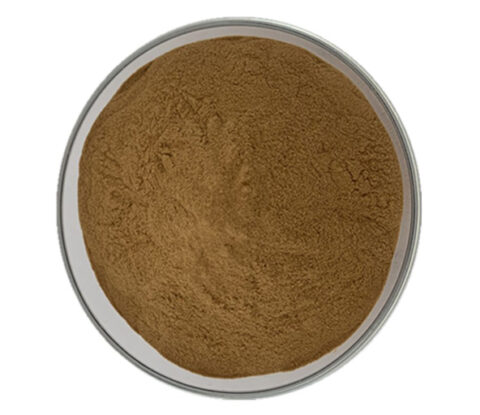


The functions of Codonopsis pilosula in traditional Chinese medicine include strengthening the spleen and lungs, nourishing blood and generating fluids. Used for spleen and lung qi deficiency, food deficiency and fatigue, cough deficiency and wheezing, insufficient qi and blood, pale complexion, palpitations and shortness of breath, fluid damage and thirst, and internal heat quenching.

Codonopsis Radix (Dang Shen) Extract Powder 10:1, 20:1, 50:1 TLC
【Other names】: Dang Shen, Radix Codonopsis, Szechwon Tangshen Root, Moderate Asiabell Root, Pilose Asiabell Root, Codonopsis Radix
【Botanical source】: Codonopsis Pilosula (Franch.) Nannf, Codonopsis Pilosula Nannf. var.modesta (Nannf.) L.T.Shen, or Codonopsis tangshen Oliv
【Part used】: Dried roots of Codonopsis Pilosula (Franch.) Nannf, Codonopsis Pilosula Nannf. var.modesta (Nannf.) L.T.Shen, or Codonopsis tangshen Oliv in the Campanulaceae family. Excavate in autumn, wash and dry.
【Specification】: 10:1, 20:1, 50:1 TLC
【Appearance】: Brownish yellow fine powder
【Particle size】: 95% pass 80 mesh size
Codonopsis Radix (Dang Shen) Extract Powder Production Flowchart
Codonopsis Radix (Dang Shen) raw materials – natural air drying–Coarse powder(40 mesh) -Low temperature water extraction – 1st Reflux Extraction(10 times water,2 Hrs) – 2nd Reflux Extraction8 times water,1.5 Hrs) – 3rd Reflux Extraction(6 times water,1 Hrs) – Extraction Solution-combine&Filtrate-Concentrate-Extractum-spray drying – screening – packaging – detection of physical and chemical indicators – warehousing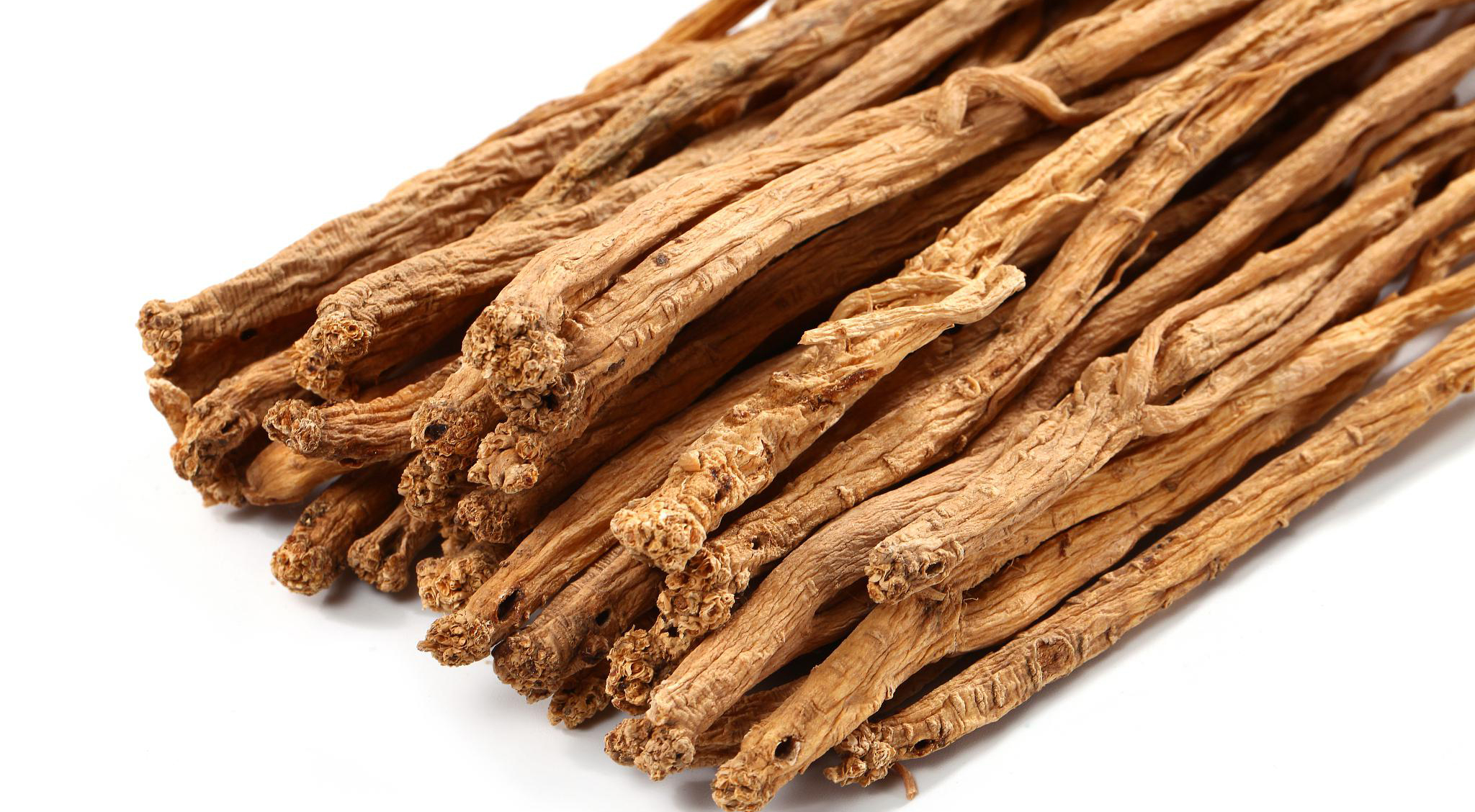
Specification Sheet of Codonopsis Radix (Dang Shen) Extract Powder
| Product name: | Dang Shen Extract | ||
| Specification: | 10:1 TLC | ||
| Part used: | Dried roots of Codonopsis pilosula (Franch.)Nannf. | ||
| Solvent used: | Hot water | ||
| Process: | Raw materials crushed, extracted, concentrated and spray-dried to powder | ||
| Non GMO according to regulation (EC) 1829/2003 and 1830/2003 or United States requirements. Non allergen according to Directive 2007/68 amending Annex IIIa to Directive 2000/13/EC and US Food allergen labelling and consumer protection act 2004. | |||
| Heavy Metals: | |||
| Lead: | NMT 3ppm | Cadmium: | NMT 1ppm |
| Arsenic: | NMT 2ppm | Mercury: | NMT 1ppm |
| Residual solvents: | Comply to USP | ||
| Pesticides residues: | Conform to Regulation USP<561> | ||
| Microbiology: | |||
| Total plate count: | 10000cfu/g Max | Yeasts and molds: | 1000cfu/g Max |
| E.coli: | Not detected in (g)10 | Salmonella spp.: | Not detected in (g)25 |
| Staphylococcus aureus: | Not detected in (g)10 | Clostridium spp.: | Not Present in 0.1 g of food |
| Organoleptic quality | Method | Specifications | |
| Aspect: | Visual : ( CQ-MO-148) | Powder | |
| Color: | Visual : ( CQ-MO-148) | Offwhite/light brownish | |
| Flavor: | Sensory: (CQ-MO-148) | Characteristic | |
| Analytical quality | Method | Specifications | |
| Identification: | TLC | Conform | |
| Loss on drying: | USP <731> | < 10% | |
| Bulk density: | USP <616> Method I | 40 – 60 g/100mL | |
| Particle size: | Analytical sieving || USP <786> | 100% through 80meshes | |
| Packaging suitable for foodstuff. | |||
Extended Reading
Codonopsis Radix (Dang Shen) Function and Efficacy Recorded in TCM
Codonopsis pilosula is one of the most commonly used and important Qi tonifying medicines in traditional Chinese medicine. It has a sweet and smooth nature, and can regulate the spleen and lung meridians. Its function is peaceful, not dry or greasy, and it is known as an essential medicine for “nourishing the middle and qi, harmonizing the spleen and stomach”.
Before understanding its specific function, there is a key point: Codonopsis pilosula is widely used as a substitute for ginseng in modern times. Due to the strong medicinal power and high price of ginseng, for many diseases that do not require a large boost in qi, but require a calming effect on the spleen and lungs, Codonopsis pilosula, which has a mild medicinal property and affordable price, has become the first choice.The following are the core roles of Codonopsis pilosula in traditional Chinese medicine theory:
1. Supplementing the middle and nourishing qi
This is the fundamental function of Codonopsis pilosula. ‘Zhong’ refers to the middle burner, which is the spleen and stomach. Codonopsis pilosula can strengthen the function of spleen and stomach, and is the core medicine for treating spleen and stomach qi deficiency.
Indications for spleen and stomach weakness, insufficient appetite, and loose stools: Used for symptoms such as loss of appetite, limb fatigue, abdominal distension, and loose stools caused by insufficient temperament.
Indicating physical weakness: By supplementing the qi of the spleen and lungs, it can effectively improve weak states such as shortness of breath, palpitations, lack of energy, and physical emaciation caused by long-term illness or fatigue.
2. Strengthen the spleen and benefit the lungs
On the basis of tonifying the spleen, Codonopsis pilosula can also nourish lung qi.
Indications for lung qi deficiency: Used for symptoms such as cough, shortness of breath, low voice, and severe wheezing caused by insufficient lung qi. It is commonly used to treat chronic bronchitis, asthma and other diseases during the remission period, in order to promote positive energy.
3. Generating fluids and nourishing blood
Codonopsis pilosula not only replenishes qi, but also has the effects of generating fluids and nourishing blood, which is one of its major characteristics.
Shengjin: Used for symptoms such as thirst and dry throat caused by qi and jin injuries, often combined with Ophiopogon japonicus, Schisandra chinensis, etc.
Nourishing blood: Traditional Chinese medicine believes that “qi can generate blood”, and replenishing qi is the driving force for generating blood. Codonopsis pilosula is a commonly used medicine for treating qi and blood deficiency by supplementing the qi of the spleen and lungs, promoting blood production. Used for blood deficiency syndrome such as pale complexion, dizziness, palpitations, low menstrual flow, and pale color. The famous blood tonifying formula “Bazhen Tang” contains Codonopsis pilosula.
4. Core efficacy: supporting the body and dispelling evil
In the later stage of some infectious diseases, when the healthy qi has been injured but the residual pathogens are not exhausted, the use of Codonopsis pilosula can help the healthy qi of the human body, help the body eliminate the residual pathogens, and promote recovery.
Modern Pharmacological Effects of Codonopsis Radix (Dang Shen)
Modern pharmacological research has not only confirmed the traditional effects of Codonopsis pilosula in traditional Chinese medicine theory, such as nourishing the middle and qi, strengthening the spleen and lungs, nourishing blood and generating fluids, but also revealed its more diverse biological activities and mechanisms of action. The following are the main modern pharmacological effects of Codonopsis pilosula:
1. Regulatory effect on the immune system
This is one of the core pharmacological effects of Codonopsis pilosula, directly related to its ability to enhance human resistance and combat fatigue.
Enhancing non-specific immunity: Codonopsis pilosula polysaccharides are its main active ingredient, which can significantly enhance the phagocytic function of the reticuloendothelial system, improve the phagocytic ability and vitality of macrophages.
Regulating specific immunity:
Can promote lymphocyte proliferation and enhance the function of T cells and B cells.
Improve antibody production levels and enhance humoral immune function.
Application significance: This provides a solid scientific basis for the use of Codonopsis pilosula in regulating individuals who are susceptible to physical weakness, weak after illness, and have low immune function.
2. Improving hematopoietic function and cardiovascular system
Improving hematopoietic function:
Codonopsis pilosula can increase the number of red blood cells and hemoglobin, and has a promoting effect on leukopenia caused by chemotherapy and radiotherapy.
The mechanism may be related to promoting the proliferation and differentiation of bone marrow hematopoietic progenitor cells.
Effects on the cardiovascular system:
Anti myocardial ischemia: can dilate coronary arteries, increase myocardial blood flow, and have a protective effect on experimental myocardial ischemia.
Regulating blood pressure: It has a bidirectional regulatory effect, which can both raise and lower blood pressure in individuals with low blood pressure.
Antiplatelet aggregation: Inhibits platelet aggregation and prevents thrombosis.
3. Anti stress and anti fatigue effects
Anti fatigue: Codonopsis pilosula can significantly prolong the weight-bearing swimming time of experimental animals, improve muscle strength and exercise endurance. The mechanism is related to increasing glycogen reserves, reducing post exercise blood lactate accumulation, and improving energy metabolism.
Anti stress: can improve the body’s tolerance to various harmful stimuli (such as high temperature, low temperature, hypoxia, radiation), enhance the body’s adaptability and protective ability.
4. Regulating effect on the digestive system
Anti ulcer: Codonopsis pilosula and its polysaccharide components have clear preventive and therapeutic effects on various experimental gastric ulcers (such as stress type and pyloric ligation type).
Regulating gastrointestinal motility:
It has a relaxing effect on spasming gastrointestinal smooth muscles and can alleviate abdominal distension and pain.
It has an excitatory effect on the smooth muscles of the gastrointestinal tract with low function, enhancing their motility. This bidirectional regulatory effect allows it to be used for both spleen deficiency and bloating.
5. Central nervous system function
Improving learning and memory: Codonopsis pilosula extract has an improving effect on memory acquisition, consolidation, and reproduction disorders caused by scopolamine, ethanol, and other substances.
Calming and calming: Studies have shown that it has a central inhibitory effect and can synergize with the hypnotic effect of pentobarbital.
6. Other functions
Hypoglycemic effect: Codonopsis pilosula polysaccharides have certain hypoglycemic activity.
Antioxidant and anti-aging: can eliminate free radicals and reduce tissue lipid peroxidation damage.
Antibacterial and anti-inflammatory: It has inhibitory effects on some bacteria and has a certain anti-inflammatory effect.