
Coltsfoot Flower (Kuan Dong Hua) Extract Powder 10:1, 20:1, 50:1 TLC


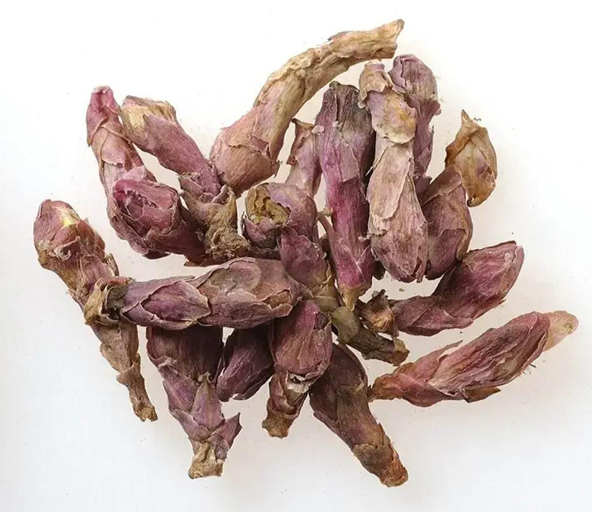
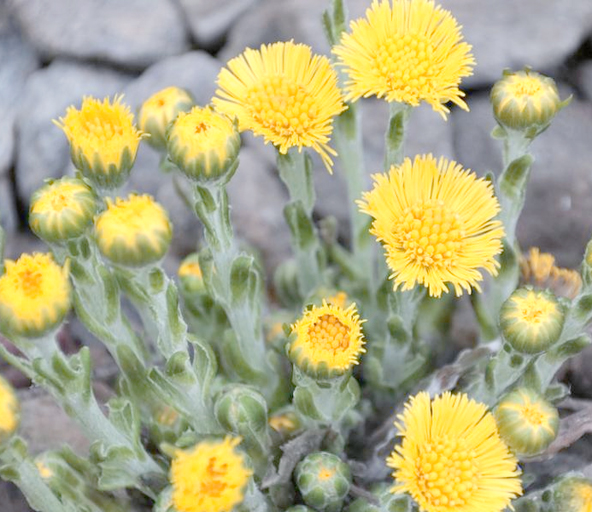
The functions of Aster in traditional Chinese medicine include moistening the lungs and qi, reducing phlegm and stopping cough. Used for cough caused by excessive phlegm, wheezing, persistent cough, and coughing up blood.

Coltsfoot Flower (Kuan Dong Hua) Extract Powder 10:1, 20:1, 50:1 TLC
【Other names】: Kuan Dong Hua, Dong Hua, Flos Farfarae, Common Coltsfoot Flower
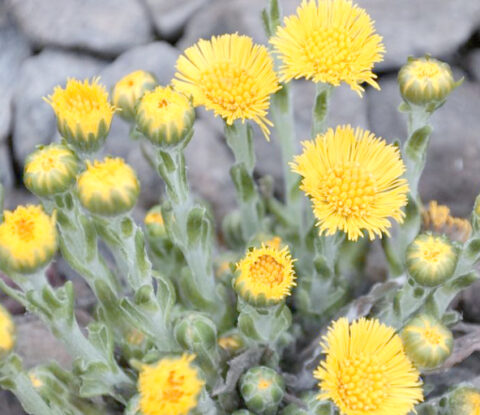
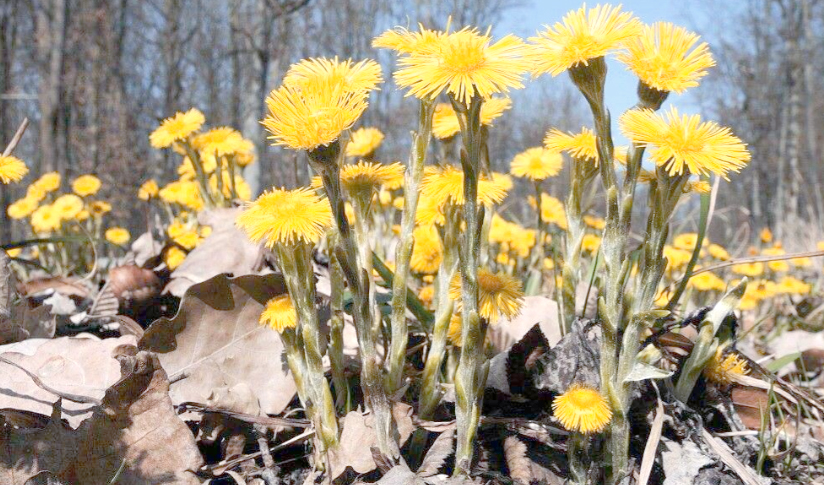
【Botanical source】: Tussilago farfara L
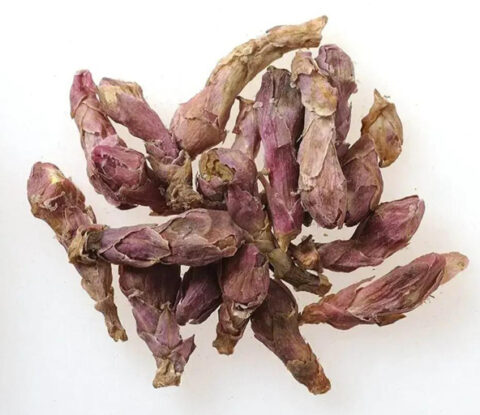
【Part used】: Dried flower buds of the Asteraceae plant Tussilago farfarfara L. Dig when the flowers have not yet been unearthed in December or before the ground freezes, remove the flower stems and sediment, and dry in the shade.
【Specification】: 10:1, 20:1, 50:1 TLC
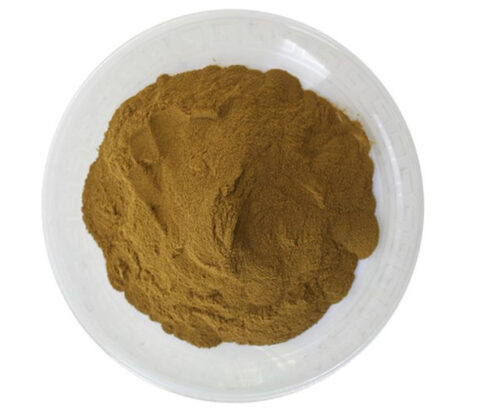
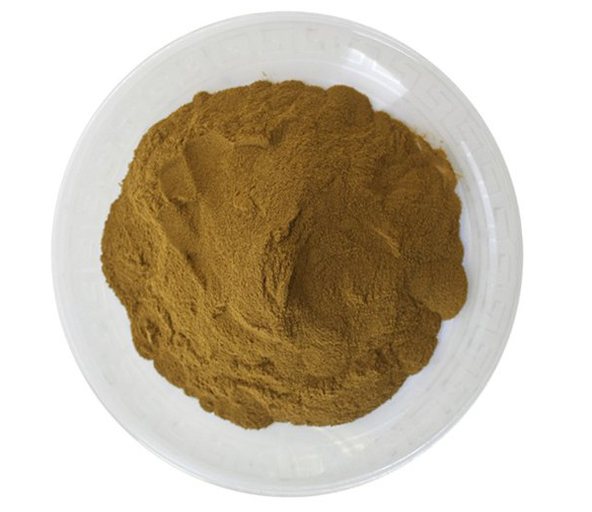
【Appearance】: Brownish yellow fine powder
【Particle size】: 95% pass 80 mesh size
Coltsfoot Flower (Kuan Dong Hua) Extract Powder Production Flowchart
Coltsfoot Flower (Kuan Dong Hua) raw materials – natural air drying–Coarse powder(40 mesh) -Low temperature water extraction – 1st Reflux Extraction(10 times water,2 Hrs) – 2nd Reflux Extraction8 times water,1.5 Hrs) – 3rd Reflux Extraction(6 times water,1 Hrs) – Extraction Solution-combine&Filtrate-Concentrate-Extractum-spray drying – screening – packaging – detection of physical and chemical indicators – warehousing
Specification Sheet of Coltsfoot Flower (Kuan Dong Hua) Extract Powder
| Product name: | Coltsfoot Flower | ||
| Specification: | 10:1 TLC | ||
| Part used: | Dried flower buds of Tussilago farfarfara L. | ||
| Solvent used: | Hot water | ||
| Process: | Raw materials crushed, extracted, concentrated and spray-dried to powder | ||
| Non GMO according to regulation (EC) 1829/2003 and 1830/2003 or United States requirements. Non allergen according to Directive 2007/68 amending Annex IIIa to Directive 2000/13/EC and US Food allergen labelling and consumer protection act 2004. | |||
| Heavy Metals: | |||
| Lead: | NMT 3ppm | Cadmium: | NMT 1ppm |
| Arsenic: | NMT 2ppm | Mercury: | NMT 1ppm |
| Residual solvents: | Comply to USP | ||
| Pesticides residues: | Conform to Regulation USP<561> | ||
| Microbiology: | |||
| Total plate count: | 10000cfu/g Max | Yeasts and molds: | 1000cfu/g Max |
| E.coli: | Not detected in (g)10 | Salmonella spp.: | Not detected in (g)25 |
| Staphylococcus aureus: | Not detected in (g)10 | Clostridium spp.: | Not Present in 0.1 g of food |
| Organoleptic quality | Method | Specifications | |
| Aspect: | Visual : ( CQ-MO-148) | Powder | |
| Color: | Visual : ( CQ-MO-148) | Brownish | |
| Flavor: | Sensory: (CQ-MO-148) | Characteristic | |
| Analytical quality | Method | Specifications | |
| Identification: | TLC | Conform | |
| Loss on drying: | USP <731> | < 10% | |
| Bulk density: | USP <616> Method I | 40 – 60 g/100mL | |
| Particle size: | Analytical sieving || USP <786> | 100% through 80meshes | |
| Packaging suitable for foodstuff. | |||
Extended Reading
Coltsfoot Flower (Kuan Dong Hua) Function and Efficacy Recorded in TCM
As the name suggests, Coltsfoot Flower are harvested during the freezing season in winter to use as medicine. Traditional Chinese medicine believes that at this time, their medicinal energy is full. Its nature is pungent, slightly sweet, warm, and belongs to the lung meridian. Its core function is to “moisten the lungs and lower qi, relieve cough and phlegm”. The following are the specific functions of winter flowers in traditional Chinese medicine:
1. Moisturize the lungs, relieve cough and phlegm
This is the fundamental function of winter flowers. It is mild in nature, moist but not dry.
Regarding the symptoms:
Various types of cough: whether it is cold cough, hot cough, deficiency cough, or solid cough, they can be used in combination and have a wide range of applications.
Lung cold cough: the most commonly used. It has the effect of warming the lungs and resolving phlegm for those who cough with excessive phlegm and thin white phlegm color.
Long term cough due to lung deficiency: For those with long-term cough, asthma and fatigue, it can moisten and replenish the lungs.
Coughing and wheezing: cough accompanied by wheezing.
Lung abscess: Lung abscess and other symptoms, often used together with heat clearing and pus expelling drugs.
Mechanism: The Coltsfoot Flower are fragrant and moist, warm but not dry. It can not only promote lung function, but also lower and moisten the lungs. By regulating lung qi, it can achieve the goal of relieving cough and asthma.
2. Lower your breath to relieve wheezing
This is a complementary effect to cough and phlegm. It can reduce the upward flow of lung qi, thereby relieving cough and asthma caused by the upward flow of lung qi.
Modern Pharmacological Effects of Coltsfoot Flower (Kuan Dong Hua)
The main active ingredients of Coltsfoot Flower include sesquiterpenes (such as resveratrol), flavonoids (such as quercetin and kaempferol), alkaloids, and triterpenoid saponins. The following are its confirmed main modern pharmacological effects:
1. Antitussive, expectorant, and anti asthmatic effects (core function)
This is the most direct manifestation of its traditional efficacy and also the most extensively researched field.
Coughing effect: The alcohol extract and ether extract of winter flower showed significant cough suppressing effects. Its mechanism of action may include:
Directly inhibit the medullary cough center.
Relieve spasm of bronchial smooth muscle.
Expectorant effect: The decoction of Coltsfoot Flower has a significant expectorant effect, and its strength is comparable to the classic expectorant medicine Platycodon grandiflorum. The mechanism of action may be:
Promote secretion of respiratory glands and dilute sputum.
The saponin components contained stimulate the gastric mucosa and reflexively promote increased bronchial secretion.
Antiasthmatic effect: Studies have shown that extracts from Coltsfoot Flower have antispasmodic effects on tracheal spasms caused by histamine and other factors, and can dilate the bronchi, thereby achieving a bronchodilator effect.
2. Respiratory excitation effect
This is a very unique and important pharmacological effect.
Key ingredient: Acetone.
Mechanism: Ketone can specifically stimulate the respiratory center and the vascular motor center, leading to increased breathing, heart rate, and blood pressure.
Meaning: This provides some scientific basis for its ability to “lower breath and relieve wheezing”, treat respiratory failure and wheezing. But it also means that patients with cardiovascular disease should use it with caution.
3. Effects on the cardiovascular system
Boosting and positive inotropic effects: As mentioned above, resveratrol can cause an increase in blood pressure and heart rate in experimental animals, enhancing myocardial contractility.
Vascular function: The research results are relatively complex, with both reports indicating its ability to constrict blood vessels and studies suggesting that its extracts have vasodilatory effects, which may be related to different components and experimental models.
4. Anti inflammatory and antioxidant effects
Anti inflammatory: The flavonoids in Coltsfoot Flower have good anti-inflammatory activity and can inhibit the release of inflammatory factors, which helps alleviate the inflammatory response during respiratory infections.
Antioxidants: Flavonoids are also powerful antioxidants that can eliminate free radicals and protect lung tissue from oxidative damage.
5. Antiplatelet activating factor action
Mechanism: Some components in the Coltsfoot Flower have been confirmed to be antagonists of platelet activating factor.
Meaning: Platelet activating factor is one of the key mediators that trigger asthma and inflammation. This effect provides an important pharmacological basis for the treatment of asthma and allergic diseases with Duanhua.
6. Antibacterial effect
The decoction of Coltsfoot Flower has varying degrees of inhibitory effects on various bacteria, such as Staphylococcus aureus, Streptococcus pyogenes, Escherichia coli, etc., in vitro.