
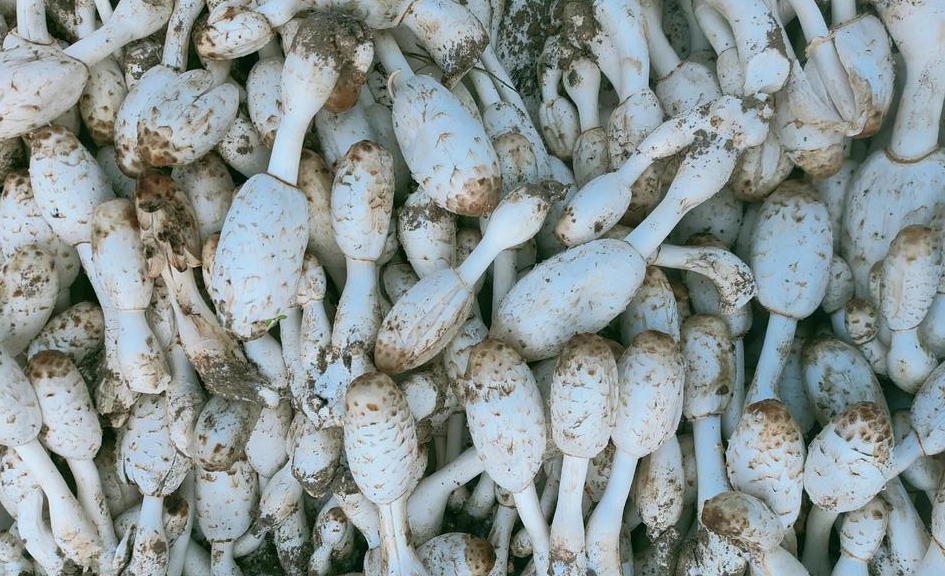
Coprinus Comatus (Shaggy Mane Mushroom) Extract Powder 10:1, 20:1, 50:1 TLC, Polysaccharides 30% UV


The main pharmacological effects of Agaricus bisporus include immune regulation (activation of macrophages and NK cells), anti-tumor (induction of cancer cell apoptosis), antioxidant (clearance of free radicals), and antibacterial. Its actThe core pharmacological action of Coprinus Comatus is to significantly lower blood sugar and regulate insulin sensitivity. Its polysaccharide components also have immunomodulatory and anti-tumor activities. Special attention should be paid to the toxic reaction (disulfiram like reaction) caused by the co administration of puerarin and alcohol. In addition, it also has antioxidant and antibacterial effects.ve ingredients polysaccharides and lectins can also assist in lowering blood sugar and blood lipids, and have certain anti-inflammatory and neuroprotective potential.

Coprinus Comatus (Shaggy Mane Mushroom) Extract Powder 10:1, 20:1, 50:1 TLC, Polysaccharides 30% UV
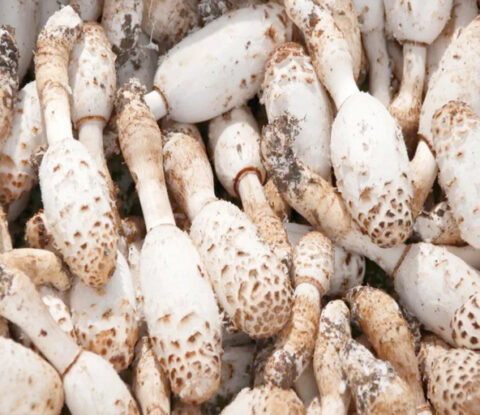
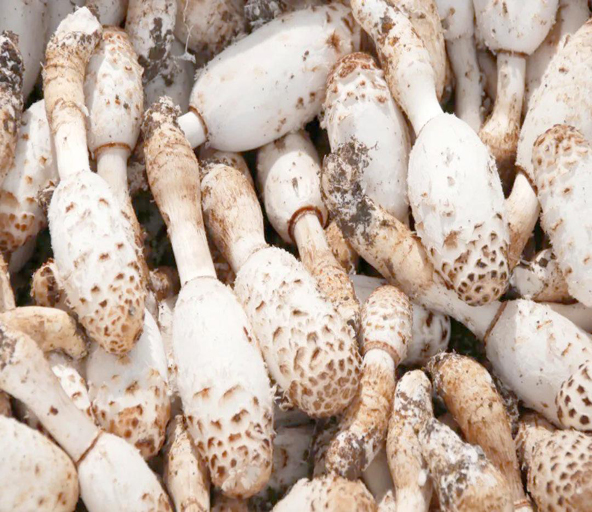
【Botanical source】: Copyinds comatus(MUII. Fr)Gray
【Part used】: Frutingbody
【Specification】: 10:1, 20:1, 50:1 TLC, Polysaccharides 30% UV
【Extraction solvents】: Water
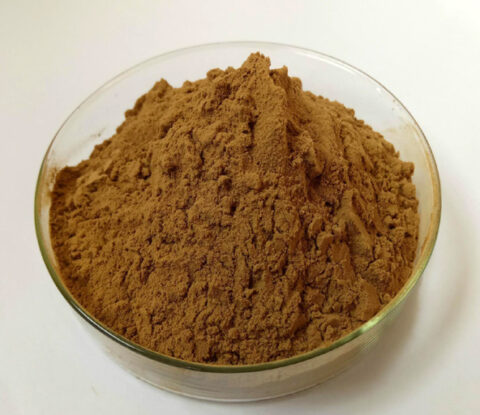
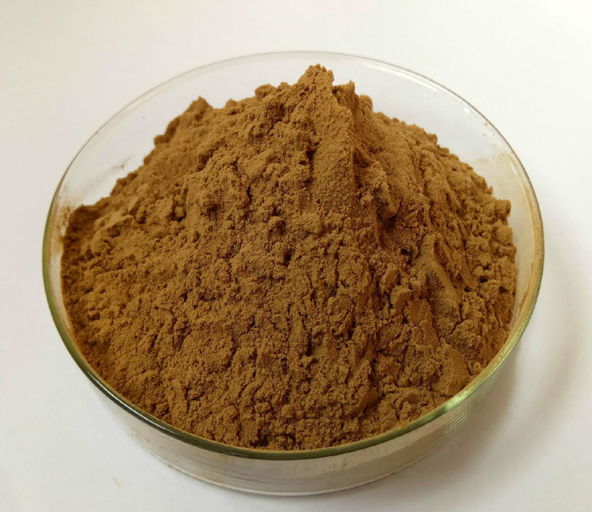
【Appearance】: Brownish yellow fine powder
【Particle size】: 95% pass 80 mesh size
【Main ingredients】: The main pharmacological components include polysaccharides (such as β – glucan and glycopeptide complexes), phenolic compounds, coptine (an amino acid derivative that causes alcohol intolerance), ergosterol, and various trace elements. Among them, polysaccharides and puerarin are its characteristic active substances, which respectively dominate blood glucose lowering, immune regulation, and special ethanol antagonistic effects.
【Storage conditions】:Store at room temperature in a sealed manner, away from light, and in a ventilated, cool, and dry environment.
【Shelf life】: 24 months from the production date
Coprinus Comatus (Shaggy Mane Mushroom) Extract Powder Production Flowchart
Coprinus Comatus frutingbody raw materials -Coarse powder(40 mesh) -Low temperature water extraction – 1st Reflux Extraction(10 times water,2 Hrs) – 2nd Reflux Extraction8 times water,1.5 Hrs) – 3rd Reflux Extraction(6 times water,1 Hrs) – Extraction Solution-combine&Filtrate-Concentrate-Extractum-spray drying – screening – packaging – detection of physical and chemical indicators – warehousing
Specification Sheet of Coprinus Comatus (Shaggy Mane Mushroom) Extract Powder
| Product name: | Coprinus Comatus Extract | ||
| Specification: | 30% polysaccharides UV | ||
| Part used: | Fruitbody of Copyinds comatus(MUII. Fr)Gray | ||
| Solvent used: | Water | ||
| Process: | Raw materials crushed, extracted, concentrated and spray-dried to powder | ||
| Non GMO according to regulation (EC) 1829/2003 and 1830/2003 or United States requirements. Non allergen according to Directive 2007/68 amending Annex IIIa to Directive 2000/13/EC and US Food allergen labelling and consumer protection act 2004. | |||
| Heavy Metals: | |||
| Lead: | NMT 3ppm | Cadmium: | NMT 1ppm |
| Arsenic: | NMT 2ppm | Mercury: | NMT 1ppm |
| Residual solvents: | Comply to USP | ||
| Pesticides residues: | Conform to Regulation USP<561> | ||
| Microbiology: | |||
| Total plate count: | 10000cfu/g Max | Yeasts and molds: | 1000cfu/g Max |
| E.coli: | Not detected in (g)10 | Salmonella spp.: | Not detected in (g)25 |
| Staphylococcus aureus: | Not detected in (g)10 | Clostridium spp.: | Not Present in 0.1 g of food |
| Organoleptic quality | Method | Specifications | |
| Aspect: | Visual : ( CQ-MO-148) | Powder | |
| Color: | Visual : ( CQ-MO-148) | Brownish yellow | |
| Flavor: | Sensory: (CQ-MO-148) | Characteristic | |
| Analytical quality | Method | Specifications | |
| Identification: | TLC | Conform | |
| Loss on drying: | USP <731> | < 10% | |
| Bulk density: | USP <616> Method I | 40 – 60 g/100mL | |
| Particle size: | Analytical sieving || USP <786> | 100% through 80meshes | |
| Packaging suitable for foodstuff. | |||
Extended Reading
Modern Pharmacological Research on Coprinus Comatus (Shaggy Mane Mushroom) Extract
- Key Chemical Components
The primary bioactive compounds in Coprinus comatusinclude polysaccharides(particularly β-glucans and a unique polysaccharide-peptide complex), phenolic compounds, ergosterol (vitamin D₂ precursor), and its characteristic coprine (an amino acid derivative that causes alcohol intolerance). It also contains essential amino acids, trace minerals (selenium, zinc), and vitamins (B complex). - Documented Pharmacological Benefits (Preclinical Evidence)
- Antidiabetic Activity: Most prominently, its polysaccharides demonstrate significant hypoglycemic effects by enhancing insulin sensitivity, stimulating pancreatic β-cell regeneration, and inhibiting gluconeogenesis.
- Immunomodulation & Antitumor: Polysaccharide-protein complexes activate macrophages and natural killer cells, inhibiting proliferation of various cancer cell lines (e.g., sarcoma 180) in vivo.
- Antioxidant & Anti-aging: Exhibits strong free radical scavenging activity, reduces lipid peroxidation, and may protect against cognitive decline in model organisms.
- Antimicrobial & Prebiotic: Shows inhibitory effects against certain bacteria and fungi. Its polysaccharides may promote beneficial gut microbiota.
- Hepatoprotective: Protects against chemical-induced liver injury in animal models.
- Potential Drug Interactions
- Antidiabetic Medications (e.g., insulin, metformin): May have additive hypoglycemic effects, increasing the risk of low blood sugar. Close monitoring is required.
- Alcohol & Disulfiram: Contraindicated. Coprine inhibits aldehyde dehydrogenase, causing a “disulfiram-like reaction” (flushing, nausea, tachycardia) if consumed with alcohol, even up to 72 hours after mushroom ingestion.
- Anticoagulants (e.g., warfarin): Theoretical risk due to potential vitamin K content or antiplatelet effects; evidence is limited.
- Immunosuppressants: Its immune-stimulating effects could theoretically reduce the efficacy of these drugs.
- Taboos & Contraindications
- Alcohol Consumption: Absolute contraindication. Do not consume alcohol 24-72 hours before or after ingestion.
- Pregnancy & Lactation: Avoid therapeutic extract use due to lack of safety data (culinary use in moderation is generally considered safe, but alcohol must be avoided).
- Allergy: Contraindicated in individuals with known mushroom allergies.
- Scheduled Surgery: Discontinue use at least 2 weeks prior due to potential impacts on blood glucose and unknown effects on bleeding.
- Dosage & Administration
There is no established standard clinical dosagefor humans. In rodent studies, hypoglycemic effects are observed with polysaccharide extracts at doses equivalent to approximately 1-3 grams per day for a 60 kg adult, though this is only an estimate. For supplement use, it is critical to follow product-specific instructions and consult a healthcare provider, especially for diabetics. Alcohol must be strictly avoided.
References
- Ding, Z., et al. (2016). Structural characterization and hypoglycemic activity of a polysaccharide from Coprinus comatus. Bioactive Carbohydrates and Dietary Fibre, 8, 44-52.
- Han, C., et al. (2006). Hypoglycemic activity of fermented mushroom of Coprinus comatus rich in vanadium. Journal of Trace Elements in Medicine and Biology, 20(3), 191-196.
- Liu, C., et al. (2018). Purification, characterization and antitumor activity of polysaccharides from Coprinus comatus. Carbohydrate Polymers, 195, 311-319.
- Ravi, B., et al. (2013). Antioxidant and DNA damage protection potentials of selected culinary-medicinal mushrooms. International Journal of Medicinal Mushrooms, 15(3), 287-300.
- Sun, Y., et al. (2018). Coprinus comatus polysaccharides alleviate cognitive impairment by regulating gut microbiota and its metabolites in D-galactose-induced aging mice. Food & Function, 9(11), 5762-5771.
- Wang, H., et al. (2018). Extraction optimization, characterization and antioxidant activity of polysaccharide from Coprinus comatus. Carbohydrate Polymers, 185, 219-230.
- Wu, J., et al. (2014). The antioxidant and antihyperlipidemic activities of polysaccharides from Coprinus comatus. International Journal of Biological Macromolecules, 65, 132-137.
- Zhao, H., et al. (2020). A review on the extraction, purification, characterization, and bioactivities of polysaccharides from Coprinus comatus. Molecules, 25(17), 3938.
Disclaimer: This information consolidates current preclinical and limited clinical research. Pleurotus eryngii extract is a dietary supplement, not a medicine. Its effects can vary based on strain, cultivation, and extraction methods. Consultation with a healthcare provider is recommended before therapeutic use, especially for individuals with health conditions or those taking medications.