
Cranberry Extract Powder with 10%-25% anthocyanins UV;10:1, 20:1, 50:1 TLC
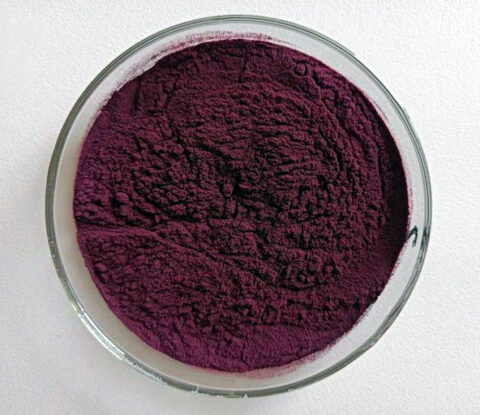
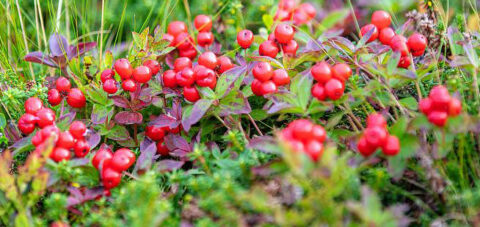


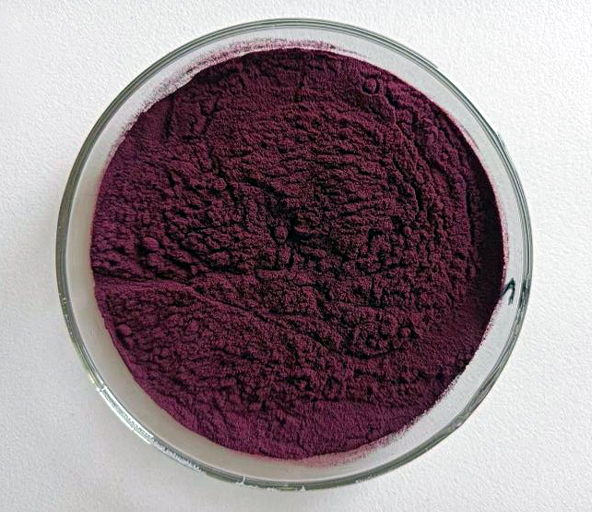
Cranberry extract reduces the risk of urinary tract infections by inhibiting bacterial attachment, and can improve cardiovascular function and restore vascular elasticity. Its antioxidant components can eliminate free radicals, regulate cholesterol metabolism related receptors, reduce liver lipid accumulation, while maintaining cellular health and vitality, promoting soft and rosy skin.

Cranberry Extract Powder with 10%-25% anthocyanins UV;10:1, 20:1, 50:1 TLC
【Other names】: klikva velkoplodá (Czech), cranberry (Dutch), grote veenbes (Dutch), American cranberry (English), large cranberry (English), wild cranberry (English), suur jõhvikas (Estonian), suureviljaline jõhvikas (Estonian), großfrüchtige moosbeere (German), su’n (Mi’kmaq), mashkiigiminagaawanzh (Ojibwe), arándano rojo americano (Spanish), amerikanskt tranbär (Swedish)
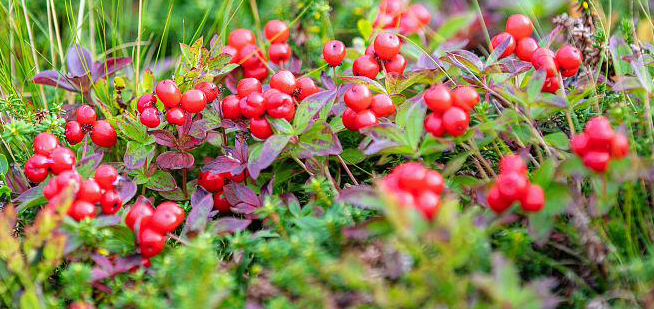
【Botanical source】: Vaccinium Macrocarpon L.
【Part used】: The berry of cranberry, a plant in the genus Vaccinium of the Ericaceae family
【Specification】: 10:1, 20:1, 50:1 TLC; 10%-25% anthocyanins UV
【Appearance】: Deep purple red to purple black fine powder
【Particle size】: 95% pass 80 mesh size
Cranberry Extract Powder Production Flowchart
Cranberry raw materials -Coarse powder(40 mesh) -Low temperature water extraction – 1st Reflux Extraction(10 times water,2 Hrs) – 2nd Reflux Extraction8 times water,1.5 Hrs) – 3rd Reflux Extraction(6 times water,1 Hrs) – Extraction Solution-combine&Filtrate-Concentrate-Extractum-spray drying – screening – packaging – detection of physical and chemical indicators – warehousing
Specification Sheet of Cranberry Extract Powder
| Product name: | Cranberry Extract | ||
| Specification: | 25% anthocyanins UV | ||
| Part used: | Berry of Vaccinium Macrocarpon L | ||
| Solvent used: | Hot water | ||
| Process: | Raw materials crushed, extracted, concentrated and spray-dried to powder | ||
| Non GMO according to regulation (EC) 1829/2003 and 1830/2003 or United States requirements. Non allergen according to Directive 2007/68 amending Annex IIIa to Directive 2000/13/EC and US Food allergen labelling and consumer protection act 2004. | |||
| Heavy Metals: | |||
| Lead: | NMT 3ppm | Cadmium: | NMT 1ppm |
| Arsenic: | NMT 2ppm | Mercury: | NMT 1ppm |
| Residual solvents: | Comply to USP | ||
| Pesticides residues: | Conform to Regulation USP<561> | ||
| Microbiology: | |||
| Total plate count: | 10000cfu/g Max | Yeasts and molds: | 1000cfu/g Max |
| E.coli: | Not detected in (g)10 | Salmonella spp.: | Not detected in (g)25 |
| Staphylococcus aureus: | Not detected in (g)10 | Clostridium spp.: | Not Present in 0.1 g of food |
| Organoleptic quality | Method | Specifications | |
| Aspect: | Visual : ( CQ-MO-148) | Powder | |
| Color: | Visual : ( CQ-MO-148) | Purple red | |
| Flavor: | Sensory: (CQ-MO-148) | Characteristic | |
| Analytical quality | Method | Specifications | |
| Identification: | TLC | Conform | |
| Loss on drying: | USP <731> | < 10% | |
| Bulk density: | USP <616> Method I | 40 – 60 g/100mL | |
| Particle size: | Analytical sieving || USP <786> | 100% through 80meshes | |
| Packaging suitable for foodstuff. | |||
Extended Reading
Modern Pharmacological Effects of Cranberry Extract
The modern pharmacological research on cranberry extract is very rich, and its core efficacy has already expanded from traditional folk uses (such as preventing urinary tract infections) to multiple health fields. The following is a detailed summary of its modern pharmacological effects:
Core pharmacological effect: prevention of urinary tract infections
1. Anti bacterial adhesion mechanism (its main mode of action, non direct sterilization)
Key ingredient: Type A anthocyanins are the key active substances that take effect.
Mechanism of action: PACs can alter the surface structure of pathogenic bacteria such as Escherichia coli, inhibit the adhesion between their pili (such as P-type pili) and receptors on the epithelial cells of the urinary tract, making it difficult for bacteria to colonize on the urethral wall and easily flushed out of the body by urine.
Important feature: This is a physical, non fungicidal preventive mechanism, making it less likely to lead to bacterial resistance. This makes it particularly suitable for preventing recurrent urinary tract infections.
Extensive antioxidant and anti-inflammatory effects
2.Powerful antioxidant activity
Rich sources: Rich in various polyphenolic antioxidants such as anthocyanins, anthocyanins, flavonols (such as quercetin), phenolic acids, etc.
Function: It can effectively eliminate free radicals, alleviate oxidative stress, and protect cells (especially endothelial cells) from damage. This is the basis for most of its cardiovascular and anti-aging benefits.
3.Significant anti-inflammatory effect
It can inhibit the activity of inflammatory enzymes such as cyclooxygenase and lipoxygenase, and reduce the production of pro-inflammatory cytokines (such as TNF – α, IL-6).
Meaning: Helps alleviate chronic, low-grade systemic inflammation, which is associated with the occurrence and development of various chronic diseases.
Protective effect on cardiovascular system
4. Improving endothelial function
Through antioxidant and anti-inflammatory effects, it promotes the production and bioavailability of nitric oxide, helps dilate blood vessels, and improves blood flow.
5. Regulating blood lipids
Some studies have shown that it can slightly reduce low-density lipoprotein cholesterol and increase high-density lipoprotein cholesterol.
6.Lowering blood pressure
Long term intake may have a positive effect on lowering blood pressure.
7.Inhibition of platelet aggregation
May help reduce the formation of abnormal blood clots.
Other important pharmacological effects
8.Maintain oral health
The mechanism is similar to UTI prevention: its anthocyanins can also inhibit the adhesion of oral pathogenic bacteria (such as Streptococcus mutans) on the surface of teeth, reduce plaque formation, and thus help prevent dental caries and periodontal disease.
9.Beneficial for gastrointestinal health
Inhibiting the adhesion of Helicobacter pylori to the gastric mucosa may assist in preventing gastric ulcers.
Its polyphenolic components may regulate gut microbiota and exert prebiotic like effects.
10.Potential anti-tumor adjuvant effects
In vitro and animal studies have shown that its extract can inhibit the proliferation and induce apoptosis of breast cancer, colon cancer, prostate cancer, ovarian cancer and other cancer cell lines.
Mechanism: It involves multiple pathways such as inducing cell cycle arrest, inhibiting cancer cell invasion and metastasis, anti-inflammatory and antioxidant effects. Attention: This is only a preclinical study and cannot replace treatment.
11. Preventing kidney stones
By acidifying urine and reducing the formation and aggregation of calcium oxalate crystals, it may help prevent specific types of kidney stones, especially calcium oxalate stones.
Main active ingredients
Proanthocyanins, especially the unique A-linked anthocyanins, are the core of anti bacterial adhesion.
Anthocyanins: give cranberries a red color and are powerful antioxidants.
Phenolic acids (such as benzoic acid and salicylic acid): have anti-inflammatory and antioxidant activities.
Quercetin: an important flavonol with anti-inflammatory and cardiovascular protective effects.
Vitamin C: It has a high content and is also an antioxidant.
Clinical application and precautions
Main applications:
Preventing recurrent urinary tract infections (especially effective for young and middle-aged women).
As a dietary supplement for daily urinary system health care.
Support cardiovascular health and antioxidant activity.
Maintain oral health.
Notes
Prevention rather than treatment: For acute urinary tract infections, antibiotics must be used for treatment. Cranberry extract is an effective preventive measure and cannot be used to treat acute infections that have already occurred.
Dosage and form: Studies have shown that high concentrations of standardized extracts (ensuring a certain amount of PACs, typically above 36 milligrams per day) are more effective and have lower sugar content than drinking fruit juice.
Drug interactions
Warfarin: Caution is needed. There are rare case reports that excessive intake of cranberry products may enhance the anticoagulant effect of warfarin and increase the risk of bleeding. The risk is low at regular doses, but patients taking anticoagulants should inform their doctors and monitor their INR values.
Drugs that may affect hepatic CYP450 enzyme metabolism, but their clinical significance is usually not significant.
Possible taboo population
Patients with kidney stones (especially calcium oxalate stones) should consult a doctor, as cranberries also contain oxalic acid.
People who are allergic to cranberries.
Summary
The modern pharmacological effects of cranberry extract far exceed its traditional uses. The core mechanism lies in the two main lines of “anti adhesion” and “antioxidant/anti-inflammatory”:
Through the unique A-type anthocyanin, it intelligently prevents pathogenic bacteria from colonizing on mucosal surfaces such as the urethra and oral cavity, providing a safe and effective strategy for preventing recurrent infections.
With its rich polyphenol cocktail, it comprehensively combats oxidative stress and chronic inflammation, demonstrating broad prospects in cardiovascular protection, anti-aging, and chronic disease prevention.
Therefore, cranberry extract is a typical “functional food/dietary supplement” in modern nutrition and plant pharmacology, with its value in long-term, preventive health maintenance.