
Damiana Extract Powder 10:1 20:1 50:1TLC
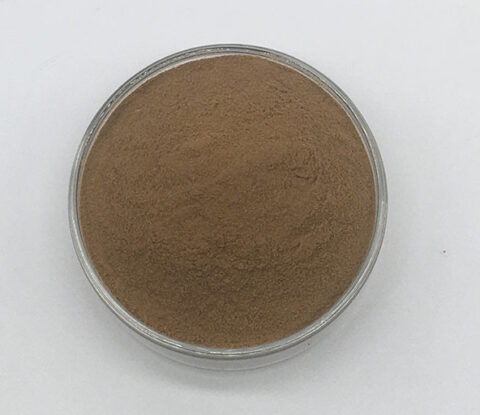
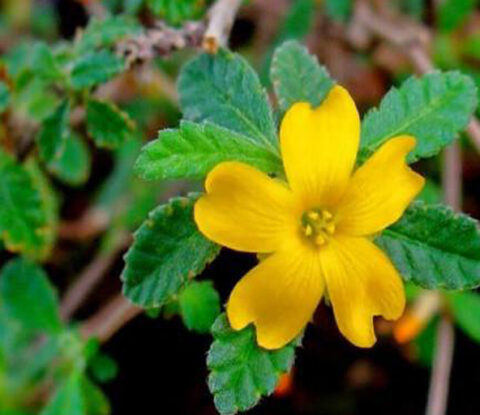


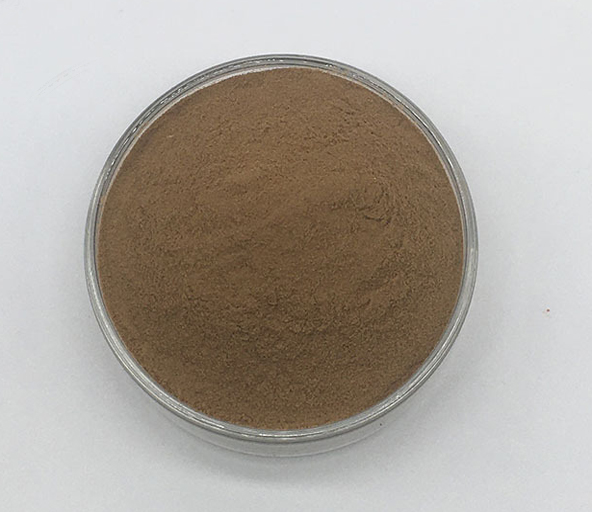

Damiana extract can increase sexual performance, help treat constipation and eliminate anxiety, make the mood happy, and treat symptoms of menstrual syndrome and menopause in women.

Damiana Extract Powder 10:1 20:1 50:1TLC
【Botanical source】: Turnera diffusa Wild ex Schult
【Part used】: Leaves
【Specification】: 10:1 20:1 TLC
【Appearance】: Brownish yellow fine powder
【Extraction solvents】: Water
【Particle size】: 95% pass 80 mesh size
【Main ingredients】: The known gonzalitosin (cyanogenic glycoside) arbutin tannic acid and damianin (brown bitter substance) leaves also contain beta sitosterol. These ingredients have a significant effect on increasing the length of the penis and improving sexual performance.
【Storage conditions】:Store at room temperature in a sealed manner, away from light, and in a ventilated, cool, and dry environment.
【Shelf life】: 24 months from the production date

Damiana Extract Powder Production Flowchart
Damiana raw materials -Coarse powder(40 mesh) -Low temperature water extraction – 1st Reflux Extraction(10 times water,2 Hrs) – 2nd Reflux Extraction8 times water,1.5 Hrs) – 3rd Reflux Extraction(6 times water,1 Hrs) – Extraction Solution-combine&Filtrate-Concentrate-Extractum-spray drying – screening – packaging – detection of physical and chemical indicators – warehousing
Specification Sheet of Damiana Extract Powder
| Product name: | St John’s wort Extract | ||
| Specification: | 10:1 TLC | ||
| Part used: | Leaves of Turnera diffusa Wild ex Schult | ||
| Solvent used: | Water | ||
| Process: | Raw materials crushed, extracted, concentrated and spray-dried to powder | ||
| Non GMO according to regulation (EC) 1829/2003 and 1830/2003 or United States requirements. Non allergen according to Directive 2007/68 amending Annex IIIa to Directive 2000/13/EC and US Food allergen labelling and consumer protection act 2004. | |||
| Heavy Metals: | |||
| Lead: | NMT 3ppm | Cadmium: | NMT 1ppm |
| Arsenic: | NMT 2ppm | Mercury: | NMT 1ppm |
| Residual solvents: | Comply to USP | ||
| Pesticides residues: | Conform to Regulation USP<561> | ||
| Microbiology: | |||
| Total plate count: | 10000cfu/g Max | Yeasts and molds: | 1000cfu/g Max |
| E.coli: | Not detected in (g)10 | Salmonella spp.: | Not detected in (g)25 |
| Staphylococcus aureus: | Not detected in (g)10 | Clostridium spp.: | Not Present in 0.1 g of food |
| Organoleptic quality | Method | Specifications | |
| Aspect: | Visual : ( CQ-MO-148) | Powder | |
| Color: | Visual : ( CQ-MO-148) | Brownish | |
| Flavor: | Sensory: (CQ-MO-148) | Characteristic | |
| Analytical quality | Method | Specifications | |
| Identification: | TLC | Conform | |
| Loss on drying: | USP <731> | < 10% | |
| Bulk density: | USP <616> Method I | 40 – 60 g/100mL | |
| Particle size: | Analytical sieving || USP <786> | 100% through 80meshes | |
| Packaging suitable for foodstuff. | |||
Extended Reading
Modern Pharmacological Research on Damiana (Turnera diffusa) Extract
- Active Constituents
Damiana contains a complex mixture of phytochemicals responsible for its pharmacological effects:
- Flavonoids: Apigenin, luteolin, vicenin, and their glycosides
- Phenolic compounds: Chlorogenic acid, gallic acid, and other hydroxycinnamic acids
- Terpenoids and volatile oils: Pinene, thymol, caryophyllene, and β-sitosterol
- Cyanogenic glycosides: Tetraphyllin B, which degrades to hydrocyanic acid in trace amounts
- Miscellaneous compounds: Caffeine-like alkaloids (trace amounts), tannins, and resins
- Key Pharmacological Activities
- Aphrodisiac and Sexual Function Enhancement
- Evidence: Multiple rodent studies demonstrate improved sexual behavior in male rats with sexual dysfunction induced by selective serotonin reuptake inhibitors (SSRIs) or aging
- Mechanisms:
- Phosphodiesterase-5 (PDE5) inhibition: Similar mechanism to sildenafil (Viagra), increasing cGMP levels and promoting penile vasodilation
- Neurotransmitter modulation: Enhancement of dopaminergic transmission in mesolimbic pathways and modulation of serotonin receptors
- Endocrine effects: Mild testosterone-enhancing properties and potential aromatase inhibition
- Nitric oxide pathway: Possible enhancement of endothelial nitric oxide synthase (eNOS) activity
- Neuropharmacological Effects
- Anxiolytic activity: Demonstrated in elevated plus-maze and light-dark transition tests in rodents, with efficacy comparable to low-dose benzodiazepines
- Antidepressant-like effects: Reduced immobility time in forced swim and tail suspension tests
- Mechanisms:
- GABAergic modulation: Positive allosteric modulation of GABA-A receptors
- Monoaminergic effects: Potential inhibition of monoamine oxidase (MAO) and serotonin reuptake
- Neuroprotective antioxidant activity: Reduction of oxidative stress markers in brain tissue
- Metabolic and Antidiabetic Effects
- Glucose-lowering activity: Significant reduction in blood glucose levels in streptozotocin-induced diabetic rats
- Mechanisms:
- α-Glucosidase inhibition: Reduces carbohydrate absorption in the intestine
- Insulin sensitization: Improves peripheral glucose uptake
- Pancreatic β-cell protection: Antioxidant-mediated preservation of insulin-secreting cells
- Antioxidant and Anti-inflammatory Properties
- Strong free radical scavenging: Demonstrated in DPPH, FRAP, and ORAC assays
- Anti-inflammatory mechanisms:
- Inhibition of cyclooxygenase-2 (COX-2) and inducible nitric oxide synthase (iNOS)
- Reduction of pro-inflammatory cytokines (TNF-α, IL-6)
- NF-κB pathway modulation
- Antimicrobial Activity
- Moderate activity against Gram-positive bacteria (including some antibiotic-resistant strains) and Candida species
- Primarily attributed to thymol and other volatile compounds
- Gastroprotective Effects
- Reduces ethanol-induced gastric lesions in animal models
- Mechanisms include increased mucus production and antioxidant activity
- Pharmacokinetics and Metabolism
- Limited human data available
- Animal studies show rapid absorption of flavonoids with peak plasma concentrations within 2 hours
- Hepatic metabolism via glucuronidation and sulfation
- Compounds cross the blood-brain barrier in rodent models
- Toxicology and Safety Profile
- Generally recognized as safe at traditional doses (2-4 g dried leaf daily)
- Acute toxicity: LD₅₀ > 5 g/kg in rodent models
- Subchronic toxicity: No significant organ damage at therapeutic doses in 90-day rodent studies
- Reproductive toxicity: Uterine stimulant activity at high doses contraindicates use in pregnancy
- Carcinogenicity/mutagenicity: No evidence of genotoxicity in Ames test
- Drug Interactions and Contraindications
- Antidiabetic medications: Potential additive hypoglycemic effects
- CNS depressants: May potentiate effects of alcohol, benzodiazepines, and barbiturates
- Anticoagulants: Theoretical interaction due to coumarin content (unconfirmed)
- PDE5 inhibitors: Possible additive vasodilation effects
- Contraindications: Pregnancy, lactation, severe liver disease
- Clinical Evidence and Research Gaps
- Human clinical trials: Only a few small, low-quality studies exist for aphrodisiac and mood effects
- Standardization challenges: Significant variation in phytochemical profiles based on geography, harvest time, and processing
- Dose-response relationships: Poorly established for most indications
- Long-term safety: No human data beyond 12 weeks of continuous use
- Conclusion
Damiana extract exhibits a multifaceted pharmacological profile with promising effects on sexual function, mood, glucose metabolism, and oxidative stress in preclinical models. Its diverse flavonoid and terpenoid constituents contribute to these activities through multiple complementary mechanisms. However, the translation to evidenced-based human therapeutics is limited by the absence of robust clinical trials. Future research should prioritize randomized controlled trials with standardized extracts, detailed pharmacokinetic studies in humans, and investigation of potential synergistic effects among its complex mixture of bioactive compounds.
References
- Alcaraz-Meléndez, L., et al. (2004). “Analysis of essential oil from leaves of Turnera diffusa Willd. and its activity on uterine contractility.” Phytomedicine, 11(1), 25-29.
- Arletti, R., et al. (1999). “Stimulating property of Turnera diffusa and Ptychopetalum olacoides extracts on the sexual behavior of male rats.” Psychopharmacology, 143(1), 15-19.
- Estrada-Reyes, R., et al. (2009). “Turnera diffusa Wild (Turneraceae) recovers sexual behavior in sexually exhausted males.” Journal of Ethnopharmacology, 123(3), 423-429.
- Hernández, J., et al. (2014). “Antioxidant, antidiabetic and antihypertensive properties of Turnera diffusa Willd.” Journal of Food Biochemistry, 38(3), 345-352.
- Kumar, S., & Sharma, A. (2005). “Anti-stress activity of Turnera aphrodisiaca (Damiana) in rodents.” Indian Journal of Pharmacology, 37(6), 401-402.
- Oshima, M., & Gu, Y. (2003). “Turnera diffusa extract and its flavonoid constituents as phosphodiesterase inhibitors.” Journal of Natural Medicines, 57(4), 157-158.
- Parra, A., et al. (2019). “Anxiolytic and antidepressant-like effects of Turnera diffusa in mice: Involvement of the GABAergic system.” Journal of Traditional and Complementary Medicine, 9(3), 202-208.
- Pérez, S., et al. (2013). “Chemical composition and antimicrobial activity of the essential oil of Turnera diffusa Willd. ex Schult.” Journal of Essential Oil Research, 25(1), 49-52.
- Zhao, J., et al. (2007). “Inhibitory effects of Turnera diffusa on α-glucosidase activity and postprandial hyperglycemia.” Journal of Natural Products, 70(10), 1631-1633.
- Zavala, M., et al. (1998). “Antihyperglycemic effect of Turnera diffusa in rats with streptozotocin-induced diabetes.” Proceedings of the Western Pharmacology Society, 41, 139-141.
Note: This summary represents current scientific understanding based on available preclinical research. Human clinical evidence remains limited, and Damiana should not replace conventional medical treatments without professional consultation.