
Dandelion Extract Powder 10:1, 20:1, 50:1 TLC

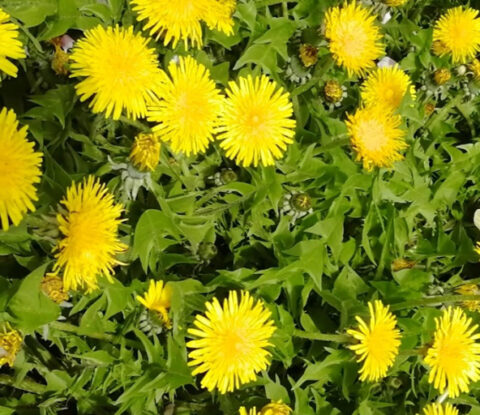


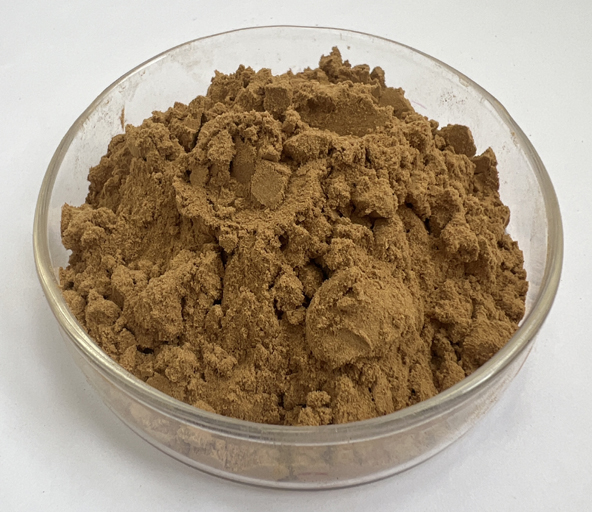
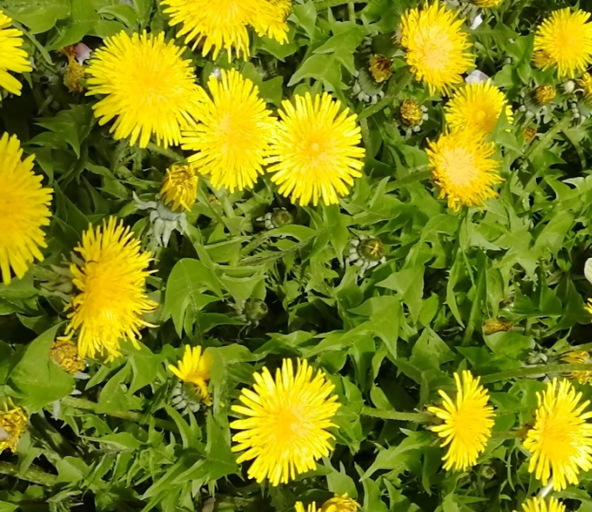
Dandelion extract has pharmacological effects such as hepatoprotective and choleretic, anti-inflammatory and antioxidant, diuretic, blood glucose regulation, and gastrointestinal motility. Its active ingredients such as dandelion sterols, flavonoids, polysaccharides, etc. can promote bile secretion, reduce liver damage, inhibit inflammatory factors, clear free radicals, and exert mild diuretic and potential anti-tumor effects.

Dandelion Extract Powder 10:1, 20:1, 50:1 TLC
【Botanical source】: Taraxacum mongolicum Hand.- Mazz.
【Part used】: Whole herb
【Specification】: 10:1, 20:1, 50:1 TLC
【Extraction solvents】: Water
【Appearance】: Brownish fine powder
【Particle size】: 95% pass 80 mesh size
【Main ingredients】: Dandelion whole plant contains active ingredients such as dandelion sterols, choline, and inulin; The roots are rich in dandelion alcohol, dandelion saponin, and various organic acids; Flowers contain lutein and Ranunculin. The whole plant is rich in vitamins, minerals, and dietary fiber, and has diuretic, anti-inflammatory, antioxidant, and other effects.
【Storage conditions】:Store at room temperature in a sealed manner, away from light, and in a ventilated, cool, and dry environment.
【Shelf life】: 24 months from the production date
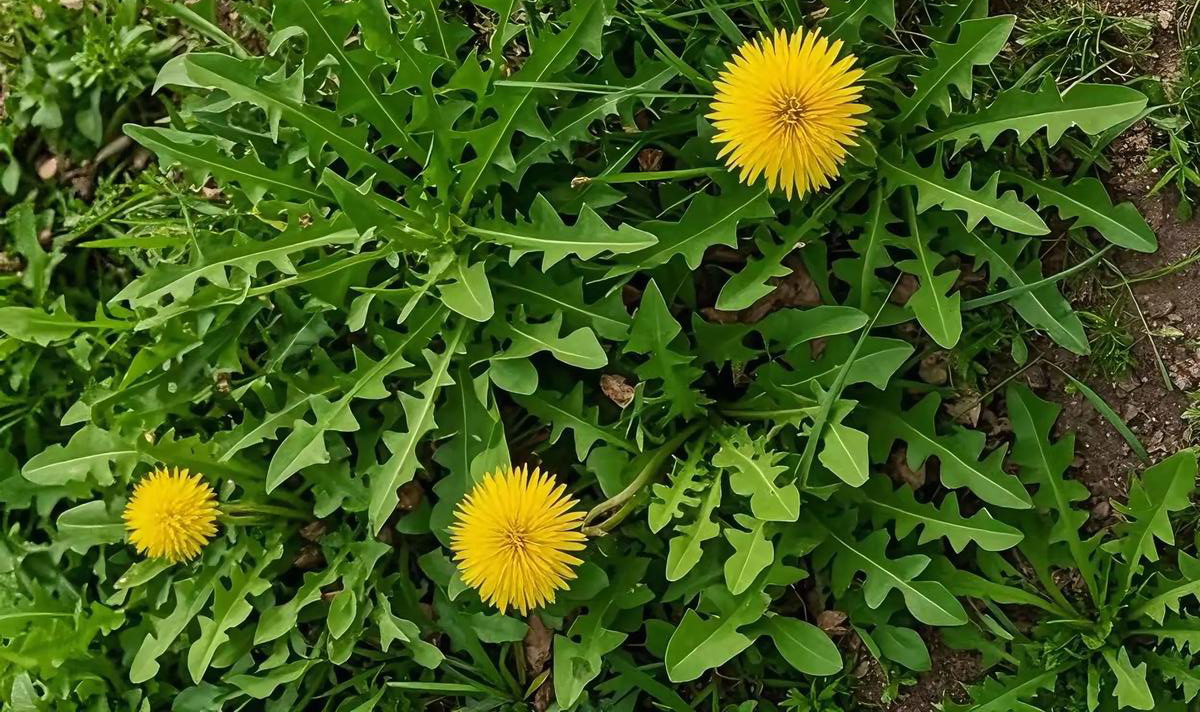
Dandelion Extract Powder Production Flowchart
Dandelion raw materials -Coarse powder(40 mesh) -Low temperature water extraction – 1st Reflux Extraction(10 times water,2 Hrs) – 2nd Reflux Extraction8 times water,1.5 Hrs) – 3rd Reflux Extraction(6 times water,1 Hrs) – Extraction Solution-combine&Filtrate-Concentrate-Extractum-spray drying – screening – packaging – detection of physical and chemical indicators – warehousing
Specification Sheet of Dandelion Extract Powder
| Product name: | Dandelion extract | ||
| Specification: | 10:1 TLC | ||
| Part used: | Whole herb of Taraxacum mongolicum Hand.- Mazz. | ||
| Solvent used: | Water | ||
| Process: | Raw materials crushed, extracted, concentrated and spray-dried to powder | ||
| Non GMO according to regulation (EC) 1829/2003 and 1830/2003 or United States requirements. Non allergen according to Directive 2007/68 amending Annex IIIa to Directive 2000/13/EC and US Food allergen labelling and consumer protection act 2004. | |||
| Heavy Metals: | |||
| Lead: | NMT 3ppm | Cadmium: | NMT 1ppm |
| Arsenic: | NMT 2ppm | Mercury: | NMT 1ppm |
| Residual solvents: | Comply to USP | ||
| Pesticides residues: | Conform to Regulation USP<561> | ||
| Microbiology: | |||
| Total plate count: | 10000cfu/g Max | Yeasts and molds: | 1000cfu/g Max |
| E.coli: | Not detected in (g)10 | Salmonella spp.: | Not detected in (g)25 |
| Staphylococcus aureus: | Not detected in (g)10 | Clostridium spp.: | Not Present in 0.1 g of food |
| Organoleptic quality | Method | Specifications | |
| Aspect: | Visual : ( CQ-MO-148) | Powder | |
| Color: | Visual : ( CQ-MO-148) | Brownish yellow | |
| Flavor: | Sensory: (CQ-MO-148) | Characteristic | |
| Analytical quality | Method | Specifications | |
| Identification: | TLC | Conform | |
| Loss on drying: | USP <731> | < 10% | |
| Bulk density: | USP <616> Method I | 40 – 60 g/100mL | |
| Particle size: | Analytical sieving || USP <786> | 100% through 80meshes | |
| Packaging suitable for foodstuff. | |||
Extended Reading
Modern Research on Dandelion Extract Powder
Chemical Components
Dandelion extracts are rich in diverse bioactive compounds:
- Sesquiterpene Lactones: Taraxinic acid derivatives (e.g., taraxacin), responsible for bitter taste and bioactivity.
- Phenolic Compounds: Chlorogenic acid, cichoric acid, luteolin, and their glycosides, contributing to antioxidant capacity.
- Polysaccharides: Inulin (a prebiotic fructan) in roots; pectins and glucans in leaves.
- Triterpenes & Sterols: Taraxasterol, taraxerol, β-sitosterol.
- Vitamins & Minerals: High in vitamins A, C, K, potassium, iron, and calcium, particularly in leaves.
Health Benefits (Evidence-Based)
- Hepatoprotective & Choleretic: Clinically demonstrated to increase bile flow, aiding digestion and supporting liver detoxification pathways.
- Diuretic Activity: Potassium-rich nature may explain a “potassium-sparing” diuretic effect, unlike pharmaceutical diuretics.
- Antioxidant & Anti-inflammatory: Phenolics like cichoric acid scavenge free radicals and modulate NF-κB and TNF-α pathways.
- Prebiotic & Gastrointestinal Health: Root inulin fosters growth of beneficial gut bacteria (e.g., Bifidobacteria).
- Anti-cancer Potential (Preclinical): In vitro and animal studies show extracts induce apoptosis and inhibit proliferation in liver, colon, and pancreatic cancer cells.
- Anti-hyperglycemic: May improve insulin sensitivity and inhibit α-glucosidase, reducing postprandial blood glucose.
Interactions & Contraindications
- Diuretics & Lithium: May potentiate effects, requiring dose monitoring.
- Antibiotics (Quinolones): Mineral content may chelate certain antibiotics, reducing absorption.
- Anticoagulants (e.g., Warfarin): High vitamin K content may antagonize blood-thinning effects.
- Hypoglycemic Drugs: May enhance blood sugar-lowering, risking hypoglycemia.
- Contraindications: Allergy to plants in the Asteraceae family (ragweed, chrysanthemums), biliary obstruction, acute gallbladder inflammation, or intestinal blockage.
Warnings & Side Effects
Generally recognized as safe (GRAS) for food use. Side effects are rare but may include gastric discomfort, heartburn, or contact dermatitis. Consume from pesticide-free areas only.
Applications
- Herbal Supplements: Capsules, tablets, liquid tinctures, and dried tea for liver/digestive support.
- Functional Foods & Beverages: Roasted root as a coffee substitute, greens in salads, flowers for syrups and wines.
- Cosmeceuticals: Incorporated into skincare for antioxidant and anti-inflammatory properties.
Key References
- González-Castejón, M., et al. (2012). Phytotherapy Research.
- Wirngo, F. E., et al. (2016). The Review of Diabetic Studies.
- Jedrejek, D., et al. (2019). Food Chemistry.
- European Medicines Agency (EMA). (2009). Assessment Report on Taraxacum officinale.
- Świeca, M., et al. (2017). Industrial Crops and Products.
Disclaimer: This information is for educational purposes. Consult a healthcare professional before use, especially if you have a medical condition or are taking medications.
Note: This summary is for informational purposes. It may interact with medications and is contraindicated in certain conditions. Consult a healthcare professional before therapeutic use, particularly regarding its estrogenic activity.