
Dendrobium Extract Powder 10:1 TLC

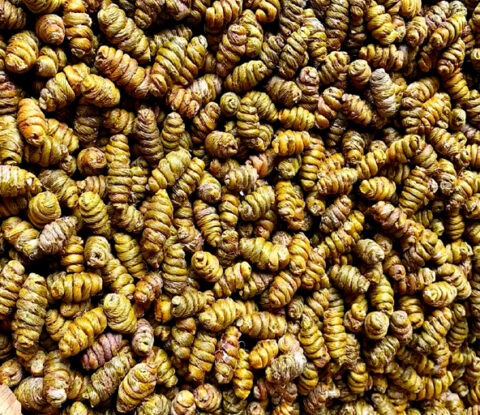
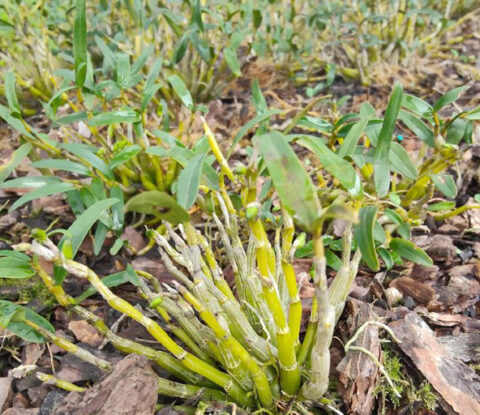


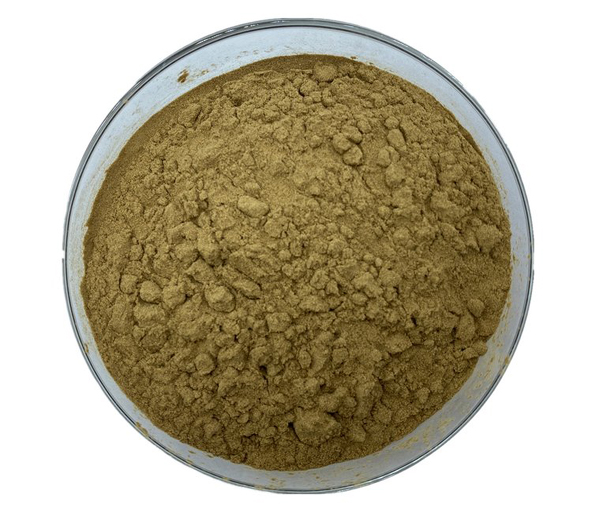
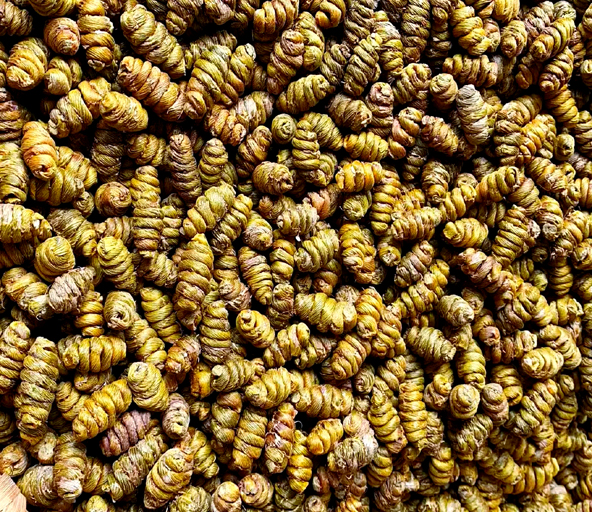
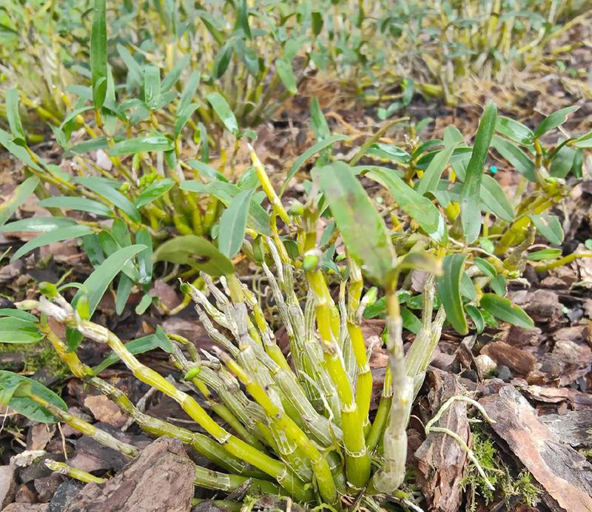
Modern pharmacological research on Dendrobium officinale shows that its core functions are immune regulation and antioxidant. The main active ingredient polysaccharides can enhance immunity, anti-tumor, protect gastric mucosa, and lower blood sugar; Alkaloids have neuroprotective, anti-inflammatory, and analgesic effects. In addition, its extract also shows potential value in anti fatigue, anti-aging, and improving dry eye syndrome.

Dendrobium Extract Powder 10:1 TLC
【Botanical source】: Dendrobium officinale Kimura & Migo, Dendrobium huoshanense C. Z. Tang & S. J. Cheng or Dendrobium nobile Lindl.
【Part used】: Stem
【Specification】: 10:1TLC
【Extraction solvents】: Water
【Appearance】: Brownish fine powder
【Particle size】: 95% pass 80 mesh size
【Main ingredients】: Dendrobium mainly contains polysaccharides (mainly water-soluble polysaccharides such as Dendrobium officinale polysaccharide), alkaloids (such as dendrobine), stilbene compounds (such as berberine), phenols (such as benzyl and phenanthrene), and amino acids. Polysaccharides and alkaloids are the core active ingredients in its immune regulation, anti-tumor, and anti-inflammatory effects.
【Storage conditions】:Store at room temperature in a sealed manner, away from light, and in a ventilated, cool, and dry environment.
【Shelf life】: 24 months from the production date
Dendrobium Extract Powder Production Flowchart
Dendrobium raw materials -Coarse powder(40 mesh) -Low temperature water extraction – 1st Reflux Extraction(10 times water,2 Hrs) – 2nd Reflux Extraction8 times water,1.5 Hrs) – 3rd Reflux Extraction(6 times water,1 Hrs) – Extraction Solution-combine&Filtrate-Concentrate-Extractum-spray drying – screening – packaging – detection of physical and chemical indicators – warehousing
Specification Sheet of Dendrobium Extract Powder
| Product name: | Dendrobium Extract | ||
| Specification: | 10:1 TLC | ||
| Part used: | Stem of Dendrobium officinale Kimura & Migo | ||
| Solvent used: | Water | ||
| Process: | Raw materials crushed, extracted, concentrated and spray-dried to powder | ||
| Non GMO according to regulation (EC) 1829/2003 and 1830/2003 or United States requirements. Non allergen according to Directive 2007/68 amending Annex IIIa to Directive 2000/13/EC and US Food allergen labelling and consumer protection act 2004. | |||
| Heavy Metals: | |||
| Lead: | NMT 3ppm | Cadmium: | NMT 1ppm |
| Arsenic: | NMT 2ppm | Mercury: | NMT 1ppm |
| Residual solvents: | Comply to USP | ||
| Pesticides residues: | Conform to Regulation USP<561> | ||
| Microbiology: | |||
| Total plate count: | 10000cfu/g Max | Yeasts and molds: | 1000cfu/g Max |
| E.coli: | Not detected in (g)10 | Salmonella spp.: | Not detected in (g)25 |
| Staphylococcus aureus: | Not detected in (g)10 | Clostridium spp.: | Not Present in 0.1 g of food |
| Organoleptic quality | Method | Specifications | |
| Aspect: | Visual : ( CQ-MO-148) | Powder | |
| Color: | Visual : ( CQ-MO-148) | Brownish | |
| Flavor: | Sensory: (CQ-MO-148) | Characteristic | |
| Analytical quality | Method | Specifications | |
| Identification: | TLC | Conform | |
| Loss on drying: | USP <731> | < 10% | |
| Bulk density: | USP <616> Method I | 40 – 60 g/100mL | |
| Particle size: | Analytical sieving || USP <786> | 100% through 80meshes | |
| Packaging suitable for foodstuff. | |||
Extended Reading
Modern Research on Dendrobium Extract
- Chemical Components:
Dendrobium (primarily Dendrobium officinale, D. nobile) extracts contain a complex profile of bioactive compounds:
- Polysaccharides: The most abundant and studied components, primarily glucomannans (e.g., DOP – Dendrobium officinale polysaccharide), known for immunomodulatory and prebiotic effects.
- Alkaloids: Dendrobine (characteristic of D. nobile), dendroxine, and nobilonine, associated with neuroprotective and analgesic activities.
- Phenolic Compounds: Bibenzyls (e.g., gigantol, moscatilin), phenanthrenes, and coumarins, contributing to antioxidant, anti-angiogenic, and photoprotective effects.
- Amino Acids & Trace Elements: Rich in essential amino acids and minerals like selenium, zinc, and magnesium.
- Health Benefits (Evidence-Based):
- Immunomodulation & Gut Health: Polysaccharides enhance macrophage phagocytosis, NK cell activity, and cytokine secretion (IL-2, IFN-γ). They also act as prebiotics, promoting beneficial gut microbiota growth.
- Antioxidant & Anti-aging: Phenolic compounds and polysaccharides scavenge ROS, reduce oxidative stress, and may protect skin fibroblasts from UV damage, supporting its traditional “yin-nourishing” use.
- Antitumor Potential: Bibenzyls and polysaccharides demonstrate in vitro and in vivo activity against lung, liver, and leukemia cancer cells via apoptosis induction, cell cycle arrest, and anti-metastasis mechanisms.
- Neuroprotection: Dendrobine exhibits effects similar to a mild calcium channel blocker, showing potential in animal models for neuroprotection, seizure reduction, and mitigation of cognitive decline.
- Ocular Health: Clinical and preclinical studies suggest benefits for dry eye syndrome, potentially through anti-inflammatory and lacrimal gland-protecting mechanisms.
- Antihyperglycemic: Polysaccharides may improve insulin sensitivity and protect pancreatic islet cells in diabetic models.
- Interactions & Warnings:
- Immunosuppressants: May theoretically counteract drugs like cyclosporine or corticosteroids used in autoimmune diseases or post-transplant.
- Anticoagulants/Antiplatelets: Some constituents may have mild antiplatelet effects; use with caution alongside warfarin, aspirin, or clopidogrel.
- Hypoglycemic Drugs: May potentiate blood sugar-lowering effects, requiring monitoring.
- Surgery: Due to potential effects on immunity and blood sugar, discontinue at least 2 weeks prior to surgery.
- Pregnancy & Lactation: Insufficient safety data; avoid therapeutic use.
- Taboos & Contraindications:
- Autoimmune Diseases: Use with caution in conditions like rheumatoid arthritis or lupus due to immune-stimulating potential.
- Cold/Deficiency Syndromes (TCM perspective): Traditionally contraindicated in early-stage common cold with chills or in individuals with “cold-damp” constitution without heat signs.
- Known Allergy: To Orchidaceae plants.
- Applications:
- Nutraceuticals & Functional Foods: Widely used in immunity-boosting supplements, anti-aging formulations, energy drinks, and herbal teas.
- Pharmaceutical Research: Investigated as a source of novel polysaccharides for immunotherapies and anticancer adjuvants, and of dendrobine for neurological applications.
- Cosmeceuticals: Incorporated into high-end skincare for its hydrating, antioxidant, and potential anti-photoaging properties.
- Clinical Use (TCM & Integrative Medicine): Employed to support recovery from chronic illness, alleviate dry mouth/throat (e.g., post-chemotherapy), and manage dry eye.
References:
- Ng, T. B., et al. (2012). Medicinal values of Dendrobium species. Chinese Medicine, 7(1), 23.
- Xing, S., et al. (2015). Immunomodulatory effect of Dendrobium officinale polysaccharide in mice. Journal of Functional Foods, 17, 11-18.
- Zhang, Y., et al. (2018). Anti-angiogenic activity of bibenzyls isolated from Dendrobium species. Scientific Reports, 8(1), 15262.
- Liang, J., et al. (2019). Dendrobine protects against hippocampal neuronal damage in Alzheimer’s disease by modulating autophagy. Phytomedicine, 62, 152946.
- He, T. B., et al. (2020). Dendrobium officinale polysaccharide ameliorates dry eye syndrome by regulating gut microbiota. International Journal of Biological Macromolecules, 165, 1503-1512.
- Zha, X. Q., et al. (2007). Structural identification and immunostimulating activity of a polysaccharide from Dendrobium nobile Lindl. Carbohydrate Polymers, 68(2), 320-325.
Note: This summary is for informational purposes. It may interact with medications and is contraindicated in certain conditions. Consult a healthcare professional before therapeutic use, particularly regarding its estrogenic activity.