
Dragon’s Blood Extract Powder 10:1, 20:1, 50:1 TLC

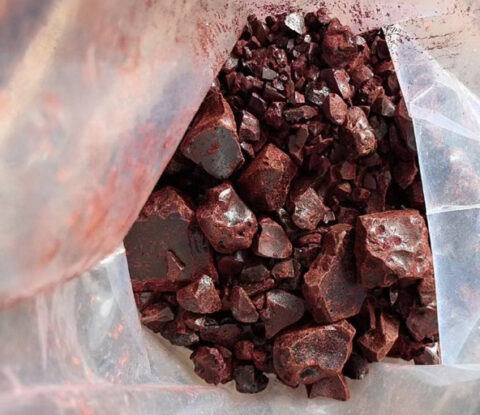


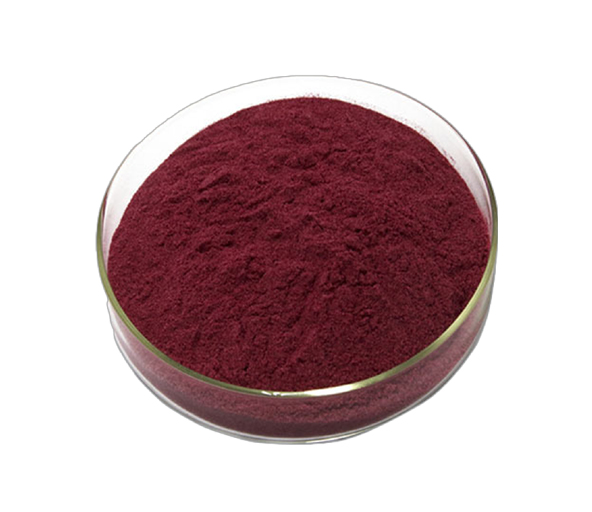
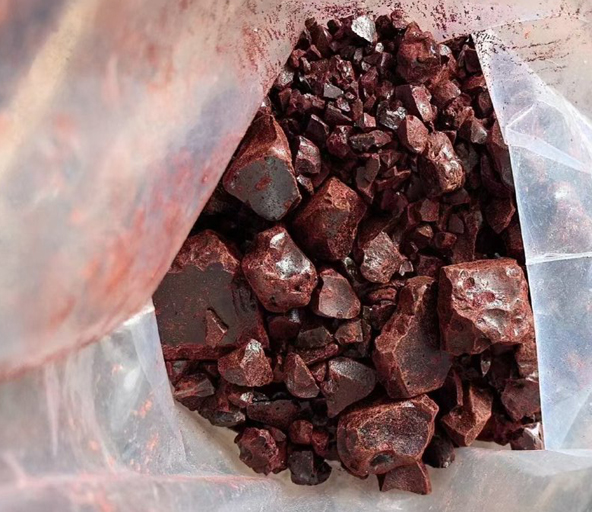
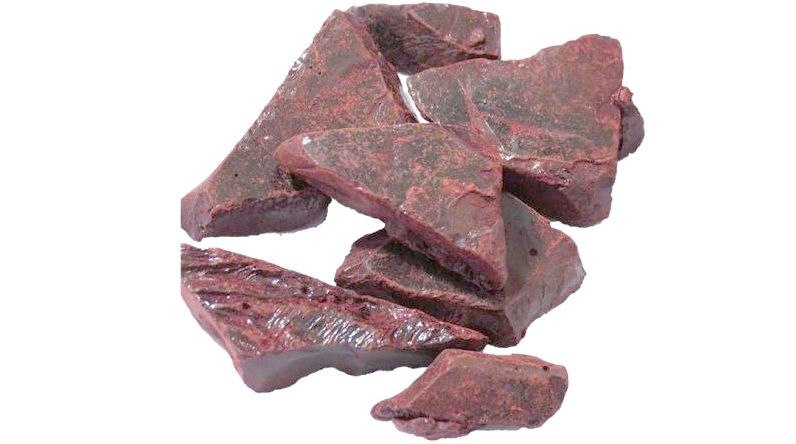
Dragon's blood extract has the effects of promoting blood circulation, dispersing blood stasis, relieving pain, stopping bleeding, and healing sores and muscles. Suitable for injuries caused by falls, bruises causing pain, and external bleeding.

Dragon’s Blood Resin Extract Powder 10:1, 20:1, 50:1 TLC
【Botanical source】: Resina Draconis
【Part used】: Resin
【Specification】: 10:1, 20:1, 50:1 TLC
【Extraction solvents】: Water
【Appearance】: Dark red fine powder
【Particle size】: 95% pass 80 mesh size
【Main ingredients】: Dragon’s blood mainly contains flavonoids (such as blood dragon’s blood extract and blood dragon’s blood red pigment), resin esters, volatile oils, and polysaccharides, which have the functions of promoting blood circulation, removing blood stasis, stopping bleeding, anti-inflammatory, and promoting tissue repair. They are widely used in traditional Chinese medicine trauma and internal medicine treatment.
【Storage conditions】:Store at room temperature in a sealed manner, away from light, and in a ventilated, cool, and dry environment.
【Shelf life】: 24 months from the production date
Dragon’s Blood Resin Extract Powder Production Flowchart
Dragon’s Blood Resin materials -Coarse powder(40 mesh) -Low temperature water extraction – 1st Reflux Extraction(10 times water,2 Hrs) – 2nd Reflux Extraction8 times water,1.5 Hrs) – 3rd Reflux Extraction(6 times water,1 Hrs) – Extraction Solution-combine&Filtrate-Concentrate-Extractum-spray drying – screening – packaging – detection of physical and chemical indicators – warehousing
Specification Sheet of Dragon’s Blood Resin Extract Powder
| Product name: | Dragon’s Blood Extract | ||
| Specification: | 10:1 TLC | ||
| Part used: | Resin of Resina Draconis | ||
| Solvent used: | Water | ||
| Process: | Raw materials crushed, extracted, concentrated and spray-dried to powder | ||
| Non GMO according to regulation (EC) 1829/2003 and 1830/2003 or United States requirements. Non allergen according to Directive 2007/68 amending Annex IIIa to Directive 2000/13/EC and US Food allergen labelling and consumer protection act 2004. | |||
| Heavy Metals: | |||
| Lead: | NMT 3ppm | Cadmium: | NMT 1ppm |
| Arsenic: | NMT 2ppm | Mercury: | NMT 1ppm |
| Residual solvents: | Comply to USP | ||
| Pesticides residues: | Conform to Regulation USP<561> | ||
| Microbiology: | |||
| Total plate count: | 10000cfu/g Max | Yeasts and molds: | 1000cfu/g Max |
| E.coli: | Not detected in (g)10 | Salmonella spp.: | Not detected in (g)25 |
| Staphylococcus aureus: | Not detected in (g)10 | Clostridium spp.: | Not Present in 0.1 g of food |
| Organoleptic quality | Method | Specifications | |
| Aspect: | Visual : ( CQ-MO-148) | Powder | |
| Color: | Visual : ( CQ-MO-148) | Dark red | |
| Flavor: | Sensory: (CQ-MO-148) | Characteristic | |
| Analytical quality | Method | Specifications | |
| Identification: | TLC | Conform | |
| Loss on drying: | USP <731> | < 10% | |
| Bulk density: | USP <616> Method I | 40 – 60 g/100mL | |
| Particle size: | Analytical sieving || USP <786> | 100% through 80meshes | |
| Packaging suitable for foodstuff. | |||
Extended Reading
Modern Pharmacological Research on Dragon’s Blood Resin Extract
Dragon’s Blood refers to the deep red resin obtained primarily from three botanical sources:
- Dracaena species (e.g., Dracaena cochinchinensis, Dracaenaceae), known as “Chinese Dragon’s Blood” or “Resina Draconis.”
- Croton species (e.g., Croton lechleri, Euphorbiaceae), known as “Sangre de Grado” from South America.
- Daemonorops species (Arecaceae), the source of rattan palm resin.
Most modern pharmacological research focuses on Dracaena and Croton resins, which, while chemically distinct, share overlapping therapeutic properties. This review synthesizes findings primarily from Dracaena spp., with key references to Croton.
Key Bioactive Constituents
The pharmacological activity is attributed to a complex mixture of flavonoids, phenolics, and other compounds:
- Flavonoids & Flavanoids: Loureirin A, B, C, and D (specific to Dracaena), proanthocyanidins (in Croton).
- Phenolic Compounds: Dracoflavans, Dracorhodin, Dracorubin.
- Phenolic Steroids: Cochinchinenins.
- Lignans: (e.g., Draco-lignans).
- Simple Phenols and Tannins.
Pharmacological Activities & Mechanisms
- Hemostatic and Wound Healing
This is the most traditional and well-substantiated use.
- Mechanisms: The resin promotes rapid platelet aggregation and clot formation. More significantly, it accelerates all phases of wound repair:
- Proliferation: Stimulates fibroblast proliferation, collagen synthesis, and angiogenesis (formation of new blood vessels) via upregulation of growth factors (VEGF, FGF).
- Anti-inflammatory & Antimicrobial: Creates a protective barrier and reduces infection risk, supporting clean healing.
- Evidence: Extensive in vitro and animal models (e.g., full-thickness skin defect models in rats) confirm its efficacy. Clinical studies on Sangre de Grado (Croton lechleri) show significant benefits for topical wound healing.
- Anti-inflammatory and Analgesic Effects
A core mechanism underlying many of its uses.
- Mechanisms: Potently inhibits key inflammatory pathways:
- Suppresses the activation of NF-κB and MAPK signaling cascades.
- Downregulates pro-inflammatory enzymes (COX-2, iNOS) and cytokines (TNF-α, IL-1β, IL-6).
- Evidence: Effective in rodent models of carrageenan-induced paw edema, xylene-induced ear swelling, and adjuvant-induced arthritis. The analgesic effect is linked to both peripheral (anti-inflammatory) and central mechanisms.
- Antimicrobial and Antiviral Activity
- Mechanisms: The resin’s complex phenolics disrupt microbial cell membranes and inhibit essential enzymes.
- Evidence: Demonstrates broad-spectrum activity in vitro against:
- Bacteria: Staphylococcus aureus (including MRSA), Escherichia coli, Pseudomonas aeruginosa.
- Fungi: Candida albicans.
- Viruses: Herpes simplex virus (HSV), influenza virus, and hepatitis B virus (HBV). The proanthocyanidin oligomers in Sangre de Grado have shown notable antiviral effects.
- Gastroprotective and Ulcer Healing
- Mechanisms:
- Cytoprotective: Enhances gastric mucus secretion and mucosal blood flow.
- Antioxidant: Scavenges free radicals involved in ethanol- or NSAID-induced gastric injury.
- Anti-inflammatory: Reduces inflammatory infiltration in the gastric submucosa.
- Evidence: Animal studies show significant protection against ethanol-, acetic acid-, and indomethacin-induced gastric ulcers, promoting healing comparable to standard drugs.
- Antioxidant and Cytoprotective Effects
- Mechanisms: Flavonoids like loureirin B and dracorhodin are potent free radical scavengers. They activate the cellular Nrf2/ARE pathway, upregulating endogenous antioxidant enzymes (SOD, GSH-Px).
- Evidence: Protects various cell types (neuronal, hepatic, cardiac) from oxidative stress-induced damage in vitro and in animal models, suggesting potential for neurodegenerative and ischemic diseases.
- Anticancer Potential (Preclinical)
An emerging area of investigation.
- Mechanisms:
- Induces Apoptosis: Activates caspase-3 and -9, and modulates Bcl-2/Bax ratio.
- Inhibits Proliferation & Metastasis: Induces cell cycle arrest and suppresses MMP-2/9 expression, reducing invasion and migration.
- Evidence: In vitro studies show cytotoxic effects and inhibition of metastasis in various human cancer cell lines, including breast, liver, colon, and lung cancers. In vivo tumor xenograft studies support these findings.
- Cardiovascular and Metabolic Effects
- Mechanisms:
- Antithrombotic: Inhibits platelet aggregation through multiple pathways.
- Improves Microcirculation: Promotes blood flow in capillaries.
- Antidiabetic: Extracts have shown α-glucosidase inhibitory activity and improve glucose tolerance in diabetic animal models.
- Evidence: Preliminary animal studies indicate potential benefits for ischemia/reperfusion injury and diabetic complications.
Safety and Toxicology
Dragon’s Blood resin is generally considered safe for topical and short-term oral use in traditional medicine.
- Allergy: Rare cases of contact dermatitis reported.
- Oral Use: High doses may cause gastrointestinal discomfort. Long-term oral toxicity data is limited.
- Drug Interactions: Theoretical interaction with anticoagulant/antiplatelet drugs (e.g., warfarin, aspirin) due to its hemostatic and antithrombotic properties. May affect the absorption of concurrently taken oral drugs due to its high tannin content.
- Purity: Adulteration with dyes or other resins is a concern, emphasizing the need for standardized, authenticated extracts.
Conclusion
Modern pharmacological research has validated many traditional uses of Dragon’s Blood resin, particularly for wound healing, anti-inflammation, and antimicrobial purposes. Its bioactivity stems from a synergistic complex of flavonoids (e.g., loureirins) and phenolic compounds. While preclinical data for anticancer, neuroprotective, and metabolic effects are promising, they require further validation through rigorous clinical trials. Future research should focus on standardizing extracts based on key marker compounds, elucidating detailed molecular mechanisms, and conducting well-designed human studies to translate traditional knowledge into evidence-based therapeutics.
References
- Guo, Y., et al. (2020). “Loureirin B, a flavonoid from Dracaena cochinchinensis, attenuates LPS-induced acute lung injury via NF-κB and MAPK signaling pathways.” International Immunopharmacology, 80, 106198.
- Zhang, Y., et al. (2018). “The wound healing effect of Dragon’s Blood resin from Dracaena cochinchinensis in a rat model: Histological and biochemical evidence.” Journal of Ethnopharmacology, 219, 248-255.
- Wang, L., et al. (2021). “Antimicrobial activity and mechanism of loureirin A from Dracaena cochinchinensis against methicillin-resistant Staphylococcus aureus (MRSA).” Journal of Applied Microbiology, 131(2), 858-870.
- Jones, K. (2003). “Sangre de Grado (Croton lechleri)—A phytomedicine for the treatment of diarrhea and skin lesions.” Alternative Medicine Review, 8(2), 208-210.
- Chen, H., et al. (2014). “Cochinchinenin B, a steroidal phenol from Dracaena cochinchinensis, inhibits hepatocellular carcinoma cell proliferation and induces apoptosis via mitochondrial pathway.” Bioorganic & Medicinal Chemistry Letters, 24(15), 3569-3573.
- Wang, S., et al. (2019). “Dracorhodin perchlorate induces apoptosis in human colon cancer cells via mitochondrial dysfunction and the JNK/p38 MAPK pathway.” Oncology Reports, 42(5), 2075-2086.
- Zhu, L., et al. (2018). “Gastroprotective effects of Dragon’s Blood resin from Dracaena cochinchinensis on ethanol-induced gastric ulcer in rats.” Journal of Pharmacy and Pharmacology, 70(4), 539-548.
- Alves, A. M., et al. (2020). “Antiviral activity of proanthocyanidins from Croton lechleri (Sangre de Grado) against herpes simplex virus type 1.” Phytomedicine, 79, 153348.
- Xu, J., et al. (2017). “Loureirin B inhibits the proliferation of hepatic stellate cells and the Wnt/β-catenin signaling pathway via miR-148a.” Molecular Medicine Reports, 16(2), 1385-1392.
- Peng, C., et al. (2015). “Antioxidant and anti-inflammatory activities of Dragon’s Blood resin from Dracaena cochinchinensis and its main flavonoid, loureirin A.” Journal of Functional Foods, 17, 54-65.
Note: This summary is for informational purposes. It may interact with medications and is contraindicated in certain conditions. Consult a healthcare professional before therapeutic use, particularly regarding its estrogenic activity.