
Dried Tangerine Peel (Chen Pi) Extract Powder 10:1, 20:1, 50:1 TLC
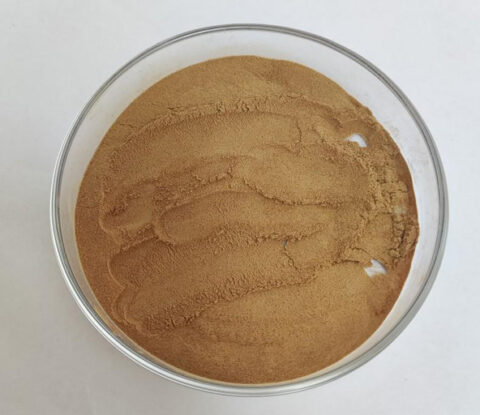
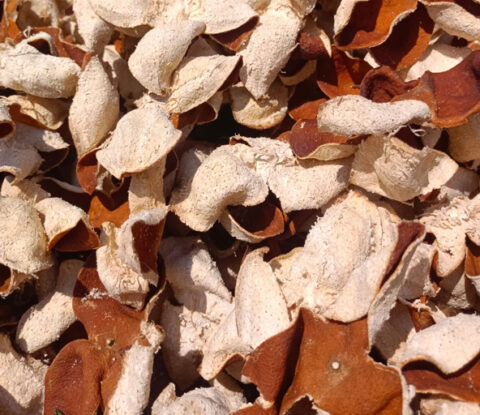


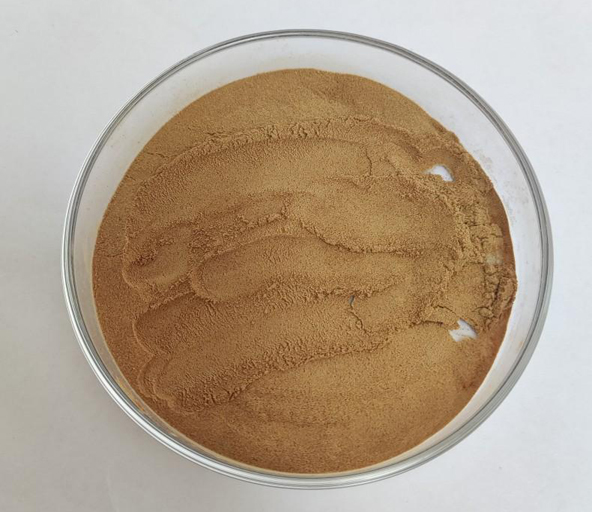
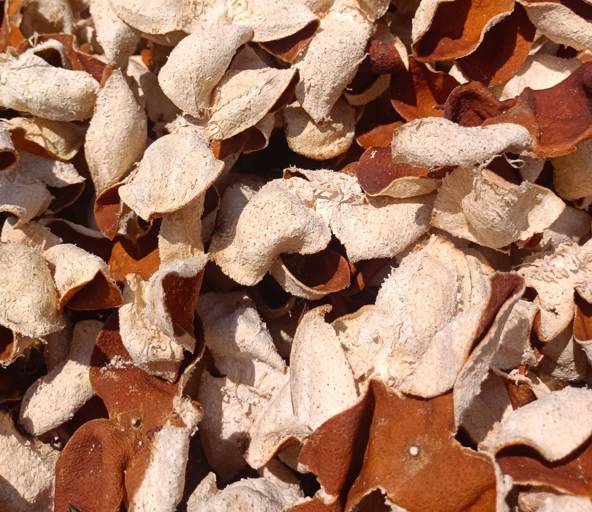
Chen Pi is mainly used in traditional Chinese medicine to regulate qi, invigorate the spleen, dry dampness, and reduce phlegm. It is commonly used to improve symptoms such as abdominal distension, loss of appetite, cough, and excessive phlegm. Its mild medicinal properties can regulate spleen and stomach qi stagnation, as well as resolve phlegm dampness obstructing the lungs, making it one of the commonly used Qi regulating drugs in clinical practice.

Dried Tangerine Peel (Chen Pi) Extract Powder 10:1, 20:1, 50:1 TLC
【Other names】: Chen Pi, Ju Pi, Chen Ju Pi, Tangerine Peel,icarpium Citri Reticulatae
【Botanical source】: Citrus reticulata Blanco
【Part used】: Dried and matured fruit peels of Citrus reticulata Blanco and its cultivated varieties in the Rutaceae family. Medicinal herbs are divided into “Chenpi” and “Guangchenpi”. Picking mature fruits, peeling the skin, and drying them in the sun or at low temperatures.
【Specification】: 10:1, 20:1, 50:1 TLC
【Appearance】: Brownish yellow fine powder
【Particle size】: 95% pass 80 mesh size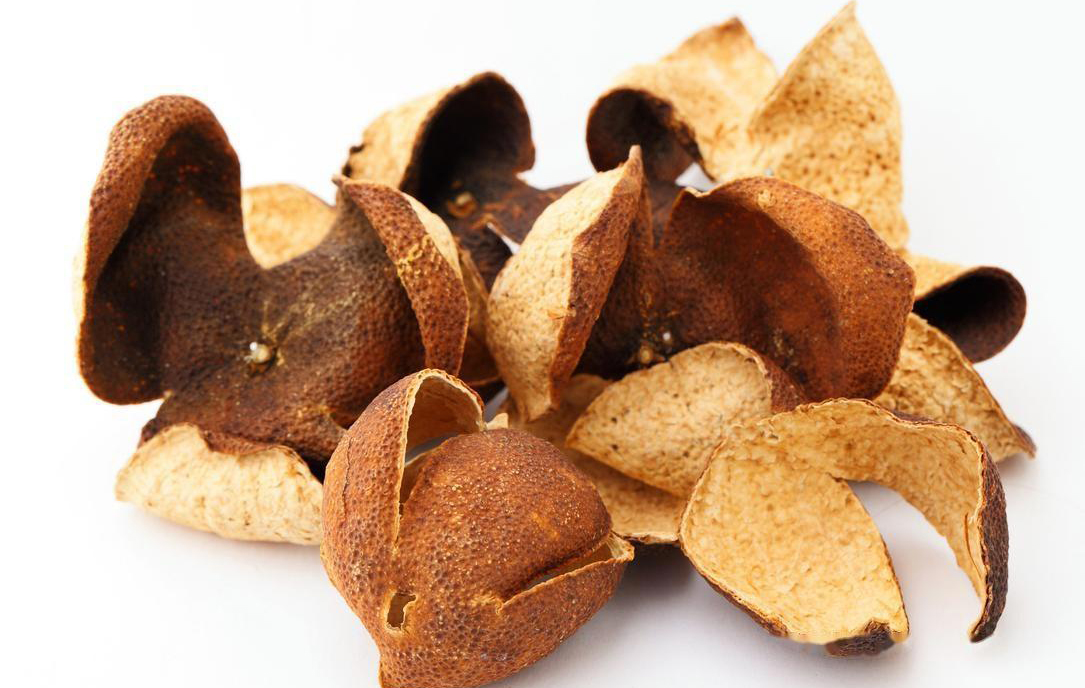
Dried Tangerine Peel (Chen Pi) Extract Powder Production Flowchart
Dried Tangerine Peel (Chen Pi) raw materials – natural air drying–Coarse powder(40 mesh) -Low temperature water extraction – 1st Reflux Extraction(10 times water,2 Hrs) – 2nd Reflux Extraction8 times water,1.5 Hrs) – 3rd Reflux Extraction(6 times water,1 Hrs) – Extraction Solution-combine&Filtrate-Concentrate-Extractum-spray drying – screening – packaging – detection of physical and chemical indicators – warehousing
Specification Sheet of Dried Tangerine Peel (Chen Pi) Extract Powder
| Product name: | Chen Pi Extract | ||
| Specification: | 10:1 TLC | ||
| Part used: | Dried and matured fruit peels of Citrus reticulata Blanco | ||
| Solvent used: | Hot water | ||
| Process: | Raw materials crushed, extracted, concentrated and spray-dried to powder | ||
| Non GMO according to regulation (EC) 1829/2003 and 1830/2003 or United States requirements. Non allergen according to Directive 2007/68 amending Annex IIIa to Directive 2000/13/EC and US Food allergen labelling and consumer protection act 2004. | |||
| Heavy Metals: | |||
| Lead: | NMT 3ppm | Cadmium: | NMT 1ppm |
| Arsenic: | NMT 2ppm | Mercury: | NMT 1ppm |
| Residual solvents: | Comply to USP | ||
| Pesticides residues: | Conform to Regulation USP<561> | ||
| Microbiology: | |||
| Total plate count: | 10000cfu/g Max | Yeasts and molds: | 1000cfu/g Max |
| E.coli: | Not detected in (g)10 | Salmonella spp.: | Not detected in (g)25 |
| Staphylococcus aureus: | Not detected in (g)10 | Clostridium spp.: | Not Present in 0.1 g of food |
| Organoleptic quality | Method | Specifications | |
| Aspect: | Visual : ( CQ-MO-148) | Powder | |
| Color: | Visual : ( CQ-MO-148) | Brownish | |
| Flavor: | Sensory: (CQ-MO-148) | Characteristic | |
| Analytical quality | Method | Specifications | |
| Identification: | TLC | Conform | |
| Loss on drying: | USP <731> | < 10% | |
| Bulk density: | USP <616> Method I | 40 – 60 g/100mL | |
| Particle size: | Analytical sieving || USP <786> | 100% through 80meshes | |
| Packaging suitable for foodstuff. | |||
Extended Reading
Dried Tangerine Peel (Chen Pi) Function and Efficacy Recorded in TCM
Chenpi is one of the most commonly used and famous qi regulating medicines in traditional Chinese medicine. Its medicinal and edible properties are of the same origin, and its effects are mild and comprehensive. The following are the core functions, applications, and modern understanding of tangerine peel in traditional Chinese medicine:
1. Regulating Qi and Strengthening Spleen
Function: This is the most basic and important function of dried tangerine peel. It can sort out the qi of the middle burner (spleen and stomach), eliminate bloating, and enhance the digestive function of the spleen and stomach.
Application:
Spleen and stomach qi stagnation syndrome: manifested as bloating, pain, belching, and loss of appetite in the epigastric region. Mild cases can be soaked in water alone, while severe cases are often combined with wood fragrance, sand kernels, and other ingredients.
Dysdigestion: Whether it is stagnation of food accumulation (often accompanied by hawthorn and Shenqu), or spleen deficiency and qi stagnation (often accompanied by Codonopsis pilosula and Atractylodes macrocephala, such as “Yigong San”), tangerine peel can have a good synergistic effect.
2. Drying dampness and resolving phlegm
Function: Chenpi has a warm and dry nature, which can eliminate stagnant dampness and phlegm in the body.
Application:
Wet phlegm and cold phlegm cough: manifested as excessive phlegm, white color, easy coughing up, often accompanied by chest tightness. This is the core of using tangerine peel to treat respiratory diseases. Often used together with Pinellia ternata and Poria cocos, it forms the basic formula for resolving phlegm called “Er Chen Tang”.
Damp obstruction in the middle burner: manifested as heavy limbs, full abdominal distension, and thick and greasy tongue coating. Often used together with Atractylodes macrocephala and Magnolia officinalis (such as “Pingwei San”).
3. Stop vomiting with the stomach
Function: It can lower stomach qi and stop vomiting.
Application:
Vomiting and hiccup caused by stagnant stomach qi: It is most suitable for nausea and vomiting caused by obstruction of cold and dampness or stagnation of spleen and stomach qi. It can be paired with ginger (to enhance anti nausea), and if the stomach is hot, it can be paired with bamboo root and coptis root (such as “Orange Peel Bamboo Root Soup”).
Modern Pharmacological Effects of Dried Tangerine Peel (Chen Pi)
The modern pharmacological research on dried tangerine peel is very rich, and its medicinal and edible properties and extensive biological activities are currently the hotspots of research. The following is a detailed explanation of the main modern pharmacological effects of Chenpi:
1.The effect on the digestive system
This is the most essential part of the pharmacological effects of tangerine peel.
Regulating gastrointestinal motility:
Bidirectional regulation: The volatile oil and decoction of tangerine peel have a mild stimulating effect on the gastrointestinal tract, promoting the secretion of digestive juices (such as gastric juice and saliva), aiding digestion, and increasing appetite. At the same time, it can inhibit excessive spasms of intestinal smooth muscles, playing a role in relieving spasms and pain. This explains why it can treat bloating (promote motility) and relieve abdominal pain (relieve spasms).
Eliminate intestinal gas accumulation: Volatile oil can promote the elimination of gastrointestinal gas accumulation and improve abdominal distension.
Anti ulcer, hepatoprotective and choleretic:
The flavonoids such as hesperidin in tangerine peel can inhibit gastric acid secretion, increase gastric mucosal blood flow, and have preventive and therapeutic effects on experimental gastric ulcers.
Can promote bile secretion, assist in fat digestion, and have a certain protective effect on liver cells.
2. The effect on the respiratory system
Dispelling phlegm and relieving asthma:
Expectorant: The volatile oil from tangerine peel can directly stimulate the respiratory mucosa, increase glandular secretion, dilute phlegm, and make it easy to cough up.
Relieve asthma: Chenpi decoction and its alcohol extract can relax bronchial smooth muscle, counteract histamine induced bronchospasm, and have an anti asthma effect. Hesperidin is one of the key active ingredients.
3. Cardiovascular system function
Bi directional regulation of blood pressure and heart:
The components in tangerine peel, such as hesperidin and sinomenine, have a slight pressor and cardiac stimulating effect.
However, Chenpi decoction exhibits inhibitory effects on the high body heart, reflecting the complexity of its components and its potential for bidirectional regulation of the body’s state.
Antioxidant and vascular protection:
Hesperidin is a powerful antioxidant, which can clear free radicals, protect vascular endothelial cells, reduce atherosclerosis, and enhance capillary toughness.
4. Anti inflammatory, antibacterial, and immune regulation
Anti inflammatory: Ingredients such as hesperidin can significantly inhibit the production of various inflammatory factors and mediators, and have clear anti-inflammatory activity.
Antibacterial and antiviral: The volatile oil of tangerine peel has inhibitory effects on various bacteria (such as Staphylococcus aureus) and fungi, as well as some viruses.
Immune regulation: can enhance the phagocytic function of macrophages and improve the body’s immunity.
5. Other important pharmacological effects
Antitumor: Multiple in vitro and animal studies have shown that tangerine peel extracts (especially multi methoxy flavonoids such as Sichuan Chenpi Su) can inhibit various cancer cells (such as lung cancer, gastric cancer, and colon cancer) by inducing cell apoptosis, inhibiting cancer cell proliferation and metastasis through multiple pathways. This is the forefront field of current research.
Regulating blood lipids and anti obesity: It can reduce the serum total cholesterol and triglycerides of experimental animals, and help control body weight.
Neuroprotection: Preliminary studies suggest that its active ingredients may have a protective effect on the nervous system, potentially benefiting neurodegenerative diseases.