
Cyanotis Arachnoidea Extract Powder with β-ecdysterone 50%, 90%, 95%, 98%HPLC
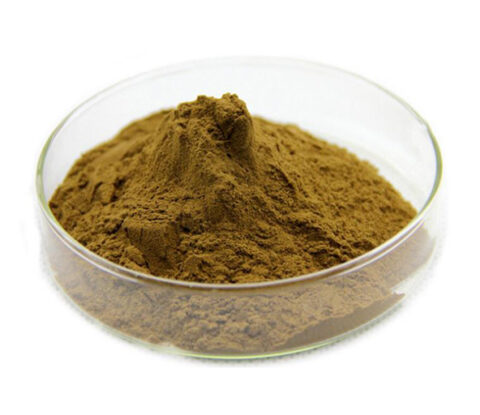
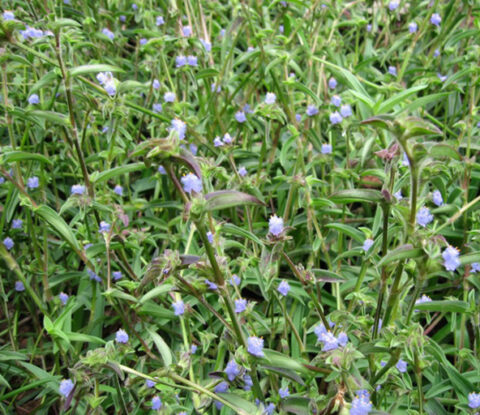


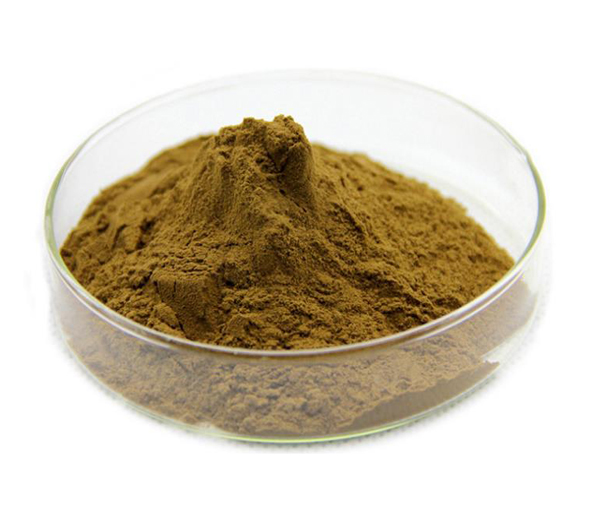
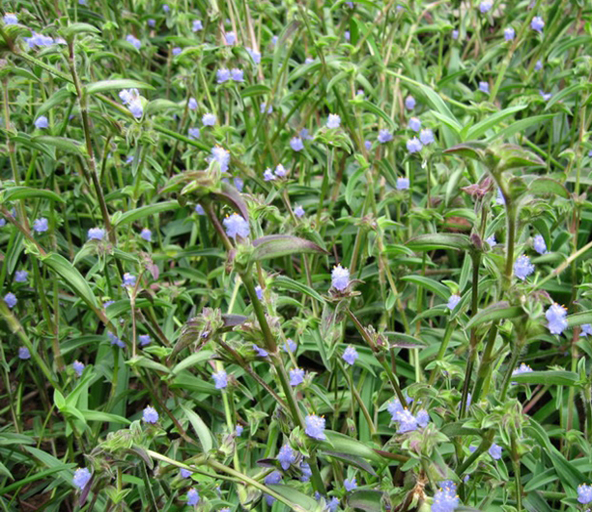
Cyanotis Arachnoidea extract, mainly composed of ecdysteroids, is widely used in the fields of medicine, health products, cosmetics, and aquaculture. It has pharmacological effects such as promoting collagen synthesis, lowering blood sugar and lipid levels, anti fatigue, and anti-cancer.

Cyanotis Arachnoidea Extract Powder with Pβ-ecdysterone 50%, 90%, 95%, 98%HPLC
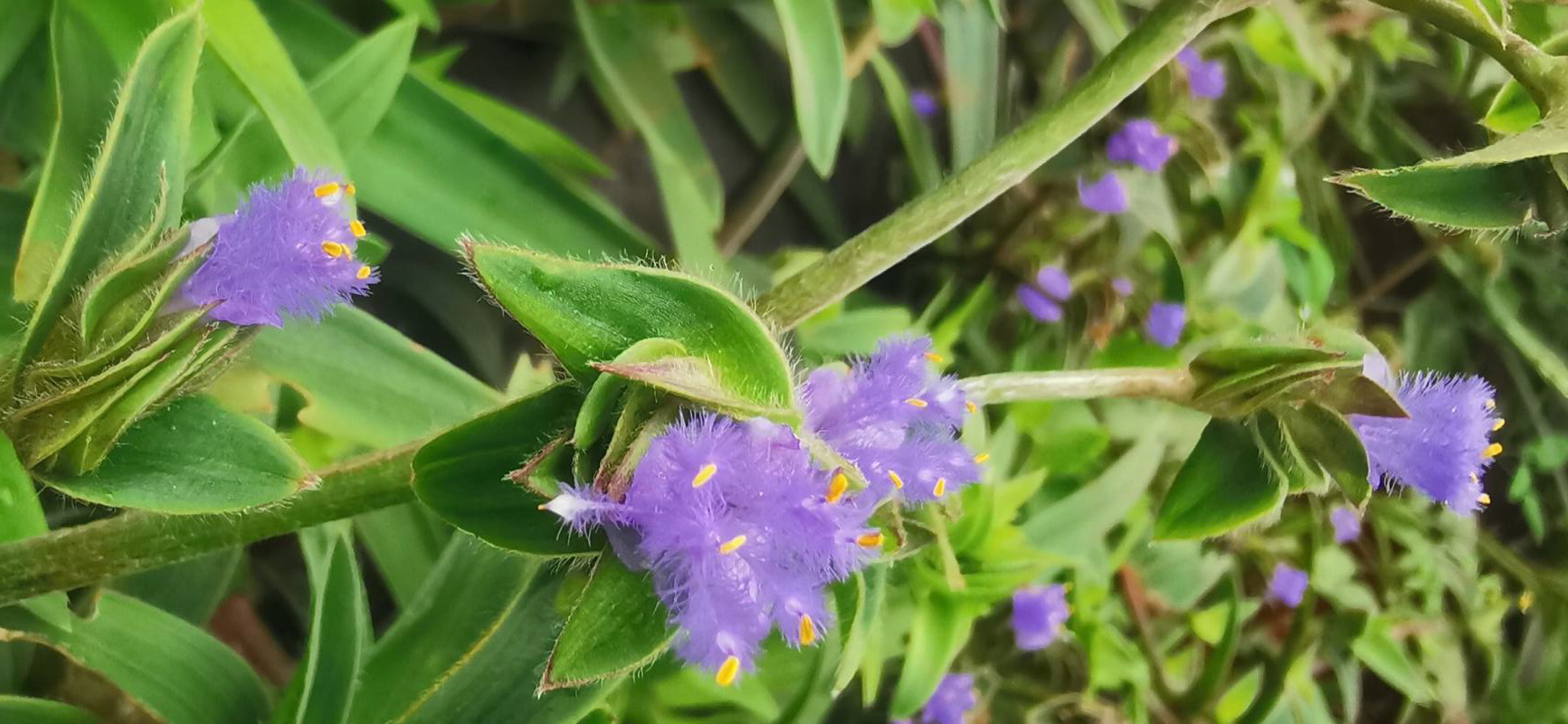
【Botanical source】: Cyanotis Arachnoidea CB.Clarke.
【Part used】: Whole plant of Cyanotis Arachnoidea CB. Clarke, a plant of the duckweed family.
【Specification】: β-ecdysterone 50%, 90%, 95%, 98%HPLC
【Appearance】: Yellow brown to white powder, bitter taste
【Extraction solvents】: ethanol and water
【CAS number】: 5289-74-7
【Molecular weight】: 480.63
【Solubility】: Melting point 242-244 ℃, easily soluble in ethanol, slightly soluble in acetone, slightly soluble in hot water, ethyl acetate, chloroform, almost insoluble in ether.
【Particle size】: 95% pass 80 mesh size
Cyanotis Arachnoidea Extract Powder Production Flowchart
Cyanotis Arachnoidea raw materials -Coarse powder(40 mesh) -Low temperature water extraction – 1st Reflux Extraction(10 times water,2 Hrs) – 2nd Reflux Extraction8 times water,1.5 Hrs) – 3rd Reflux Extraction(6 times water,1 Hrs) – Extraction Solution-combine&Filtrate-Concentrate-Extractum-spray drying – screening – packaging – detection of physical and chemical indicators – warehousing
Specification Sheet of Cyanotis Arachnoidea Extract Powder
| Product name: | Cyanotis Arachnoidea Extract | ||
| Specification: | β-ecdysterone 50% HPLC | ||
| Part used: | Whole plant of Cyanotis Arachnoidea CB. Clarke | ||
| Solvent used: | Ethanol | ||
| Process: | Raw materials crushed, extracted, concentrated and spray-dried to powder | ||
| Non GMO according to regulation (EC) 1829/2003 and 1830/2003 or United States requirements. Non allergen according to Directive 2007/68 amending Annex IIIa to Directive 2000/13/EC and US Food allergen labelling and consumer protection act 2004. | |||
| Heavy Metals: | |||
| Lead: | NMT 3ppm | Cadmium: | NMT 1ppm |
| Arsenic: | NMT 2ppm | Mercury: | NMT 1ppm |
| Residual solvents: | Comply to USP | ||
| Pesticides residues: | Conform to Regulation USP<561> | ||
| Microbiology: | |||
| Total plate count: | 10000cfu/g Max | Yeasts and molds: | 1000cfu/g Max |
| E.coli: | Not detected in (g)10 | Salmonella spp.: | Not detected in (g)25 |
| Staphylococcus aureus: | Not detected in (g)10 | Clostridium spp.: | Not Present in 0.1 g of food |
| Organoleptic quality | Method | Specifications | |
| Aspect: | Visual : ( CQ-MO-148) | Powder | |
| Color: | Visual : ( CQ-MO-148) | Brownish | |
| Flavor: | Sensory: (CQ-MO-148) | Characteristic | |
| Analytical quality | Method | Specifications | |
| Identification: | TLC | Conform | |
| Loss on drying: | USP <731> | < 10% | |
| Bulk density: | USP <616> Method I | 40 – 60 g/100mL | |
| Particle size: | Analytical sieving || USP <786> | 100% through 80meshes | |
| Packaging suitable for foodstuff. | |||
Extended Reading
Modern Pharmacological Effects of Cyanotis Arachnoidea Extract
The modern research on Cyanotis Arachnoidea extract is a relatively niche but highly promising field. Cyanotis arachnoidea is a plant of Plants of Commelinaceae Mirb genus in the Cyanotis family. Its research focuses on a unique natural active ingredient – ecdysterone.
The following are the main directions, discoveries, and application prospects of modern research on dew grass extracts:
1.Core active ingredient: Ecdysterone
Cyanotis Arachnoidea extract is currently known as one of the plants with the highest content of ecdysterone in nature (the root content can reach 1% -2% of dry weight, or even higher). Ecdysterone is a plant derived insect molting hormone, belonging to plant steroidal compounds with various biological activities in the human body, and is an absolute focus of research.
2.Main research directions and findings
1).Promoting protein synthesis and muscle growth (the most concerned area)
Mechanism of action: Ecdysterone has been shown to promote protein synthesis in muscle cells and inhibit protein breakdown by activating the Akt/mTOR signaling pathway. This partially overlaps with the pathway of action of synthetic metabolic steroids, but is generally considered to have a milder and more selective effect.
Research evidence: Numerous cell and animal experiments have shown that supplementing with ecdysterone can significantly increase muscle weight, improve muscle strength and endurance, while reducing muscle damage and inflammatory reactions after exercise.
Application prospects:
Sports nutrition and muscle building supplements: As potential “natural steroid alternatives” or muscle building aids, they have attracted much attention in the fields of fitness and sports nutrition. There are already many sports supplements on the market with “ecdysterone” or “dewgrass extract” as their main selling points.
Preventing and treating muscle atrophy: Used for elderly people or those with muscle atrophy caused by diseases to help maintain muscle mass and function.
2).Adapting to its original function and resisting fatigue
Research has shown that extracts from dew grass can enhance the body’s stress response, prolong weight-bearing swimming time, and exhibit significant anti fatigue effects. This may be related to its regulation of energy metabolism (such as promoting glycogen storage) and antioxidant effects.
3).Lowering blood sugar and improving glucose metabolism
Animal experiments have shown that ecdysterone can improve insulin sensitivity, promote peripheral tissue utilization of glucose, and thus lower blood glucose levels. It also has an inhibitory effect on alpha glucosidase, which may delay the absorption of carbohydrates.
Application prospects: Developed as a natural product ingredient to assist in regulating blood sugar.
4).Lowering blood lipids and protecting the liver
Research has shown that it can reduce the levels of serum total cholesterol, triglycerides, and low-density lipoprotein in experimental animals.
Simultaneously exhibiting a protective effect against chemical liver injury, possibly related to its antioxidant and anti-inflammatory properties.
5).Promote hair growth
Traditionally, dew grass is used in folk culture for black hair and hair growth. Modern research has found that ecdysterone can stimulate the proliferation of dermal papilla cells in hair follicles, prolong the hair growth period, and may promote hair growth by regulating growth factors related to the hair follicle cycle.
Application prospect: It has become a popular natural additive in anti hair loss and hair growth products (such as shampoo and essence).
6).Other potential activities
Antioxidant and anti-inflammatory: It has the ability to clear free radicals and inhibit the production of inflammatory factors.
Neuroprotection: Preliminary studies suggest that it has a protective effect on nerve cells and may be beneficial for cognitive function.
Enhancing immune function: Studies have reported that it can enhance immune response.
3.Security assessment
Current toxicology studies (including acute and subacute toxicity experiments) generally indicate that the extract of dew grass/ecdysterone has high safety at experimental doses, and no significant organ toxicity or genotoxicity has been found.
Unlike synthetic metabolic steroids, existing research has not found typical sex hormone like side effects of ecdysterone (such as interfering with self hormone secretion, leading to feminization, etc.), which is also an important reason why it is favored as a sports supplement.
However, clinical data on the effects of long-term, high-dose use on the human body is still limited. As a highly bioactive substance, caution should still be exercised when using it.
4.Market application and product form
Standardized extracts: typically labeled as containing 20%, 50%, or 95% or more of ecdysterone and sold as raw materials.
Terminal products:
Sports nutrition supplements: capsules, powders, often combined with other muscle building ingredients such as protein and creatine.
Hair care products: anti shedding shampoo, hair growth solution.
Health food: capsules or tablets used for anti fatigue and regulating blood sugar and blood lipids.
5.Challenges and Future Directions
Lack of clinical data: The vast majority of research remains at the stage of cell and animal experiments, and high-quality human clinical trials (especially long-term, large sample trials) are very scarce, which is the biggest obstacle to moving from “potential ingredients” to “effective ingredients”.
Depth of mechanism of action: Although some pathways are known, the comprehensive network of action and molecular targets still need to be further explored.
Quality standards and regulations: As a dietary supplement, regulatory requirements vary globally, and product quality varies greatly, requiring stricter standards and certifications.
6. Summary
Cyanotis Arachnoidea extract, with its high content of ecdysterone, has shown a “versatile” image in modern research, especially in promoting muscle synthesis, anti fatigue, and hair growth, demonstrating strong application potential. It is rapidly moving from a folk herb to the global market for sports nutrition, personal care, and health food.
Core point: It is a natural active substance with enormous potential supported by solid preclinical scientific data, but its “gold standard” human evidence is still accumulating. Consumers and businesses should pay attention to the standardization level of the product (ecdysterone content) and have rational expectations for its efficacy when using it.