
Echinacea Purpurea Extract Powder with 4% polyphenols, 4% Chicory Acid
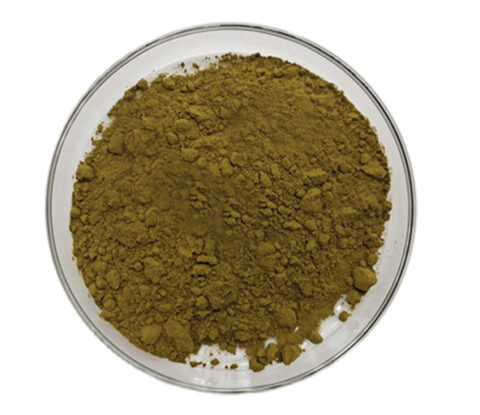
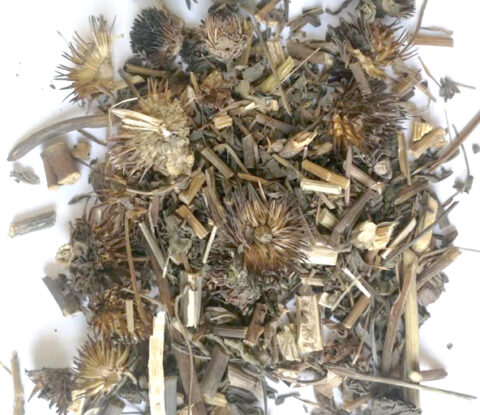
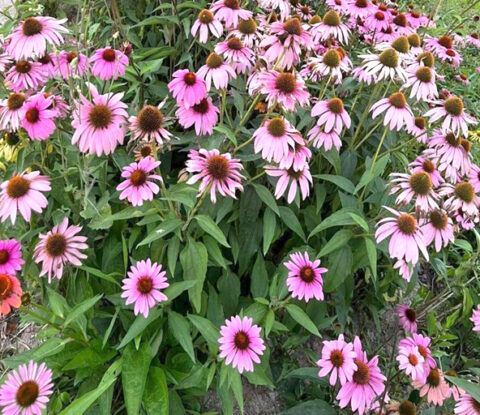


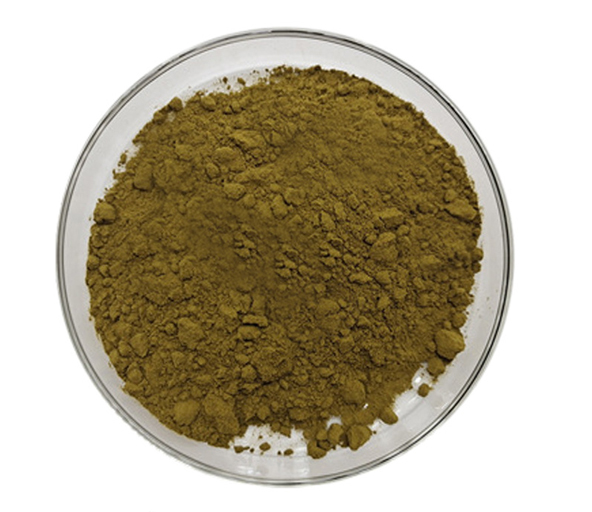
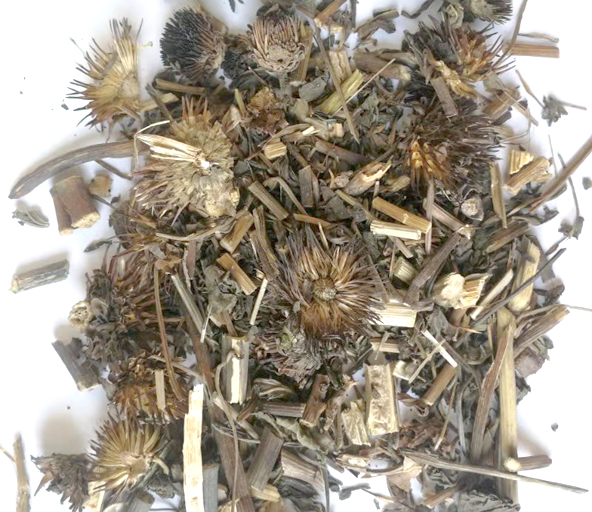
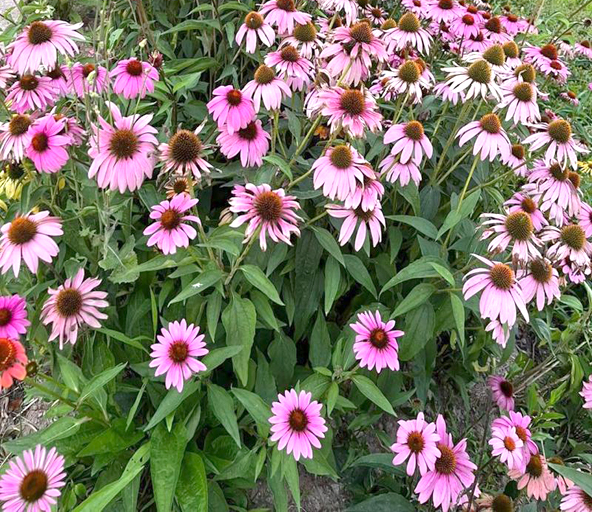
The main active substances of Echinochloa purpurea extract include chicory acid, polysaccharides, polyphenols, and caffeic acid derivatives. This extract has various biological activities such as immune regulation, anti-inflammatory, antibacterial, and antiviral. A 2024 study showed that its chloroform extract exhibited immune recovery function in mouse experiments.

Echinacea Purpurea Extract Powder with 4% polyphenols, 4% Chicory Acid
【Other names】: Purple coneflower, Brauneria purpurea, Helichroa purpurea, Lepachys purpurea
Rudbeckia purpurea, coneflower, purple rudbeckia, black sampson, rudbeckia, sampson root
【Botanical source】: Echinacea purpurea (Linn.) Moench
【Part used】: Echinochloa purpurea is a perennial herbaceous plant in the Asteraceae family, native to the Americas. Its inflorescence is pinecone shaped, and it includes two main medicinal varieties: Echinochloa purpurea and Echinochloa angustifolia. The aboveground parts (flowers, stems, leaves) and roots are rich in active ingredients, and standardized extracts are obtained after extraction with ethanol water mixed solvents.
【Specification】: 4% polyphenol UV; 4% chicory acid HPLC
【Appearance】: Brownish yellow fine powder
【Particle size】: 95% pass 80 mesh size

Echinacea Purpurea Extract Powder Production Flowchart
Echinacea Purpurea raw materials -Coarse powder(40 mesh) -Low temperature water extraction – 1st Reflux Extraction(10 times water,2 Hrs) – 2nd Reflux Extraction8 times water,1.5 Hrs) – 3rd Reflux Extraction(6 times water,1 Hrs) – Extraction Solution-combine&Filtrate-Concentrate-Extractum-spray drying – screening – packaging – detection of physical and chemical indicators – warehousing
Specification Sheet of Echinacea Purpurea Extract Powder
| Product name: | Echinacea Purpurea Extract | ||
| Specification: | 4% polyphenol UV | ||
| Part used: | Dried whole plants of Echinacea purpurea | ||
| Solvent used: | Hot water | ||
| Process: | Raw materials crushed, extracted, concentrated and spray-dried to powder | ||
| Non GMO according to regulation (EC) 1829/2003 and 1830/2003 or United States requirements. Non allergen according to Directive 2007/68 amending Annex IIIa to Directive 2000/13/EC and US Food allergen labelling and consumer protection act 2004. | |||
| Heavy Metals: | |||
| Lead: | NMT 3ppm | Cadmium: | NMT 1ppm |
| Arsenic: | NMT 2ppm | Mercury: | NMT 1ppm |
| Residual solvents: | Comply to USP | ||
| Pesticides residues: | Conform to Regulation USP<561> | ||
| Microbiology: | |||
| Total plate count: | 10000cfu/g Max | Yeasts and molds: | 1000cfu/g Max |
| E.coli: | Not detected in (g)10 | Salmonella spp.: | Not detected in (g)25 |
| Staphylococcus aureus: | Not detected in (g)10 | Clostridium spp.: | Not Present in 0.1 g of food |
| Organoleptic quality | Method | Specifications | |
| Aspect: | Visual : ( CQ-MO-148) | Powder | |
| Color: | Visual : ( CQ-MO-148) | Brownish | |
| Flavor: | Sensory: (CQ-MO-148) | Characteristic | |
| Analytical quality | Method | Specifications | |
| Identification: | TLC | Conform | |
| Loss on drying: | USP <731> | < 10% | |
| Bulk density: | USP <616> Method I | 40 – 60 g/100mL | |
| Particle size: | Analytical sieving || USP <786> | 100% through 80meshes | |
| Packaging suitable for foodstuff. | |||
Extended Reading
Modern Pharmacological Effects of Echinochloa Purpurea Extract
Echinacea is one of the widely researched and applied herbs internationally, especially in European and American countries, widely used to enhance immunity and prevent colds. The modern pharmacological effects of its extract have been extensively studied, mainly focusing on its two core functions of immune regulation and anti-inflammatory. The pharmacological effects of Echinochloa purpurea are the result of the synergistic effects of its various components, mainly including:
Alkyl amide: considered the most important immune active ingredient, lipophilic, can directly stimulate immune cells. It is also the main substance that produces a tingling sensation in the mouth and tongue.
Polysaccharides, especially chicory acid polysaccharides, have significant immunostimulatory activity.
Caffeic acid derivatives, such as chicory acid, have antiviral, anti-inflammatory, and antioxidant effects.
Polyphenolic compounds: provide antioxidant properties.
Core pharmacological effects: immune regulation and anti infection
This is the most famous and extensively studied function of Echinochloa purpurea.
1.Non specific immune enhancement effect
Activation of macrophages: The active ingredients in Echinochloa purpurea, such as alkylamides, polysaccharides, and chicory acid, can significantly activate macrophages, enhancing their ability to engulf and clear pathogens such as bacteria and viruses.
Promoting cytokine release: It can stimulate immune cells (such as monocytes and macrophages) to release important signaling molecules, such as tumor necrosis factor alpha, interleukin-1, interleukin-6, and interferon, thereby initiating and coordinating the response of the entire immune system.
Enhance natural killer cell activity: Improve the ability of NK cells to recognize and destroy virus-infected or abnormal cells.
2.Antiviral effect
Direct inhibition of viruses: Some studies have shown that its components (especially chicory acid) may have a certain interfering effect on the envelope of influenza viruses, herpes viruses, etc.
Indirect antiviral: The main way is through the immune enhancement effect mentioned above, which helps the body to clear the virus faster and more effectively. Numerous clinical studies have shown that taking echinacea in the early stages of a cold can shorten the course of the disease and reduce the severity of symptoms.
3.Antibacterial and anti-inflammatory
It has broad-spectrum antibacterial activity and can inhibit the growth of bacteria such as Staphylococcus aureus and Streptococcus pyogenes.
Its anti-inflammatory effect helps alleviate respiratory mucosal inflammation caused by infection, such as sore throat, cough, etc.
Other pharmacological effects
1.Anti inflammatory and antioxidant
Echinochloa purpurea extract can inhibit key inflammatory enzymes such as cyclooxygenase and lipoxygenase, and reduce the production of inflammatory mediators such as prostaglandins and leukotrienes.
Rich in polyphenolic compounds, it has the ability to scavenge free radicals and alleviate oxidative stress damage.Promote wound healing
Traditionally, external application has been used to treat wounds, burns, and skin infections. Modern research has confirmed that it can stimulate fibroblast proliferation, increase collagen synthesis, and promote local tissue repair and regeneration due to its anti-inflammatory and immunostimulatory effects.
3.Potential anti-tumor adjuvant effects
Some in vitro and animal studies have shown that its immune activating properties may help the body fight against tumor cells or alleviate immune suppression caused by radiotherapy and chemotherapy. But this is still in the research stage and cannot replace conventional cancer treatment.
Clinical application and precautions
Main applications:
Prevention and early treatment of common cold and upper respiratory tract infections.
Support immune system function, suitable for temporary immune dysfunction caused by stress, fatigue, etc.
External use: Adjuvant treatment for minor skin injuries, mild infections, and inflammation (such as acne).
Notes and Disputes
The best time to use: It is generally believed that the best effect is to use it immediately when symptoms of a cold or infection first appear, rather than as a regular supplement taken daily for a long time.
Long term use effect: Studies suggest that continuous use for more than 8 weeks may lead to a decrease in effectiveness.
Taboo population:
Patients with autoimmune diseases such as rheumatoid arthritis, lupus erythematosus, and multiple sclerosis should avoid using it to prevent excessive activation of the immune system and worsening of the condition.
People who are allergic to Asteraceae plants.
Patients with tuberculosis, AIDS and other diseases with overactive immune system.
Pregnant women, breastfeeding women, and children should consult a doctor before use.
Interactions with drugs: Drugs that may affect liver cytochrome P450 enzyme metabolism (such as some antifungal drugs and chemotherapy drugs) should be used with caution when used in combination.
Summary
The modern pharmacological core of Echinochloa purpurea extract is “immunomodulatory agent”. It activates the body’s innate immune system (especially macrophages and cytokine networks) through multiple components and targets, thereby playing a role in preventing and assisting in the fight against infections (especially viral infections). Although there is still academic discussion on its specific mechanism of action and optimal usage plan, a large amount of research and traditional usage experience support its effectiveness in early management of respiratory infections. When using, attention should be paid to its indications and contraindications, especially in cases related to autoimmunity.