
Elderberry Fruit Extract Powder 10:1, 20:1, 50:1 TLC, Elderberry Instant Powder
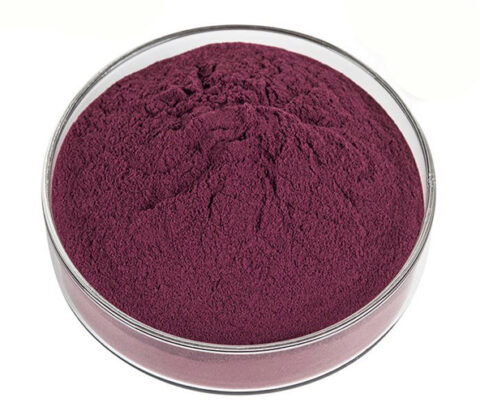
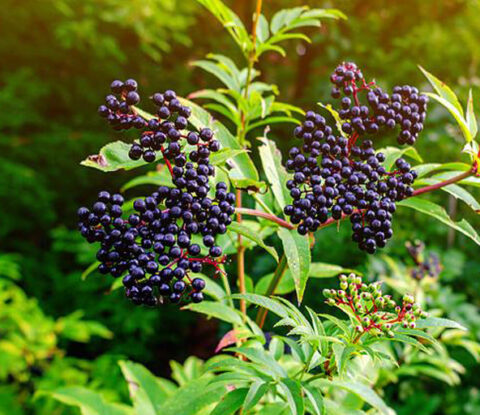


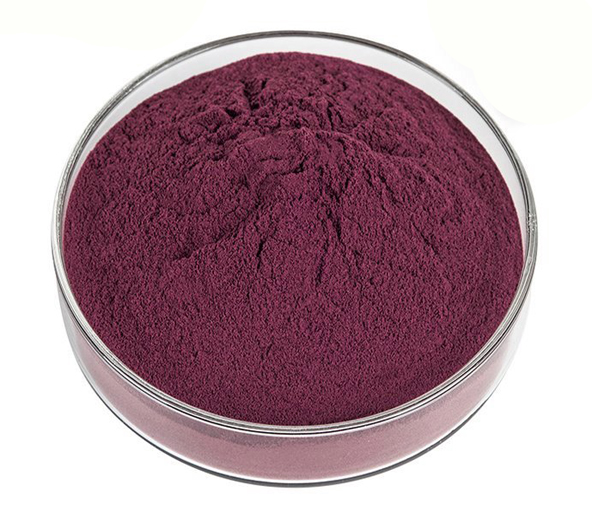
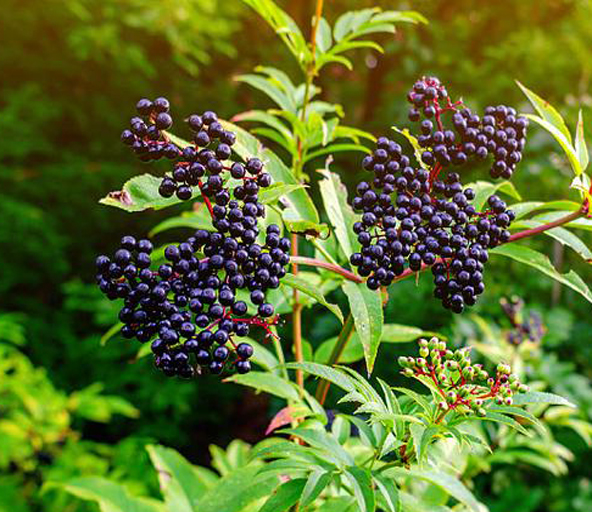
The modern pharmacological efficacy of elderberry lies in its antiviral and immunomodulatory effects. Its rich anthocyanin and flavonoid compounds can effectively inhibit the replication and adsorption of respiratory viruses such as influenza virus. Clinical studies have confirmed that it can significantly shorten the course of colds and flu, and alleviate symptoms. Meanwhile, it exerts potent antioxidant and anti-inflammatory activities by regulating cytokine release.

Elderberry Fruit Extract Powder 10:1, 20:1, 50:1 TLC, Elderberry Instant Powder
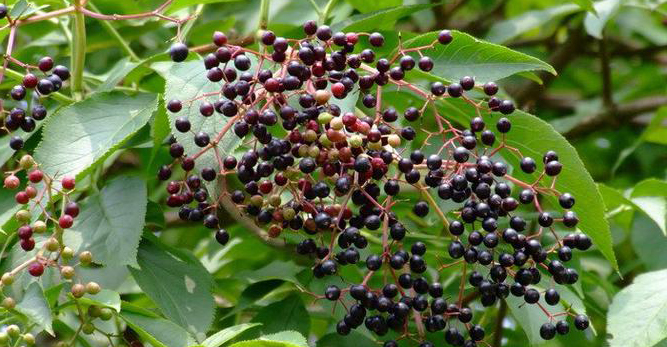
【Botanical source】: Sambucus nigra L.
【Part used】: Fruit
【Specification】: 10:1 TLC, Elderberry instant powder
【Extraction solvents】: Water
【Appearance】: Purple red fine powder
【Particle size】: 95% pass 80 mesh size
【Main ingredients】: The main components of elderberry are flavonoids (such as quercetin and kaempferol glycosides) and anthocyanins (cyanidin-3-glucoside). Its berries are also rich in vitamin C and phenolic acids. These components together form the material basis for its antioxidant, antiviral (especially influenza virus), and immune regulatory effects.
【Storage conditions】:Store at room temperature in a sealed manner, away from light, and in a ventilated, cool, and dry environment.
【Shelf life】: 24 months from the production date
Elderberry Fruit Extract Powder Production Flowchart
Elderberry Fruit raw materials -Coarse powder(40 mesh) -Low temperature water extraction – 1st Reflux Extraction(10 times water,2 Hrs) – 2nd Reflux Extraction8 times water,1.5 Hrs) – 3rd Reflux Extraction(6 times water,1 Hrs) – Extraction Solution-combine&Filtrate-Concentrate-Extractum-spray drying – screening – packaging – detection of physical and chemical indicators – warehousing
Specification Sheet of Elderberry Fruit Extract Powder
| Product name: | Elderberry Fruit Extract | ||
| Specification: | 10:1 TLC | ||
| Part used: | Fruit of Sambucus nigra L. | ||
| Solvent used: | Water | ||
| Process: | Raw materials crushed, extracted, concentrated and spray-dried to powder | ||
| Non GMO according to regulation (EC) 1829/2003 and 1830/2003 or United States requirements. Non allergen according to Directive 2007/68 amending Annex IIIa to Directive 2000/13/EC and US Food allergen labelling and consumer protection act 2004. | |||
| Heavy Metals: | |||
| Lead: | NMT 3ppm | Cadmium: | NMT 1ppm |
| Arsenic: | NMT 2ppm | Mercury: | NMT 1ppm |
| Residual solvents: | Comply to USP | ||
| Pesticides residues: | Conform to Regulation USP<561> | ||
| Microbiology: | |||
| Total plate count: | 10000cfu/g Max | Yeasts and molds: | 1000cfu/g Max |
| E.coli: | Not detected in (g)10 | Salmonella spp.: | Not detected in (g)25 |
| Staphylococcus aureus: | Not detected in (g)10 | Clostridium spp.: | Not Present in 0.1 g of food |
| Organoleptic quality | Method | Specifications | |
| Aspect: | Visual : ( CQ-MO-148) | Powder | |
| Color: | Visual : ( CQ-MO-148) | Purple red | |
| Flavor: | Sensory: (CQ-MO-148) | Characteristic | |
| Analytical quality | Method | Specifications | |
| Identification: | TLC | Conform | |
| Loss on drying: | USP <731> | < 10% | |
| Bulk density: | USP <616> Method I | 40 – 60 g/100mL | |
| Particle size: | Analytical sieving || USP <786> | 100% through 80meshes | |
| Packaging suitable for foodstuff. | |||
Extended Reading
Modern Research Summary on Elderberry (Sambucus nigra L.) Extract
Elderberry, particularly from the European black elder (Sambucus nigra L.), is a prominent functional food and supplement, with research primarily focused on its antiviral and immunomodulatory properties.
- Chemical Components:
The bioactive profile is complex and varies between berries, flowers, and other plant parts. Key compounds include:
- Anthocyanins: The primary pigments and key actives, mainly cyanidin-3-sambubioside and cyanidin-3-glucoside, responsible for antioxidant effects and likely contributing to antiviral activity.
- Flavonols: Such as quercetin, rutin, isoquercetin, and kaempferol glycosides.
- Phenolic Acids: Including chlorogenic acid and its derivatives.
- Lectins & Proteins: Sambucus nigra agglutinins (SNA-I to SNA-V) in raw berries/ bark, which are inactivated by heating; some possess antiviral properties.
- Other: Essential fatty acids, vitamins (A, C), and minerals. Note: Leaves, stems, and uncooked berries contain cyanogenic glycosides (sambunigrin), which can release cyanide.
- Health Benefits (Pharmacological Activities):
- Antiviral Activity: Most well-substantiated benefit. In vitro and some clinical studies show efficacy against influenza viruses (A & B) and possibly other respiratory viruses. Proposed mechanisms include hemagglutinin inhibition (blocking viral entry), modulation of post-infection cytokine release, and stimulation of the immune system.
- Immunomodulation: Extract enhances cytokine production (IL-1β, TNF-α, IL-6, IL-8) in human monocytes, suggesting it may bolster innate immune response. Anthocyanins possess strong antioxidant capacity, reducing oxidative stress.
- Anti-inflammatory: Modulates inflammatory pathways, potentially beneficial for chronic inflammatory conditions.
- Cardiometabolic Health: Preliminary research indicates potential benefits for improving lipid profiles, reducing blood pressure, and vascular function due to polyphenol content.
- Interactions & Warnings:
- Drug Interactions: Theoretical interaction with diuretics (elderberry may have mild diuretic effect). May potentiate immunosuppressant drugs due to immunostimulant effects. Caution with laxatives or diabetes medications (may affect bowel movements and blood sugar).
- Contraindications/Warnings: Absolute contraindication: Consumption of raw or unripe berries, bark, or leaves due to cyanogenic glycosides, causing nausea, vomiting, and severe diarrhea. Autoimmune diseases (e.g., rheumatoid arthritis, lupus) – use with caution due to immune stimulation. Pregnancy/Lactation: Insufficient safety data; avoid due to purgative properties and lack of conclusive studies.
- Side Effects: Well-tolerated when processed correctly. Mild gastrointestinal discomfort is possible.
- Applications:
- Dietary Supplements/Nutraceuticals: Marketed primarily for immune support, cold, and flu relief in syrups, gummies, capsules, and lozenges.
- Functional Foods & Beverages: Used as a natural colorant and flavoring in jams, juices, wines, and teas (flowers).
- Cosmetics: Topical applications for skin antioxidants and anti-aging.
References:
- Hawkins, J., et al. (2019). Complementary Therapies in Medicine. “Black elderberry (Sambucus nigra) supplementation effectively treats upper respiratory symptoms: A meta-analysis of randomized, controlled clinical trials.”
- Torabian, G., et al. (2019). Journal of Functional Foods. “Anti-influenza activity of elderberry (Sambucus nigra L.).”
- Włodarczyk, M., et al. (2022). Molecules. “Bioactive Compounds and Health-Promoting Properties of Elderberry (Sambucus nigra L.).”
- Porter, R. S., & Bode, R. F. (2017). Journal of International Medical Research. “A review of the antiviral properties of black elderberry (Sambucus nigra L.) products.”
- European Medicines Agency (EMA). (2014). “Assessment report on Sambucus nigra L., fructus.”
Note: This summary is for informational purposes. It may interact with medications and is contraindicated in certain conditions. Consult a healthcare professional before therapeutic use, particularly regarding its estrogenic activity.