
Epimedium (Yin Yang Huo) Extract Powder 10:1, 20:1, 50:1 TLC




The functions of Epimedium in traditional Chinese medicine include tonifying kidney yang, strengthening muscles and bones, and dispelling wind and dampness. Used for kidney yang deficiency, erectile dysfunction and nocturnal emissions, muscle and bone weakness, rheumatism and pain, numbness and spasms.

Epimedium (Yin Yang Huo) Extract Powder 10:1, 20:1, 50:1 TLC
【Other names】: Yin Yang Huo, Herba Epimedii, Xian Ling Pi, Epimedium Herb, Horny goat weed
【Botanical source】: Epimedium brevicornu Maxim, Epimedium sagittatum(Sieb. et Zucc.)Maxim, Epimedium pubescens Maxim, Epimedium koreanum Nakai
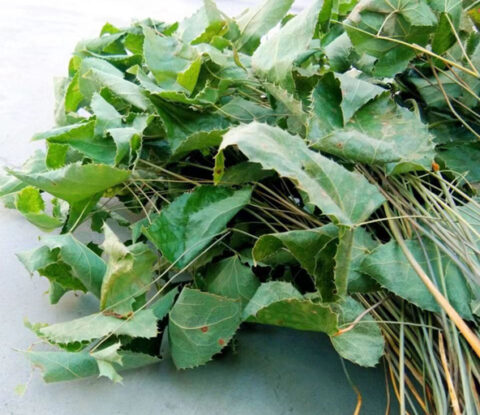
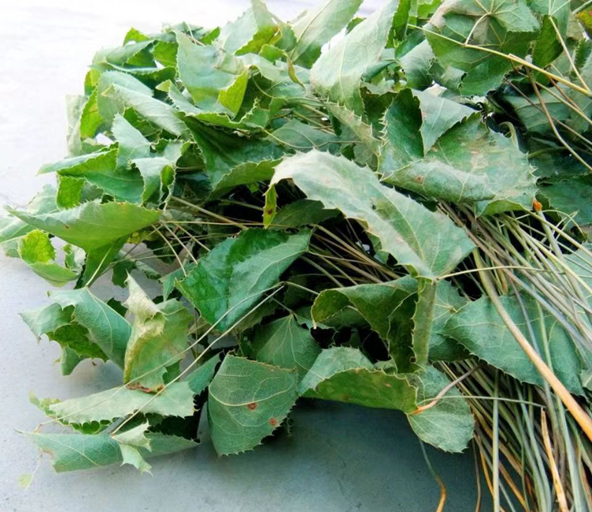
【Part used】: Dried whole plants of Epimedium brevicornu Maxim, Epimedium sagittatum (Sieb. et Zucc.) Maxim, Epimedium pubescens Maxim, or Epimedium koreanum Nakai in the Berberidaceae family. Harvested in summer and autumn when the stems and leaves are lush, dried in the sun or shade.
【Specification】: 10:1, 20:1, 50:1 TLC
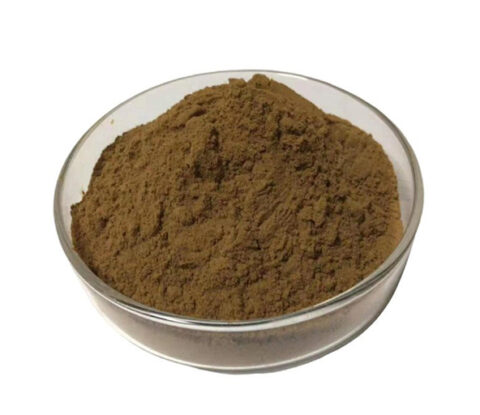
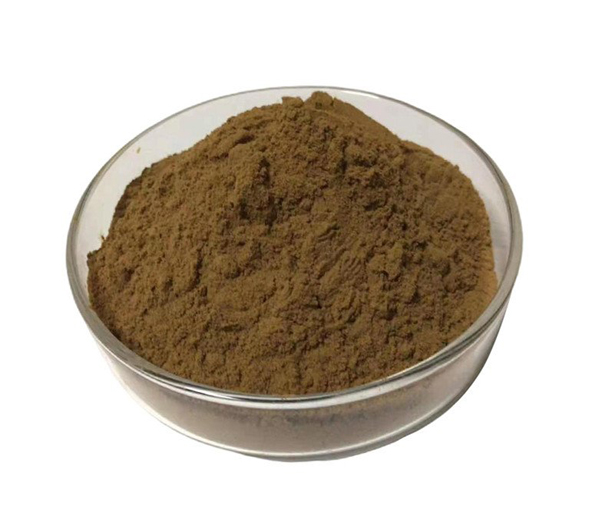
【Appearance】: Brownish yellow fine powder
【Particle size】: 95% pass 80 mesh size
Epimedium (Yin Yang Huo) Extract Powder Production Flowchart
Epimedium (Yin Yang Huo) raw materials – natural air drying–Coarse powder(40 mesh) -Low temperature water extraction – 1st Reflux Extraction(10 times water,2 Hrs) – 2nd Reflux Extraction8 times water,1.5 Hrs) – 3rd Reflux Extraction(6 times water,1 Hrs) – Extraction Solution-combine&Filtrate-Concentrate-Extractum-spray drying – screening – packaging – detection of physical and chemical indicators – warehousing

Specification Sheet of Epimedium (Yin Yang Huo) Extract Powder
| Product name: | Epimedium Extract | ||
| Specification: | 10:1 TLC | ||
| Part used: | Dried whole herb of Epimedium brevicornu Maxim | ||
| Solvent used: | Hot water | ||
| Process: | Raw materials crushed, extracted, concentrated and spray-dried to powder | ||
| Non GMO according to regulation (EC) 1829/2003 and 1830/2003 or United States requirements. Non allergen according to Directive 2007/68 amending Annex IIIa to Directive 2000/13/EC and US Food allergen labelling and consumer protection act 2004. | |||
| Heavy Metals: | |||
| Lead: | NMT 3ppm | Cadmium: | NMT 1ppm |
| Arsenic: | NMT 2ppm | Mercury: | NMT 1ppm |
| Residual solvents: | Comply to USP | ||
| Pesticides residues: | Conform to Regulation USP<561> | ||
| Microbiology: | |||
| Total plate count: | 10000cfu/g Max | Yeasts and molds: | 1000cfu/g Max |
| E.coli: | Not detected in (g)10 | Salmonella spp.: | Not detected in (g)25 |
| Staphylococcus aureus: | Not detected in (g)10 | Clostridium spp.: | Not Present in 0.1 g of food |
| Organoleptic quality | Method | Specifications | |
| Aspect: | Visual : ( CQ-MO-148) | Powder | |
| Color: | Visual : ( CQ-MO-148) | Brownish | |
| Flavor: | Sensory: (CQ-MO-148) | Characteristic | |
| Analytical quality | Method | Specifications | |
| Identification: | TLC | Conform | |
| Loss on drying: | USP <731> | < 10% | |
| Bulk density: | USP <616> Method I | 40 – 60 g/100mL | |
| Particle size: | Analytical sieving || USP <786> | 100% through 80meshes | |
| Packaging suitable for foodstuff. | |||
Extended Reading
Epimedium (Yin Yang Huo) Function and Efficacy Recorded in TCM
Epimedium, also known as “Fairy Spirit Spleen”, is a very famous traditional Chinese medicine for tonifying the kidneys and strengthening yang. In traditional Chinese medicine theory, it has a pungent, sweet, and warm nature, and belongs to the liver and kidney meridians. Its core function is to “tonify kidney yang, strengthen muscles and bones, and dispel wind and dampness”. The following is a detailed breakdown of its specific function:
1. Tonifying the kidney and strengthening yang
This is the most well-known function of Epimedium.
Regarding the symptoms:
Erectile dysfunction, nocturnal emission, premature ejaculation, and infertility caused by kidney yang deficiency.
Urinary frequency and enuresis caused by insufficient kidney qi.
Menstrual disorders, dysmenorrhea, and infertility caused by uterine coldness.
Mechanism: Traditional Chinese Medicine believes that the kidneys are responsible for reproduction and contain Yuan Yang. Epimedium has a warm nature and can warm and nourish kidney yang, stimulate kidney function, and thus improve functional decline related to the reproductive system. Epimedium is contained in the famous traditional Chinese patent medicines and simple preparations “Guilingji” and “Wuzi Yanzong Pill”.
2. Strengthen muscles and bones
Regarding the symptoms:
Kidney deficiency causes soreness, weakness, and pain in the waist and knees.
Osteoporosis and osteophyte formation are particularly common in middle-aged and elderly people.
Mechanism: Traditional Chinese Medicine believes that “the kidney governs the bones and generates marrow”, while the liver governs the tendons. Epimedium enters the liver and kidney meridians, and strengthens bones and tendons by nourishing the liver and kidneys. Modern pharmacological research has also confirmed that Epimedium can promote bone formation and inhibit bone resorption, thus having a positive effect on preventing and treating osteoporosis.
3. Remove wind and dampness
Regarding the symptoms:
Wind cold dampness rheumatism, especially joint pain, numbness, and difficulty in flexion and extension that are prone to cold dampness. Commonly seen in rheumatoid arthritis, osteoarthritis, etc.
Mechanism: Its pungent and warm dispersing properties can dispel wind, cold, and dampness pathogens trapped between joints and muscles, thereby relieving pain and relieving rheumatism. For rheumatism and rheumatism caused by kidney yang deficiency, which makes it more susceptible to wind and cold invasion, the effect is particularly good.
4. Other auxiliary functions
Regulating blood pressure: Modern research has found that Epimedium has a bidirectional blood pressure regulating effect, which has a certain improvement effect on both hypertension and hypotension.
Improving cardiovascular function: can dilate coronary arteries and improve myocardial blood supply.
Enhancing immunity: It has the effect of improving the non-specific and specific immune functions of the body.
Anti aging and cognitive improvement: Some studies have shown that it has antioxidant effects and may be beneficial for improving memory and anti-aging.
Modern Pharmacological Effects of Epimedium (Yin Yang Huo)
The main active ingredients of Epimedium are icariin and other flavonoids, which are the material basis for its various pharmacological effects.
The following are the main modern pharmacological effects of Epimedium:
1. Effects on the reproductive system
Promoting the secretion of sex hormones: Epimedium can stimulate the function of the pituitary adrenal gonadal axis and promote the secretion of sex hormones such as testosterone and estradiol.
Improving sexual function: Epimedium glycoside can dilate blood vessels, especially increasing blood flow to the penis and uterus, thereby improving erectile function and libido. This directly corresponds to the traditional efficacy of “strengthening yang”.
Protecting reproductive cells: It has a positive promoting effect on the vitality and quantity of sperm, and can protect testicular tissue from damage. For women, it can improve ovarian function.
2. Effects on the skeletal system
This is a very prominent field in modern research on Epimedium.
Promoting bone formation: Epimedium can significantly promote the proliferation and differentiation of osteoblasts, stimulate the synthesis of bone matrix, and thus increase bone density.
Inhibition of bone resorption: It can inhibit the generation and activity of osteoclasts, slowing down the loss of calcium in the bones.
Prevention and treatment of osteoporosis: Epimedium is widely used in the prevention and treatment of postmenopausal osteoporosis and senile osteoporosis through its bidirectional regulatory effect of “promoting formation and inhibiting absorption”. It is a representative traditional Chinese medicine for treating osteoporosis.
3. Effects on the cardiovascular system
Protecting myocardium: It can dilate coronary arteries, increase coronary blood flow, improve myocardial ischemia and hypoxia, and has a protective effect on myocardial injury.
Regulating blood pressure: It has a mild antihypertensive effect, and its mechanism may be related to the dilation of surrounding blood vessels.
Anti heart failure: can enhance myocardial contractility, improve cardiac pumping function, and have an adjuvant therapeutic effect on chronic heart failure.
4. Immune regulatory effect
Enhance immunity: Epimedium can enhance the body’s non-specific and specific immunity (including cellular and humoral immunity). It can promote the phagocytic ability of macrophages and stimulate the proliferation and differentiation of T lymphocytes and B lymphocytes.
Bidirectional regulation: It can enhance the immune function of individuals with low immunity; For certain autoimmune diseases, it also exhibits certain immunosuppressive effects, reflecting the characteristics of bidirectional regulation.
5. Anti aging and neuroprotective effects
Antioxidant: Epimedium glycoside has a strong ability to scavenge free radicals and resist oxidation, reducing the damage of oxidative stress to cells.
Delaying cellular aging: Studies have shown that it can prolong the lifespan of cells, such as those with telomerase activity.
Neuroprotection: It can improve learning and memory abilities and has potential improvement effects on neurodegenerative diseases such as Alzheimer’s disease and Parkinson’s disease. The mechanism may be related to inhibiting neuronal apoptosis and reducing β – amyloid deposition.
6. Antitumor effect
Inducing apoptosis of tumor cells: Epimedium glycoside can induce apoptosis of various tumor cells such as lung cancer, liver cancer, and gastric cancer through multiple signaling pathways.
Inhibiting tumor cell proliferation and metastasis: It can inhibit the proliferation, invasion, and metastasis ability of tumor cells.
Enhanced efficacy and reduced toxicity: When used in combination with chemotherapy drugs, it can enhance their anti-cancer effect while reducing side effects such as bone marrow suppression and immune decline caused by chemotherapy.
7. Anti inflammatory effect
Epimedium extract can effectively inhibit the production and release of various inflammatory factors (such as TNF – α, IL-6, etc.), thereby exerting anti-inflammatory effects, which is related to its traditional “dispelling wind and dampness” effect.