
Fennel Extract Powder 10:1 20:1 50:1 TLC
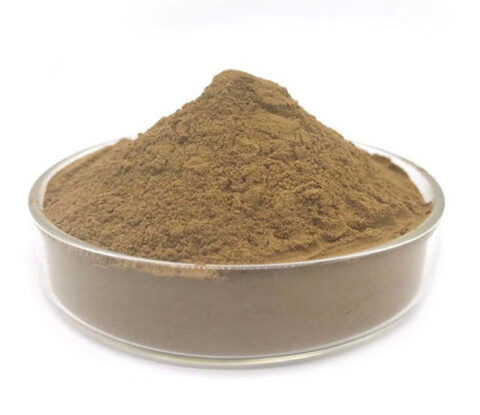
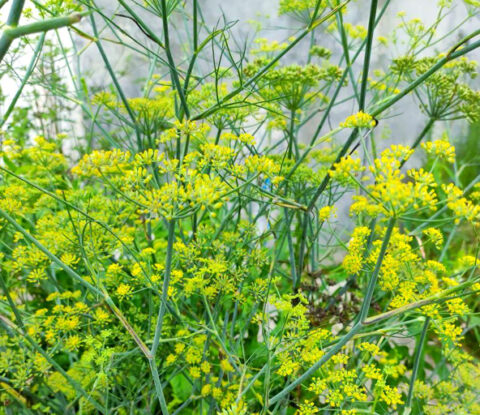
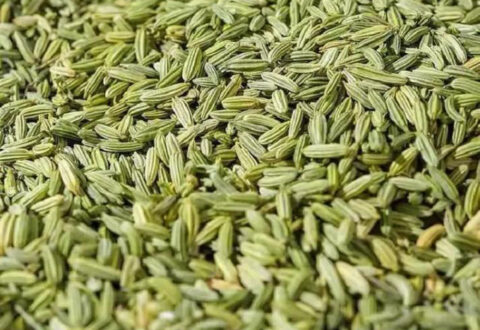


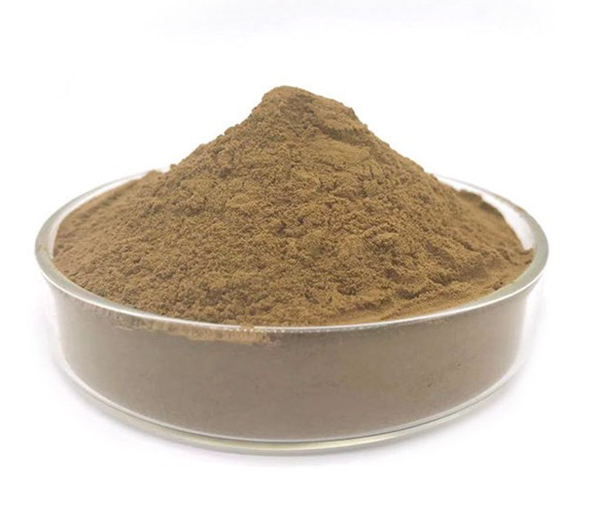
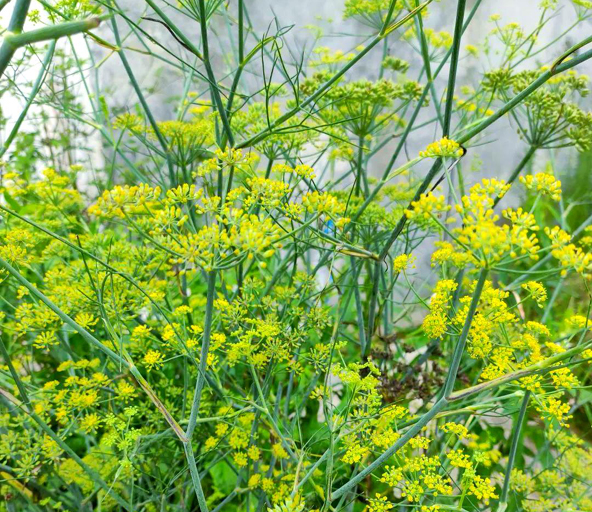
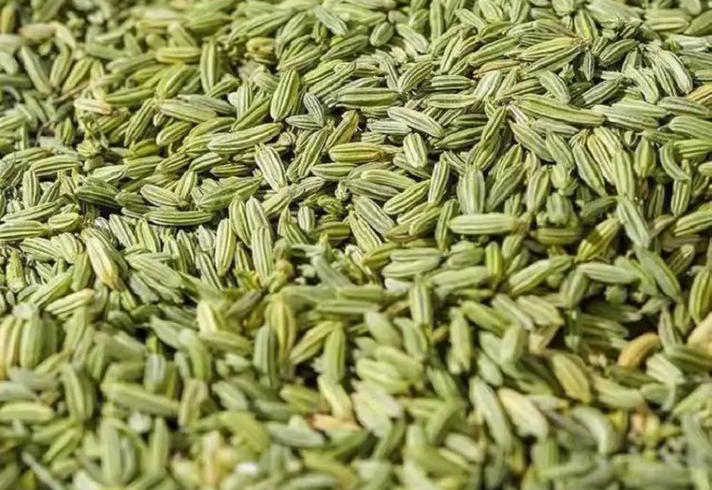
The main functions of fennel extract are to dispel cold and relieve pain, regulate qi and stomach. It is suitable for cold hernia and abdominal pain, testicular prolapse, testicular hydrocele, dysmenorrhea, oligoabdominal cold pain, epigastric distension and pain, as well as eating less and vomiting diarrhea.

Fennel Extract Powder 10:1 20:1 50:1 TLC
【Botanical source】: Foeniculum vulgare Mill.
【Part used】: Seeds
【Specification】: 10:1 20:1 50:1 TLC
【Appearance】: Brownish yellow fine powder
【Extraction solvents】: Water
【Particle size】: 95% pass 80 mesh size
【Main ingredients】: Fennel is a common spice and medicinal plant, mainly composed of volatile oils (such as anise ether and anise aldehyde), flavonoids, vitamin C, minerals (potassium, calcium, etc.), and dietary fiber. Its core functions include promoting digestion, relieving gastrointestinal spasms, anti-inflammatory and antibacterial effects, and regulating female hormone levels. It is widely used in dietary therapy and traditional medicine. The main components of fennel include:
1.Volatile oil (accounting for about 3% -6%)
Mainly composed of anise ether and anise aldehyde, it has a unique aromatic odor and is a key component in the pharmacological effects of fennel.
2.Flavonoids
Quercetin and kaempferol have antioxidant and anti-inflammatory properties.
3.Vitamins and minerals
The content of vitamin C is high, and elements such as potassium and calcium help maintain electrolyte balance.
4.Dietary fiber
Promote intestinal peristalsis and improve constipation problems.
【Storage conditions】:Store at room temperature in a sealed manner, away from light, and in a ventilated, cool, and dry environment.【Shelf life】: 24 months from the production date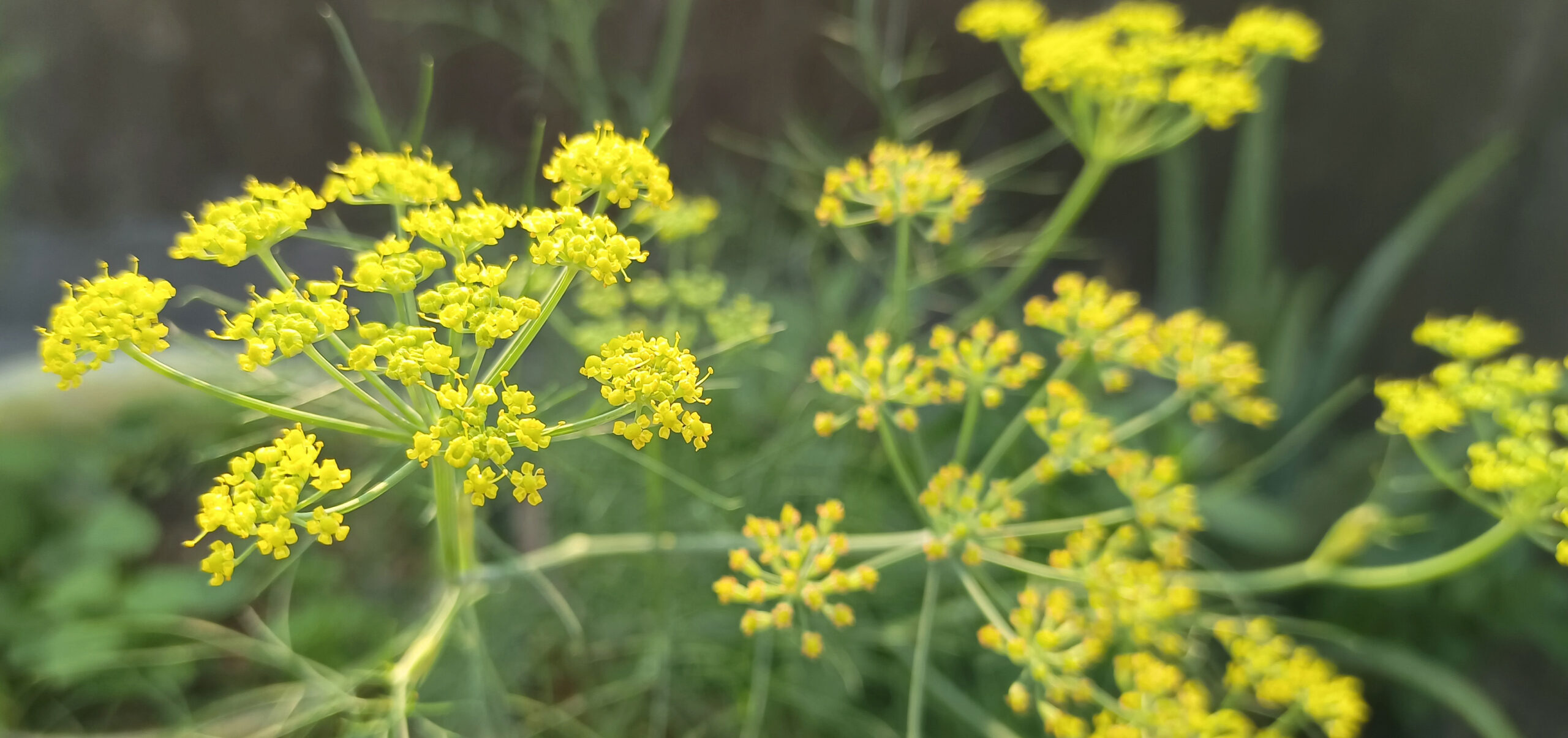
Fennel Extract Powder Production Flowchart
Fennel seeds raw materials -Coarse powder(40 mesh) -Low temperature water extraction – 1st Reflux Extraction(10 times water,2 Hrs) – 2nd Reflux Extraction8 times water,1.5 Hrs) – 3rd Reflux Extraction(6 times water,1 Hrs) – Extraction Solution-combine&Filtrate-Concentrate-Extractum-spray drying – screening – packaging – detection of physical and chemical indicators – warehousing
Specification Sheet of Fennel Extract Powder
| Product name: | Fennel Extract | ||
| Specification: | 10:1 TLC | ||
| Part used: | Seeds of Foeniculum vulgare Mill. | ||
| Solvent used: | Water | ||
| Process: | Raw materials crushed, extracted, concentrated and spray-dried to powder | ||
| Non GMO according to regulation (EC) 1829/2003 and 1830/2003 or United States requirements. Non allergen according to Directive 2007/68 amending Annex IIIa to Directive 2000/13/EC and US Food allergen labelling and consumer protection act 2004. | |||
| Heavy Metals: | |||
| Lead: | NMT 3ppm | Cadmium: | NMT 1ppm |
| Arsenic: | NMT 2ppm | Mercury: | NMT 1ppm |
| Residual solvents: | Comply to USP | ||
| Pesticides residues: | Conform to Regulation USP<561> | ||
| Microbiology: | |||
| Total plate count: | 10000cfu/g Max | Yeasts and molds: | 1000cfu/g Max |
| E.coli: | Not detected in (g)10 | Salmonella spp.: | Not detected in (g)25 |
| Staphylococcus aureus: | Not detected in (g)10 | Clostridium spp.: | Not Present in 0.1 g of food |
| Organoleptic quality | Method | Specifications | |
| Aspect: | Visual : ( CQ-MO-148) | Powder | |
| Color: | Visual : ( CQ-MO-148) | Brownish | |
| Flavor: | Sensory: (CQ-MO-148) | Characteristic | |
| Analytical quality | Method | Specifications | |
| Identification: | TLC | Conform | |
| Loss on drying: | USP <731> | < 10% | |
| Bulk density: | USP <616> Method I | 40 – 60 g/100mL | |
| Particle size: | Analytical sieving || USP <786> | 100% through 80meshes | |
| Packaging suitable for foodstuff. | |||
Extended Reading
Modern Pharmacological Research on Fennel (Foeniculum vulgare) Extract
- Active Constituents
The primary bioactive compounds in fennel vary by plant part and chemotype:
- Essential Oil Components: Trans-anethole (50-80%), fenchone (5-20%), estragole (methyl chavicol; variable, often <10%), limonene, α-pinene
- Flavonoids: Rutin, quercetin, kaempferol, and their glycosides
- Phenolic Acids: Chlorogenic acid, rosmarinic acid, caffeic acid derivatives
- Coumarins: Bergapten, imperatorin
- Phytosterols: Stigmasterol, β-sitosterol
- Fixed Oil Components: Petroselinic acid (major fatty acid), linoleic acid
- Key Pharmacological Activities
- Gastrointestinal and Antispasmodic Effects
- Smooth Muscle Relaxation: Demonstrated in isolated ileum and tracheal preparations; mediated through calcium channel blockade and anticholinergic mechanisms
- Clinical Applications: Symptomatic relief of irritable bowel syndrome (IBS), infantile colic, and dyspepsia
- Mechanism: Anethole and fenchone act as spasmolytics on intestinal smooth muscle; essential oil reduces visceral hypersensitivity
- Estrogenic and Galactagogue Activity
- Phytoestrogenic Effects: Anethole derivatives show estrogen receptor binding and mild estrogen-mimetic activity
- Clinical Evidence: Several studies support efficacy in reducing menopausal symptoms (hot flashes, vaginal dryness) and primary dysmenorrhea
- Galactagogue Action: Traditionally used to promote lactation; limited clinical evidence suggests possible prolactin modulation
- Antimicrobial and Antifungal Properties
- Broad-Spectrum Activity: Essential oil demonstrates efficacy against Gram-positive and Gram-negative bacteria, including drug-resistant strains, and Candida species
- Mechanisms: Membrane disruption, inhibition of biofilm formation, and virulence factor suppression
- Synergistic Effects: Enhances activity of conventional antibiotics like ciprofloxacin and fluconazole
- Antioxidant and Anti-inflammatory Effects
- Potent Free Radical Scavenging: High phenolic content confers significant activity in ORAC, DPPH, and FRAP assays
- Anti-inflammatory Mechanisms:
- Inhibition of cyclooxygenase-2 (COX-2), lipoxygenase (LOX), and inducible nitric oxide synthase (iNOS)
- Downregulation of NF-κB and MAPK signaling pathways
- Reduction of pro-inflammatory cytokines (TNF-α, IL-6, IL-1β)
- Antidiabetic and Hypolipidemic Activity
- Blood Glucose Reduction: Demonstrated in streptozotocin-induced diabetic rodents; mechanisms include α-amylase and α-glucosidase inhibition, improved insulin sensitivity, and pancreatic β-cell protection
- Lipid Profile Improvement: Reduces total cholesterol, LDL, and triglycerides while increasing HDL in hyperlipidemic models
- Mechanisms: PPAR-γ activation, enhanced adiponectin secretion, and inhibition of hepatic cholesterol synthesis
- Hepatoprotective and Nephroprotective Effects
- Liver Protection: Against chemical-induced hepatotoxicity (e.g., paracetamol, carbon tetrachloride) through antioxidant, anti-apoptotic, and anti-fibrotic mechanisms
- Kidney Protection: Attenuates drug-induced nephrotoxicity and diabetic nephropathy by reducing oxidative stress and inflammatory markers
- Neuropharmacological Effects
- Anxiolytic and Antidepressant-like Activity: Demonstrated in rodent behavioral tests; potentially mediated through GABAergic and serotonergic modulation
- Cognitive Enhancement: Improves memory in scopolamine-induced amnesia models
- Neuroprotective: Reduces oxidative stress and acetylcholinesterase activity in brain tissue
- Anticancer Potential (Preclinical)
- Cytotoxic Activity: Against various cancer cell lines (breast, liver, colon, cervical) in vitro
- Mechanisms: Cell cycle arrest, induction of apoptosis via mitochondrial pathway, anti-angiogenic effects
- Chemopreventive: Inhibits carcinogen activation and promotes detoxification
- Pharmacokinetics and Metabolism
- Anethole Metabolism: Rapidly absorbed and metabolized to anisic acid derivatives; undergoes hepatic cytochrome P450-mediated oxidation and conjugation
- Estragole Safety Concern: Metabolized to 1′-hydroxyestragole, which can form DNA adducts; carcinogenic in high doses in rodent models
- Bioavailability: Nanoencapsulation and lipid-based delivery systems shown to enhance bioavailability of phenolic compounds
- Toxicology and Safety Profile
- Generally Recognized as Safe (GRAS) status for food use
- Estragole Content Regulation: European Medicines Agency recommends limits in medicinal products due to genotoxic potential
- Acute Toxicity: Low oral toxicity (LD₅₀ > 2 g/kg in rodents)
- Drug Interactions: Potential interactions with cytochrome P450 substrates (particularly CYP1A2 and CYP3A4) and fluoroquinolone antibiotics
- Contraindications: Hormone-sensitive conditions (breast/ovarian/endometrial cancer, endometriosis), pregnancy (high doses may stimulate uterine contractions), epilepsy (theoretical risk with fenchone)
- Clinical Evidence
- Strongest Evidence: Efficacy in infantile colic (multiple RCTs show reduction in crying time)
- Moderate Evidence: Primary dysmenorrhea relief and menopausal symptom management
- Limited Evidence: Galactagogue effects, IBS symptom management
- Standardization Issues: Variable phytochemical profiles affect clinical trial outcomes
- Conclusion
Fennel extract possesses a diverse pharmacological profile with strong scientific support for its gastrointestinal, antimicrobial, antioxidant, and estrogen-modulating properties. The essential oil, particularly rich in anethole, mediates many effects, while phenolic compounds contribute significantly to antioxidant activity. Major research gaps include large-scale human trials for most indications, long-term safety studies, and standardized extraction protocols. The estragole content remains a safety consideration requiring quality control in therapeutic products. Future research should focus on clinical validation, pharmacokinetic studies in humans, and development of estragole-free cultivars or extracts for safer long-term use.
References
- Badgujar, S. B., Patel, V. V., & Bandivdekar, A. H. (2014). Foeniculum vulgare Mill: A review of its botany, phytochemistry, pharmacology, contemporary application, and toxicology. BioMed Research International, 2014, 842674.
- Birdane, F. M., et al. (2007). Beneficial effects of Foeniculum vulgare on ethanol-induced acute gastric mucosal injury in rats. World Journal of Gastroenterology, 13(4), 607-611.
- Choi, E. M., & Hwang, J. K. (2004). Antiinflammatory, analgesic and antioxidant activities of the fruit of Foeniculum vulgare. Fitoterapia, 75(6), 557-565.
- El-Soud, N. A., et al. (2011). Antidiabetic effects of Foeniculum vulgare essential oil in diabetic rats. Journal of Medicinal Food, 14(7-8), 725-730.
- Javidnia, K., et al. (2003). Antihirsutism activity of fennel (fruits of Foeniculum vulgare) extract: A double-blind placebo controlled study. Phytomedicine, 10(6-7), 455-458.
- Kaur, G. J., & Arora, D. S. (2009). Antibacterial and phytochemical screening of Anethum graveolens, Foeniculum vulgare and Trachyspermum ammi. BMC Complementary and Alternative Medicine, 9, 30.
- Mahady, G. B., et al. (2003). In vitro susceptibility of Helicobacter pylori to botanical extracts used traditionally for the treatment of gastrointestinal disorders. Phytotherapy Research, 17(3), 217-221.
- Malini, T., et al. (1985). Effect of Foeniculum vulgare seed extract on mammary glands and reproductive system of male rats. Phytotherapy Research, 2(6), 321-323.
- Oktay, M., Gülçin, İ., & Küfrevioğlu, Ö. İ. (2003). Determination of in vitro antioxidant activity of fennel (Foeniculum vulgare) seed extracts. Lebensmittel-Wissenschaft und -Technologie, 36(2), 263-271.
- Picon, P. D., et al. (2010). Randomized clinical trial of a phytotherapic compound containing Pimpinella anisum, Foeniculum vulgare, Sambucus nigra, and Cassia augustifolia for chronic constipation. BMC Complementary and Alternative Medicine, 10, 17.
- Rather, M. A., Dar, B. A., Sofi, S. N., Bhat, B. A., & Qurishi, M. A. (2016). Foeniculum vulgare: A comprehensive review of its traditional use, phytochemistry, pharmacology, and safety. Arabian Journal of Chemistry, 9, S1574-S1583.
- Singh, B., et al. (2008). Antimicrobial activity of some essential oils. Pharmacognosy Magazine, 4(15), 962-965.
- Tognolini, M., et al. (2006). Comparative screening of plant essential oils: Phenylpropanoid moiety as basic core for antiplatelet activity. Life Sciences, 78(13), 1419-1432.
- Türkyılmaz, Z., et al. (2008). A randomized placebo-controlled trial of a fennel extract for infantile colic. Journal of Pediatric Gastroenterology and Nutrition, 47(5), 559-565.